Timeless Treasures: Protecting the World’s UNESCO-listed Icons
27 March 2026
Have you ever stood in front of a centuries-old monument and felt a deep sense of awe? There’s something special about places that have stood the test of time—witnessing history, telling stories, and carrying the cultural heartbeat of past civilizations. These UNESCO-listed sites are more than just beautiful landmarks; they are treasures of human heritage, irreplaceable and priceless.
But as time moves forward, these wonders face threats like climate change, urbanization, and even careless tourism. So, how do we protect these timeless treasures for future generations? Let’s take a closer look at why these sites matter and how we can safeguard them before it’s too late. 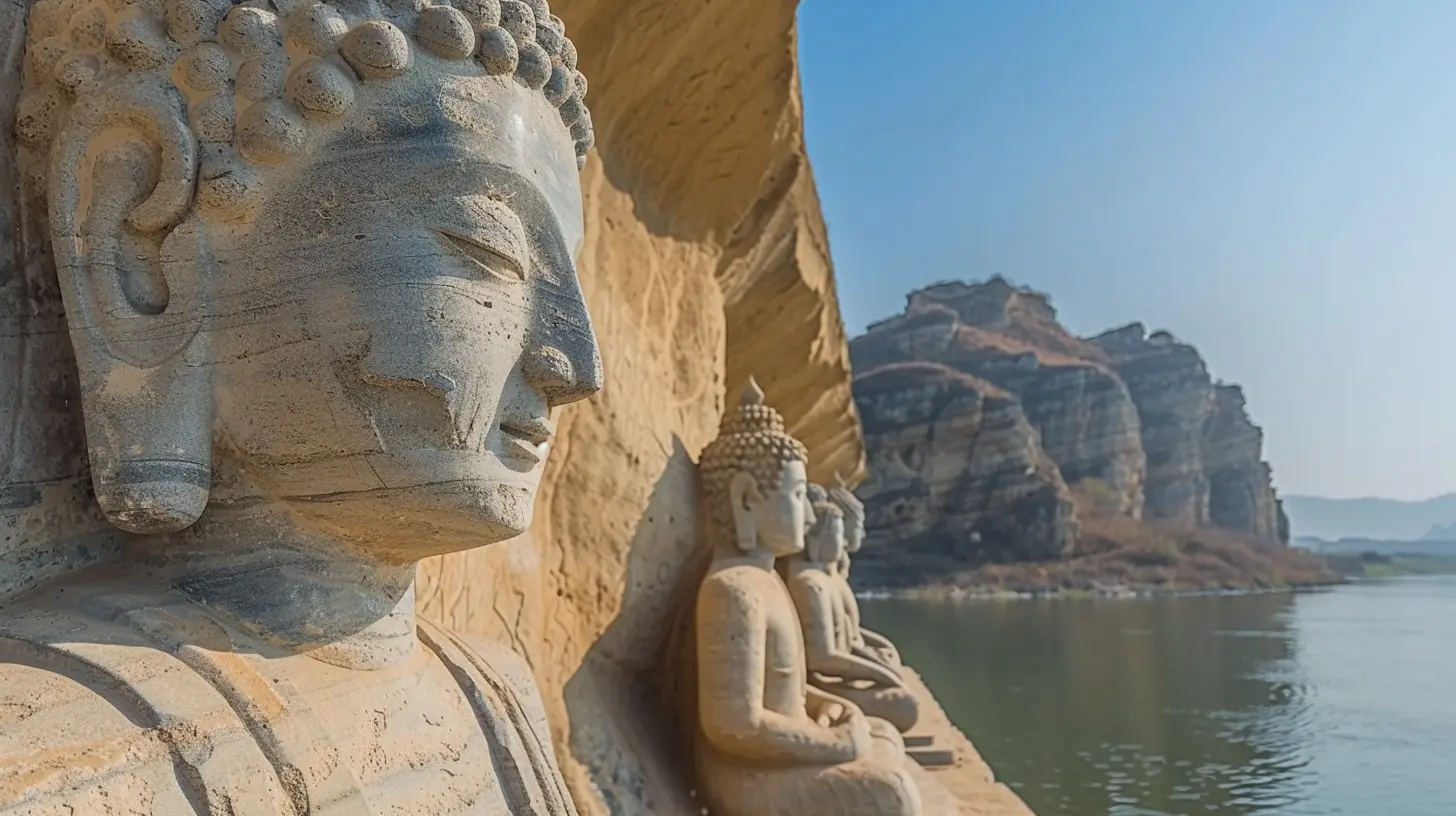
What Makes a Site UNESCO-Worthy?
UNESCO (United Nations Educational, Scientific and Cultural Organization) doesn't just slap its prestigious title on any old castle or temple. A site must meet specific criteria, proving that it has outstanding universal value. This could be due to its historical, cultural, or natural significance. Think of places like the Pyramids of Egypt, the Great Wall of China, or the Amazon Rainforest—they all hold unique importance to human history and the planet.The Three Categories of UNESCO Heritage Sites
UNESCO-listed sites fall into three categories:1. Cultural Sites – These are man-made wonders, including ancient cities, castles, temples, and even entire landscapes shaped by human civilization. Examples: Machu Picchu (Peru), the Taj Mahal (India), and the Colosseum (Italy).
2. Natural Sites – These sites showcase Mother Nature’s finest work. From breathtaking coral reefs to vast mountain ranges, they are crucial to our planet’s biodiversity. Examples: The Great Barrier Reef (Australia), Yellowstone National Park (USA), and the Galápagos Islands (Ecuador).
3. Mixed Sites – A mix of both cultural and natural significance, these locations hold deep historical meaning while also being ecologically valuable. Examples: Mount Athos (Greece), Mount Etna (Italy), and Machu Picchu (which qualifies as both).
These sites are like living history books, but their pages are slowly getting worn out. What’s causing the damage? 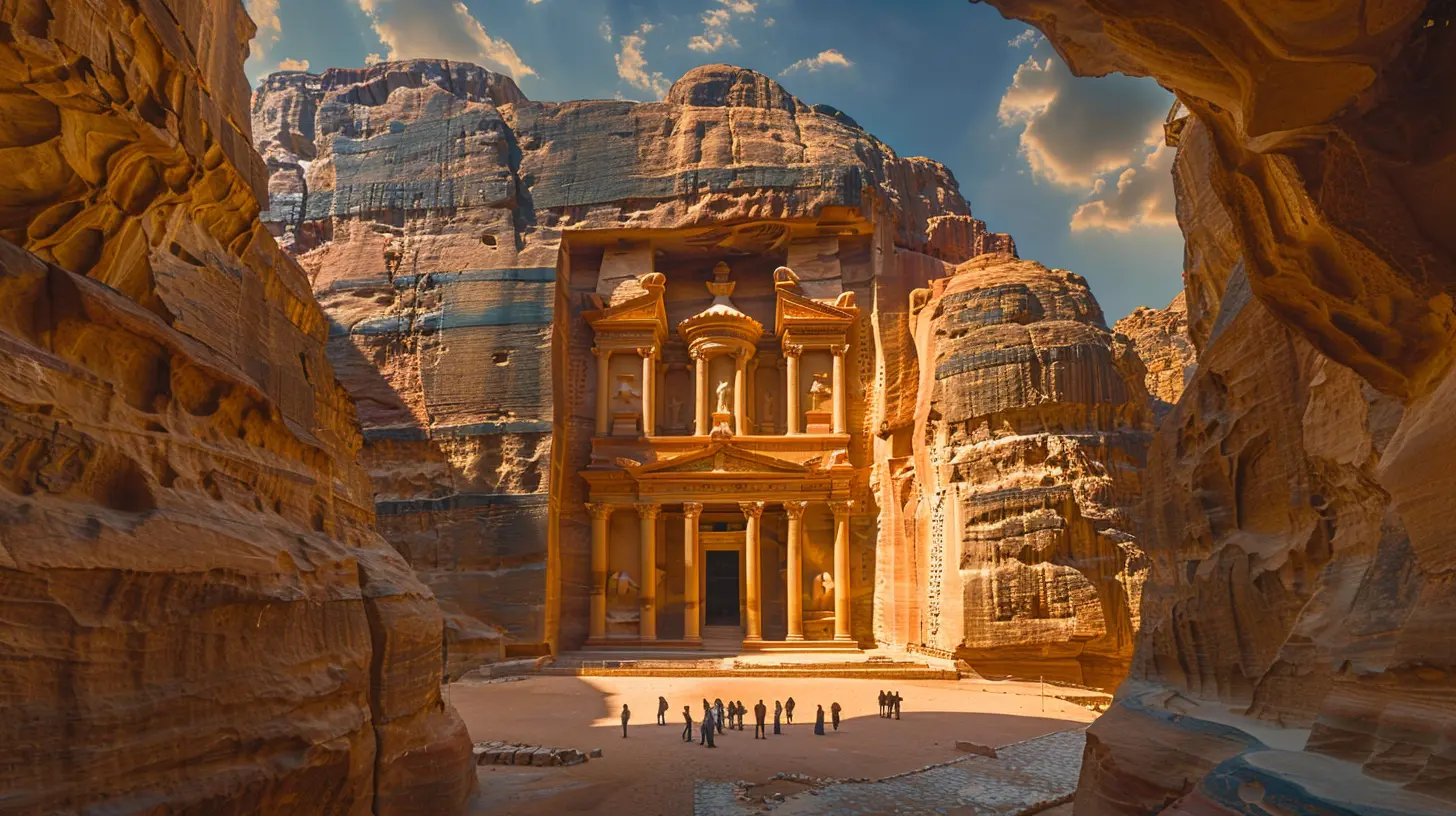
The Threats Facing UNESCO Heritage Sites
It’s heartbreaking, but many UNESCO-listed locations are at risk. Whether it's natural disasters, political conflicts, or careless tourism, threats come from every direction. Let’s break down the biggest dangers.1. Climate Change: The Silent Killer
Our planet is changing, and not for the better. Rising sea levels, extreme weather, and desertification are wreaking havoc on heritage sites. For example:- Venice, Italy – This floating city is sinking due to rising water levels. Without intervention, it could become the next Atlantis.
- The Great Barrier Reef, Australia – Climate change is warming ocean temperatures, causing coral bleaching and threatening marine life.
- Glacier National Park, USA – Shrinking glaciers are evidence of global warming eating away at natural wonders.
2. Overtourism: Loving a Place to Death
Tourism can be both a blessing and a curse. While it brings economic benefits, too many visitors can lead to irreversible damage. Think of it like having too many guests in your home—eventually, things start breaking.- Machu Picchu, Peru – Foot traffic from thousands of visitors daily has led to erosion concerns.
- Venice, Italy – Massive cruise ships and overcrowding are damaging delicate canals and historic buildings.
- Boracay, Philippines – The island had to close temporarily because of excessive tourism polluting its beaches.
3. Urbanization and Industrialization
Modern development is another threat. Cities are expanding, and industries are growing, often at the expense of historic sites.- Stonehenge, UK – Plans for a nearby highway tunnel sparked debates on whether it could impact this ancient wonder.
- The Pyramids of Egypt – Pollution and urban sprawl are creeping closer to these millennia-old structures.
- The Amazon Rainforest – Deforestation is rapidly destroying one of Earth’s most vital natural heritage sites.
4. Neglect and Poor Management
Preserving a UNESCO site requires proper care, but not all governments have the resources or willingness to maintain them. Wars, economic struggles, and corruption can leave these sites neglected, crumbling under the pressure of time.- Palmyra, Syria – Conflict in the region led to the destruction of many historic ruins.
- Angkor Wat, Cambodia – Poor restoration techniques have caused damage rather than preservation.
- The Bamiyan Buddhas, Afghanistan – These stunning statues were tragically destroyed due to political conflict. 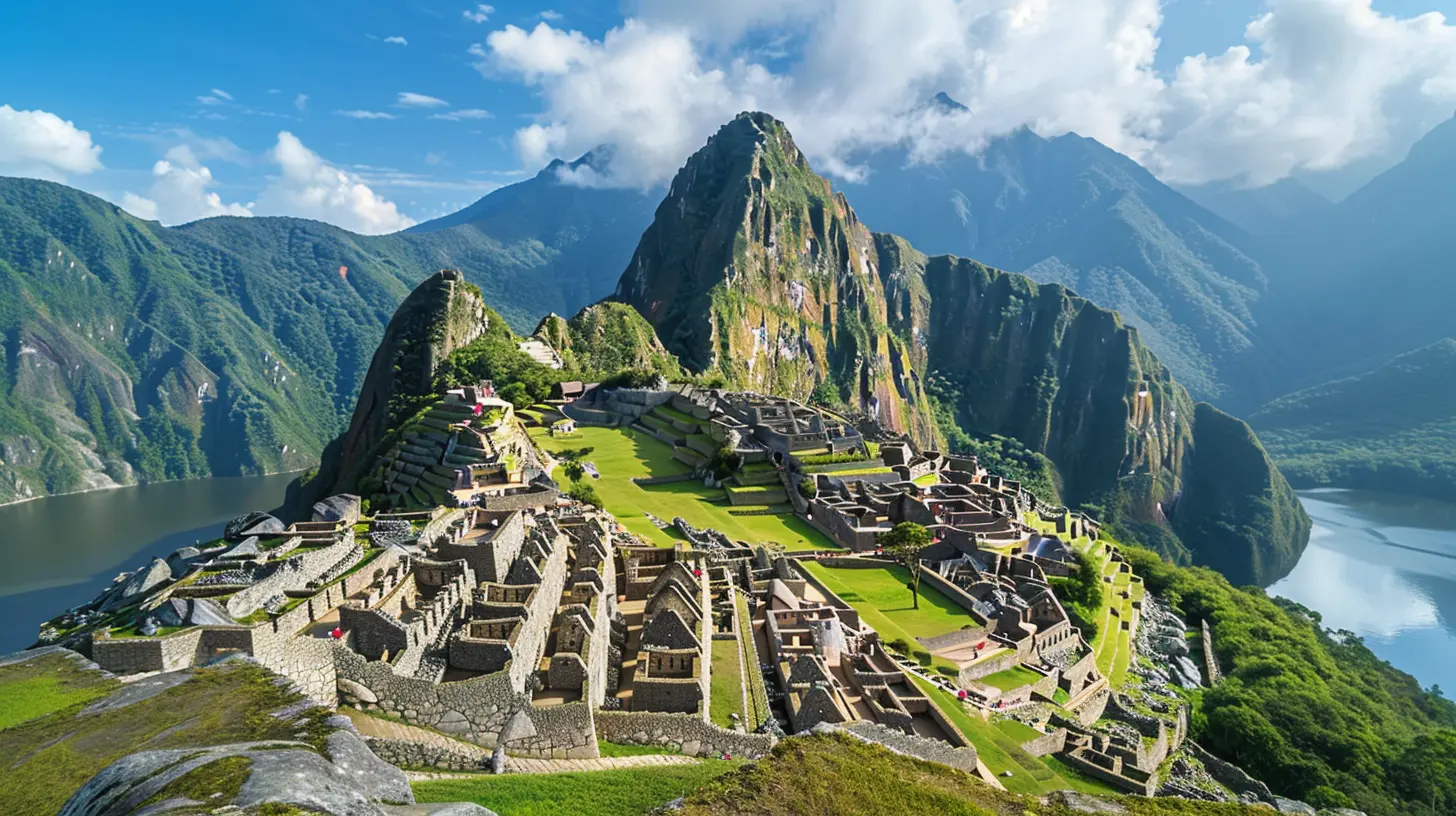
How Can We Protect These Timeless Treasures?
So, what’s the solution? How can we ensure that these cultural and natural wonders remain intact for generations to come? It’s not an easy task, but small changes can make a big impact.1. Stronger Conservation Efforts
Governments and organizations must step up conservation efforts, implementing stricter protections and sustainable tourism policies. This means:- Stricter visitor limits to reduce wear and tear
- Advanced restoration techniques to preserve structures
- Reforestation and clean-up initiatives for natural sites
2. Sustainable Tourism: Travel Responsibly
As travelers, we have a role to play too. Small actions can make a world of difference:- Choose eco-friendly tour operators.
- Follow site guidelines—stay on paths, don’t touch artifacts, and avoid leaving trash behind.
- Support local communities by purchasing locally made products instead of mass-produced souvenirs.
Think of it as being a guest in someone’s home—respect is key!
3. Raising Awareness Through Education
Many people don’t realize how fragile these places are. Schools, media, and even social platforms can help educate the public. When people understand what’s at stake, they’re more likely to act responsibly.4. Stronger Laws and International Cooperation
Preserving sites isn’t just a local issue—it’s global. UNESCO and world governments must work together to enforce stricter regulations, prevent illegal activities (like poaching or looting), and assist countries in need.5. Community Involvement
The best guardians of heritage sites? Local communities. They have the most to gain from conservation efforts, whether through jobs in sustainable tourism or cultural pride. Empowering locals to take the lead in preservation ensures long-term protection.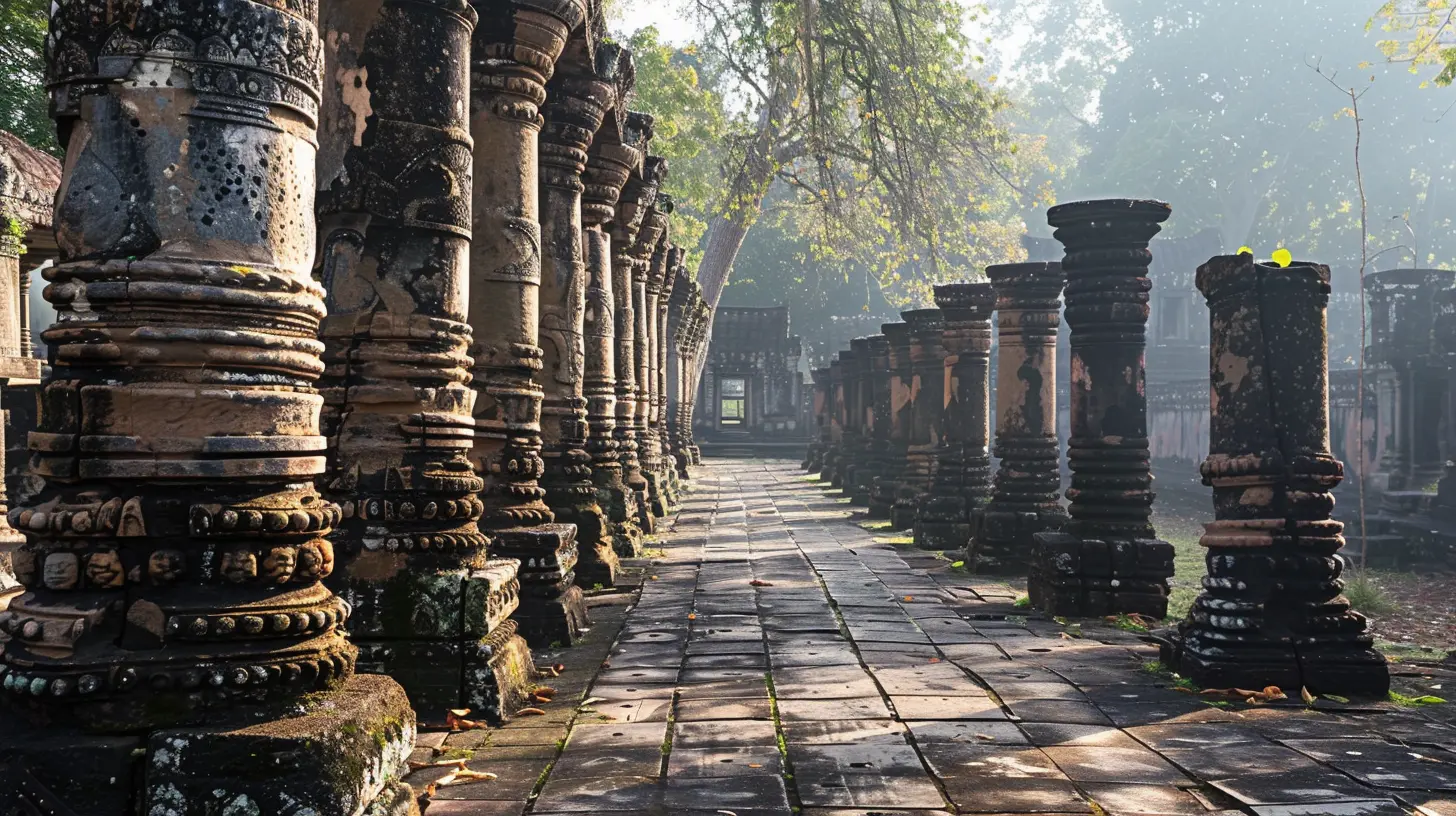
The Final Word
UNESCO-listed sites are time capsules of our past, but without proper care, they could become forgotten relics. Whether it’s the ancient city of Petra, the lush Amazon Rainforest, or the majestic Great Wall of China, these places deserve to be preserved.We all have a role in protecting the world’s timeless treasures. Whether governments enforce policies, organizations fund conservation, or tourists travel responsibly—it all adds up. After all, history is a gift, and it’s up to us to ensure it’s not lost.
Wouldn’t it be a tragedy if future generations only saw these wonders in history books instead of real life?
all images in this post were generated using AI tools
Category:
World Heritage SitesAuthor:

Reed McFadden
Discussion
rate this article
2 comments
Sawyer Fry
Essential insights on preserving our global heritage—important read!
April 11, 2026 at 11:40 AM
Reed McFadden
Thank you! I'm glad you found it insightful and important. Preserving our heritage is crucial for future generations.
Kendra McGill
Thank you for highlighting the importance of preserving our UNESCO treasures. Each site tells a unique story, and it’s our responsibility to protect these cultural gems for future generations.
April 3, 2026 at 3:19 AM
Reed McFadden
You're welcome! Each UNESCO site truly is a window into our shared history. Let's keep telling these stories together.