The Evolution of Street Food: From Ancient Times to Modern Eats
3 March 2026
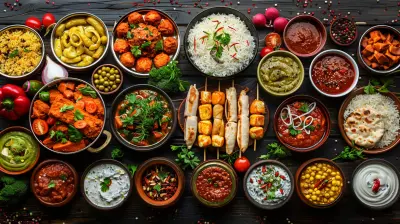
Street food has been around for centuries, and let’s be real—it’s not going anywhere anytime soon. From the bustling markets of ancient civilizations to sleek food trucks cruising through today’s urban landscapes, street food has constantly evolved to reflect the culture, creativity, and cravings of its people. It's gone from necessity to trend, from simplicity to gourmet bites served out of the back of a van.
So, how did all this finger-lickin’ goodness start? How did simple food cooked on open flames turn into Instagram-worthy meals with global fanbases? Let’s take a delicious journey through time to uncover the evolution of street food.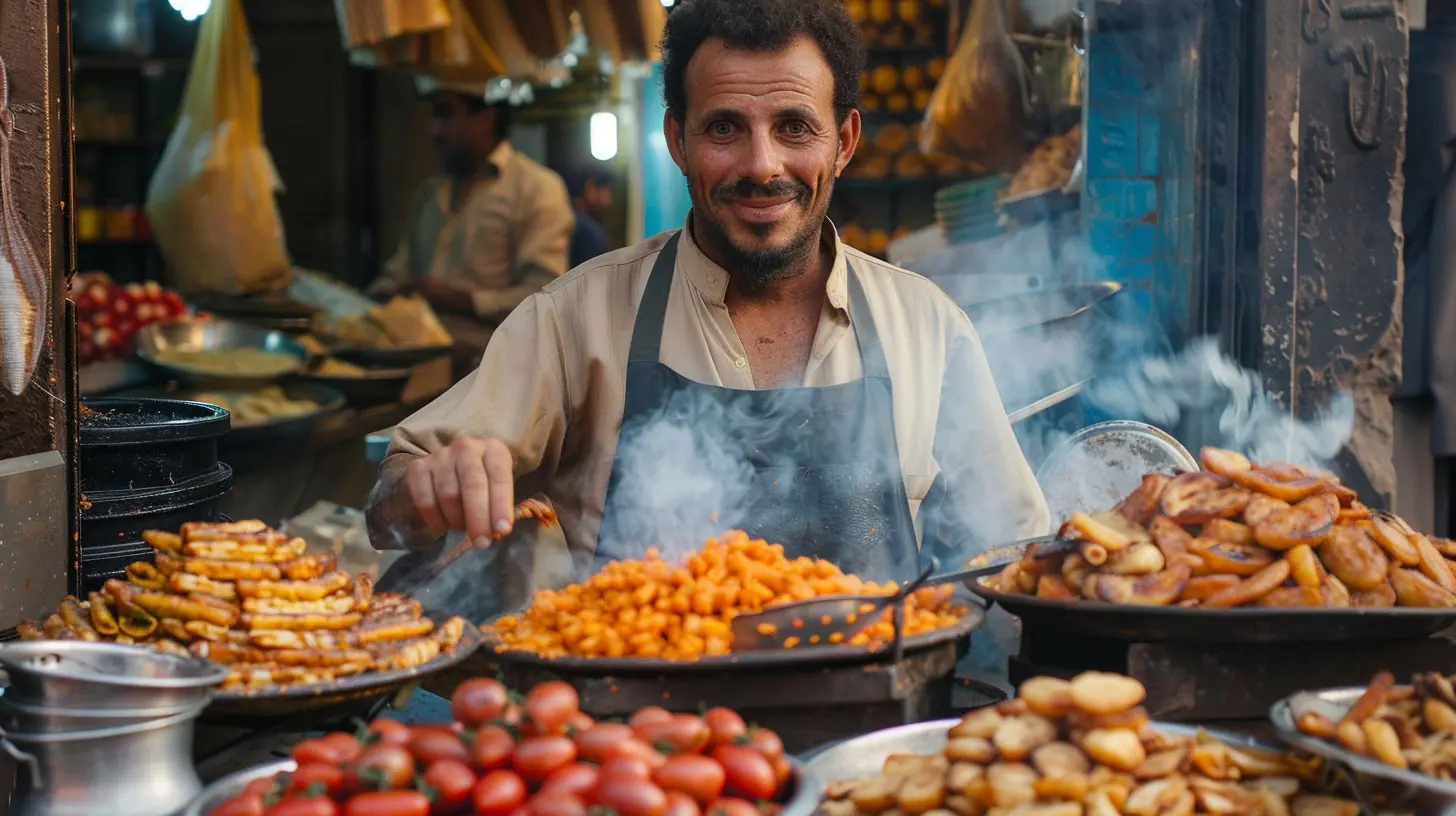
Ancient Origins: Humble Beginnings
If you think street food is just a modern-day phenomenon, think again. Our ancestors were chowing down on street grub long before the invention of the French fry.Street Eats in Ancient Greece
Back in Ancient Greece, street vendors sold small fried fish, a cheap and filling meal for the working class. These no-frills food stalls were common among those who didn’t have kitchens at home. That’s right—takeaway food was a thing 2,500 years ago!Roman Empire Food Stalls
The Romans were all about convenience. In ancient Rome, roadside vendors sold ready-to-eat dishes in thermopolia—basically ancient takeout joints. Customers, especially the busy ones in crowded urban areas, grabbed bowls of lentils, stews, or bread and cheese and went on their way. The layout might have changed, but grabbing a bite on the run? That’s a timeless habit.
Street Food in the Middle Ages: A Taste of Necessity
Fast forward a few centuries, and street food was still alive and sizzling.During the medieval period, food vendors became the go-to source for many people, especially those in cities and towns. Why? Most homes lacked proper kitchens. So folks relied on vendors to supply hot, ready-made food—kind of like the medieval version of Uber Eats.
In places like China, noodle shops served warm bowls with everything from beef to veggies. Over in Europe, meat pies and pancakes were street staples. Even then, the food was affordable, convenient, and—most importantly—flavorful.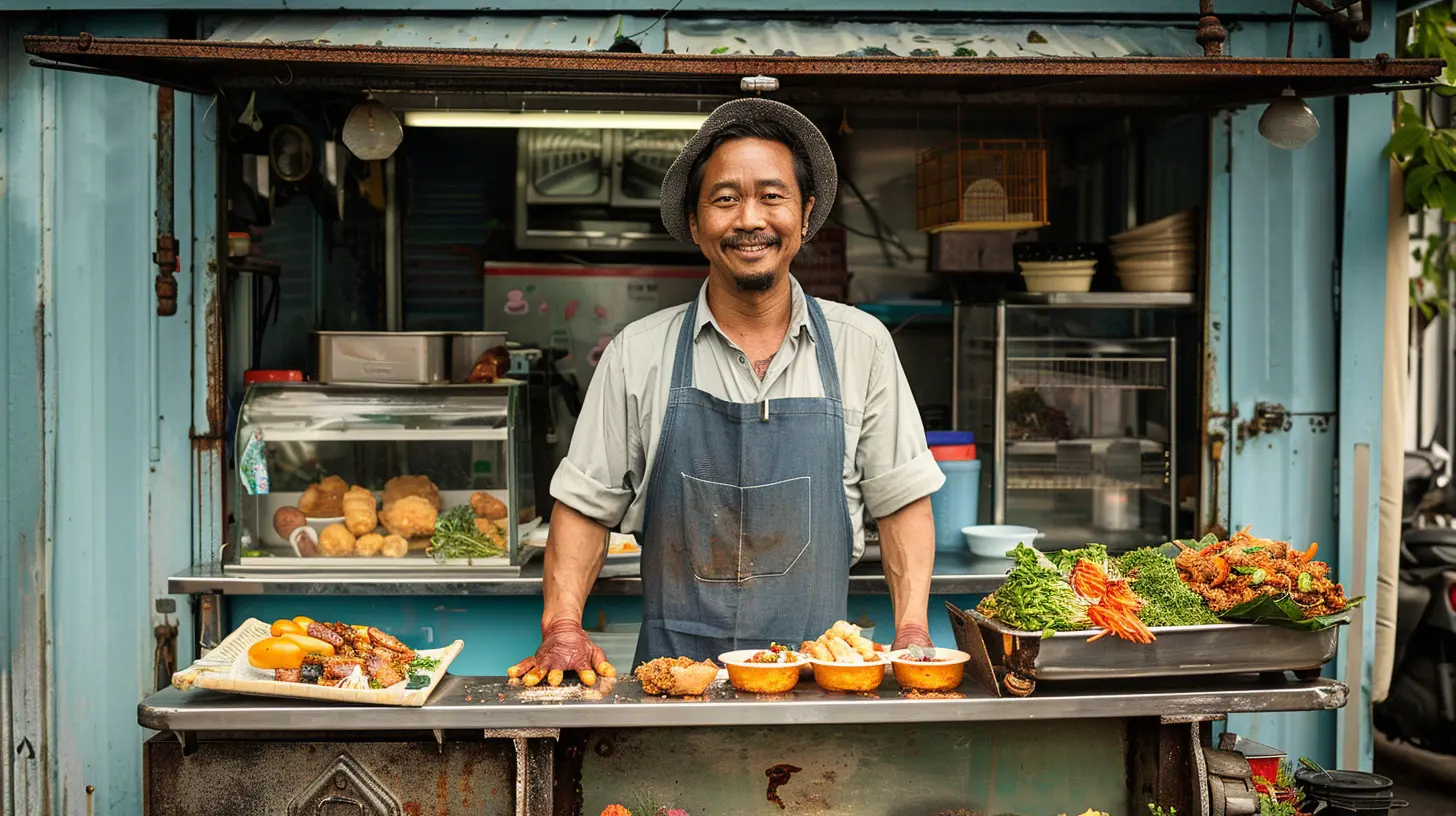
Street Food and the Industrial Revolution: The People’s Kitchen
Here’s where it gets interesting.As cities boomed during the Industrial Revolution, people left rural areas and flocked to urban centers for work. With long hours in factories and limited options to cook at home, working-class people needed cheap, quick meals. Enter the golden age of street food.
Vendors on the Urban Streets
From hot dog stands in New York to fish and chip wagons in London, street food met the moment. It was cheap, filling, and fast—everything a busy worker needed. Plus, street vendors often catered to working-class palettes, giving rise to comfort foods that stuck around for generations.And street vendors weren’t just cooks; they were community figures. Their stalls became impromptu gathering spots where locals shared stories, jokes, and gossip over fried snacks or steaming bowls.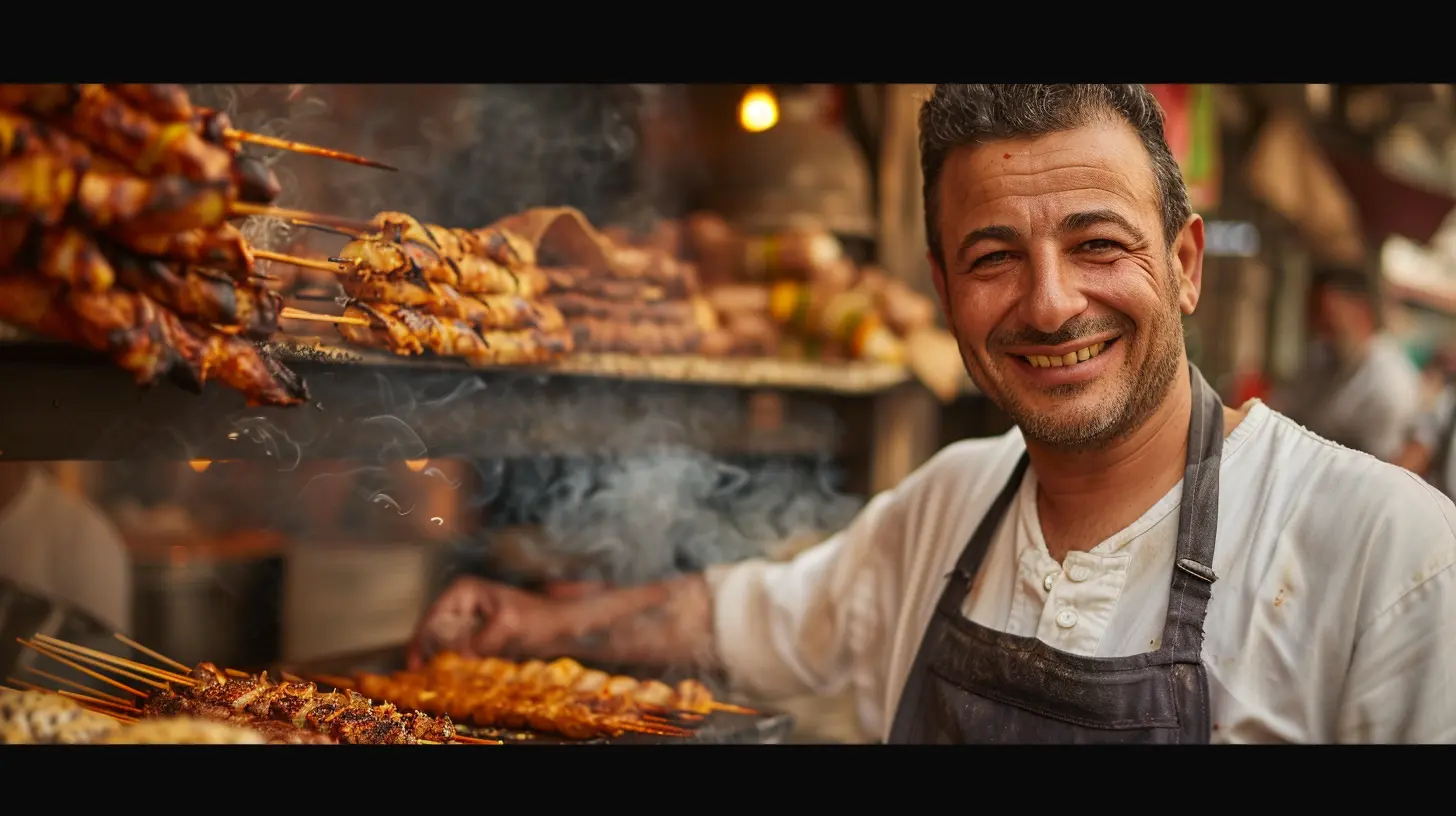
The 20th Century: Street Food Takes on a Global Flavor
As the world became more connected, so did its food. Immigration, colonization, and trade fueled new culinary mashups. Street food became a blend of cultures, with flavor fusions popping up in cities across the world.Asia and the Rise of Night Markets
You can’t talk about street food without mentioning the vibrant night markets of Asia. Think Taiwan, Thailand, Vietnam—places where food isn't just a meal but an experience.Skewers sizzling on open flames, noodles tossed in woks the size of bathtubs, and the aroma of spices that hit you like a gust of delicious wind—that's Asia’s contribution to the street food renaissance.
Latin America’s Food on the Move
Latin American countries brought their own flair to the scene. Tacos al pastor, tamales, pupusas—you name it. These meals, often sold from carts or carried in baskets, became cultural treasures and national obsessions.American Food Trucks: From Hot Dogs to Haute Cuisine
The U.S. has had hot dog stands and pretzel carts for over a century, but food trucks got their glow-up in the early 2000s. Suddenly, chefs with culinary degrees were dishing out artisan burgers, Korean BBQ tacos, and lobster rolls from mobile kitchens.This wasn’t just fast food—it was gourmet on wheels.
Modern Street Food: The Fusion Frenzy
Nowadays, street food isn’t just for the budget-conscious. It’s for everyone. And it’s cooler than ever.Instagram, TikTok, and the Rise of “Foodtainment”
Let’s be honest: we eat with our eyes as much as our mouths these days. Social media transformed street food from simple eats to performance art. Think rainbow bagels, cheese pulls, giant bubble teas, or sushi burritos. These viral creations cater to the camera as much as the belly.It's not just food anymore—it’s a spectacle.
Food Halls and Upscale Street Bites
Have you noticed how street food has crept its way into bougie food courts and chic eateries? We’re talking bao buns served in porcelain bowls, gourmet grilled cheese, and $20 shawarma. Street food got a glow-up—but honestly, it works.What’s awesome is that these elevated versions still honor the roots. They just add a modern twist, maybe a truffle oil drizzle or a gluten-free wrap.
Sustainability, Technology, and the Future of Street Food
As we look ahead, it’s clear that street food is evolving with the times.Eco-Friendly Street Eats
With growing awareness around sustainability, many vendors are ditching plastic and going green. You’ll find biodegradable cutlery, compostable plates, and menus that prioritize local, organic ingredients.Some street vendors are even turning to solar-powered food carts to reduce their environmental footprint. We love to see it!
Tech-Powered Food Trucks
Digital menus, mobile payments, GPS tracking—you name it. Today’s food trucks are basically tech-savvy kitchens on wheels. Want to find that one taco truck you’re obsessed with? There’s an app for that.And with AI insights, some vendors even predict demand based on weather, time, or local events. Talk about next-level street food science.
Why We Love Street Food (And Always Will)
So, why does street food strike such a chord with us?Because it's honest. It’s food made with heart, for the people. No white tablecloths, no gourmet pretensions—just pure flavor, creativity, and soul.
It’s where grandma’s secret sauce meets a chef’s twist. Where culture, history, and community blend on a single plate.
And let’s be real—it’s fun. There’s something magical about walking through a night market, trying bites from different stalls, laughing with friends, and licking spicy sauce off your fingers.
Final Thoughts
From humble beginnings in ancient cities to high-tech trucks and viral recipe trends, street food has come a long, delicious way. It’s more than a way to eat—it’s a way to connect, to celebrate culture, and to tell stories through flavor.No matter how advanced flavors or gadgets get, the soul of street food will always remain the same: simple, accessible, and absolutely irresistible.
So next time you grab a bite from a food cart or a vendor on the street—whether it’s a taco, satay, or falafel—know you’re tasting history. Literally.
all images in this post were generated using AI tools
Category:
Street FoodAuthor:

Reed McFadden
Discussion
rate this article
2 comments
Kevin Mitchell
Street food has transformed from ancient vendors to contemporary culinary experiences, reflecting cultural shifts and global influences in vibrant, accessible ways.
April 5, 2026 at 3:03 AM
Reed McFadden
Thank you for highlighting the dynamic journey of street food! It truly showcases how culinary traditions adapt and thrive in our ever-changing world.
Alexander McCallum
Street food: a delicious journey through history! Grab a bite and savor the adventure!
March 3, 2026 at 5:22 AM
Reed McFadden
Thank you! Street food truly reflects our history and culture, offering a tasty glimpse into the past and present. Enjoy the adventure!