The Best Viewpoints for Watching the Sun Go Down in 2027
6 October 2026
Sunset watching is one of the few travel activities that costs nothing, requires no reservation, and still manages to feel like a genuine event. Yet most people treat it as an afterthought. They finish dinner, notice the sky turning orange, and scramble to the nearest balcony. That works. It is also the least interesting way to do it.
Planning a sunset in 2027 is a strange exercise, because nobody can predict cloud cover, volcanic haze, or whether that cliff path will be closed for repairs. What you can control is geometry, timing, and logistics. Get those three right and you have stacked the odds heavily in your favor. Get them wrong and you will spend the best twenty minutes of the day stuck in traffic, staring at the back of a bus.
This guide is about the third category: places where the combination of horizon, elevation, and atmosphere tends to produce something memorable, plus the practical reasoning you need to judge any viewpoint, including ones not listed here.
Why 2027 Is Not Just Another Sunset Year
A few things make 2027 worth thinking about specifically.The sun follows an eleven year activity cycle, and the current cycle is expected to remain near its maximum through the mid 2020s before declining. That matters for high latitude viewers. During solar maximum, aurora displays are more frequent and reach further from the poles. In places like Tromso, Reykjavik, or the Scottish Highlands, a late summer or early autumn sunset can be followed within a couple of hours by northern lights. You are not guaranteed both, but the odds are meaningfully better than during solar minimum. If you want to chase that combination, 2027 sits in a reasonable window, though the peak itself is likely to have passed.
Eclipses are the other fixed variable. A total solar eclipse crosses parts of Spain and North Africa in August 2026, and a significant eclipse event follows in 2027. If your travel dates are flexible, aligning a sunset trip with an eclipse window turns a pleasant evening into something people will ask you about for years.
Beyond astronomy, the practical case for 2027 is simpler. Overtourism at famous sunset spots has been getting worse, not better. Santorini, Oia, and the classic Bali temples are now so crowded at golden hour that the experience is often diminished. Choosing less obvious viewpoints, or visiting famous ones in shoulder season, is now a strategic decision rather than a niche preference.
What Actually Makes a Sunset Good
Before listing places, it helps to understand the mechanics. A sunset is not just the sun going down. It is light passing through atmosphere at a low angle, scattering shorter wavelengths and leaving reds and oranges. The quality of that light depends on what is in the air.Clean air gives you a sharp, quick transition. Dust, salt spray, smoke, or thin cloud gives you color. This is why volcanic regions and coastal areas with marine haze often produce the most dramatic skies. It is also why a sunset over a desert can be spectacular one evening and flat the next.
Elevation matters more than most people realize. From sea level, you see the sun touch the horizon and disappear. From a few hundred meters up, you see the shadow of the Earth rise, a phenomenon sometimes called the Belt of Venus, and the afterglow lasts considerably longer. The higher you are, the longer the show.
Orientation is the third factor. A west facing viewpoint is obvious, but the best sunsets often happen when you can see both the western horizon and something in the east catching the last light. Think of a mountain range behind you turning pink while the sun sets in front of you. That double view is what separates a good spot from a great one.
The Shortlist: Viewpoints Worth Planning Around in 2027
1. The Faroe Islands, Specifically the Hike to Traelanipa
The Faroe Islands sit in the North Atlantic, which means weather changes constantly and sunsets are frequently interrupted. That is also why they are extraordinary when they work. Traelanipa, above the village of Gasadalur, looks west toward the island of Mykines and the open ocean. On a clear evening in late May or early June, the sun barely dips below the horizon, producing a two hour twilight rather than a sharp sunset.Why it works: the combination of sea cliffs, the ocean horizon, and the high latitude means the light lingers. You get the equivalent of three sunsets in one evening.
What to consider: the hike is steep and can be muddy. Wind is a real hazard on the ridge. There are no facilities, no railings, and no lighting for the walk back. Bring a headlamp and check the forecast the same day, not the week before.
2. The West Coast of Portugal, Around Cabo de Sao Vicente
The southwestern tip of Portugal is the classic "end of the world" viewpoint, and for good reason. It faces due west across open Atlantic with nothing between you and North America. The cliffs are around 60 to 70 meters high, which is enough elevation to see the green flash on rare occasions, but not so high that you lose the sense of the sea.Why it works: unobstructed horizon, consistent marine haze that produces deep oranges, and a lighthouse that gives the scene a focal point.
What to consider: this is not a secret. In July and August, the parking area fills and the lighthouse area gets busy. Go in April, May, September, or October. Also, the wind here is relentless. A light jacket is not enough. You want a windproof layer.
3. The Atacama Desert, Specifically Around Valle de la Luna
Desert sunsets are underrated because people associate deserts with heat and discomfort. In the Atacama, at around 2,400 meters elevation, the air is thin, dry, and clean. That means less scattering, which sounds like a downside but actually produces a very pure, saturated color palette. The surrounding salt formations and distant volcanoes catch the light in ways that coastal sunsets cannot replicate.Why it works: elevation plus dryness plus dramatic foreground geology. The sunset itself is only part of the show. The afterglow on the Andes is the main event.
What to consider: temperature drops fast after sundown. Bring layers. Also, the altitude can affect you more than you expect if you have flown in that day. Give yourself a day to acclimatize before hiking to a viewpoint.
4. Cape Town, Specifically Signal Hill or the Pipe Track
Cape Town has a reputation for wind, and the sunset experience depends heavily on which side of the mountain you choose. Signal Hill faces northwest, toward Table Bay and Robben Island. The Pipe Track on the Table Mountain side faces west and southwest, looking down the Twelve Apostles.Why it works: you get ocean, city, and mountain in one frame. The cloud formations known locally as the tablecloth can either block the sunset or turn it into something extraordinary, depending on how they sit.
What to consider: the cableway on Table Mountain closes in high wind, and so do many of the trails. Check the forecast and have a backup. Signal Hill is easier to access and more reliable when conditions are marginal.
5. The Bardenas Reales, Spain
This semi desert region in Navarra is not on most sunset lists, which is exactly why it belongs here. The eroded clay and sandstone formations create a landscape that looks almost artificial, and at sunset the whole thing glows orange and pink. There are few trees, few buildings, and very little light pollution.Why it works: unusual geology, low visitation, and a wide open horizon. It is also accessible by car, which means you can move between viewpoints as the light changes.
What to consider: there are restrictions on where you can drive within the park, and some areas close at night. Check current rules before you go. Also, the roads are unpaved in places, so a standard rental car is fine in dry weather but not after rain.
6. Maui, Specifically Haleakala Summit
Haleakala is the classic high elevation sunset. At just over 3,000 meters, you are above a significant portion of the atmosphere and often above the clouds. The sunset itself is quick, but the shadow of the mountain projected onto the clouds below is the real spectacle.Why it works: altitude, cloud sea, and a nearly 360 degree view. Few places on Earth offer this combination with this level of accessibility.
What to consider: you need a reservation for sunrise, but sunset is generally less regulated. Still, check current rules. The altitude is serious. People with heart or lung conditions should be cautious. It gets cold, often near freezing, and the drive down in the dark requires attention.
7. The Scottish Highlands, Specifically the Isle of Skye
Skye is famous for many things, and sunset is not usually top of the list, which is a mistake. The Trotternish Ridge, the Quiraing, and the area around Neist Point all face west or northwest, and in late spring and early summer the sun sets very late, often after 10 pm. That means you can have a full day of hiking and still catch the sunset without rushing.Why it works: dramatic terrain, long twilight, and the possibility of a post sunset aurora in the right conditions.
What to consider: midges. In late spring and summer, the biting midges can be brutal at dusk, especially near water and in still air. Bring repellent and consider a head net. Also, single track roads require patience and passing places.
8. The Namib Desert, Specifically Around Sossusvlei
The Namib is one of the oldest deserts in the world, and the dunes at Sossusvlei are the postcard image. Sunset here is about shadow and contrast. As the sun drops, the dunes cast long shadows and the red sand deepens in color.Why it works: the dunes themselves are the subject, not just the sky. This is a landscape sunset rather than a horizon sunset.
What to consider: you cannot be inside the park at sunset unless you are staying at one of the lodges inside the gate. Otherwise you have to watch from outside, which is still good but not the same. Plan your accommodation accordingly.
How to Choose Your Own Viewpoint
If none of these fit your plans, you can find a great sunset spot almost anywhere using a few principles.First, find west. Not just west, but the westernmost accessible point within reasonable distance. A hill, a pier, a headland, a rooftop. The further west you can get without obstruction, the better.
Second, find elevation. Even 50 meters makes a difference. A parking garage roof, a hilltop park, a bridge. You do not need a mountain.
Third, check the horizon. Trees, buildings, and mountains block the sun before it reaches the actual horizon. Look for a gap. A river valley, a bay, a break in the skyline.
Fourth, consider the foreground. A sunset with nothing in front of it is a gradient. A sunset with a silhouette, a reflection, or a structure is a photograph. This is why piers, lighthouses, and rock formations are so popular.
Fifth, check the forecast for cloud cover, but not in the way you might think. Totally clear skies give you a clean sunset but often little color. Totally overcast skies give you nothing. The sweet spot is scattered cloud, ideally high thin cloud, which catches the light after the sun has gone.
Common Mistakes and Misconceptions
The biggest mistake is arriving too late. The best color often happens 10 to 25 minutes after the sun has disappeared. If you leave as soon as the sun is down, you miss the afterglow. Plan to stay at least 30 minutes past official sunset.The second mistake is underestimating the cold. Temperature drops quickly after sundown, especially at elevation or near water. Wind makes it worse. Bring more layers than you think you need.
The third mistake is relying on your phone camera. Phone cameras are good now, but they still struggle with high dynamic range. If you want a good photo, bring a tripod and use manual exposure, or at least bracket your shots. Also, your eyes adapt to darkness faster than you think, so give yourself a few minutes without looking at a screen to let your night vision settle.
The fourth mistake is ignoring the walk back. Many viewpoints are on trails or unlit roads. A headlamp, a charged phone, and a basic sense of direction are not optional.
The fifth mistake is chasing the famous spot. The famous spot is famous because someone took a good photo there once. That does not mean it is the best spot for you on that particular evening. Be willing to pivot. If the clouds are wrong in one direction, drive twenty minutes the other way.
Practical Planning for 2027
Book accommodation near your chosen viewpoint if you can. The difference between a 20 minute walk and a 90 minute drive is enormous when you are tired and it is dark.Check sunset time for your specific date and location. It varies by up to two hours across a year depending on latitude. Do not assume.
Check moon phase. A full moon rising during sunset can be beautiful, but it also brightens the sky and reduces the intensity of the afterglow. A new moon gives you darker skies and better stars afterward.
Check local regulations. Some parks close at sunset. Some viewpoints require permits. Some roads are gated. A little research prevents a wasted evening.
Have a backup plan. Weather is unpredictable. If your first choice is clouded in, know where you will go instead.
Final Thoughts
The best sunset viewpoint is not a single place. It is a set of conditions that you learn to recognize and chase. Elevation, an open western horizon, some cloud in the sky, and enough time to stay past the moment the sun disappears. Get those right and almost anywhere becomes memorable.2027 offers a few specific bonuses, particularly for high latitude travelers hoping to combine sunset with aurora, and for anyone planning around the eclipse calendar. But the fundamentals have not changed. Show up early, stay late, bring layers, and do not let the perfect spot be the enemy of the good one.
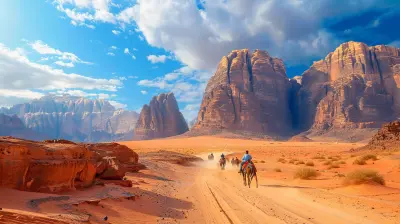
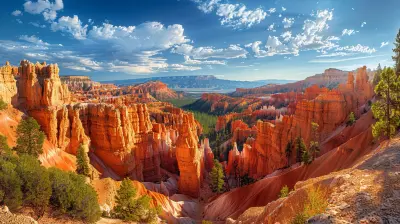
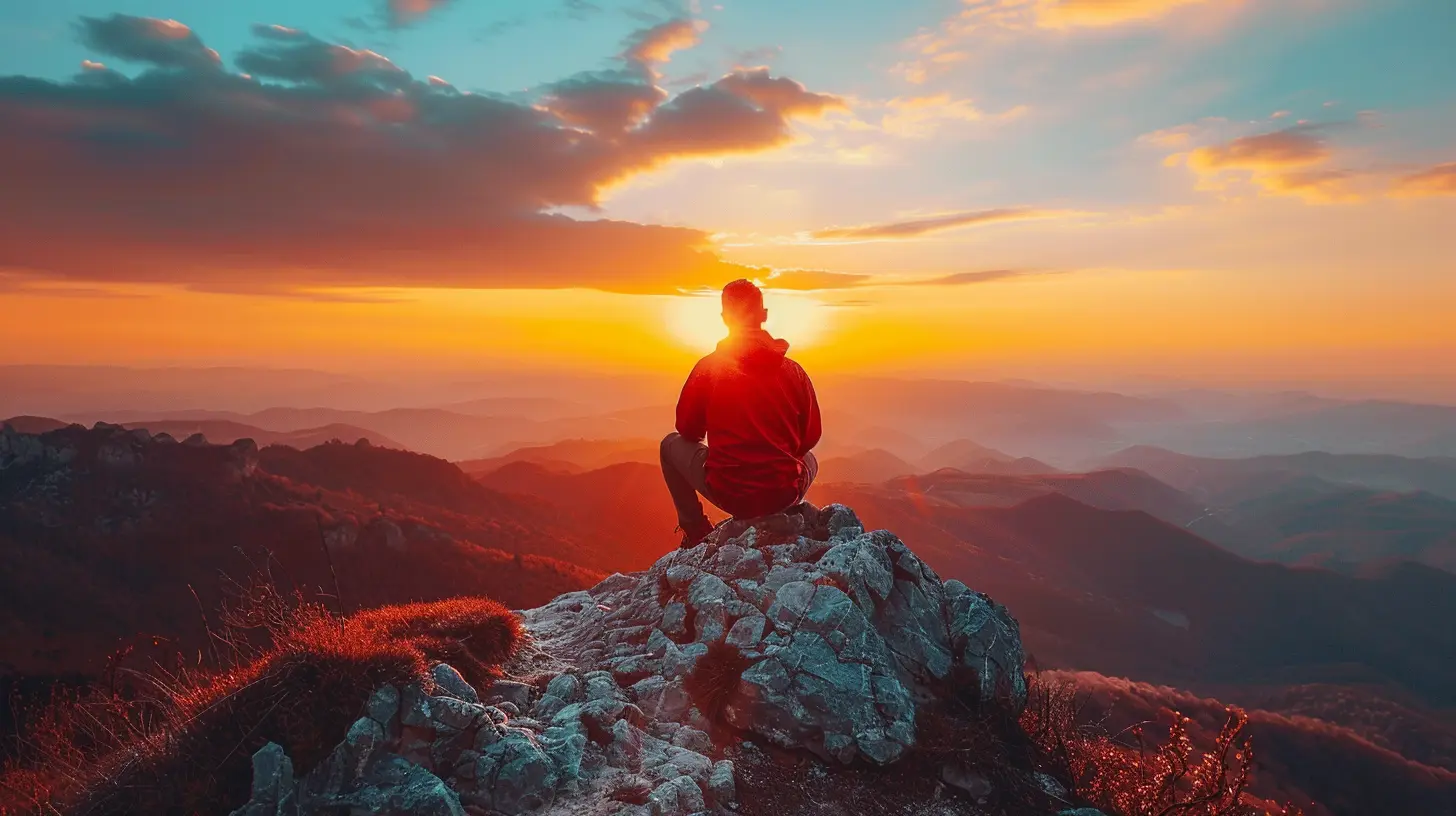
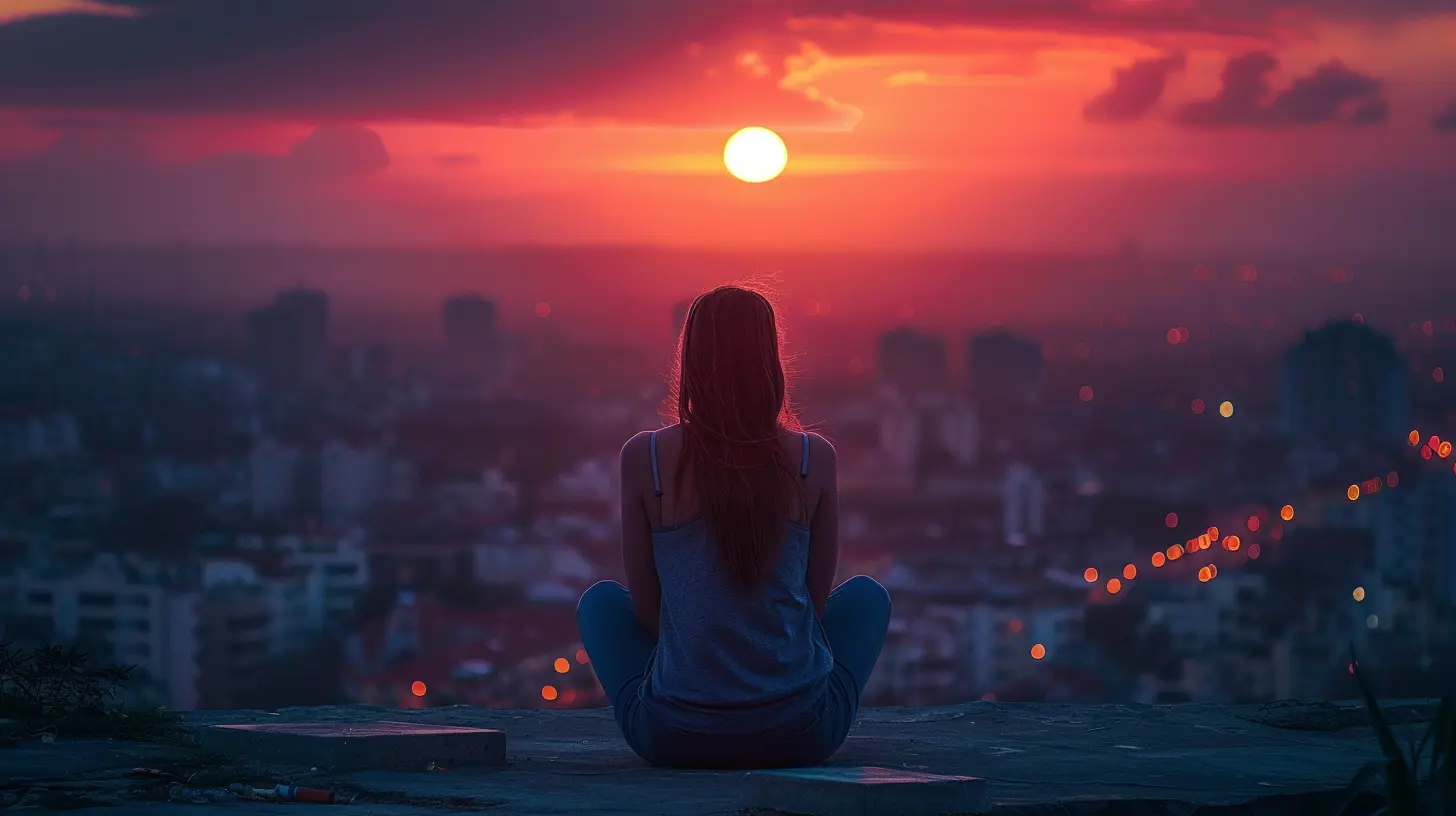
all images in this post were generated using AI tools
Category:
Sunset SpotsAuthor:

Reed McFadden