The Best of the Black Forest Route in Germany for 2026
19 October 2026
The Black Forest does not reveal itself to people in a hurry. Germany's southwestern highlands, the Schwarzwald, stretch roughly 160 kilometers from Baden-Baden in the north to the Swiss border near Basel in the south. Between those points lies a landscape of dense fir forest, rounded ridgelines, deep valleys, mineral spas, half-timbered villages, and one of the country's most beloved driving corridors: the Black Forest High Road, or Schwarzwaldhochstrasse.
Planning a 2026 trip here means something specific. Overtourism has reshaped how popular German regions manage visitors. Climate patterns are shifting what summer travel looks like. And the Black Forest, long treated as a stopover between Frankfurt and Lake Constance, rewards travelers who commit to it properly. This guide is built around that commitment. It covers the routes worth driving, the towns worth staying in, the trade-offs between the famous and the overlooked, and the practical decisions that separate a good trip from a forgettable one.
Understanding the Black Forest Before You Plan
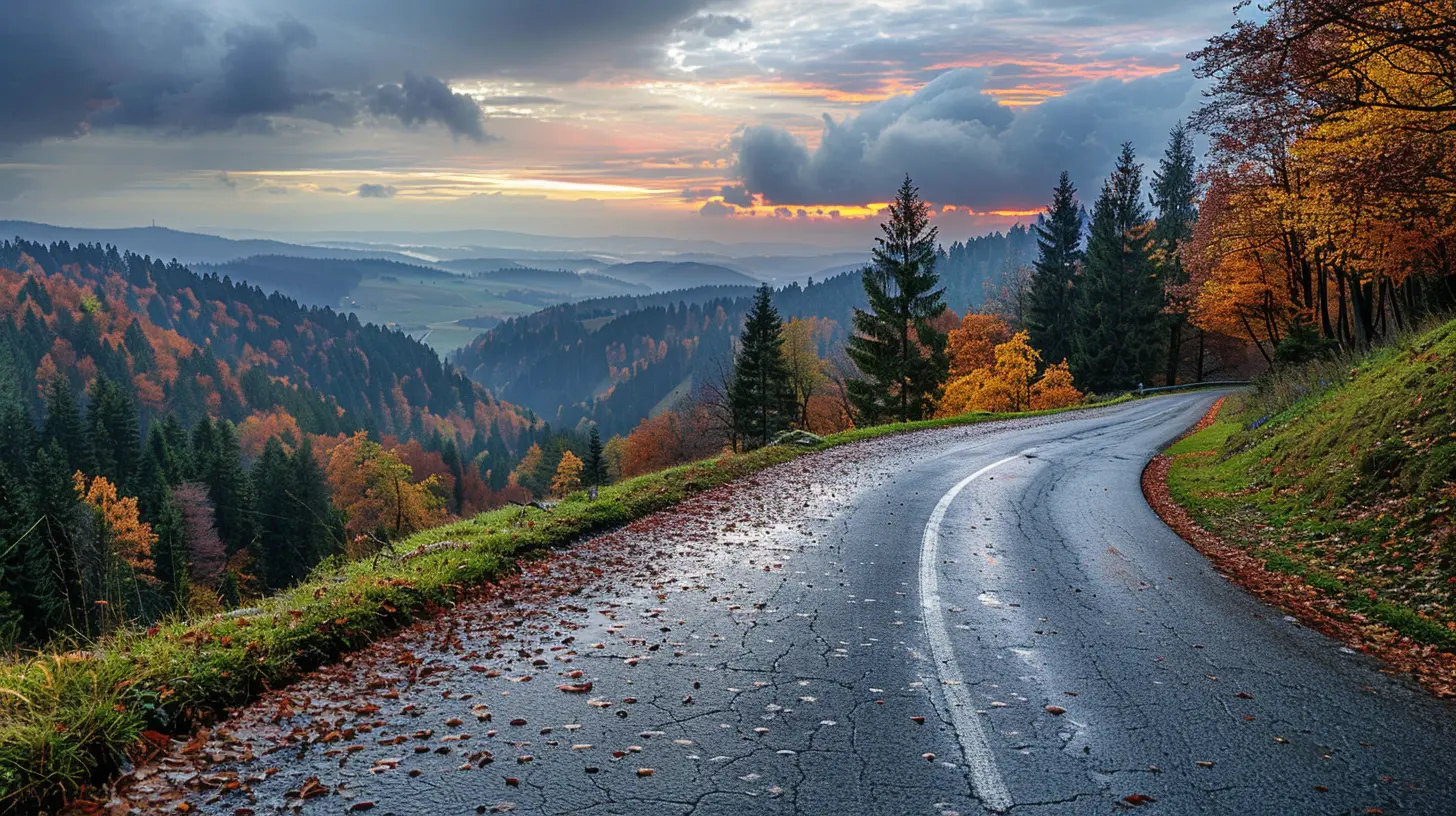
Most first-time visitors make the same structural mistake: they treat the Black Forest as a single destination. It is not. The region has distinct character zones, and the experience changes dramatically depending on where you base yourself.The Three Zones That Matter
The northern Black Forest, anchored by Baden-Baden and the valleys around Freudenstadt, is gentler in elevation, more spa-oriented, and closer to the Rhine plain. It suits travelers arriving from Frankfurt or Strasbourg who want a soft landing.The central Black Forest, around Triberg, Hornberg, and the Gutach valley, is the postcard version: waterfalls, cuckoo clocks, dense forest, and the highest concentration of classic Schwarzwald imagery. It is also the most crowded in July and August.
The southern Black Forest, near Freiburg, Titisee, and the Feldberg, is the most dramatic. The Feldberg reaches 1,493 meters, the highest point in Germany outside the Alps. This zone has stronger hiking, better winter infrastructure, and a more local feel once you leave the Titisee shoreline.
Why does this matter? Because a common misconception is that you can "do the Black Forest" in two days from a single hotel. You can see a slice of it. You cannot understand it. The road distances look short on a map, but the B500 and its connecting roads wind through valleys and over passes, and a 60-kilometer drive can easily take 90 minutes. Choose your base by zone, not by hotel rating.
When to Go in 2026
Summer remains the default, but it is not automatically the best choice. July and August bring reliable weather, all cable cars and summer toboggan runs open, and long daylight hours. They also bring peak prices and crowded viewpoints at Titisee and Triberg.Late May and June offer a strong balance: wildflower meadows, fewer crowds, and comfortable hiking temperatures. September and early October are arguably the connoisseur's window, with stable weather, harvest season in the vineyards along the western edge, and golden light through the fir canopy.
Winter transforms the higher elevations into a genuine snow-sports region, though snow reliability below 1,000 meters has become less certain in recent years. If winter sports matter to you, favor the Feldberg area and check snow reports rather than assuming.
One practical note for 2026: many German regions have been expanding low-emission zone rules and public transport integration. Before you finalize a rental car plan, check current local regulations for the towns on your itinerary, since rules can change between booking and travel.
The Core Route: The Schwarzwaldhochstrasse and Beyond
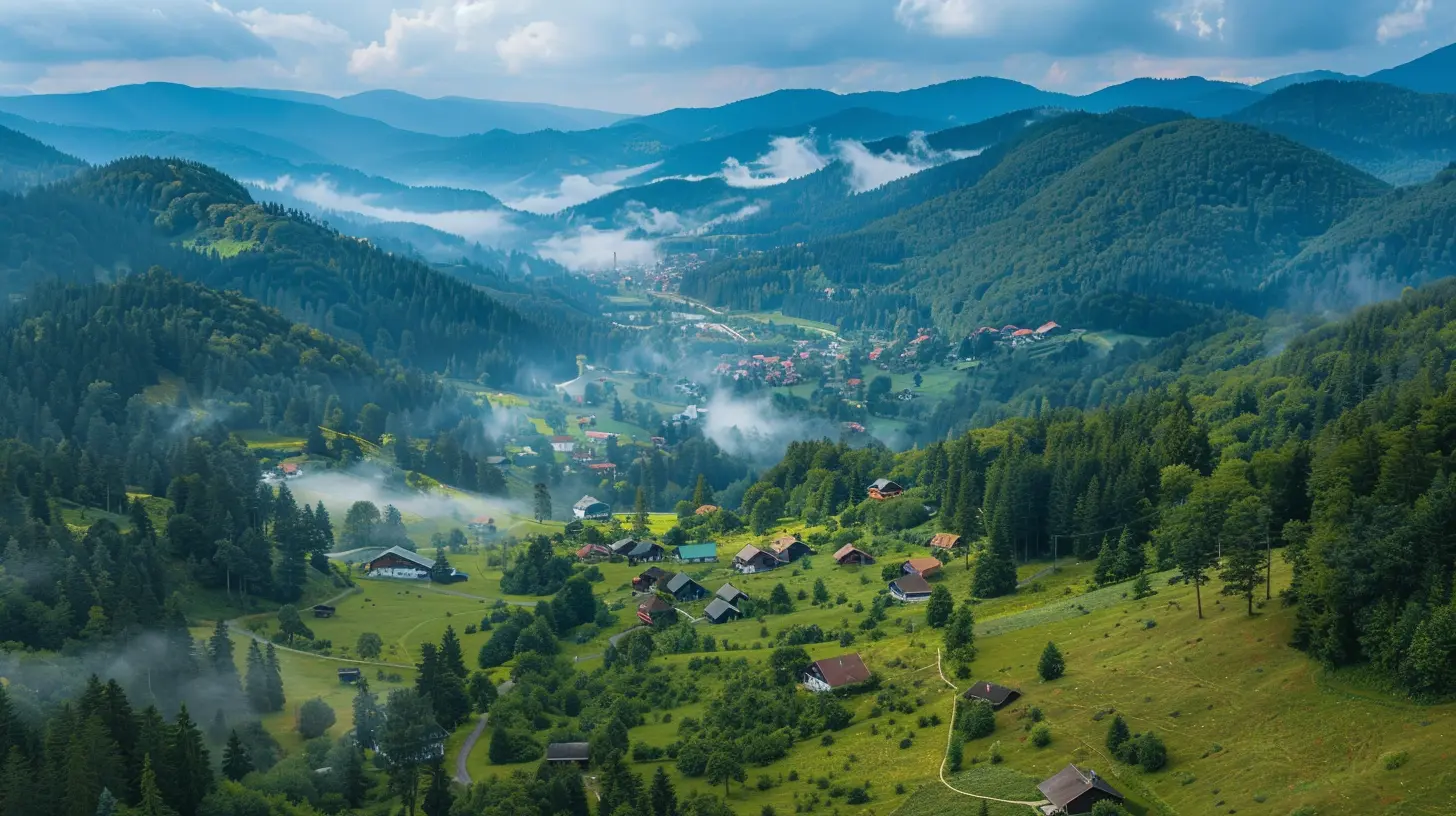
The Black Forest High Road, the B500 from Baden-Baden south to Freudenstadt, is the region's signature drive. It is genuinely beautiful, and it is also frequently misunderstood.What the B500 Actually Delivers
The High Road runs about 60 kilometers along the ridgeline, passing the Mummelsee, the Hornisgrinde (the northern Black Forest's highest peak), and several viewpoints that open westward toward the Rhine plain and, on clear days, the Vosges mountains in France. The road is well maintained and engineered for touring, which makes it accessible to almost any driver.Here is the trade-off. Because it is accessible and famous, it gets busy. On summer weekends, the Mummelsee parking area fills early, and the road can feel less like a scenic byway and more like a procession. The fix is timing, not avoidance: drive it on a weekday morning, start from Baden-Baden by 8:00, and you will have the viewpoints largely to yourself for the first two hours.
The Southern Extension Most People Skip
The B500 continues south of Freudenstadt through Triberg toward Titisee, and this stretch is where the route becomes more varied. You pass through the Gutach valley, home to the open-air museum Vogtsbauernhof, which documents historic Black Forest farm life. This is not a theme park. It is a preserved collection of original farm buildings moved to the site, and it explains the region's architecture better than any brochure.Further south, the road climbs toward the Feldberg. The contrast is striking: the northern High Road is about vistas, while the southern section is about immersion, with tighter curves, denser forest, and small villages that feel lived-in rather than staged.
Alternative: The Deutsche Uhrenstrasse
The German Clock Route runs about 300 kilometers through the central Black Forest, connecting clock-making towns like Triberg, Furtwangen, and Schonach. It is a thematic route rather than a scenic one, and it works best for travelers with a genuine interest in craft history.The honest assessment: driving the entire Clock Route is more than most people need. The Deutsches Uhrenmuseum in Furtwangen is excellent and worth a half day. Triberg's clock shops are fun but heavily commercialized. If clocks interest you, pick two or three stops rather than committing to the full route. If they do not, skip it without guilt.
Where to Base Yourself: A Practical Comparison
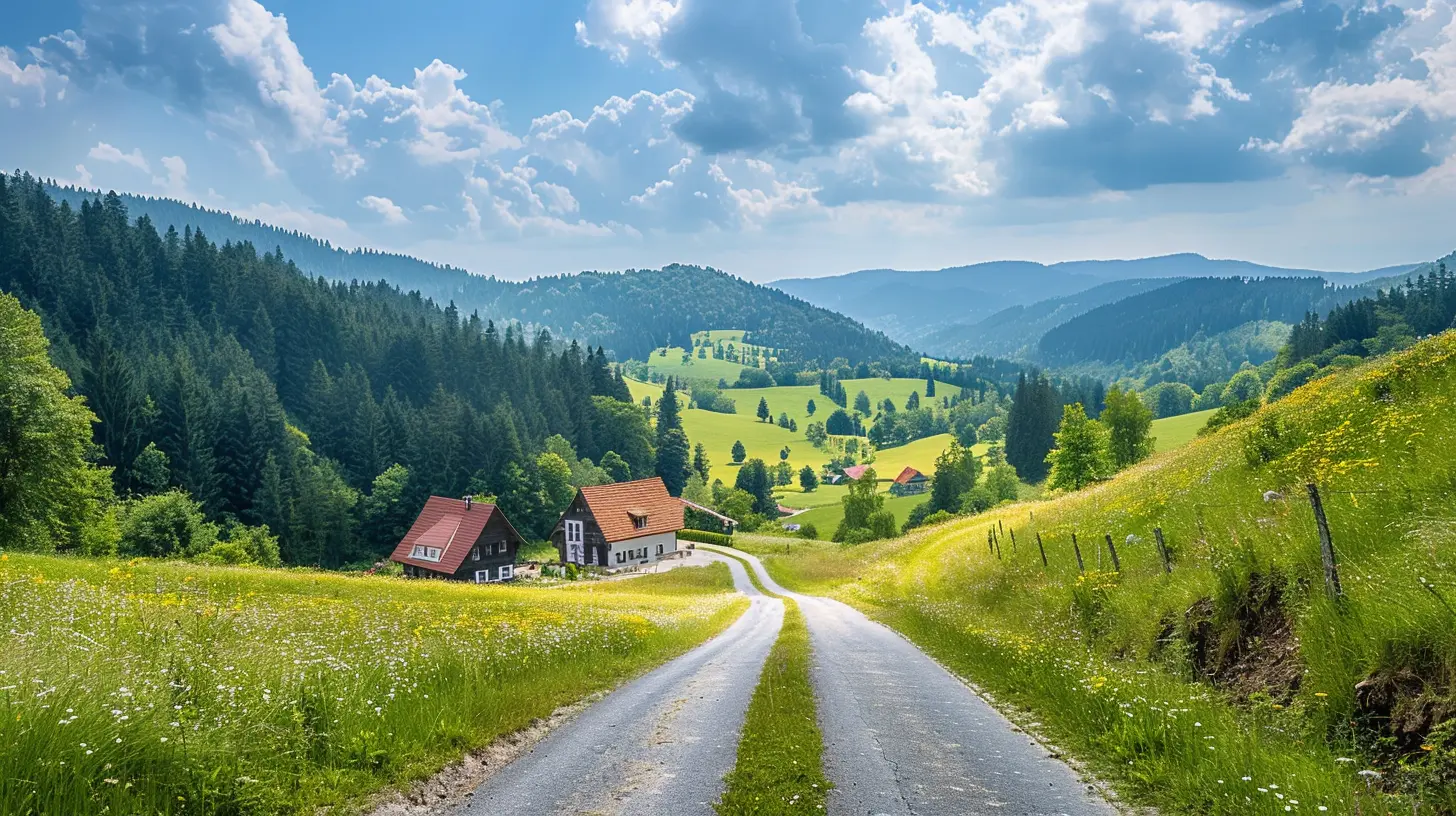
Hotel choice in the Black Forest is really a question of trip style. Here is how the main bases compare.Baden-Baden: Elegant but Peripheral
Baden-Baden offers world-class spa facilities, the Friedrichsbad and Caracalla, plus a refined restaurant and cultural scene. It is an excellent first or last night. It is not a good base for exploring the central or southern forest, since you will spend an hour or more each way on access roads.Choose it if you value urban comforts and spa culture. Skip it as a base if your priority is hiking or village life.
Freiburg: The Practical Hub
Freiburg im Breisgau sits at the western edge of the southern forest and functions as the region's most useful base. It has a major rail station, a walkable historic center, strong restaurants, and quick access to both the forest and the Rhine valley. Day trips to Titisee, the Feldberg, and even Colmar in France are feasible.The trade-off is that Freiburg is a city, not a forest village. If you want to wake up to silence and birdsong, it will not deliver that. If you want flexibility, good food, and reliable infrastructure, it is hard to beat.
Titisee and Titisee-Neustadt: Convenient but Crowded
Titisee is the most famous lake in the Black Forest and the most tourist-saturated shoreline. Hotels here are convenient for families and for anyone who wants lake access without effort. In peak season, the lakeside promenade is busy and parking is a real constraint.A better compromise for many travelers is staying in a smaller village nearby, such as Feldberg or Barental, and driving to the lake for a morning swim.
Triberg: Central but Commercial
Triberg has the waterfalls, the clocks, and the central location. It also has the most concentrated tourist commerce in the region. Staying here works if you want walkable access to the falls and plan to move on quickly. For a week-long stay, most travelers do better elsewhere.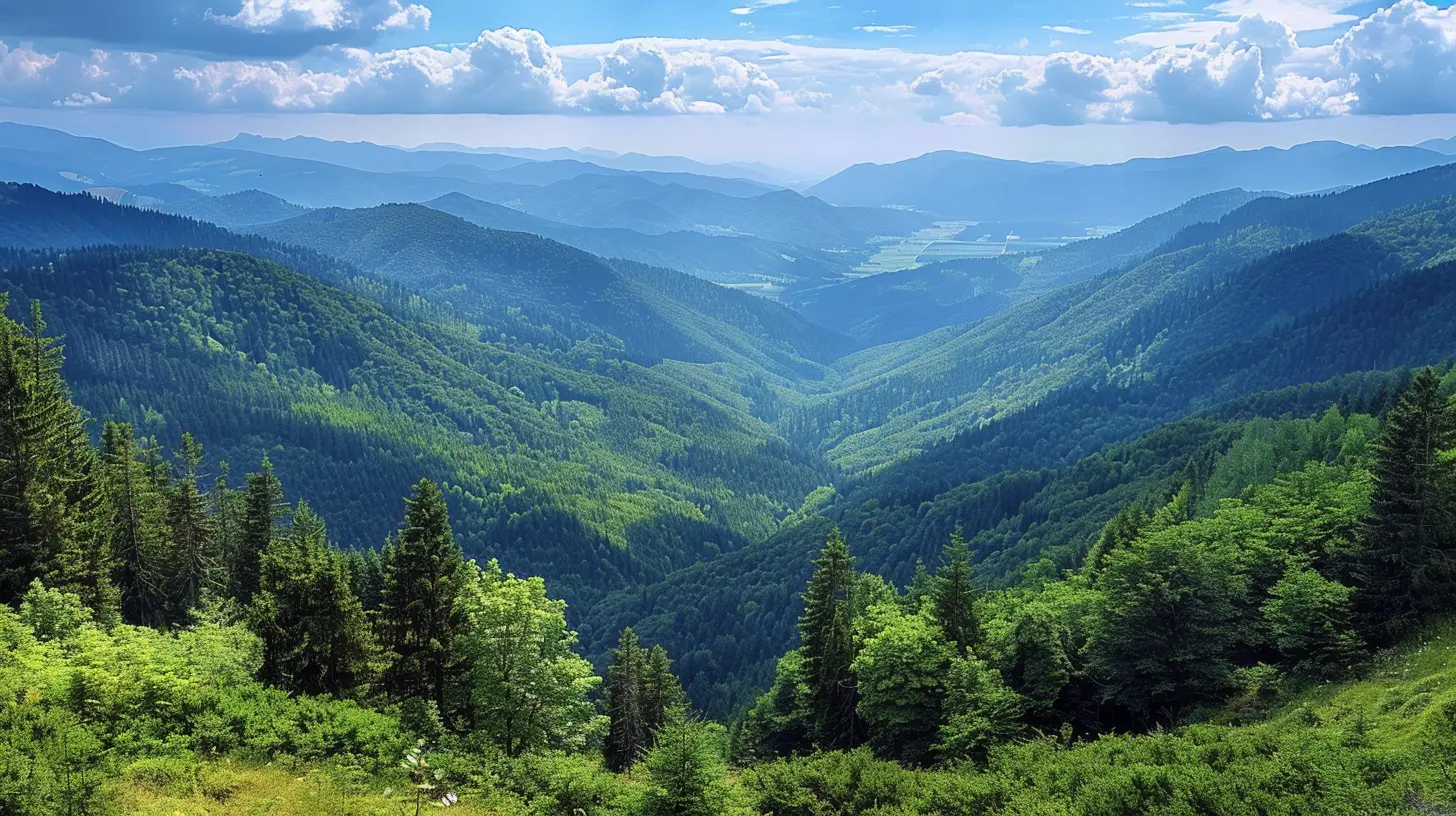
Driving the Region: What Nobody Tells You
Rental Car Realities
A car is close to essential for the full Black Forest experience. Rail connections exist, particularly along the Rhine valley and to Freiburg, but many of the best villages and trailheads are poorly served by public transport.When booking, consider engine size and transmission. The mountain roads are well graded, but a small, underpowered car with a full load struggles on steep climbs, and manual transmission is still common in German rental fleets. If you are not comfortable with a manual on winding roads, book an automatic well in advance, as availability is limited.
Also confirm cross-border permissions if you plan to dip into France or Switzerland. Most rentals allow it, but some require notification and a fee.
Parking and the Village Problem
The Black Forest's prettiest villages were built for horses, not cars. Parking is limited, often paid, and sometimes restricted to residents. The practical solution is to use designated Park and Ride lots at larger towns and walk or cycle into the small villages. In Titisee and Triberg, arrive before 10:00 or accept a longer walk.Speed Limits and Road Etiquette
German speed limits on rural roads are typically 100 km/h, with 70 or 80 km/h through villages, and strict enforcement via fixed and mobile cameras. The bigger issue is local drivers who know the roads and will close gaps quickly. Pull over at designated viewpoints to let faster traffic pass. It is courteous, and it makes the drive safer for everyone.Hiking and Outdoor Priorities
The Feldberg and High Elevation Trails
The Feldberg summit area offers the region's most alpine-feeling hiking, with exposed ridges and panoramic views toward the Alps on clear days. The cable car reduces effort if you want the view without the climb, though the walk up from Feldberg-Ort is manageable for most fitness levels.Be aware that the summit zone is a protected nature reserve with seasonal trail restrictions, particularly in winter for wildlife protection. Check signage rather than assuming a route is open.
The Schluchtensteig and Long-Distance Routes
For serious hikers, the Schluchtensteig is a 119-kilometer long-distance trail through the southern Black Forest's gorges and valleys, typically walked in five to six stages. It is well marked and genuinely challenging, with steep sections and variable terrain.The trade-off is logistics. Stage endpoints are not always well connected by bus, so plan transfers carefully or use a baggage transfer service. These services exist and are worth the cost if you want to hike without a heavy pack.
Waterfalls and Gorges
Triberg's waterfalls are the most famous and the most crowded. The Ravenna Gorge and the Wutach Gorge offer wilder scenery with fewer people. The Wutachschlucht in particular rewards a full day, but the trails include exposed sections and slippery rock, so proper footwear matters.
Food and Culture: Beyond the Clichés
Black Forest cake is real, and the good versions are excellent. The best ones use kirschwasser, the region's cherry brandy, and are found in traditional cafés rather than tourist-strip bakeries. Ask whether the kirsch is included; if it is not, you are eating a chocolate cream cake with a regional name.Beyond cake, the region's food culture centers on hearty, seasonal cooking: venison in autumn, trout from mountain streams, spaetzle, and smoked ham from the Black Forest's long tradition of curing. The ham is genuinely distinct, cold-smoked over fir and pine wood, and worth seeking out at farm shops rather than souvenir stands.
Wine is a common blind spot. The Black Forest itself is not wine country, but the adjacent Baden wine region along the western edge produces excellent Pinot Noir and Riesling. A day in the vineyards around Ihringen or Vogtsburg adds a dimension most forest itineraries miss.
Common Mistakes and How to Avoid Them
Mistake one: over-scheduling. The winding roads make ambitious itineraries miserable. Plan two or three stops per day, not five.Mistake two: chasing only the famous sights. Titisee and Triberg are worth seeing, but the region's character lives in smaller places like St. Peter, Glottertal, and the side valleys off the main routes.
Mistake three: ignoring weather patterns. The forest creates its own microclimate. Fog and rain can persist on the ridgeline while the Rhine plain is sunny. Build flexible days rather than rigid ones.
Mistake four: assuming English is universal. It is widely spoken in hotels and larger restaurants, but small village bakeries and farm shops may operate in German only. A few phrases go a long way.
Mistake five: underestimating winter driving. Snow chains may be required on mountain roads in winter conditions, and rental companies do not always include them by default. Confirm before booking a winter trip.
A Suggested Seven-Day Framework
For a balanced 2026 trip, consider this structure. Days one and two: Baden-Baden and the northern High Road, staying near Mummelsee or Freudenstadt. Days three and four: the central forest, with a stop at Vogtsbauernhof and a night near Triberg or Hornberg. Days five through seven: the southern forest, based in Freiburg or a village near Feldberg, with day trips to Titisee, the Feldberg trails, and the Baden vineyards.This sequence follows the terrain from gentle to dramatic, which mirrors how the region reveals itself. It also puts the most crowded stops mid-trip, when you have already found your rhythm and can handle them with better timing.
Final Thoughts
The Black Forest rewards specificity. The travelers who love it most are the ones who picked a valley, walked it slowly, ate where the locals eat, and drove the famous roads at the right hours rather than the busy ones. In 2026, with more visitors expected across German regions and changing seasonal patterns, that specificity matters more than ever. Choose your zone, protect your mornings, and leave room for the unplanned stop at a farm shop or a viewpoint you did not read about. That is where the region actually lives.
all images in this post were generated using AI tools
Category:
Iconic RoutesAuthor:

Reed McFadden