The Best National Parks for Responsible Wildlife Watching
1 June 2026
Imagine standing still, the wind whispering through towering pines, a bald eagle soaring above, its call slicing through the silence. Beneath your boots, the earth pulses with life — a world teeming with creatures, each with a role, a rhythm, a story. That’s what wildlife watching in national parks is all about. But here’s the twist — doing it responsibly makes all the difference.
Whether you’re a binocular-slinging bird lover or you just want to lock eyes with a moose once before you kick the bucket, this guide is for you. It's more than just a list. It's a heart-to-heart with nature, whispered across valleys and echoed through canyons.
Let’s dive into the best national parks for responsible wildlife watching — places where life thrives, and visitors walk softly, leaving only footprints, not regrets.
Why Responsible Wildlife Watching Matters
Before we unleash the list, let's take a moment. Why does this even matter?Wildlife watching isn't just about spotting animals and snapping pics for your Instagram. It’s about witnessing creatures on their turf, in their tempo. When we respect nature’s rhythm and give animals the space to be wild, something beautiful happens — they trust us enough to stay visible.
Irresponsible watching — like approaching too close, feeding animals, or being noisy — stresses animals out. It disrupts their routines, their feeding, and even their parenting. We’re guests in their home, remember?
So how do we get it right? Simple:
- Keep your distance (bring binoculars, not your selfie stick).
- Be quiet and patient.
- Stay on trails.
- Never, ever feed the animals.
- Follow park rules like your vacation depends on them (spoiler: it does).
Alright, let’s pack our daypacks, grab our sense of wonder, and head into the wild.
1. Yellowstone National Park, Wyoming, Montana & Idaho
Star Species: Bison, grizzly bears, wolves, elkYellowstone is basically the superstar of wildlife watching — think of it as nature’s Broadway. It's not a matter of if you’ll see wildlife, but when and how many. Herds of bison roam the Hayden and Lamar Valleys like ancient kings. Elk bugle like brass instruments in the fall. And if you’re lucky, you might spy a wolf silhouetted against the dawn.
But you’ve got to play it cool. Yellowstone’s animals are famously wild — and unpredictable. Park Rangers remind visitors constantly: stay at least 100 yards from bears and wolves, and 25 yards from everything else. That selfie with a bison? Not worth a trip to the ER. Watch from afar, let them be majestic.
Pro Tip: Visit in the early morning or at dusk — wildlife is most active when the tourists are still snoozing or heading to dinner.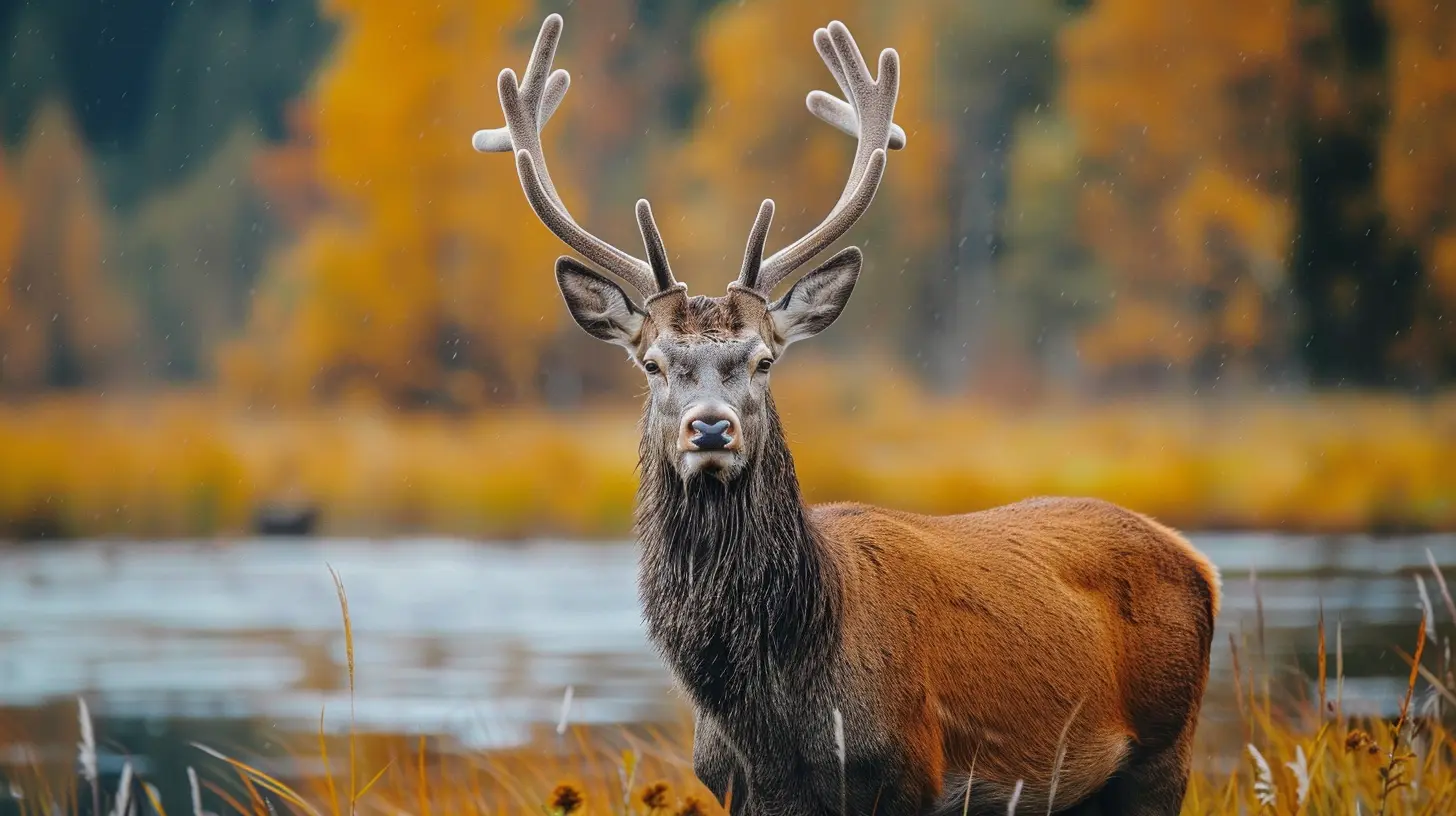
2. Denali National Park, Alaska
Star Species: Moose, caribou, wolves, Dall sheep, grizzly bearsAlaska herself feels like a final frontier, and Denali is her crown jewel. With only one road cutting through this vast wilderness, wildlife often wanders right up to the park vehicles, giving you front-row seats to raw, untamed beauty.
Want to see wolves trotting across a tundra ridge? Or a moose wading chest-deep in a glacial river? This is your place. But take note: Denali limits private vehicle access to protect the ecosystem. Most visitors ride the shuttle buses — and it works. Less traffic, more wildlife.
Responsible Watching Tip: The shuttle drivers are trained to spot and stop for wildlife, but keep your noise down and resist the urge to stand up for a better view. Movement inside the bus can spook animals.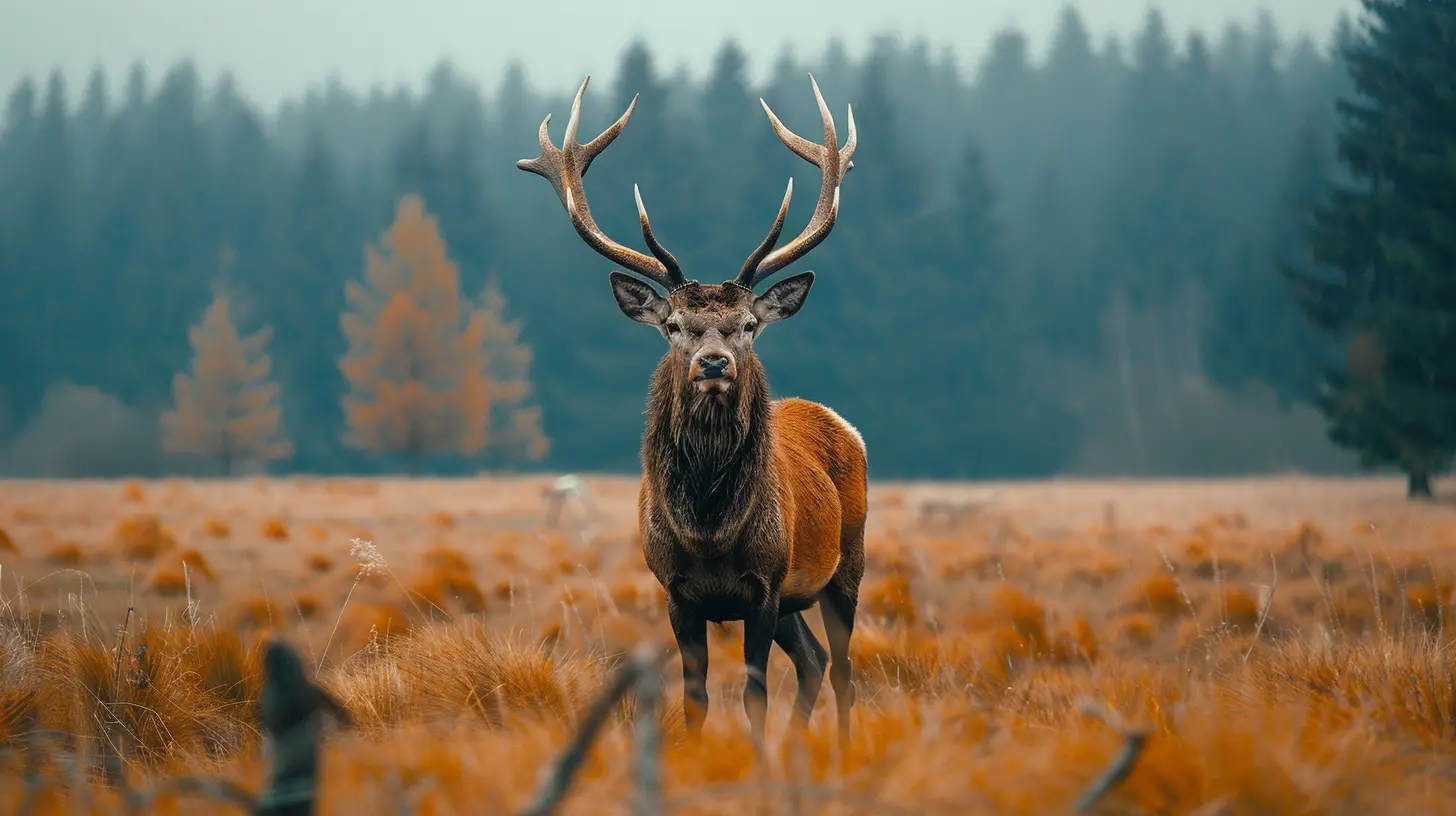
3. Everglades National Park, Florida
Star Species: Alligators, manatees, wading birds, panthersThe Everglades isn’t your typical forest-and-mountain kind of park. It’s a river of grass — slow-moving, mysterious, and teeming with life. Here, you’ll see eyes glinting just above the water (hello, alligators) and great egrets sweeping the sky like living kites.
Responsible wildlife watching here means staying mostly on boardwalks or taking slow, silent paddles through mangrove tunnels. The silence is everything — it allows you to hear the rustle of a gator slipping into the water or the whoosh of a manatee coming up for air.
Golden Rule: Do not ever feed the wildlife, especially the gators. It changes their behavior — and not in ways that end well for anyone.
4. Glacier National Park, Montana
Star Species: Mountain goats, grizzlies, marmots, mooseGlacier is like nature’s cathedral — towering peaks, crystal lakes, and wildlife so bold it seems like it was cast for a documentary. Mountain goats cling to craggy cliffs like white ghosts, and marmots whistle warnings from their rocky hideouts.
But with popularity comes pressure. Crowds can stress wildlife, especially when folks venture off-trail for that perfect shot. Don’t be that guy.
Wildlife-wise Wisdom: Bring a zoom lens and stay patient. Glacier's Going-to-the-Sun Road offers jaw-dropping views — and a pretty sweet chance of catching wildlife without ever leaving your car.
5. Great Smoky Mountains National Park, Tennessee & North Carolina
Star Species: Black bears, white-tailed deer, salamanders, wild turkeysWelcome to the salamander capital of the world — yep, you read that right. The Smokies are a moist, misty wonderland, home to more than just the Southern stereotypes. It’s alive with subtle magic.
Black bears are the park's unofficial mascots, and while seeing one is exciting, it’s also time for your best behavior. Stay in your car, give them space, and for heaven’s sake, don’t lure them closer with snacks. Once a bear becomes food-conditioned, it almost always ends badly — for the bear.
Insider Tip: Roaring Fork Motor Nature Trail is excellent for spotting bears during early morning or late afternoon drives.
6. Olympic National Park, Washington
Star Species: Roosevelt elk, sea otters, black bears, bald eaglesFrom moss-draped rainforests to tidepools brimming with colorful life, Olympic offers a smorgasbord of ecosystems. Roosevelt elk roam the Hoh Rainforest like ancient spirits, and coastal excursions reward you with sea stars, sea otters, and those salty eagles in full glory.
This park gives you front-row seats to both forest and sea wildlife — but you’ve got to tread lightly. Stay on paths in the rainforest to avoid crushing tiny plants and insects, and don’t disturb tide pool creatures by poking or picking them up.
Tidepool Tactic: Visit during low tide, move slowly, and act like a guest in someone’s very fragile house.
7. Grand Teton National Park, Wyoming
Star Species: Moose, bison, pronghorns, bearsPicture towering peaks mirrored in still lakes, and in their shadow, a moose munching willows or a pronghorn dashing across the flatlands like a four-legged comet. That’s Grand Teton — it’s as if Monet painted a mountain range and sprinkled it with wildlife.
Unlike its big brother Yellowstone, Grand Teton feels more intimate. Wildlife sightings tend to happen in quieter moments, often near water. But, again, respect is key.
Ethical Watching Tip: Use pullouts and designated viewing areas. Don’t stop in the middle of the road when you spot a herd — traffic jams aren’t just annoying, they’re dangerous for animals trying to cross.
8. Katmai National Park, Alaska
Star Species: Brown bearsLet’s cut straight to it — people come to Katmai for one reason: bears. And not just any bears. We're talking full-on, salmon-snatching, river-dwelling brown bears, often seen at Brooks Falls performing their iconic fishing leaps.
Incredibly, Katmai has strict rules that let you get close — from designated platforms — while keeping the bears safe and wild. These platforms are gold for photographers and mindful travelers alike.
Must-Do: Practice the “bear-mindful” behavior the rangers teach you upon arrival. If a bear approaches, yield the trail and never run. Think of yourself as a respectful roommate in the bear’s backyard.
9. Rocky Mountain National Park, Colorado
Star Species: Elk, marmots, bighorn sheep, mooseHigh-altitude meadows, alpine lakes, and jagged peaks welcome you to one of the best places in the country to see elk. Every fall, Estes Park hosts the “Elk Rut,” where males battle it out in antler-clashing duels for attention. It’s loud. It’s wild. It’s nature’s WWE.
Just remember — these aren’t tame animals. They’re wild, hormonal, and not shy about charging if provoked.
Pro Strategy: Stick to zoom lenses and look for wildlife early in the morning when the park is cloaked in foggy magic and free of tourists.
Tips For Being a Top-Tier Wildlife Watcher
Forget the checklist. Responsible wildlife watching is about connection, not collection. Want to be the kind of visitor animals don’t mind having around? Here's how:- Go slow. Nature rewards patience, not speed.
- Stay quiet. Your silence is a gift to the wild world.
- Pack binoculars and a camera with zoom. No need to invade a critter’s comfort zone.
- Follow the rules. Every trail sign tells a story — listen.
- Join guided tours. Rangers and naturalists know the habits and hideaways of native species. Plus, they’re full of juicy facts.
The Real Reward of Doing It Right
Sure, seeing a bear, an elk, or a herd of bison is a thrill. But the deeper reward? Knowing you did it right — that you left no trace, that you watched with wonder but without interference. That you were more than just a tourist — you were an ally to the wild.And that, friends, is the kind of memory that feels good long after your hiking boots are back in the closet.
Final Thoughts
In a world moving at the speed of Wi-Fi and instant gratification, wildlife watching asks us to slow down, be still, and simply watch. These national parks are not just destinations; they’re sanctuaries — not only for animals, but for ourselves.So go ahead. Pack that trail mix, lace up those boots, and head out. But go quietly, kindly, and ready to be amazed. Because the wild is still out there. And it’s waiting — for watchers, not intruders.
all images in this post were generated using AI tools
Category:
Sustainable TourismAuthor:

Reed McFadden
Discussion
rate this article
1 comments
Cash McLean
Bring binoculars, snacks, and a sense of adventure!
August 4, 2026 at 3:38 AM
Reed McFadden
Great tips! Binoculars and snacks make for a perfect wildlife adventure. Enjoy!