The Best Beaches for Sunset Picnics in 2027
24 October 2026
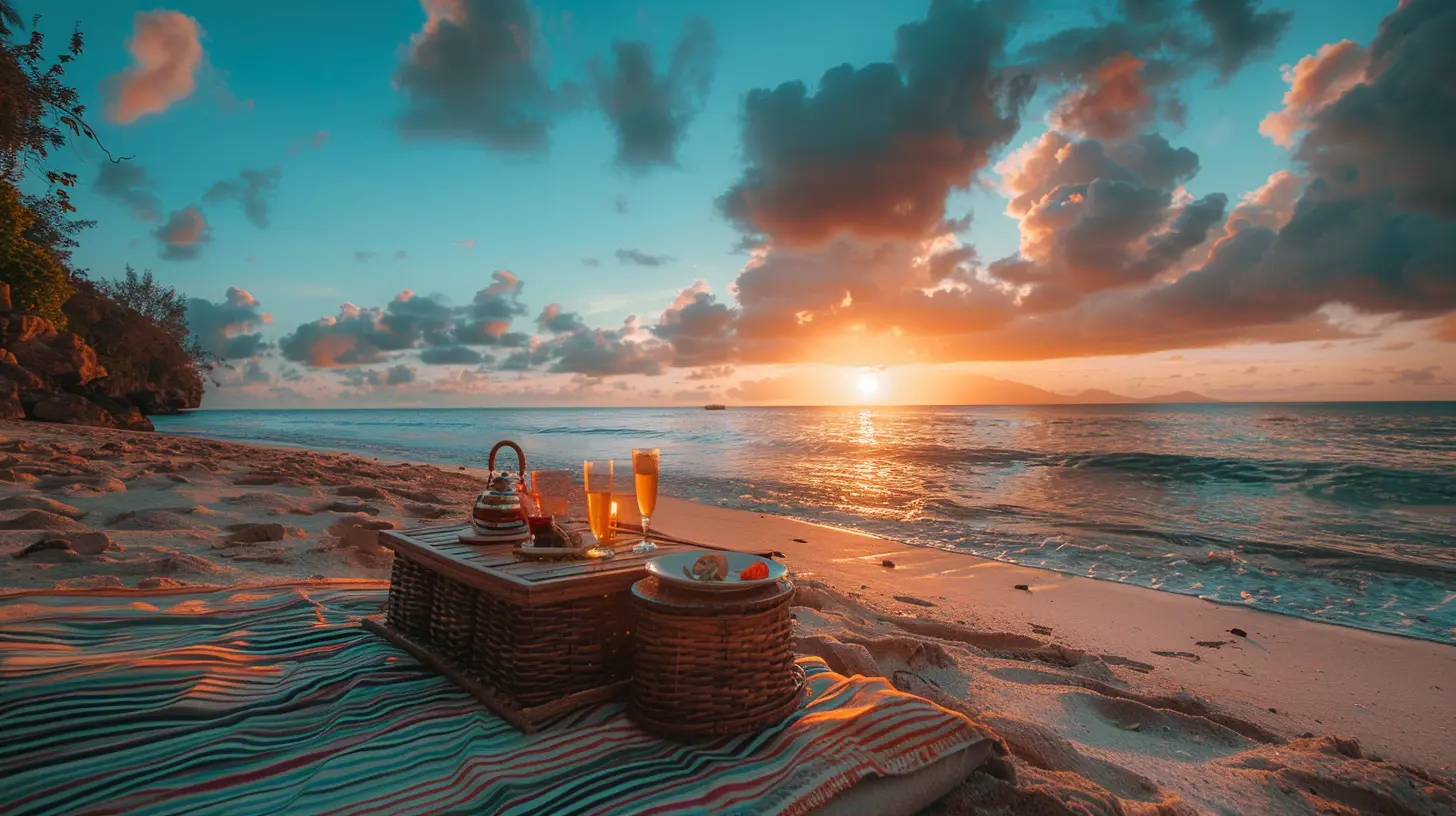
A sunset picnic sounds simple until you try to plan one. The light only works for about twenty minutes, the tide does not care about your schedule, and a beach that looks perfect on a map can turn out to be a wind tunnel at six in the evening. I have spent years planning coastal evenings for travelers, and the difference between a memorable sunset picnic and a frustrating one almost never comes down to the beach itself. It comes down to how well you match the beach to the season, the wind, the access rules, and the people you are bringing.
This guide covers the beaches worth building a 2027 trip around, but it also covers the reasoning behind each pick. You will find specific places, honest trade-offs, and the practical details that decide whether an evening works. Beach access rules, parking, and facilities change constantly, so treat every logistical detail here as a starting point to verify with official local sources before you commit. The judgment about which beach suits which kind of evening is the part you can rely on.
What Actually Makes a Beach Good for a Sunset Picnic
Most lists of sunset spots rank beaches by how the photograph looks. That is the wrong metric. A picnic involves sitting still for an hour or more with food, drinks, and often children or older relatives. The beach has to work as a place to stay, not just a place to look at.The Four Factors That Decide the Evening
Western exposure with a clear horizon. For an ocean sunset, you want the sun to meet the water, not a headland. A beach can face west and still lose the sun early behind a ridge or a row of hotels. Check a topographic map or a sun position app for the date you plan to visit, because the sun sets at a different point on the horizon in June than in October.Wind shelter. This is the factor people underestimate most. An onshore breeze of even moderate strength makes open sand uncomfortable, blows sand into food, and turns a relaxed evening into a short one. Beaches with dunes, headlands, or vegetation at their back offer shelter that open strands do not.
Tide window. A wide beach at low tide can be a narrow strip at high tide. If your picnic spot disappears under water, the evening ends badly. Know the tide table for your date and pick a beach where the high tide line still leaves dry sand above it.
Access that works after dark. You arrive in daylight and leave in twilight or darkness. Safe parking, a short walk, and ideally some lighting on the path matter more than they seem when you are carrying a cooler and a blanket back to the car.
Why Orientation Beats Beauty
A beach with dramatic cliffs and turquoise water can be a poor sunset picnic site if it faces east or if the cliffs block the western sky. Conversely, a modest town beach facing due west with a dune behind it often delivers a better evening than a famous scenic cove. When you compare candidates, rank orientation and shelter first, scenery second. The scenery is still there. The comfort is what makes the picnic last.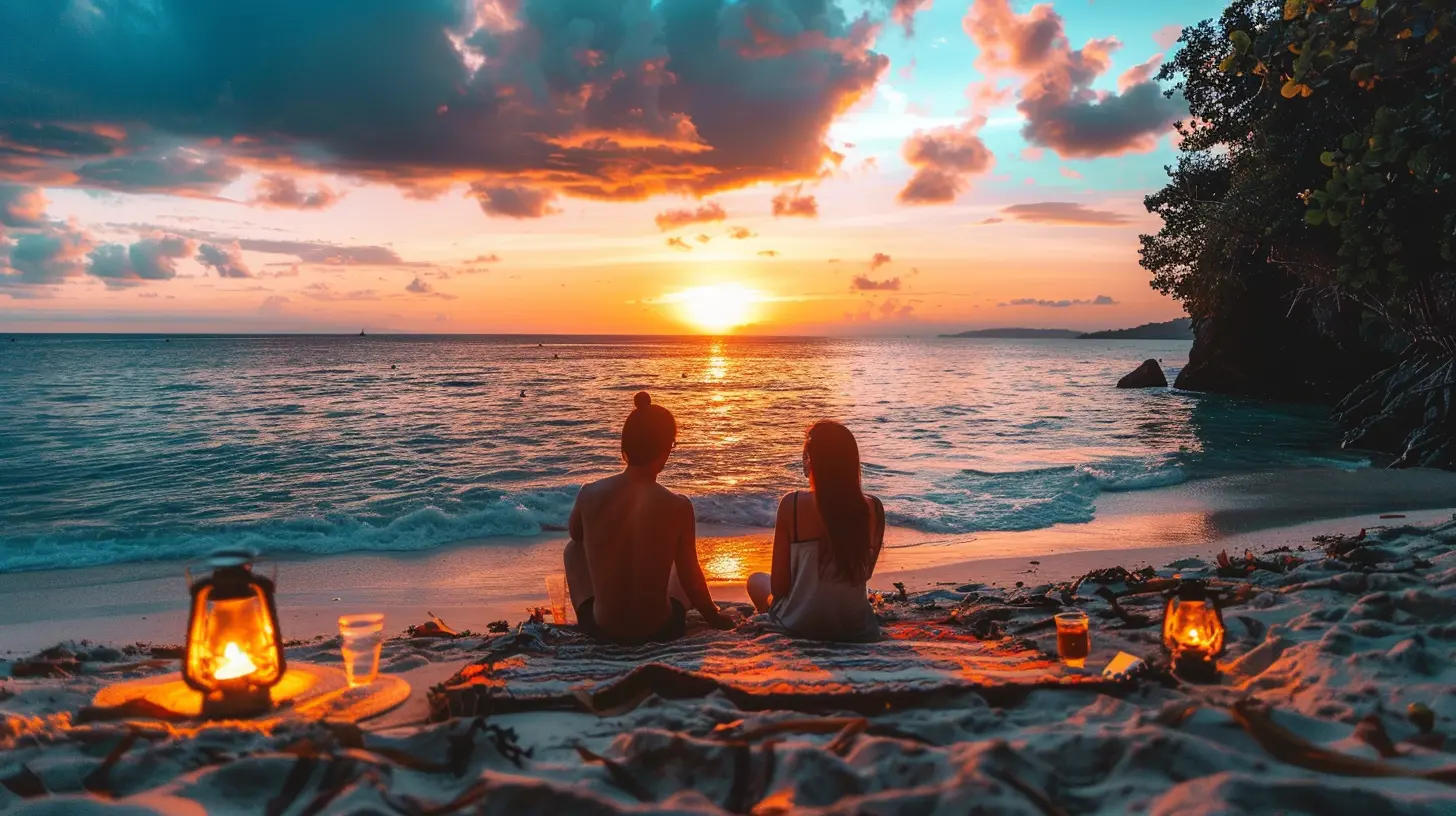
The Best Beaches for Sunset Picnics in 2027
The selections below span different regions and different kinds of evenings, from wild Atlantic strands to calm Mediterranean bays. Each entry explains why it works and what to watch for.1. Praia da Luz, Algarve, Portugal
This sheltered bay on Portugal's southern coast faces southwest and is framed by low cliffs, which gives it two advantages at once: the sun sets over open water for much of the year, and the cliffs cut the prevailing wind. The sand is broad even at high tide, and the town behind the beach means parking, cafes, and lit streets for the walk back.Why it works: the bay geometry creates a natural amphitheater for the sunset, and the developed edge removes the logistics stress that wild beaches impose. It suits families and groups who want a picnic with a backup plan if the weather turns.
Trade-offs: July and August bring crowds and higher parking pressure, and the town setting means less solitude. For a quieter evening, visit in May, June, or September, when the light is still long and the beach empties by late afternoon.
2. Cannon Beach, Oregon, United States
The long, flat strand and the sea stacks at Haystack Rock make Cannon Beach one of the most photographed sunset locations on the Pacific coast. The beach faces west with an unobstructed horizon, and the hard-packed sand at low tide gives you room to spread out.Why it works: the combination of a wide tidal flat, a clean western horizon, and the offshore rocks creates layered light that changes minute by minute. It is a genuinely spectacular evening when conditions cooperate.
Trade-offs: Pacific Northwest weather is the wildcard. Summer evenings can be foggy or windy, and the fog sometimes swallows the sunset entirely. Wind is common, so bring a proper windbreak and stake it down. Check tide tables carefully, because the best reflective pools appear at low tide and the water returns quickly. Parking in town fills on clear summer weekends, so arrive early enough to claim a spot before the afternoon rush.
3. Elafonisi, Crete, Greece
This beach on Crete's southwest corner faces west and south, with shallow lagoon water and pink-tinged sand. The shallow water warms quickly and stays calm, which makes it unusually safe for children during the evening.Why it works: the lagoon geometry means calm water even when the open sea is choppy, and the western exposure delivers a clean sunset over the water. The shallow flats reflect the sky, doubling the color.
Trade-offs: Elafonisi is remote, reached by a winding road, and the drive back after dark requires attention. Facilities are limited, so you carry in what you need and carry out what you bring. In peak season the beach is busy during the day, though it thins considerably toward evening. The wind can pick up in the afternoon, so a sheltered spot near the dunes is worth the extra walk.
4. Manly Beach, Sydney, Australia
Sydney's northern beach faces east, which sounds wrong for a sunset until you consider the geography. In summer, the sun sets behind the headland and the harbor side of the peninsula, and the western-facing Shelly Beach and the Manly Cove foreshore catch the last light beautifully. The ocean beach itself gives you the long twilight glow over the water after the sun has gone.Why it works: the peninsula offers both orientations within a short walk, so you can start on the ocean side and move to the cove as the light shifts. The ferry terminal, cafes, and lit promenade make the after-dark departure easy.
Trade-offs: this is a busy urban beach, so solitude is not on the menu. Summer evenings are crowded, and parking near the beach is difficult. The ferry is the smarter arrival method. Also note that the ocean beach faces east, so the actual sunset happens behind you. The appeal is the afterglow and the sky color, not a sun meeting the sea.
5. Playa Manuel Antonio, Costa Rica
This beach inside Manuel Antonio National Park faces west and sits in a cove backed by rainforest. The forest edge provides shade and shelter, and the water is calm enough for wading.Why it works: the combination of rainforest backdrop, calm cove water, and western exposure creates a sunset that feels enclosed and intimate rather than vast. Wildlife activity increases toward evening, which adds interest for families.
Trade-offs: park hours constrain the evening. The park closes in the late afternoon, so a true sunset picnic requires checking current closing times and whether evening access is permitted. Do not assume you can stay past closing. Verify rules with the park administration before planning. The beach can also be crowded during the day, and food attracts animals, so keep provisions sealed.
6. Bondi to Tamarama Coastal Walk Beaches, Sydney, Australia
The small beaches along this clifftop walk, particularly Tamarama, face east and south, so they are not classic sunset spots. But the clifftop parks above them face west and catch the sunset over the city skyline and the harbor. A picnic on the grass above the beach, with the ocean below and the skyline in the distance, is a different and often better experience than sand-level dining.Why it works: the elevated position gives you a wider horizon and shelter from sea breeze, and the grass is more comfortable than sand for a long sit.
Trade-offs: you are picnicking on a clifftop park, not a beach, so manage expectations if sand is essential. The area is popular and can be busy at sunset. Wind on exposed clifftops can be strong even when the beach below is calm.
7. Siesta Key, Florida, United States
The quartz sand stays cool underfoot, which matters for barefoot evening sitting, and the Gulf Coast orientation delivers sunsets directly over the water for much of the year. The beach is wide and gently sloping, so the high tide line leaves plenty of dry sand.Why it works: the combination of cool sand, warm shallow water, and a clean western horizon over the Gulf is close to ideal for a relaxed family picnic. The sand's fine texture also means less grit in food.
Trade-offs: Florida's summer brings afternoon thunderstorms and, in some years, seaweed or red tide issues that affect the water and air. Check local conditions before you go. Winter sunsets arrive early, sometimes before five o'clock, which compresses the evening. Spring break and summer weekends bring heavy crowds and parking congestion.
8. Durdle Door and the Jurassic Coast, Dorset, England
The shingle and sand beaches beneath the chalk cliffs of the Jurassic Coast face south and west, and the famous arch frames the sunset in a way few places can match. The light on the chalk is warm and dramatic in the hour before sunset.Why it works: the geology creates natural framing and reflected light, and the south coast often holds clearer evening skies than the west of England.
Trade-offs: this is a physically demanding site. The walk down to the beach is steep, and the climb back up in twilight is harder than most people expect. The beach is pebbly, which is uncomfortable for sitting without a thick blanket or mat. Tides and cliff safety require attention, and the area can be crowded with photographers at sunset. This is a beach for fit adults, not a casual family picnic.
How to Compare These Beaches for Your Trip
The right choice depends on the kind of evening you want. Here is a practical way to sort them.| Priority | Best matches | Why |
|---|---|---|
| Ease and family comfort | Praia da Luz, Siesta Key | Sheltered, developed, safe access after dark |
| Dramatic scenery | Cannon Beach, Durdle Door | Iconic landforms and layered light |
| Calm water for children | Elafonisi, Playa Manuel Antonio | Lagoon or cove geometry |
| Urban convenience | Manly, Bondi clifftops | Transport, food, lighting |
| Solitude | Shoulder-season Algarve, off-peak Oregon | Fewer crowds outside peak months |
If you are traveling with young children or older relatives, weight shelter and access heavily. If you are a photographer or a couple seeking atmosphere, weight horizon and landform. If you are unsure, pick a beach with a town behind it. The town is your insurance policy.
Timing the Evening Correctly
Sunset time is the anchor, but the picnic starts well before it. Plan to arrive ninety minutes before sunset. That gives you time to park, walk in, set up, and eat before the light show begins. Arriving thirty minutes before sunset means you spend the best light wrestling with a cooler.Check the sunset time for your exact date and location using a sun calculator, and cross-reference the tide table. The ideal window is a low or falling tide that reaches its low point near sunset, giving you maximum dry sand and reflective wet sand for photographs.
Twilight lasts longer than most people expect, especially in summer at higher latitudes. Civil twilight, when you can still see clearly without artificial light, often runs twenty to forty minutes after sunset depending on latitude and season. Plan your departure around the end of civil twilight, not the moment the sun disappears. At higher latitudes in summer, the afterglow can last an hour or more, which is a gift for a leisurely pack-up.
Practical Packing for a Beach Sunset Picnic
The gear list is short but specific. Each item solves a problem that will otherwise end your evening early.A windbreak. A proper stake-down fabric windbreak changes an exposed beach into a comfortable one. This is the single most valuable item for coastal picnics, and it is the one most people forget.
A thick blanket or mat. Sand holds cold, and a thin sheet does nothing. A padded picnic mat or a thick wool blanket keeps you warm as the temperature drops after sunset, which it does quickly near water.
Weighted plates and covered cups. Wind flips lightweight plates and fills open cups with sand. Lidded cups and a small weight on each plate are simple fixes.
Layered clothing. The temperature can fall noticeably within an hour of sunset. Pack a warm layer for each person even if the afternoon felt hot.
A headlamp or small lantern. You will pack up in the dark. A headlamp keeps your hands free, and a small lantern makes the blanket area safer for children.
A trash bag and a sealable food container. Leaving no trace is a basic obligation, and sealed containers keep food away from birds and animals, which become bold near popular beaches.
A physical or downloaded tide and sunset reference. Phone signal can be unreliable on remote beaches. Save the tide table and sunset time to your device before you leave.
Common Mistakes and Misconceptions
Mistake: assuming any west-facing beach works. Headlands, offshore islands, and buildings block the sun long before it reaches the horizon. Check the actual sightline for your date.Mistake: ignoring wind forecasts. A beautiful forecast temperature means little if the wind is onshore at a steady pace. Check wind speed and direction, and prefer beaches with natural shelter when wind is likely.
Mistake: planning around high tide. High tide at sunset can leave no dry sand at all on narrow beaches. Aim for low or falling tide.
Mistake: bringing glass and open flames. Many beaches prohibit glass and fires, and rules vary by jurisdiction. Check local regulations. A contained, permitted stove is usually safer than an open fire, and many beaches ban fires entirely.
Misconception: sunset is the best light. The twenty minutes after sunset often produce richer color than the moment of sunset itself. Do not pack up as soon as the sun dips.
Misconception: remote beaches are always better. Remote beaches offer solitude but remove your safety net. A town beach with facilities and lighting is often the better choice for groups with children or anyone with mobility limits.
Mistake: forgetting the exit. The walk back in darkness is where accidents happen. Scout the path in daylight, note the parking location, and carry a light.
Safety and Etiquette Considerations
Sunset picnics happen at the edge of the sea, and the sea does not pause for dinner. On beaches with significant tidal range, the water can return faster than expected, especially around sandbars and channels. Never set up in a position where a rising tide could cut you off from your exit route. On beaches with cliffs, avoid sitting directly beneath overhanging rock, and stay away from the base of cliffs where rockfall is possible.Wildlife matters too. On beaches where turtles nest, evening lighting and activity can disturb nesting females. Follow local guidance, keep lights low and pointed away from the water, and keep food sealed. On beaches with birds nesting on dunes, stay out of fenced areas.
Etiquette is straightforward. Keep music low or use headphones, give other groups space, take all trash with you including small items like bottle caps and fruit peels, and leave the sand as you found it. If a beach has a no-glass rule, respect it. These rules exist because broken glass in sand injures people for years.
Planning for 2027 Specifically
Beach access and facilities change, sometimes significantly, over a couple of years. Coastal erosion reshapes beaches, storm damage closes paths, and local authorities adjust parking, fees, and rules. Before your 2027 trip, verify three things for each candidate beach: current access rules and hours, parking arrangements and costs, and any seasonal closures or construction. Check the official website of the local municipality or park authority rather than relying on travel blogs, which go stale quickly.Also consider the calendar. Sunset times shift through the year, and school holidays drive crowds. Shoulder seasons, typically late spring and early autumn in temperate regions, often offer the best combination of long evenings, thinner crowds, and stable weather. In tropical regions, check the rainy season pattern for your destination, since afternoon storms can cancel an evening entirely.
If you are planning a trip around a specific beach on this list, build in a backup evening. Weather on the coast is variable, and having a second chance the next night removes the pressure to force a picnic through bad conditions.
Final Recommendations
Choose your beach by matching it to your group, not to a photograph. Families and mixed-age groups should favor sheltered, developed beaches like Praia da Luz or Siesta Key, where the logistics are simple and the exit is safe. Photographers and couples should favor the dramatic sites like Cannon Beach or the Jurassic Coast, accepting the wind, the tides, and the physical effort in exchange for the light. Urban travelers should use the Sydney peninsula, where public transport removes the parking problem entirely. Anyone planning a remote beach should treat the evening as a small expedition, with a scouted route, a tide plan, and a headlamp.The best sunset picnic is not the one at the most famous beach. It is the one where the wind is at your back, the tide is falling, the food is still warm, and nobody is rushing to leave before the light fades. Plan for those four conditions, and the beach you choose will matter less than the evening you have.
all images in this post were generated using AI tools
Category:
Sunset SpotsAuthor:

Reed McFadden