Sunset Spots That Will Inspire Your Next Vacation in 2027
9 October 2026
There is a moment, roughly twenty minutes before the sun touches the horizon, when the light changes character. Shadows stretch and soften. Colors warm up. Whatever you were doing suddenly seems less important than finding a good place to sit and watch. That moment is the reason people plan entire trips around a single hour of the day, and it is the reason sunset tourism has quietly become one of the most durable travel motivations of the past decade.
I have spent years chasing that light across coastlines, deserts, mountain ridges, and city rooftops. What I have learned is that a great sunset destination is never just about geography. It is about timing, orientation, weather patterns, crowd management, and your own willingness to walk fifteen extra minutes past where everyone else stops. This guide is not a list of pretty places. It is a framework for choosing where to go in 2027, why certain spots consistently deliver, and how to avoid the mistakes that turn a potentially magical evening into a disappointing one.
Why Sunset Travel Deserves More Planning Than You Think
Most travelers treat sunset as an afterthought. They finish a day of sightseeing, notice the sky turning orange, and scramble for whatever vantage point is closest. Sometimes that works. Often it does not, because the best sunset experiences require the same forethought as a good dinner reservation.Three factors determine whether a sunset delivers:
Geometry. The sun sets at a different point on the horizon depending on the time of year and your latitude. A bay that faces perfectly west in June may see the sun disappear behind a headland by September. Understanding this before you book saves you from standing in the wrong place at the right time.
Atmospheric conditions. Clear skies are actually not ideal. The most dramatic sunsets happen when high, thin clouds catch light from below after the sun has dipped beneath the horizon. A perfectly cloudless evening often produces a brief, flat display. A sky with scattered mid-level clouds can glow for forty minutes or more.
Crowd dynamics. The famous viewpoint is usually the most crowded and sometimes the least rewarding. The second-best viewpoint, a short walk away, often gives you the same light with a fraction of the people.
The travelers who consistently get great sunsets are not luckier. They simply understand these three variables and plan around them.
The Anatomy of a Great Sunset Destination
Before naming specific places, it helps to understand what separates a good sunset spot from a transcendent one. This matters because it lets you evaluate any destination on your own, rather than relying on someone else's list.Western Exposure and Unobstructed Horizon
The most basic requirement is a clear line of sight to the western horizon. This sounds obvious, but it eliminates more places than people realize. A beach on the east coast of a landmass will never give you a true ocean sunset. A valley surrounded by peaks may lose the sun an hour early.That said, unobstructed does not mean featureless. The best sunsets often include a silhouette, a distant island, a rock arch, or a mountain profile that gives the light something to frame. Pure ocean horizon is beautiful but visually simple. A distinctive foreground element adds depth and gives your photographs a sense of place.
Altitude and the Afterglow Effect
Higher elevation extends the show. If you are standing at sea level, the sun disappears and the light fades within minutes. At 1,500 meters or more, you remain in the sun's indirect glow longer, and the sky often holds color well past the official sunset time. This is why mountain viewpoints and elevated coastal headlands consistently outperform beaches.The trade-off is temperature and wind. High spots get cold fast once the sun drops, and the windchill can cut an evening short. Bring a layer even in summer.
Water, Dust, and Color Saturation
Two very different environments produce the most saturated sunsets: large bodies of water and dry, dusty atmospheres. Water reflects and amplifies color across a wide field of view. Dust and aerosols scatter light in ways that deepen reds and oranges. This is why desert sunsets and coastal sunsets both feel more intense than sunsets over green farmland.If you want maximum color, look for places that combine both: a desert coastline, a volcanic island, or a dry lake basin.
Sunset Spots Worth Building a Trip Around in 2027
The following destinations are not ranked. They represent different types of sunset experiences, and the right one for you depends on what kind of traveler you are.Santorini, Greece: The Classic, and Why It Still Works
Santorini's Oia sunset has been photographed so many times that it has almost become a cliche. Yet the reason it endures is genuine: the caldera faces west, the white buildings reflect warm light, and the geography creates a natural amphitheater.The problem is the crowd. In peak season, thousands of people pack the narrow walkways of Oia, and the experience can feel more like a concert than a quiet evening. The solution is not to skip Santorini but to reposition yourself.
Consider these alternatives within the same island:
- Imerovigli. Higher elevation, fewer people, and a wider view of the caldera.
- Akrotiri's lighthouse area. A longer drive, but you get the sunset with space to breathe.
- A caldera-facing hotel terrace. Expensive, but if sunset is your priority, this is the most comfortable way to experience it.
The best time to visit is late May or early October. You get warm light, manageable crowds, and lower prices.
Key West, Florida: Predictable, Accessible, and Underrated
Key West has a reputation as a party destination, but its sunset culture is genuinely distinctive. Mallory Square hosts a nightly gathering with street performers, and the sunset itself is reliably good because the island faces west across open water.What makes Key West interesting is the consistency. The weather is warm year-round, the horizon is clean, and the experience is accessible to almost anyone. It is a good choice for families, for travelers who want a sunset without a hike, and for anyone visiting the United States who wants a low-stress option.
The trade-off is that it lacks drama. There is no mountain silhouette, no dramatic cloudscape guaranteed, and the crowd is part of the experience whether you want it or not. If you prefer solitude, head to Fort Zachary Taylor State Park instead, where you can watch the same sun set from a quieter beach.
The Atacama Desert, Chile: For Travelers Who Want Something Unusual
The Atacama is one of the driest places on Earth, and that aridity produces sunsets with an intensity that is hard to find elsewhere. The sky turns deep orange, then magenta, then a violet that lingers long after the sun is gone.The Valley of the Moon, near San Pedro de Atacama, is the most popular viewpoint. It faces west across a landscape of salt formations and sand dunes, and the light interacts with the terrain in ways that feel almost alien.
A few practical notes:
- Altitude is significant. San Pedro sits at roughly 2,400 meters, and some viewpoints are higher. Give yourself a day to acclimatize.
- Temperatures drop sharply after sunset. A down jacket is not overkill.
- Tours fill up. Book in advance, or rent a car if you are comfortable driving on unpaved roads.
The Atacama is not a casual destination. It requires planning, and the altitude affects some travelers more than others. But for a sunset that feels genuinely different from anything else, it is hard to beat.
Uluru, Australia: When the Subject Is the Sunset
At Uluru, the sunset is not really about the sky. It is about what happens to the rock. As the sun drops, the monolith shifts through a sequence of colors, from ochre to burnt orange to a deep, glowing red. It is one of the few places where the landscape itself, not the sky, is the main event.The designated sunset viewing areas are well organized, with parking and clear sightlines. The experience is communal but not chaotic. Bring a chair, some snacks, and patience. The color change happens gradually and rewards those who stay past the initial burst.
One consideration: respect for the site matters. Uluru is sacred to the Anangu people, and visitors are expected to follow local guidance. The sunset viewing areas are designed to allow appreciation without intruding on cultural sensitivities.
Cape Town, South Africa: A City That Does Sunset Well
Cape Town has an unusual advantage: it faces west across the Atlantic, and it has mountains. That combination produces sunsets with both a clean horizon and dramatic foreground.Signal Hill is the most popular spot, and for good reason. You get a panoramic view of the city, Table Mountain, and the ocean, all in one frame. The crowd is lively but not overwhelming, and the drive up is straightforward.
For something quieter, consider:
- Chapman's Peak Drive. A coastal road with multiple pullouts facing west.
- Bloubergstrand. A beach across the bay with a direct view of Table Mountain silhouetted against the sunset.
- Lion's Head. A hike, but the payoff is a 360-degree view that includes the sunset over the ocean.
Cape Town's sunset season is strongest in the summer months, from November to February, when the sun sets later and the weather is most reliable.
The Amalfi Coast, Italy: Sunset as Part of a Larger Experience
The Amalfi Coast is not primarily a sunset destination. It is a food, culture, and coastline destination that happens to have excellent sunsets. This distinction matters, because travelers who come only for the sunset may be disappointed by the geography. The coast faces south, so the sun sets behind the mountains rather than over the sea.That said, the indirect light is beautiful. The cliffs catch the warm glow, the towns turn golden, and the sea reflects the sky. Positano and Ravello both offer excellent evening views, and the atmosphere is hard to match.
The best approach is to treat sunset as one part of a longer evening. Have a drink on a terrace, watch the light change, then walk to dinner. The Amalfi Coast rewards travelers who slow down.
How to Choose the Right Sunset Destination for You
With so many options, the decision comes down to a few personal factors.Effort tolerance. Some sunsets require a hike, a long drive, or an early reservation. Others are a short walk from a parking lot. Be honest about how much effort you are willing to invest.
Crowd tolerance. If crowds ruin the experience for you, prioritize lesser-known spots or travel in shoulder season. If you enjoy the communal atmosphere, the famous spots can be genuinely fun.
Weather reliability. Some destinations have consistent sunset conditions. Others are a gamble. If sunset is the main reason for your trip, choose a place with a stable dry season.
Budget. Sunset itself is free, but access is not. A caldera-view hotel in Santorini costs far more than a beach in Key West. Decide what you are willing to pay for convenience and comfort.
Travel companions. A romantic sunset for two looks different from a sunset with young children. Plan accordingly.
Common Mistakes That Ruin a Sunset Experience
Even well-prepared travelers make mistakes. These are the ones I see most often.Arriving Too Late
Sunset is not a single moment. The best light often begins thirty to forty minutes before the sun reaches the horizon and continues for twenty to thirty minutes after. If you arrive at the moment of sunset, you have already missed the best part. Aim to arrive at least an hour early.Ignoring the Return Trip
A viewpoint that is easy to reach in daylight can be difficult to navigate in the dark. Check the route back, bring a flashlight or use your phone, and consider whether you want to drive on unfamiliar roads at night. This is especially relevant for mountain viewpoints and remote coastal areas.Assuming Clear Skies Are Best
As mentioned earlier, some cloud cover improves the show. Do not cancel your plans just because the forecast is partly cloudy. In fact, partly cloudy is often ideal.Forgetting About Wind and Cold
Temperature drops fast after sunset, especially near water or at altitude. A windproof layer makes a bigger difference than most people expect. Bring more than you think you need.Chasing Someone Else's Photo
The most photographed sunset spots are not always the best for you. A famous viewpoint may be crowded, difficult to access, or simply not aligned with your interests. Use other people's photos as inspiration, not as a checklist.
Practical Tips for Better Sunset Experiences
These are the habits that separate a good sunset from a great one.Check sunset time and azimuth. Free apps and websites give you the exact time and compass direction of sunset for any location and date. This lets you position yourself precisely.
Scout the location earlier in the day. Visit your chosen spot in the afternoon. Check the sightlines, the parking, and the walk. You will be far more relaxed when you return in the evening.
Bring a tripod if you plan to photograph. Handheld shots at dusk are often blurry. A small tripod or even a stable surface makes a big difference.
Stay past the crowd. Many people leave immediately after the sun disappears. The afterglow is often the most beautiful part. Wait at least twenty minutes.
Plan dinner nearby. Ending a sunset with a good meal turns a nice moment into a memorable evening. Choose a restaurant within walking distance so you are not rushing.
Looking Ahead to 2027
Travel patterns are shifting. Overtourism is pushing more travelers toward lesser-known destinations, and sunset spots are no exception. Places that were quiet five years ago are becoming popular, and some famous spots are implementing reservation systems or visitor caps.For 2027, consider these trends:
- Shoulder season travel. May and September are increasingly attractive as peak summer becomes more crowded and expensive.
- Secondary destinations. Instead of Santorini, consider Milos or Naxos. Instead of Key West, consider Anna Maria Island.
- Sunrise as an alternative. The same locations that deliver great sunsets often deliver great sunrises with far fewer people. If you are willing to wake early, you can have a world-class view almost to yourself.
The core appeal of a sunset does not change. It is a daily reminder that the world is large, that light is temporary, and that sitting still for a few minutes is worth the effort. Plan well, choose wisely, and give yourself permission to simply watch.
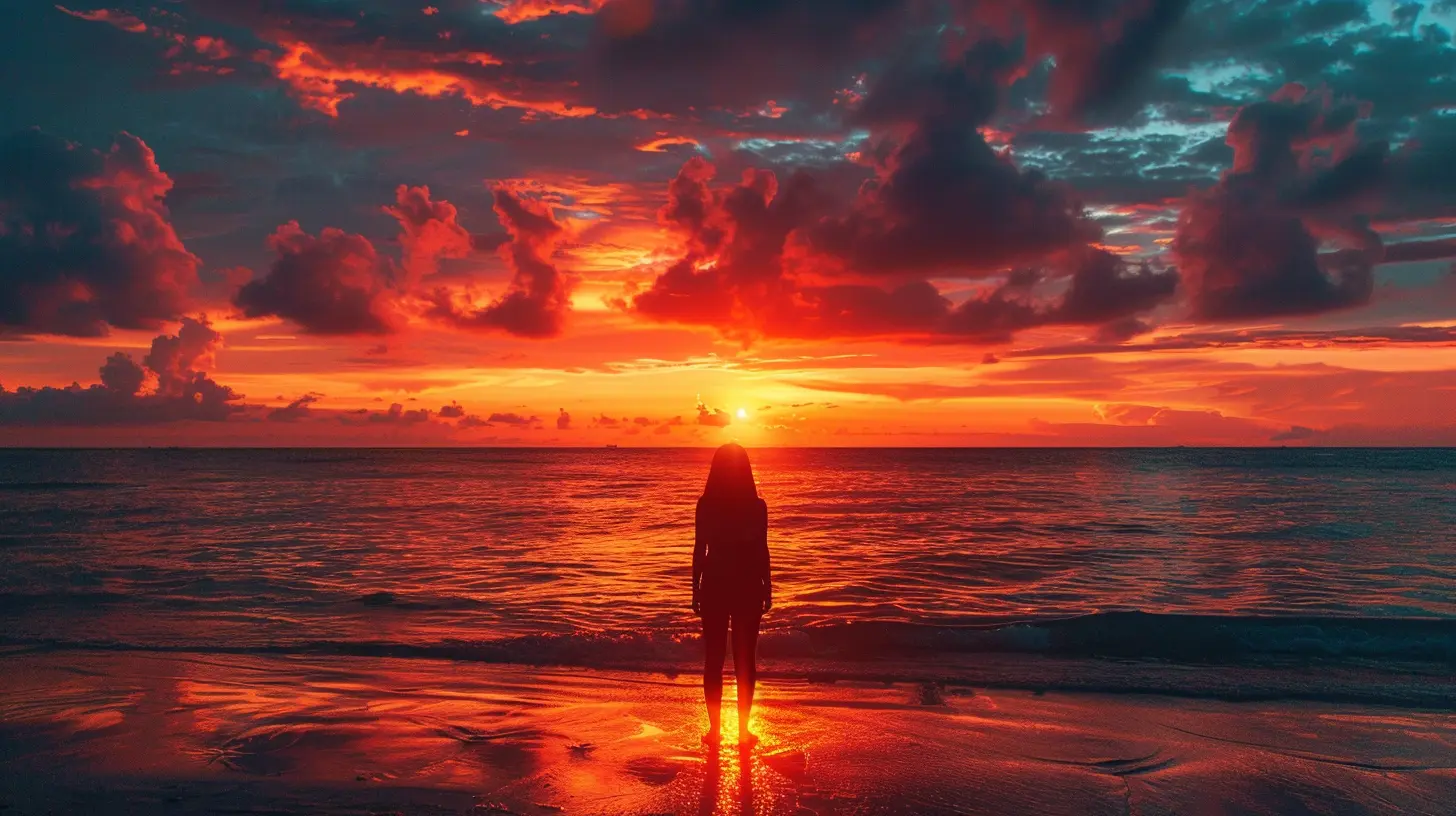
all images in this post were generated using AI tools
Category:
Sunset SpotsAuthor:

Reed McFadden