Street Food and Sustainability: A Delicious Partnership
25 March 2026
Let’s be honest: there’s something magical about street food. It's fast, flavorful, and often ridiculously affordable. Whether it's tacos sizzling on a hot griddle in Mexico City, steaming momos on a street corner in Nepal, or a humble but fiery bánh mì in Vietnam, street food has an irresistible charm. But here’s the kicker—street food isn’t just satisfying our cravings; it’s quietly playing a surprising role in promoting sustainability.
Yep, you heard that right. The quick bite you grab on a bustling street market might just be doing more than feeding your stomach—it could be saving the planet too. So, how are hawker stalls and food carts contributing to a greener world?
Grab a snack (preferably from a street vendor) and let’s dig into this tasty and eco-friendly partnership.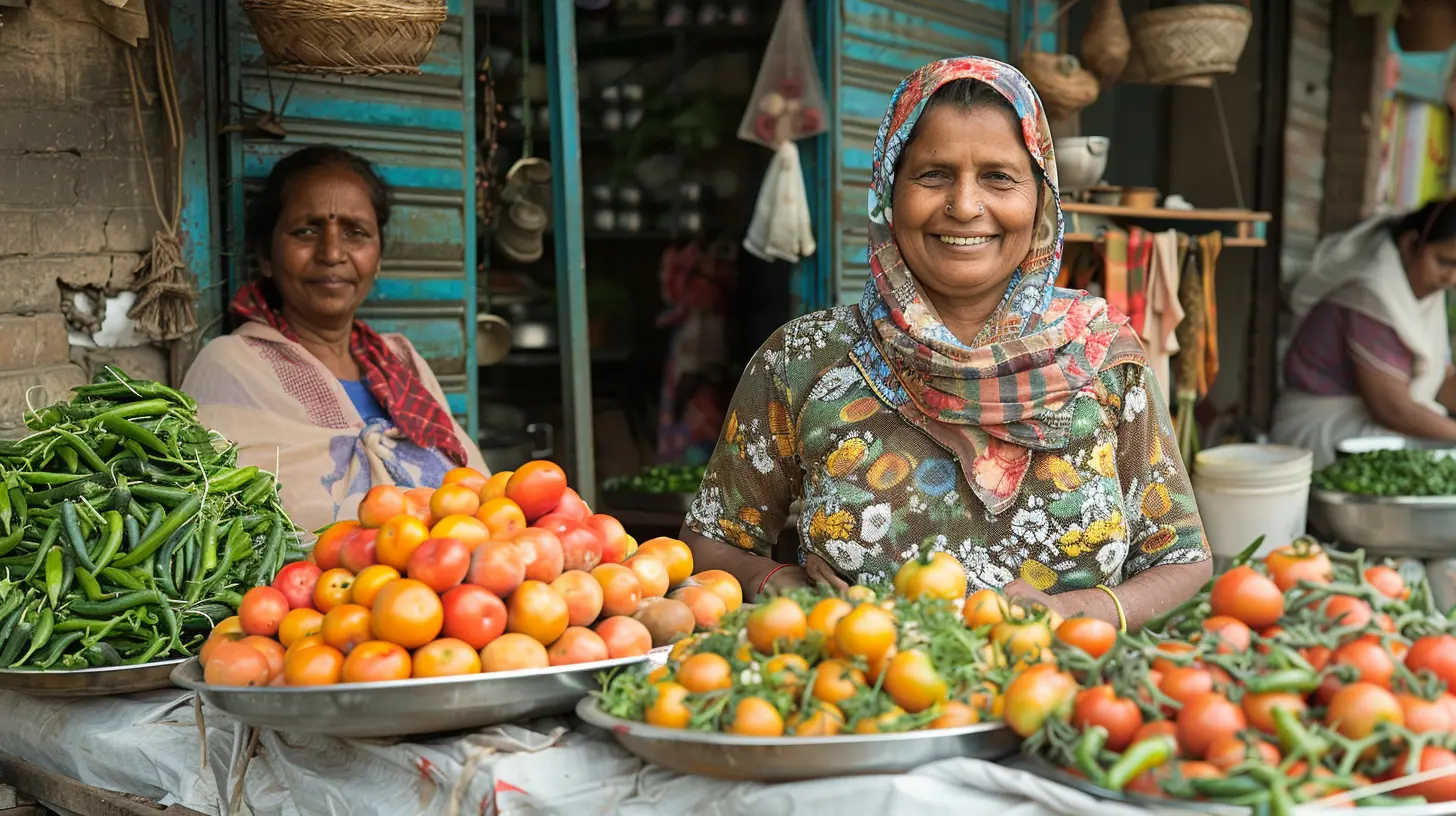
The Heartbeat of Local Economies
Let’s start with the obvious: street food keeps things local. And when it comes to sustainability, that’s a huge win.Street vendors source most of their ingredients close to home. Think of the lady selling crispy samosas down the lane—chances are, she bought her potatoes and spices from the neighborhood market. This cuts down on transportation emissions, and that’s a big deal for our carbon footprints.
Plus, supporting street food means supporting small businesses. These vendors are often locals who put their heart and soul into their food. By buying from them, you’re not just enjoying a delicious meal—you’re keeping money flowing within the community and reducing reliance on big food chains that often come with a massive carbon tag.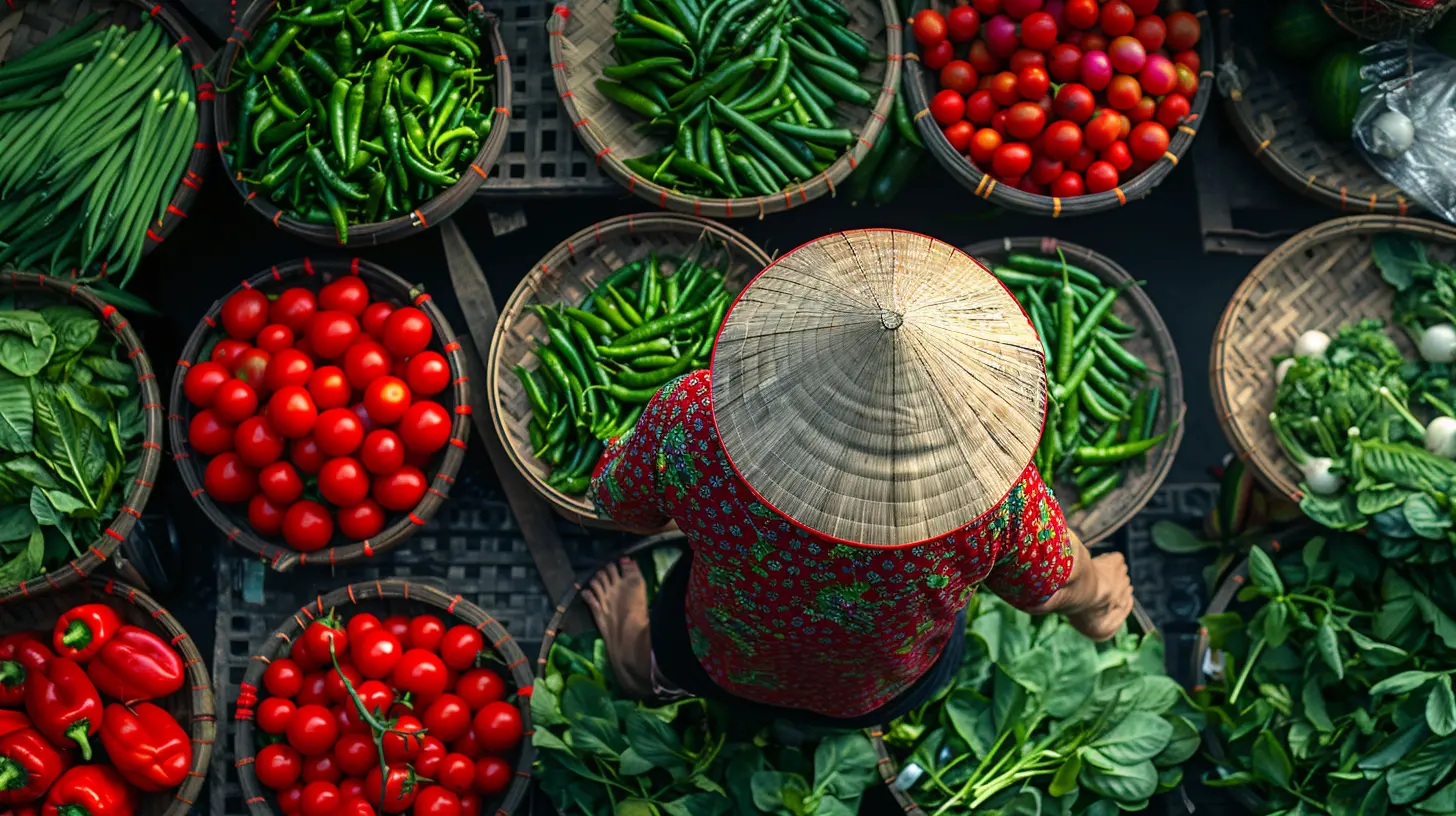
Less is More: Minimal Waste and Packaging
Have you ever noticed how little packaging comes with most street food? A taco might come wrapped in paper. A dosa might be served on a banana leaf. In many parts of the world, food is still served in reusable or biodegradable materials.Street vendors often operate on tight margins, so they naturally avoid waste. They buy what they need daily, cook in small batches, and use almost every bit of every ingredient. Unlike restaurants with huge kitchens and over-ordering habits, street food stalls don’t mess around—every onion, every slice of cheese, every grain of rice counts.
Some vendors even go a step further. In places like Thailand and parts of India, eco-conscious food sellers encourage customers to bring their own containers—a great step toward reducing single-use plastics.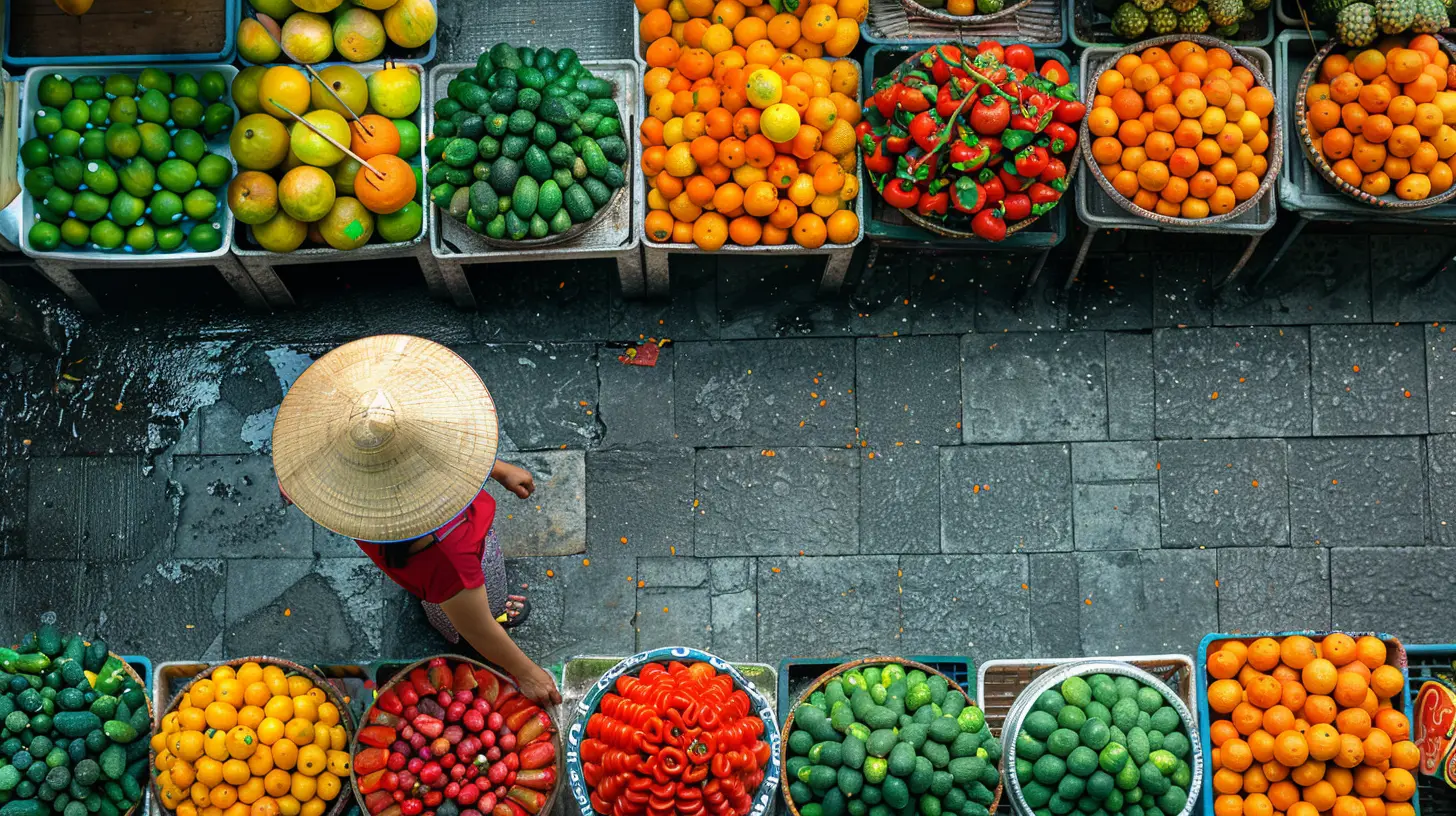
Plant-Based Before It Was Cool
Here’s a nice little twist: lots of traditional street food is already plant-based. Not because it’s trendy, but because it’s affordable, accessible, and deeply rooted in local food culture.Think falafel in the Middle East, veggie spring rolls in Southeast Asia, or black bean arepas in Latin America. These dishes are filling, flavorful, and completely meat-free. And that’s great news for the planet, because producing plants has a much lower environmental footprint than animal products.
So while the West is just catching on to the whole "Meatless Monday" movement, street food stands around the globe have been leading the charge—without even trying.
Local Ingredients, Seasonal Choices
Another reason street food and sustainability are such great buddies? Seasonality.Street food vendors don’t typically have access to exotic, imported ingredients. They rely on what’s in season and available locally. That means fewer food miles, fresher ingredients, and menus that change with the calendar—all of which are golden for sustainability.
Not to mention, seasonal produce is usually grown with fewer resources and less need for artificial preservation or long-distance shipping.
Your mango smoothie in the summer or roasted corn on a chilly day? They're not just delicious—they're smart, sustainable choices.
Cooking Methods that Save Energy
Compare a street food cart with your average brick-and-mortar restaurant. Guess which one uses less water and power?No giant dishwashers, no central air conditioning, no industrial refrigerators running 24/7. Many street vendors cook on small stoves, using minimal energy. Some even use alternative fuel sources like biomass or solar cookers.
Yes, not every vendor is 100% eco-efficient, but as a whole, the street food scene operates in a lean, energy-conscious way simply out of necessity. Efficiency isn't a value-added feature—it’s the default.
The Rise of Eco-Conscious Food Vendors
The new wave of street food isn’t just inspired by taste—it’s also driven by purpose.In cities across the globe, you're seeing a rise in green-minded food trucks and stalls that prioritize organic ingredients, compostable packaging, and zero-waste business models. These vendors are combining the soul of street food with the brains of eco-innovation.
Some are powered entirely by renewable energy. Others run community composting programs or partner with local farms for food scraps. In short—they're turning snacks into statements.
Sustainability isn't just a buzzword for these folks; it's baked right into their business plans.
Reducing Food Waste, One Plate at a Time
Food waste is a giant problem globally. But street food might just have a clever little solution built into how it operates.Most vendors prepare only what they think they'll sell that day. It’s a smart model—no big fridges full of perishables, no massive buffet lines that go half uneaten. They’re nimble and reactive, adjusting their prep based on weather, foot traffic, or local events.
Some vendors even donate leftovers or sell smaller portions to avoid waste altogether. It’s a simple, effective system that large-scale food operations could learn a thing or two from.
Cultural Preservation Meets Environmental Ethics
Eating street food isn't just about satisfying your taste buds—it's about connecting with the place you’re in.Street vendors often serve up age-old recipes passed down through generations. These meals reflect local history, culture, and tradition. And guess what? These traditional cooking methods and ingredients are often inherently sustainable.
You won’t see a street cart in India hauling in avocados from Mexico or quinoa from Peru. You’ll find locally sourced lentils, rice, spices, and vegetables—things that naturally work with the environment, not against it.
This fusion of heritage and eco-consciousness creates a truly authentic—and responsible—culinary experience.
Challenges in the Mix
Okay, let’s keep it real. It’s not all roses and reusable forks. Street food has its challenges when it comes to sustainability.For starters, some vendors still rely on single-use plastics, especially in busy urban areas. Not all operations follow strict hygiene or waste disposal systems. And in places without strong public infrastructure, waste management can become an issue.
But here’s the upside: the industry is flexible. Unlike big restaurants with fixed systems, street vendors can adapt quickly. With a little support—think access to eco-friendly materials, education about sustainable practices, and better waste collection—change can happen fast.
And many cities are stepping up. Urban policies are slowly evolving to support greener practices among street vendors, offering both guidance and incentives.
How You Can Be a More Sustainable Street Foodie
Love street food? Want to make your snacking habits a bit more earth-friendly? Here are a few simple tips:- Bring your own container or utensils – It’s easy and helps reduce waste.
- Support vendors using local and seasonal ingredients – Ask them where their food comes from!
- Go meat-free when you can – Many amazing veg options are just waiting for you.
- Avoid over-ordering – Only buy what you can actually eat.
- Encourage vendors to go green – A simple conversation can spark real change.
Your choices matter. Every street meal is a vote—for culture, for community, and yes, for the planet.
Final Thought: A Tasty, Green Future
Street food and sustainability might seem like an odd couple at first glance—but once you dig in, the connection is crystal clear. From minimizing waste and energy use to keeping things local and plant-forward, street food is quietly leading a delicious revolution.It's flavorful. It's affordable. And best of all, it could be our secret weapon in building a more sustainable food future.
So the next time you’re on the street, catching wafts of sizzling chicken skewers or sweet fried plantains, take a moment to appreciate the bigger picture. You're not just eating well. You're doing good.
Bon appétit, eco-warrior.
all images in this post were generated using AI tools
Category:
Street FoodAuthor:

Reed McFadden
Discussion
rate this article
2 comments
Desiree Diaz
This article highlights the vital connection between street food and sustainability, showcasing how local vendors can promote environmentally friendly practices while serving delicious meals. It's a refreshing perspective that encourages travelers to not only savor authentic flavors but also support sustainable initiatives within their chosen destinations. Great insights!
April 11, 2026 at 11:40 AM
Reed McFadden
Thank you for your kind words! I'm glad you found the connection between street food and sustainability inspiring. Supporting local vendors truly enhances both our culinary experiences and environmental efforts.
Liv Kirkpatrick
Great insights! It's inspiring to see how street food can promote sustainability while delighting our taste buds.
March 31, 2026 at 3:23 AM
Reed McFadden
Thanks for your kind words! I'm glad you found the connection between street food and sustainability inspiring.