Sleep Under the Stars: Best National Parks for Stargazing
14 March 2026
Have you ever looked up at the night sky and felt a deep sense of wonder? In today’s world, where city lights drown out the stars, finding a truly dark sky can feel impossible. But don’t worry—there are places where the night sky comes alive in ways you’ve never imagined.
National parks offer some of the best stargazing experiences in the world. With little to no light pollution, these parks create the perfect setting for sleeping under a blanket of stars. If you're ready to escape the glow of streetlights and witness the cosmos in its full glory, you're in the right place.
Let's dive into the best national parks for stargazing—places where the sky feels infinite, and the stars seem close enough to touch.
Why National Parks Are Perfect for Stargazing
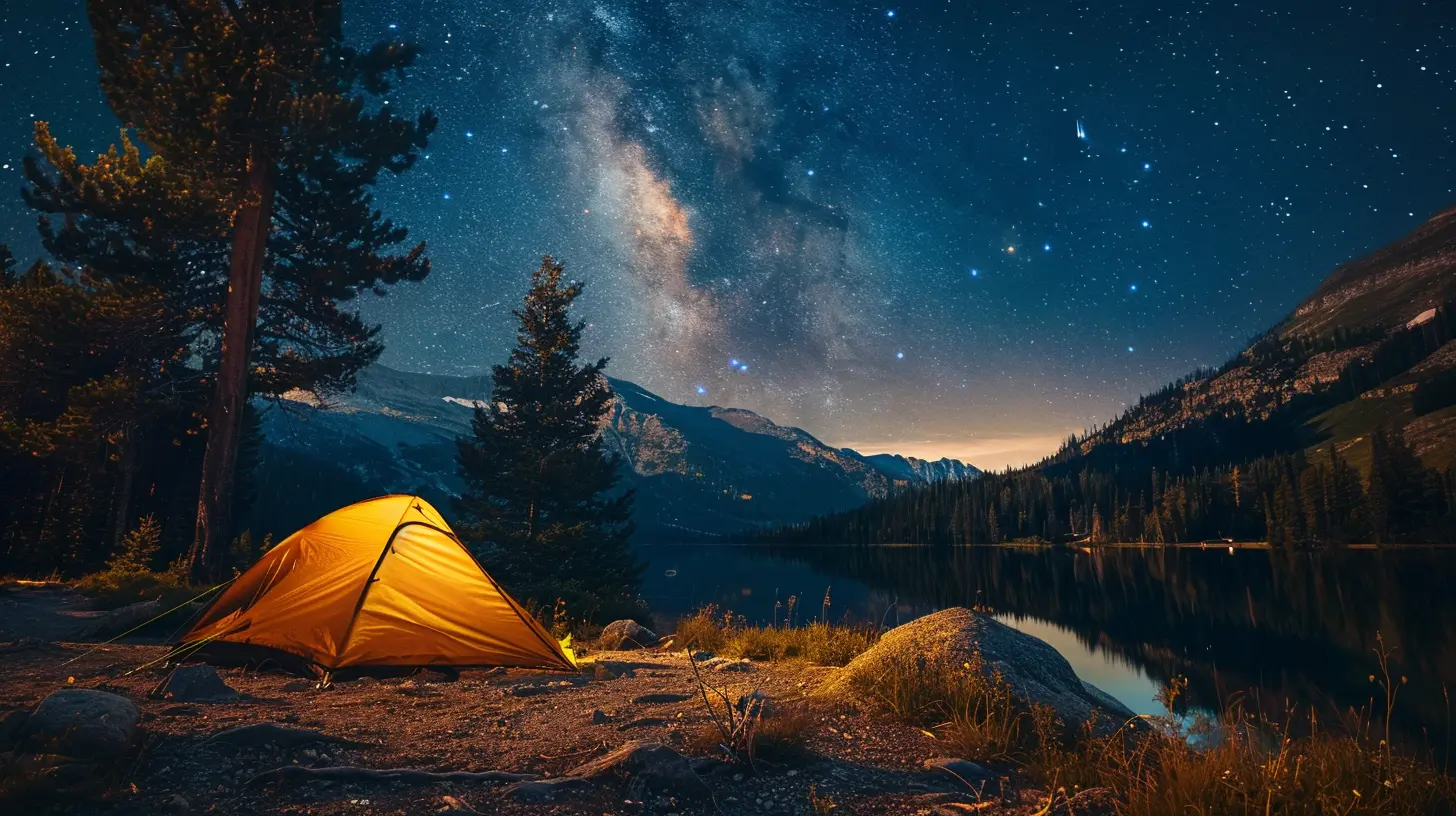
National parks are some of the last refuges of true darkness. Far from the artificial lights of cities, these protected lands offer pristine night skies. Here’s why national parks are ideal for stargazing:- Minimal Light Pollution – Less artificial light means a clearer, brighter sky.
- High Elevation – Many parks are located at high altitudes, where the air is thinner, and the stars shine brighter.
- Dry Air Conditions – Arid climates help improve visibility by reducing atmospheric moisture.
- Open Landscapes – Fewer obstructions mean a 360-degree view of the heavens.
Now, let's take a journey through some of the best national parks for stargazing.
1. Death Valley National Park (California & Nevada)
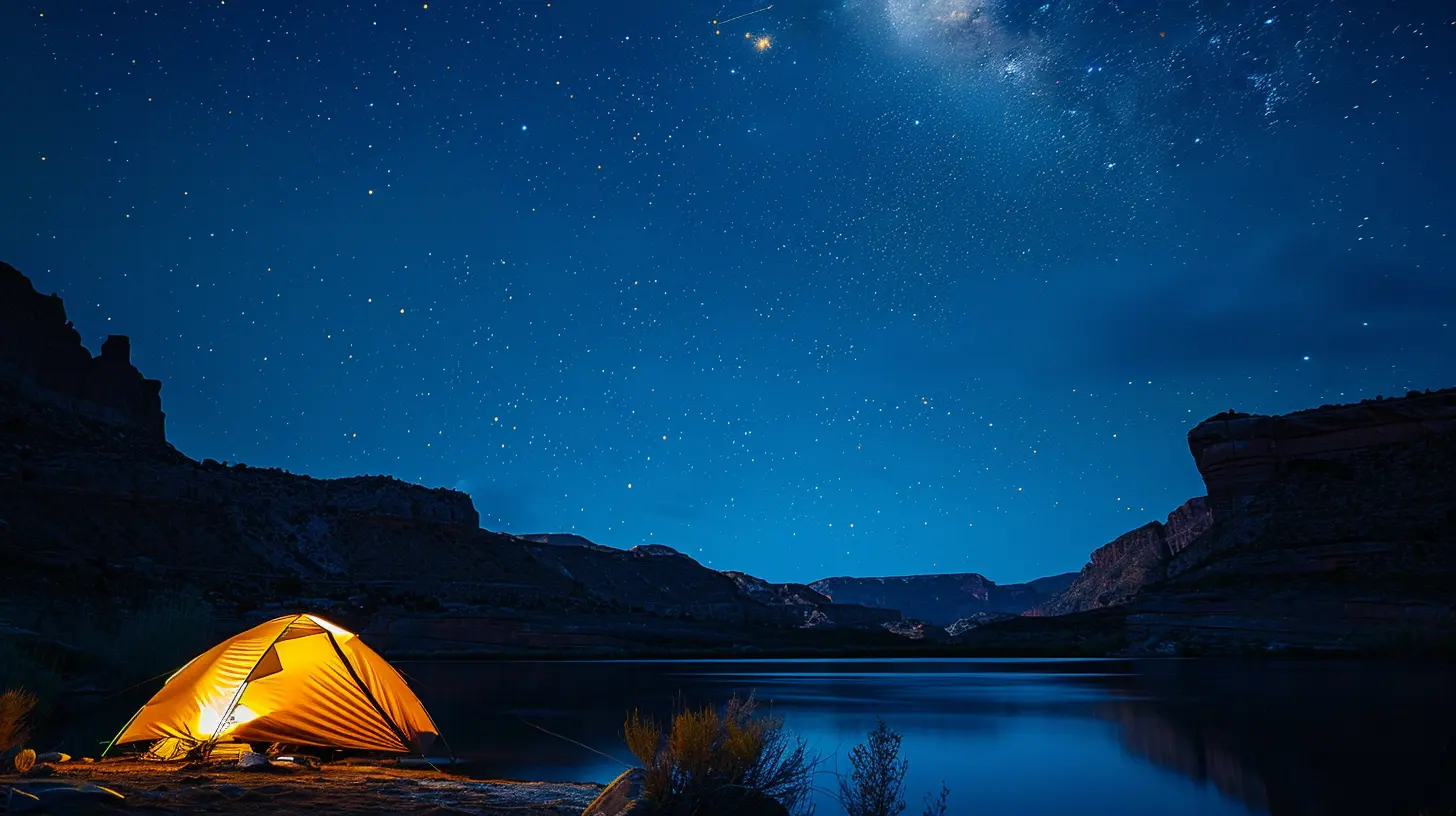
If you want the darkest skies in the U.S., Death Valley is where you need to be. Recognized as a Gold Tier Dark Sky Park, this place boasts some of the clearest night skies in the world.What Makes Death Valley Special?
- One of the driest places on Earth, meaning zero cloud cover most nights.- Miles and miles of isolated desert, ensuring minimal light pollution.
- The Milky Way appears intensely bright, stretching across the desert like a cosmic river.
Best Stargazing Spots:
- Badwater Basin – A vast salt flat that feels like another planet.
- Mesquite Flat Sand Dunes – Soft, rolling dunes make for a magical backdrop.
- Dante’s View – A high-elevation viewpoint offering a breathtaking nightscape.
Bring a telescope or just your own two eyes—you won’t be disappointed.
2. Big Bend National Park (Texas)
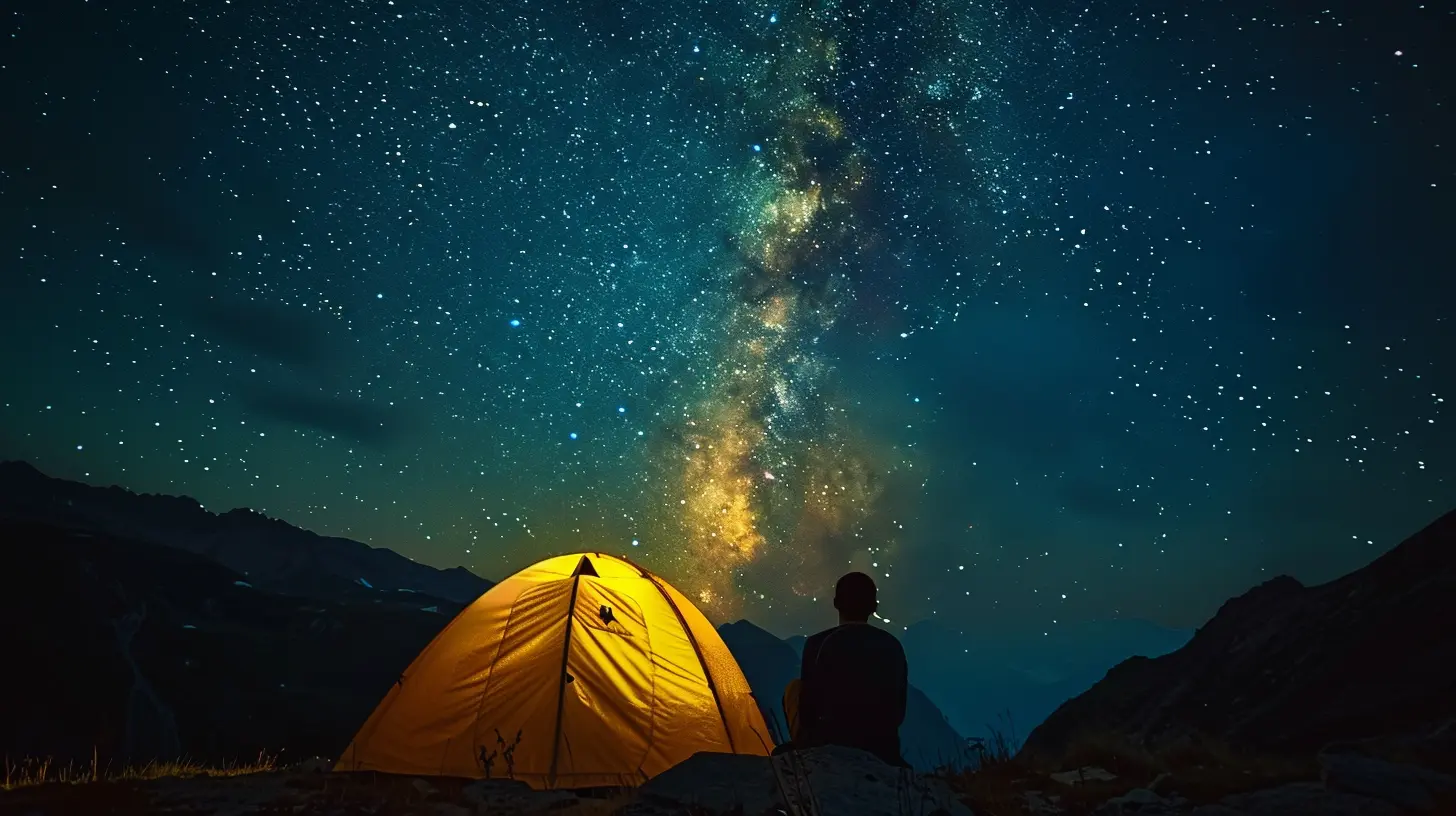
Big Bend is one of the most remote national parks in the U.S., which means almost no light pollution. Here, you have the chance to see over 2,000 stars on a clear night!Why Stargazers Love Big Bend
- It's home to one of the darkest skies in North America.- You can see faint celestial objects like the Andromeda Galaxy with the naked eye.
- The dry Texas air creates sharp, crystal-clear views.
Best Stargazing Spots:
- Santa Elena Canyon – A quiet, dramatic setting for a star-filled sky.
- Chisos Basin – Offers stunning mountain silhouettes against the stars.
- Rio Grande Village – A low-altitude spot with open skies.
Big Bend is a must-visit for serious stargazers and casual sky-watchers alike.
3. Bryce Canyon National Park (Utah)
Bryce Canyon is famous for its otherworldly rock formations, but did you know it’s also one of the best spots for stargazing? With high elevation and dry air, the stars sparkle like diamonds.What Makes Bryce Canyon Unique?
- Elevation of 8,000–9,000 feet, meaning less atmosphere in the way.- Astronomy programs with park rangers and telescopes.
- You can see over 7,500 stars on a moonless night—more than you'll find in most places worldwide.
Best Stargazing Spots:
- Sunrise Point – A stunning mix of rock hoodoos and endless stars.
- Inspiration Point – A higher elevation means a wider sky view.
- Bryce Amphitheater – Natural acoustics and celestial views make it feel surreal.
If you want a park that combines geological wonders with cosmic splendor, Bryce Canyon is the place.
4. Grand Canyon National Park (Arizona)
The Grand Canyon isn’t just a wonder of the Earth—it’s also a gateway to the universe. With minimal artificial light, this massive canyon provides some of the best stargazing conditions in the country.Why the Grand Canyon?
- The canyon’s depth creates natural shielding from light pollution.- The summer Star Party invites astronomers to share telescopes and knowledge.
- Low humidity and high elevation make for crisp, clear skies.
Best Stargazing Spots:
- Desert View Watchtower – Offers both canyon views and starry skies.
- Mather Point – An easily accessible but breathtaking location.
- Yaki Point – Quiet and secluded for peaceful stargazing.
Few places on Earth let you see the stars while standing at the edge of one of the world’s greatest natural wonders.
5. Acadia National Park (Maine)
On the East Coast, finding dark skies can be tricky, but Acadia delivers. This park boasts some of the darkest skies in the northeast U.S., making it a must-visit for stargazers.What’s Special About Acadia?
- Views of the Milky Way stretching over the Atlantic Ocean.- Annual Acadia Night Sky Festival celebrates astronomy and conservation.
- Low humidity and cool coastal air improve visibility.
Best Stargazing Spots:
- Cadillac Mountain – The first place in the U.S. to see the sunrise, and incredible for stargazing.
- Jordan Pond – A peaceful, reflective water surface enhances the experience.
- Sand Beach – Listen to the waves as you watch meteors streak by.
Acadia proves you don’t have to travel west to find an amazing night sky.
6. Great Basin National Park (Nevada)
Great Basin is one of the least visited national parks, meaning fewer tourists and near-perfect stargazing conditions.Why It’s a Hidden Gem for Stargazing
- One of the darkest national parks in the U.S.- Offers astronomy programs and telescope viewing events.
- Isolated landscapes make it feel like you have the stars all to yourself.
Best Stargazing Spots:
- Wheeler Peak Campground – High elevation equals unbeatable skies.
- Lehman Caves – A unique blend of geology and astronomy.
- Mather Overlook – Unobstructed star views with a quiet atmosphere.
This underrated park is truly a stargazer’s paradise.
Tips for the Best Stargazing Experience
Before you pack your bags, here are some tips to make sure you get the best stargazing experience:✔ Check the Moon Phase – A full moon can wash out stars, so aim for a new moon.
✔ Give Your Eyes Time to Adjust – It takes about 20–30 minutes for your eyes to fully adapt to darkness.
✔ Use a Red Flashlight – White light disrupts night vision, but red light keeps your eyes adjusted.
✔ Dress Warm – Even in summer, desert and mountain parks get chilly at night.
✔ Bring Binoculars or a Telescope – Even a basic set will reveal details you’ve never seen before.
Final Thoughts
Stargazing in national parks isn’t just about looking at the sky—it’s about feeling connected to the universe. Whether you visit the vast desert of Death Valley or the coastal cliffs of Acadia, the experience is unforgettable.So, grab your sleeping bag, find a dark corner of the world, and let the stars remind you of the beauty beyond our little planet.
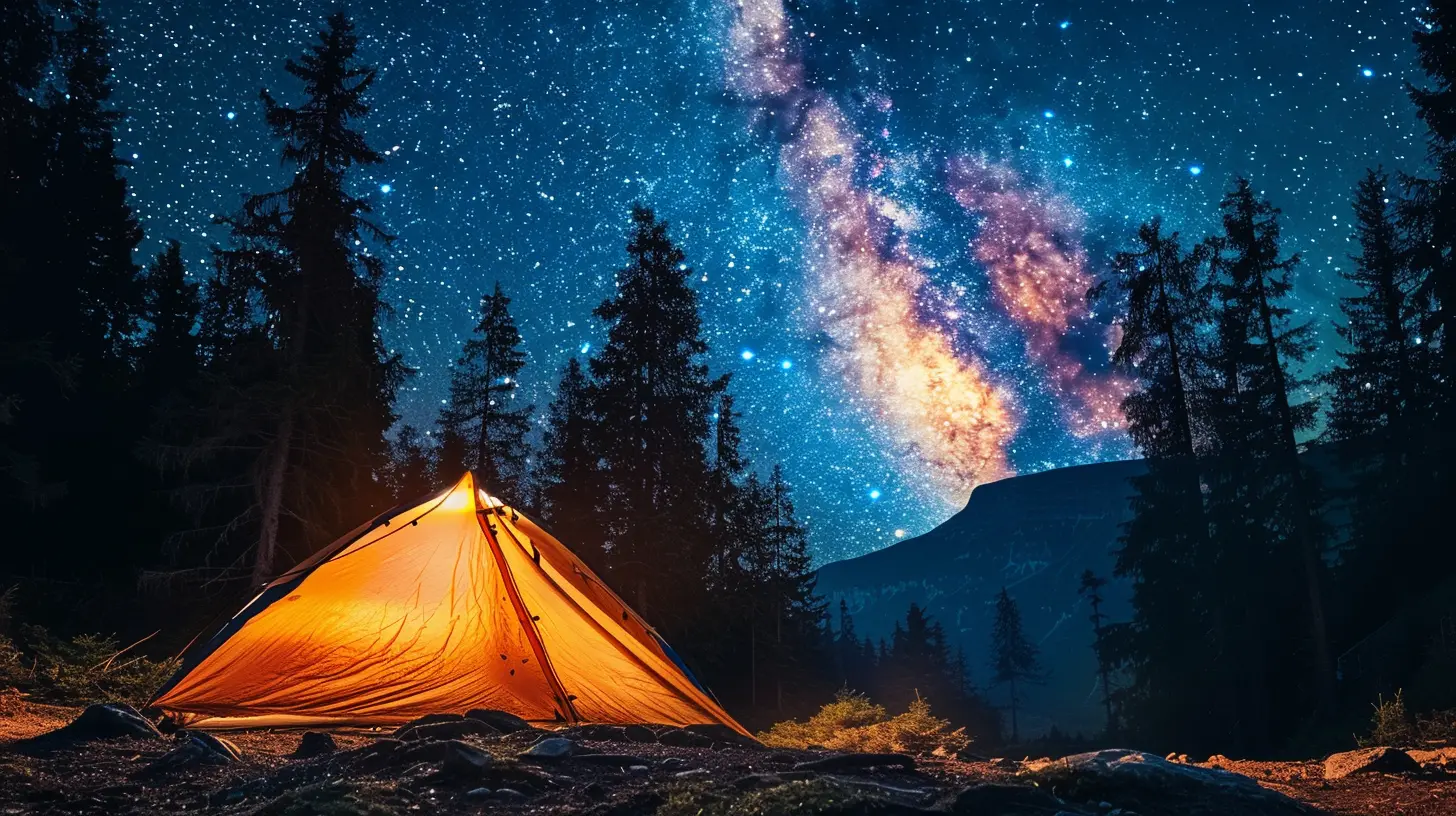
all images in this post were generated using AI tools
Category:
National ParksAuthor:

Reed McFadden
Discussion
rate this article
2 comments
Daniel Dorsey
Nature's canvas awaits—stargazing bliss at its finest!
April 8, 2026 at 3:28 PM
Reed McFadden
Absolutely! There's nothing quite like the beauty of the night sky in our national parks. Happy stargazing! 🌌✨
Isadora McGehee
Experience nature's awe-inspiring tapestry.
April 1, 2026 at 2:54 AM
Reed McFadden
Thank you! There's truly nothing like the beauty of nature combined with a starry night sky.