Ski Trip Packing Checklist for High-Altitude Adventures in 2027
28 September 2026
High-altitude skiing is a different sport from resort skiing at 2,000 meters. Once you pass the 3,000-meter mark, the rules change. The air holds less oxygen. The sun burns through cloud cover. Temperatures swing 25 degrees between morning and afternoon. A jacket that felt perfect in Chamonix village can leave you shivering on a wind-scoured ridge at 3,800 meters.
This checklist is built for that reality. It assumes you are heading somewhere genuinely high in 2027, whether that is the Alps, the Rockies, the Andes, the Caucasus, or a Himalayan resort. It covers what to bring, why each item matters, where people get it wrong, and how to decide between competing options. It is long because the subject is long. Read it once before you start packing, then use it as a working list.
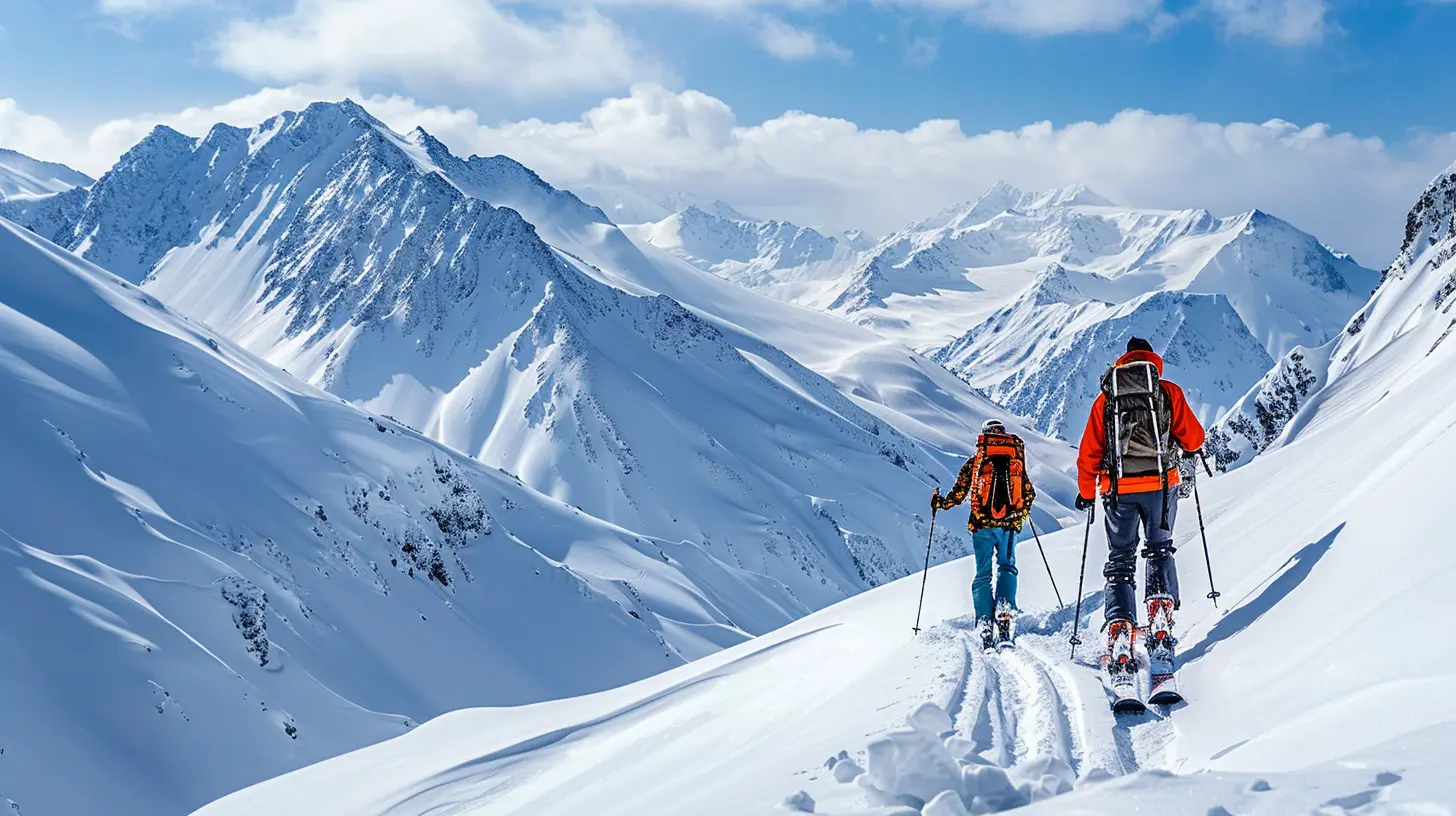
Why High Altitude Changes What You Pack
At 3,500 meters, atmospheric pressure is roughly 65 percent of what it is at sea level. That single fact ripples through every packing decision you make.Less pressure means less oxygen per breath. Your body works harder to do the same skiing, which means you generate more heat when moving and lose it faster when you stop. Sweat management becomes critical because wet base layers at altitude can turn dangerous within minutes of standing still.
Less pressure also means less atmospheric filtering of UV radiation. UV intensity rises roughly 10 to 12 percent for every 1,000 meters of elevation. At 4,000 meters, you are absorbing far more UV than at sea level, and snow reflects up to 80 percent of it back at your face. Sunscreen alone will not save you. You need physical barriers.
Finally, altitude affects how your body retains fluid and regulates temperature. Many people sleep poorly, eat less, and dehydrate faster during the first 48 hours. Your packing list should make hydration and quick caloric intake easy, not an afterthought.
The Layering System: Your Core Strategy
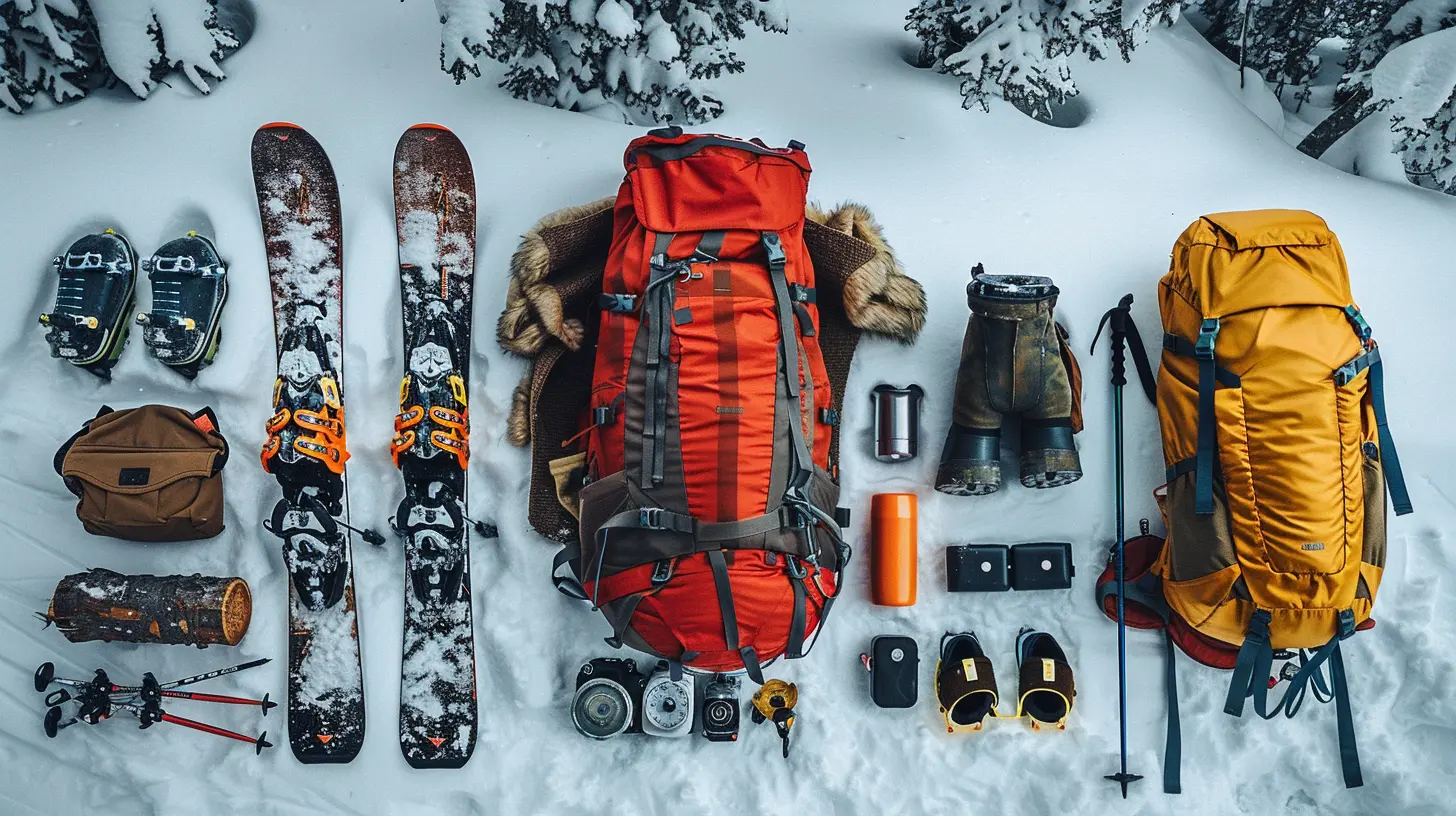
Everything you wear on a high-altitude ski day sits inside a three-layer system. Get this right and most other decisions fall into place.Base Layer: Moisture Management Above All
Your base layer touches your skin. Its only job is to move sweat away from your body and dry fast. Cotton fails at this completely. It absorbs moisture, holds it against your skin, and stops insulating the moment it gets wet. Leave cotton at home.Merino wool is the gold standard for high altitude. It regulates temperature across a wide range, resists odor over multiple days, and stays warm even when slightly damp. The trade-off is price and durability. A good merino base layer costs two to three times a synthetic one and wears out faster with heavy use.
Synthetics like polyester and polypropylene dry faster and cost less. They handle heavy sweating better than merino in my experience, but they hold odor aggressively after a day or two. For a week-long trip, that matters.
A practical compromise many experienced skiers use: synthetic base layers for active ski days, merino for travel days and evenings. Bring two of each for a week-long trip, three if you sweat heavily.
Mid Layer: The Adjustable Insulation
The mid layer is your thermostat. On a high-altitude day, you might wear it on the lift, take it off for a steep bootpack, and put it back on for the descent. It needs to be easy to remove and stow.Fleece is the classic choice. It breathes well, dries fast, and costs relatively little. Its weakness is bulk. A thick fleece takes up serious pack space.
Synthetic insulated jackets, often called puffy or belay jackets, offer more warmth per ounce and compress smaller. They are less breathable, which matters when you are working hard. Many skiers bring both: a light fleece for active climbing and a synthetic puffy for stops and descents.
Down mid layers are warm and packable but lose insulation when wet. At high altitude where snow is dry and you are unlikely to get soaked, down works well. In wetter maritime ranges, synthetics are safer.
Shell: Wind and Weather Protection
The shell is your armor. At altitude, wind is the enemy. A 40 km/h wind at minus 15 degrees produces a wind chill closer to minus 30. Your shell blocks that wind and keeps snow out.Look for a shell with a helmet-compatible hood, taped seams, and pit zips. Pit zips sound minor. They are not. Being able to dump heat without removing your pack is one of the most useful features on a high-altitude ski day.
Gore-Tex and similar membranes remain the benchmark for waterproof and breathable performance. They cost more. Cheaper alternatives work fine in dry snow conditions but struggle in wet, heavy snow or rain. Match the shell to the climate you are visiting, not to the marketing copy.
Head, Hands, and Feet: Where Most People Fail
Cold extremities ruin ski days. At altitude, the margin for error shrinks.Head and Face
Bring two hats: a thin beanie for active skiing and a thicker one for stops and evenings. A balaclava or neck gaiter protects your face from wind and sun. Buff-style tubular gaiters are versatile because you can wear them around your neck, over your ears, or as a face mask.Helmets are now standard at most high-altitude resorts. If you wear one, make sure your goggles fit over it without gaps. Gaps cause windburn and frostbite on the forehead, which is a surprisingly common injury.
Goggles and Sunglasses
Bring both. Goggles for snow, wind, and cold. Sunglasses for sunny lunch stops and walking around the village.For goggles, prioritize lens quality and fit over brand. Photochromic lenses adjust to changing light, which is useful when clouds roll in and out. Bring a spare lens if your goggles allow swapping. At altitude, flat light is common and dangerous. A high-contrast lens in yellow or rose tint helps you read terrain.
Sunglasses should offer 100 percent UV protection and wrap around your face. Category 4 lenses are appropriate for glacier travel, but they are too dark for driving or walking in shade. Category 3 is the practical everyday choice.
Gloves and Mittens
Mittens are warmer than gloves because your fingers share heat. For high altitude, bring mittens as your primary and thin liner gloves for dexterity tasks like adjusting bindings or using your phone.Bring at least two pairs. Gloves get wet from snow, sweat, and handling. A wet glove at altitude is a serious problem. Rotate pairs and dry them overnight.
Socks and Boots
Ski socks should be thin, seamless, and made of merino or a merino-synthetic blend. Thick socks sound warmer but actually reduce circulation by making your boot fit tighter. That makes your feet colder, not warmer.Bring three to four pairs for a week. Wash and dry them when you can. Damp socks cause blisters and cold feet.
Ski boots are the one item you should not buy online without trying on. Fit matters more than flex rating or brand. If you are renting, arrive early and spend time getting the fit right. A half-size too large causes as many problems as one too small.
Consider bringing boot dryers or at least removable liners. Drying boots overnight at altitude is slow because the air is dry but cold. A small travel boot dryer is worth the luggage space on a week-long trip.
Sun Protection: The Item People Underestimate Most
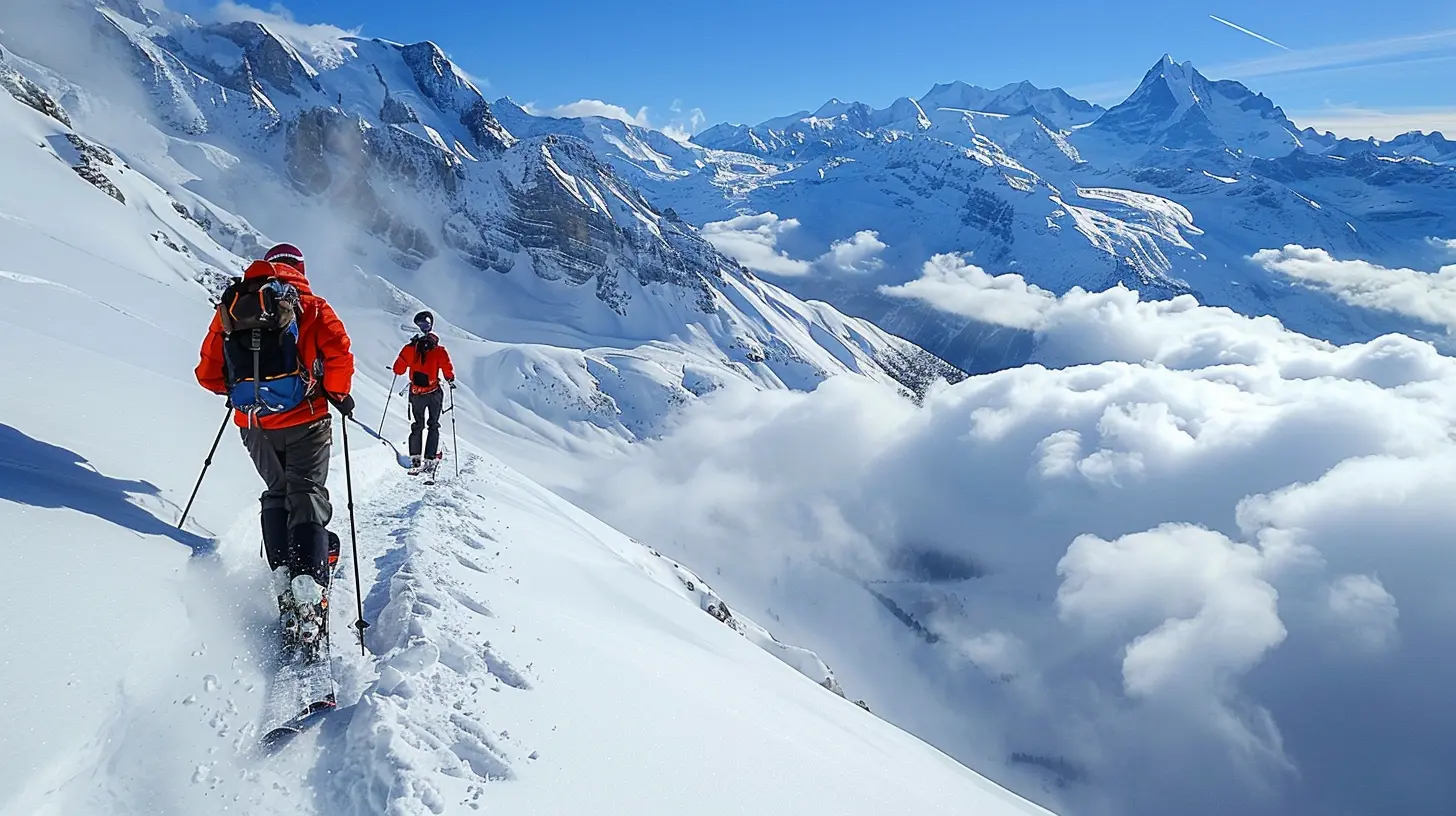
High-altitude sun is not the same sun you deal with at the beach. It is stronger, and snow reflection doubles your exposure.Sunscreen
Use SPF 50 or higher, and use it on every exposed patch of skin. That includes the underside of your nose, your earlobes, your neck, and the backs of your hands. Reapply every two hours, more often if you sweat.Mineral sunscreens with zinc oxide or titanium dioxide tend to stay on better during sweaty activity than chemical ones. They also work immediately on application, which chemical sunscreens do not.
Lip Protection
Lip balm with SPF 30 or higher. Bring two and keep one in a pocket. Lips crack fast at altitude, and cracked lips make eating and drinking unpleasant.Glacier Glasses or Side Shields
If you are skiing on a glacier or doing any mountaineering, consider glacier glasses with leather side shields. They block light coming in from the sides, which goggles sometimes do not. This is not necessary for standard resort skiing, but it is essential for high alpine traverses.Hydration and Nutrition: Packing for Energy
Altitude suppresses appetite and increases fluid loss. You need to eat and drink even when you do not feel like it.Water Bottles and Insulated Flasks
Bring at least one liter of water per person for a half-day, two liters for a full day. Insulated bottles keep water from freezing, which is a real issue above 3,000 meters. Wide-mouth bottles are easier to fill with snow if you need to.Hydration bladders are convenient but freeze easily in the tube. If you use one, blow air back into the bladder after each sip to clear the tube. Some skiers use insulated tube covers, which help but do not eliminate the problem.
Electrolytes
Plain water is not enough when you are sweating heavily. Bring electrolyte tablets or powder. They replace sodium, potassium, and magnesium lost through sweat. This reduces cramping and fatigue, especially in the first days at altitude.Snacks
Pack calorie-dense, easy-to-eat food. Nuts, dried fruit, chocolate, energy bars, and cheese all work. Avoid foods that freeze solid, like some protein bars. Keep snacks in an inside pocket so your body heat keeps them soft.For lunch, many high-altitude resorts have on-mountain restaurants, but they are expensive and crowded. Bringing your own food gives you flexibility and saves money. A thermos of hot soup or tea is a morale booster on cold days.
Backpack and Accessories
Daypack Size
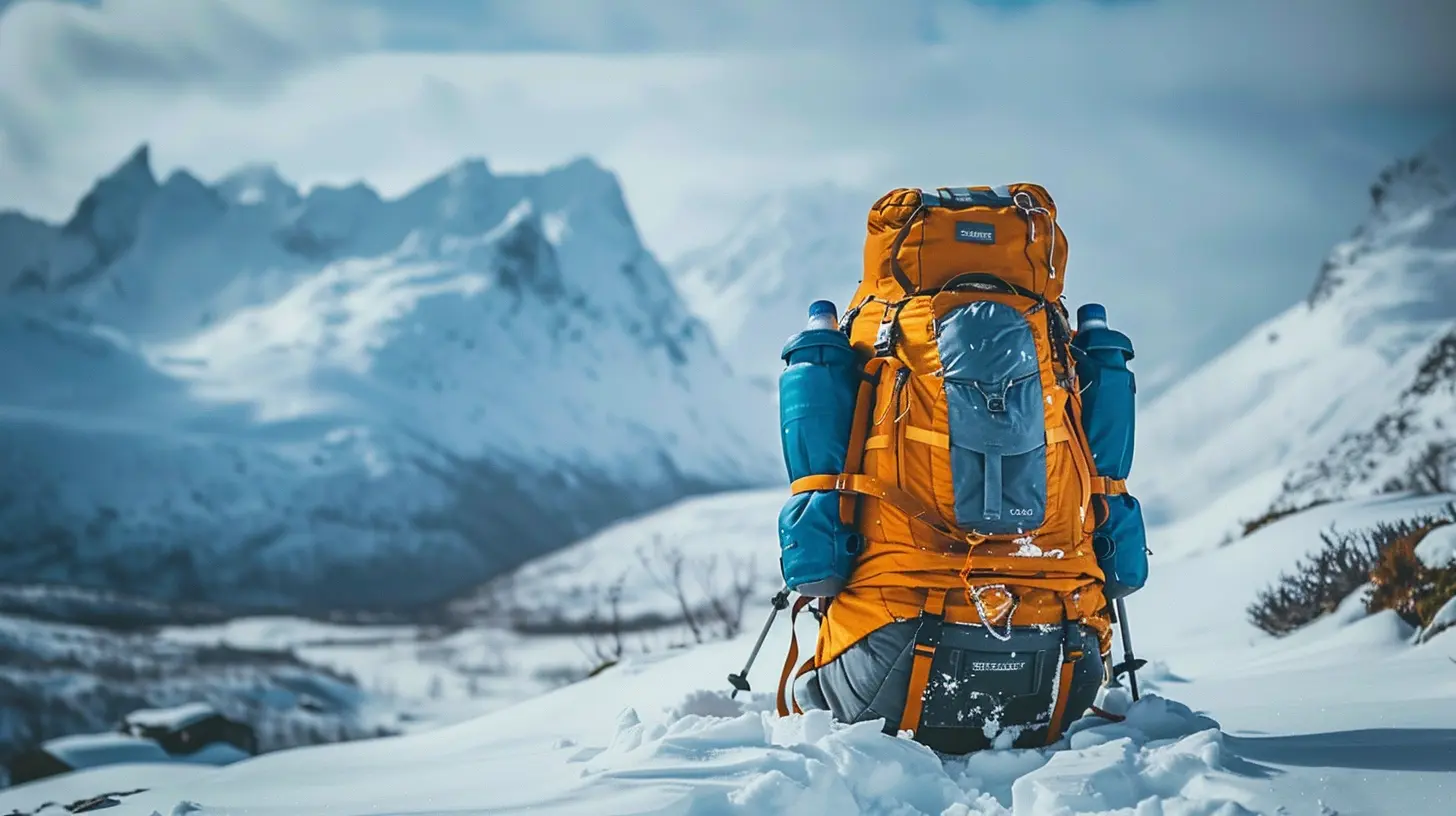
For resort skiing, a 20 to 30 liter pack is enough. It holds an extra layer, water, food, sunscreen, and a few tools. For backcountry or sidecountry, go 30 to 40 liters to fit avalanche gear.Look for a pack with a diagonal or A-frame ski carry, a helmet holder, and a hip belt. A hip belt transfers weight to your hips, which matters when you are carrying a heavier load.
Avalanche Safety Gear
If you are going anywhere near avalanche terrain, you need a transceiver, probe, and shovel. These are not optional. Take an avalanche safety course before your trip if you have not already. Gear without knowledge is dangerous.A transceiver should be worn on your body, not in your pack. If your pack is ripped off in an avalanche, a transceiver inside it is useless. Practice with your gear before you travel.
Extras Worth Bringing
A multi-tool or small screwdriver set. Bindings loosen. Screws fall out. A small repair kit saves a ski day.Duct tape wrapped around a ski pole or water bottle. It fixes everything from torn jackets to broken boot buckles.
A headlamp. Days are shorter in winter, and lifts sometimes close later than expected. A headlamp weighs almost nothing and can save you a stressful descent.
Hand warmers. Chemical warmers are a backup for cold hands. They are not a substitute for proper gloves, but they help on extreme days.
Common Mistakes and Misconceptions
Myth: More layers always mean more warmth. Not true. Too many layers restrict movement, trap sweat, and make you colder when you stop. The goal is adjustable insulation, not maximum bulk.Mistake: Wearing new boots on a trip. Break in new boots before you travel. Blisters at altitude are miserable and can end your trip early.
Mistake: Skipping the mid layer. Many people wear a base layer and shell only. That works on warm days at low altitude. At 3,500 meters, you will regret it.
Myth: Alcohol warms you up. Alcohol dilates blood vessels, which makes you feel warm but actually increases heat loss. It also worsens altitude symptoms and dehydrates you. Save the drinks for after the trip.
Mistake: Ignoring altitude sickness. Packing is not just about gear. If you are coming from sea level, plan a rest day or a light first day. Bring medication if your doctor recommends it. Know the symptoms of acute mountain sickness: headache, nausea, dizziness, and shortness of breath at rest. If symptoms worsen, descend.
A Practical Packing List for 2027
Here is a condensed list you can copy and adapt.Clothing
- Two to three merino or synthetic base layer tops
- Two base layer bottoms
- One to two fleece or synthetic mid layers
- One insulated puffy jacket
- One waterproof and breathable shell jacket
- One pair of ski pants, insulated or shell depending on climate
- Three to four pairs of ski socks
- One pair of liner gloves
- One pair of mittens
- One pair of ski gloves
- One thin beanie
- One thick beanie
- One neck gaiter or balaclava
- One pair of sunglasses
- One pair of ski goggles plus spare lens if possible
Gear
- Ski helmet
- Ski boots with custom or well-fitted liners
- Skis and poles, or rental reservation
- Ski pass or lift ticket
- Avalanche transceiver, probe, and shovel if applicable
- Daypack
- Water bottles or hydration bladder
- Electrolyte tablets
- Snacks and lunch
- Sunscreen SPF 50
- Lip balm SPF 30
- Hand warmers
- Headlamp
- Multi-tool
- Duct tape
- Boot dryers or removable liners
Personal
- Any medications, including altitude sickness medication if prescribed
- Insurance information
- Emergency contacts
- Cash and cards
- Phone and portable charger
Final Thoughts
Packing for a high-altitude ski trip in 2027 is less about buying the most expensive gear and more about understanding how altitude changes the game. Layering, sun protection, hydration, and foot care matter more than brand names. A well-fitted mid-range kit will outperform a poorly chosen premium one every time.Start your packing early. Test your layers on a cold day at home. Break in your boots. Read up on altitude sickness. The more you prepare, the more you can enjoy the reason you came: long, quiet runs above the tree line, with nothing but snow and sky in front of you.
all images in this post were generated using AI tools
Category:
Travel ChecklistsAuthor:

Reed McFadden