Sacred Spaces: World Heritage Sites with Spiritual Significance
20 March 2026
When you travel, do you ever feel like some places just hum with energy? Like the very ground you're standing on is whispering stories from centuries past? That’s the magic of sacred spaces. They're more than just beautiful landmarks—they’re spiritual time capsules. Some of the world’s most awe-inspiring UNESCO World Heritage Sites are actually deeply sacred places, drawing pilgrims, seekers, and curious travelers year after year.
So, let’s embark on a journey—not just across continents but through the soul of humanity. These sacred spaces are where history, faith, architecture, and spirituality collide in the most breathtaking ways.
What Makes a Place “Sacred”?
Before we dive into our list, let’s get one thing straight—what really makes a place sacred?It’s not just about religion. Yes, many of these sites are tied to organized belief systems, but their true essence lies deeper. Sacred spaces are locations that stir something within us. They offer peace, provoke awe, and make you feel tiny and infinite all at once.
They’re often the backdrop of significant cultural rituals, ancient pilgrimages, or centuries-old ceremonies. Others may be natural wonders considered holy by indigenous communities for generations.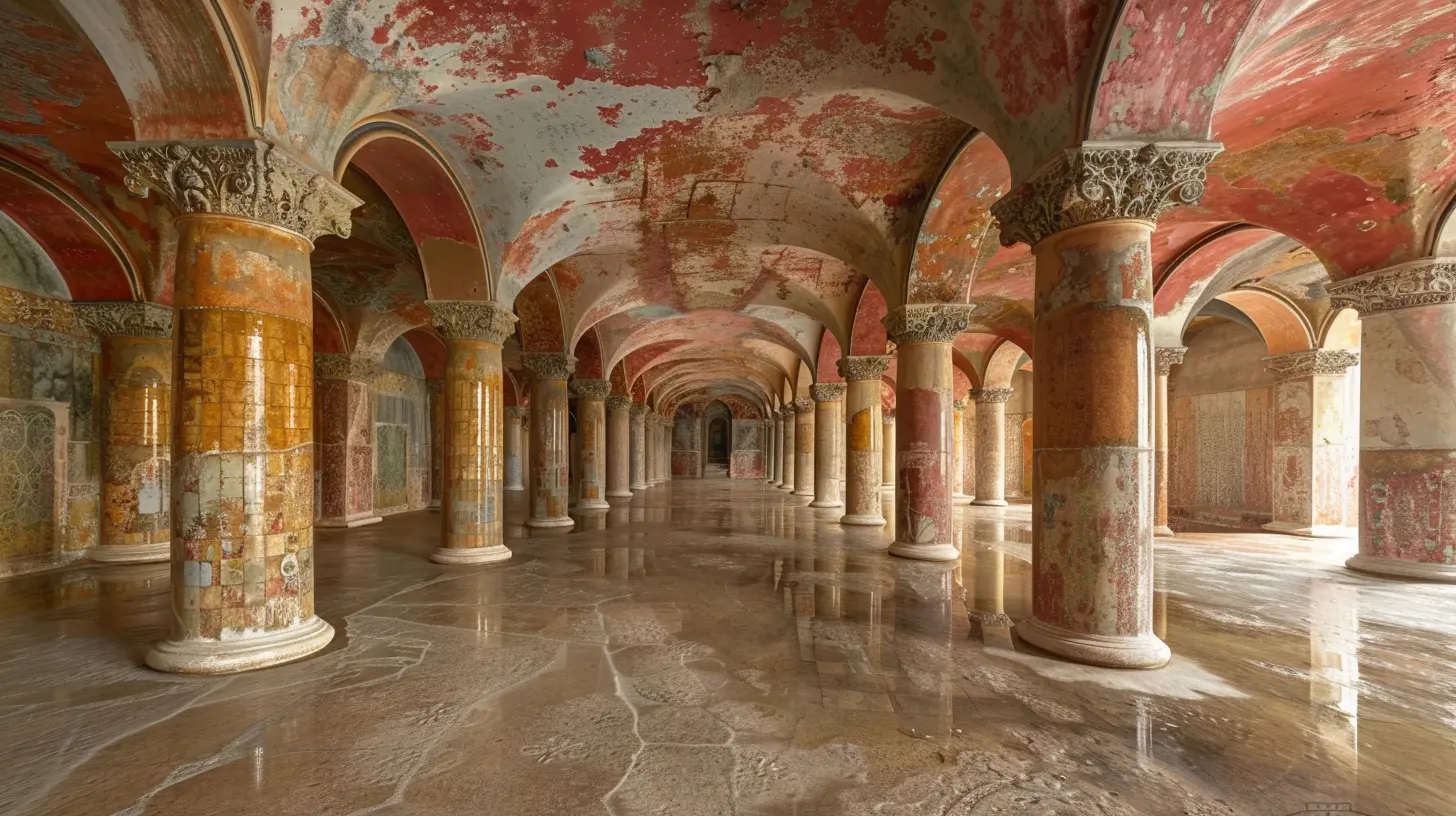
1. Angkor Wat – Cambodia
Let’s start in Southeast Asia.Angkor Wat isn’t just a temple—it’s the temple. Built in the 12th century, it's the largest religious monument in the world. What started as a Hindu temple dedicated to Vishnu slowly transitioned into a major Buddhist site. The spiritual evolution here is almost palpable.
Walking through Angkor Wat at sunrise is like stepping into a sacred dream. The detailed carvings, the grand towers, the moats—they all tell a spiritual story that spans empires.
But here’s what’s wild: it’s not just a tourist destination. Many locals still consider it sacred and visit for prayer and meditation.
Why it Matters Spiritually:
Angkor Wat aligns architecturally with the stars, echoing a cosmic connection. It’s a physical representation of Mount Meru — the center of the Hindu and Buddhist universe.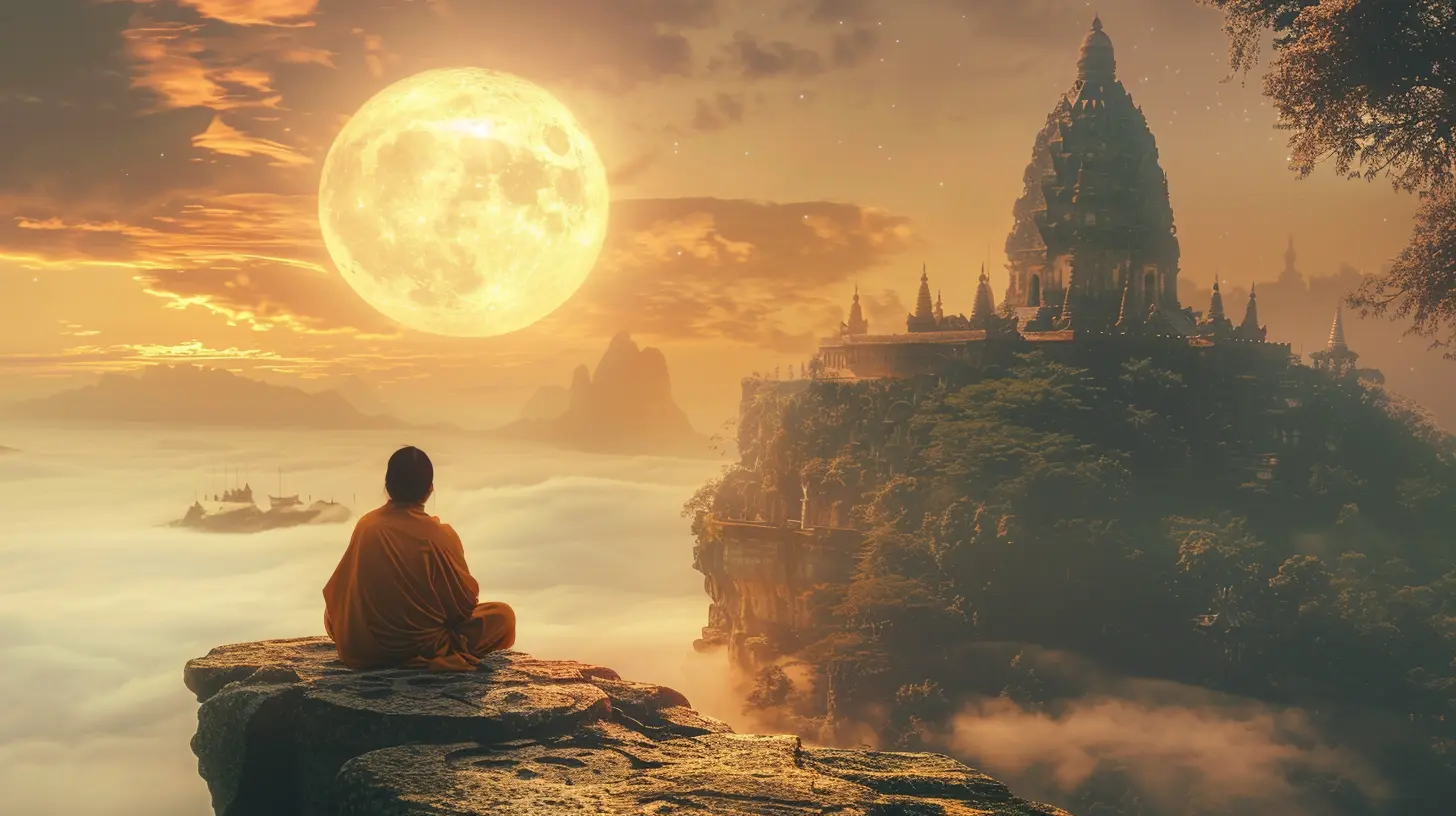
2. Machu Picchu – Peru
Perched high in the Andes Mountains, Machu Picchu isn’t just an Instagrammable trek—it’s a deeply spiritual site for the Inca civilization.While historians still debate its exact purpose, many believe it was a royal retreat or a ceremonial center that connected the Incas with the gods. The Incas were master builders and astronomers, and their sacred worldview is etched into every stone of this citadel.
Why it Feels Sacred:
There’s something undeniably spiritual about standing at the Sun Gate during sunrise. The way the light kisses the stone structures—it’s like nature itself is performing a ritual.Machu Picchu was designed in harmony with natural energy lines (ley lines), which many spiritualists believe amplify one’s connection to the earth.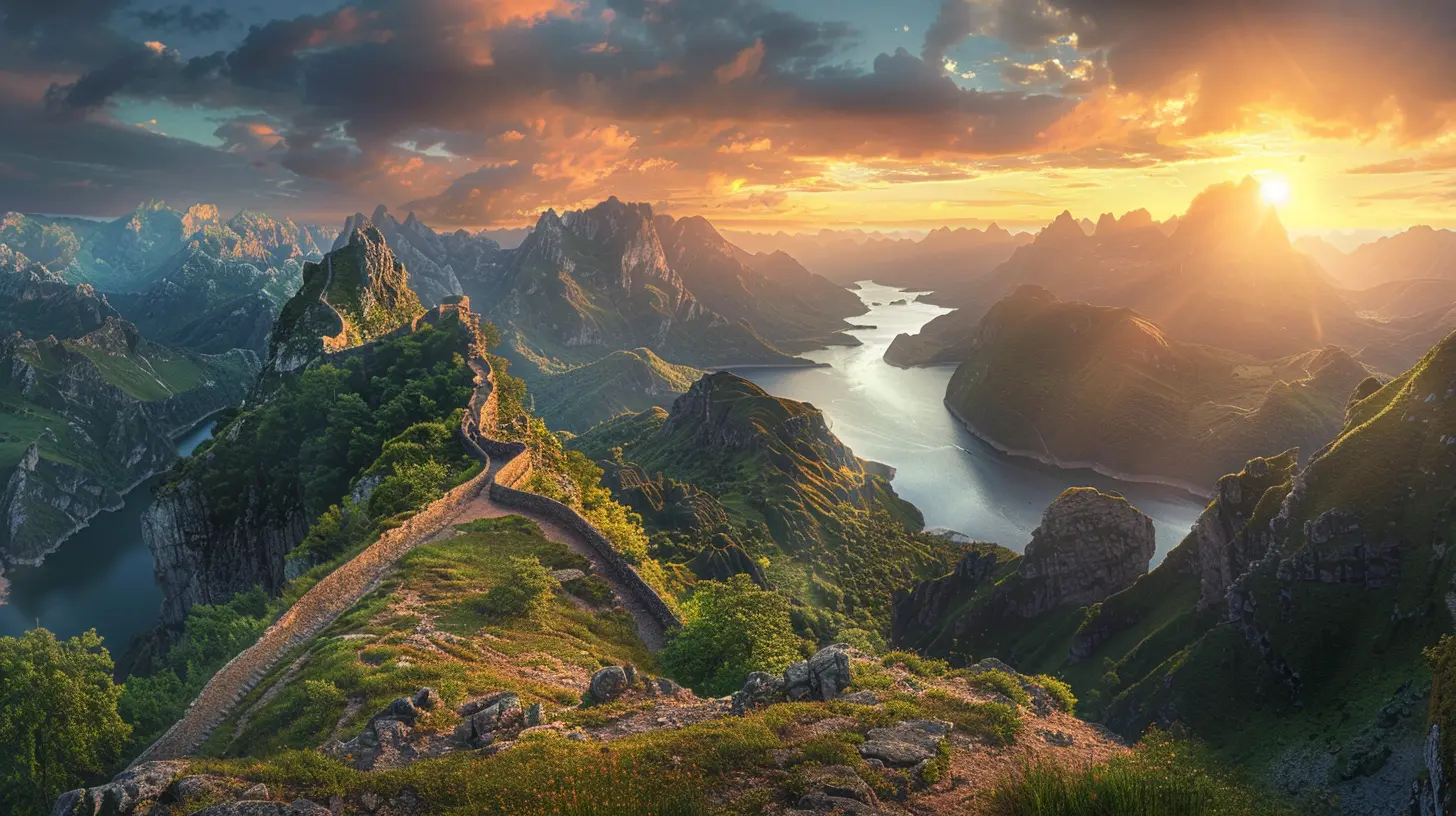
3. The Vatican City – Italy
You don’t need to be Catholic to feel the holiness of the Vatican. This tiny city-state punches way above its weight in spiritual influence.With St. Peter’s Basilica, the Sistine Chapel, and centuries of sacred art and architecture, the Vatican is the nerve center of the Roman Catholic world.
It’s where popes are crowned, where pilgrims line up for blessings, and where Michelangelo's genius bursts to life on the ceiling above.
Spiritual Pull:
The Vatican isn’t just a symbol of faith—it’s a beacon. For many, visiting is a once-in-a-lifetime pilgrimage, a chance to feel closer to the divine.Even if you’re not religious, the sheer reverence of the place can knock the wind out of you.
4. Varanasi – India
Let’s crank the spiritual dial up a notch.Welcome to Varanasi—India’s oldest and holiest city. Sitting along the banks of the Ganges River, this city is believed to be founded by Lord Shiva himself. It’s chaos and calm, all rolled into one.
Hindus believe that dying in Varanasi breaks the cycle of rebirth and leads to moksha (liberation). The entire city breathes spirituality—every ghat, every alley, every temple has deep religious roots.
The Sacred Energy is Real:
Watching a Ganga Aarti (ritual of light) at sunset can be a soul-stirring experience. The chanting, the bells, the fire floating on the water—it’s sensory overload in the best way possible.5. Mont-Saint-Michel – France
This fairy-tale island in Normandy looks like it was plucked straight from a fantasy movie. But make no mistake—it’s a deeply spiritual place with history dating back over 1,000 years.Built as a monastery and abbey dedicated to the Archangel Michael, Mont-Saint-Michel has hosted pilgrims since the 8th century.
What Sets It Apart:
The tides here are legendary—and symbolic. The way the island appears to rise from and fall into the ocean mirrors the spiritual journey of ascending and descending into the self.Plus, climbing the steep steps to the abbey feels like an actual pilgrimage, both physically and spiritually.
6. Lalibela – Ethiopia
Carved directly into the rock, the churches of Lalibela are an architectural and spiritual wonder. These 11 medieval churches were sculpted from a single piece of stone—by hand.Legend has it King Lalibela was divinely instructed to build a “New Jerusalem” in Ethiopia, and these churches were the result.
It’s Holy Ground—Literally:
The spiritual energy here is strong. The tunnels, hidden passageways, and underground baptisteries aren’t just design quirks—they’re symbolic of the journey to salvation.Even today, pilgrims flock here, sometimes on foot, to celebrate Christian holy days.
7. Borobudur – Indonesia
Imagine a giant stone mandala rising from the jungle—that’s Borobudur. Located in Java, Indonesia, this Buddhist temple is the largest of its kind in the world.Constructed in the 9th century, Borobudur represents the path to enlightenment. As you ascend the nine stacked platforms, you literally follow a spiritual progression from the earthly realm to Nirvana.
Walk Your Path:
Every level is adorned with intricate carvings that tell stories from the Buddha’s life. By the time you reach the top, surrounded by 72 stupas, there’s a sense of accomplishment—and peace.8. Jerusalem – Israel
Few cities in the world are as spiritually charged as Jerusalem. Sacred to Jews, Christians, and Muslims alike, this ancient city is a melting pot of faiths, histories, and centuries-old tensions.Within its walls, you’ll find the Western Wall, the Church of the Holy Sepulchre, the Dome of the Rock, and so much more—all within a stone’s throw of each other.
It’s Spiritual Multiverse:
Whether you’re placing a prayer in the cracks of the Western Wall or walking the Via Dolorosa, the spiritual weight in Jerusalem is undeniable.This is where divine stories were born, where prophets walked, and where millions still come to feel connected to something larger than themselves.
9. Uluru – Australia
Uluru (also known as Ayers Rock) isn’t your typical religious site—it’s a massive sandstone monolith in the Australian Outback. But for the Anangu people, the traditional owners of the land, Uluru is sacred.It’s tied to Dreamtime—the Aboriginal understanding of the world’s creation through ancestral spirits.
Why It’s Spiritually Unique:
Uluru changes color throughout the day. That alone feels mystical. But what’s even more powerful is the deep respect the site commands. Visitors are asked not to climb it out of reverence for its spiritual importance.This sacred mountain pulses with ancient wisdom—it’s a sacred textbook written in stone.
10. Mount Athos – Greece
Tucked away in northern Greece, Mount Athos is one of the last preserved monastic states in the world. Filled with Eastern Orthodox monasteries, it’s been a center of spiritual retreat since at least the 10th century.Quiet, Sacred Solitude:
Only men are allowed (yes, still), and access is highly restricted. That alone keeps the energy here pure and contemplative.It’s less tourist attraction and more living, breathing spirit sanctuary.
Final Thoughts: Why Sacred Spaces Matter in a Modern World
We live in a world that moves fast. Notifications, traffic, deadlines—it’s easy to feel disconnected. Sacred spaces remind us to pause. To breathe. To reconnect with ourselves, with history, with something greater than us.They act like tuning forks for the soul, helping us align with our inner peace and purpose. And let’s be honest—sometimes those goosebumps you feel at a sacred site? That’s your spirit saying, “Remember me?”
So the next time you're planning a trip, maybe go beyond the beach resorts and city tours. Step into a sacred space. You might not leave with a souvenir—but you’ll leave changed.
all images in this post were generated using AI tools
Category:
World Heritage SitesAuthor:

Reed McFadden
Discussion
rate this article
2 comments
Mercy Turner
Thank you for highlighting these sacred spaces! They remind us of the beauty of our shared heritage and the importance of preservation.
April 16, 2026 at 3:18 PM
Reed McFadden
Thank you for your thoughtful comment! I'm glad the article resonated with you and emphasizes the importance of preserving our shared heritage.
Phoebe Garcia
This article beautifully highlights the profound connection between culture and spirituality at World Heritage Sites. It encourages readers to explore these sacred spaces, deepening their appreciation for global heritage and shared human experiences.
April 1, 2026 at 2:48 PM
Reed McFadden
Thank you for your kind words! I’m glad the article resonated with you and inspired a deeper appreciation for the spiritual significance of these incredible sites.