Responsible Wildlife Encounters: Sustainable Ways to See Animals in the Wild
11 March 2026
Wildlife encounters can be magical, life-changing experiences—like your soul just high-fived Mother Nature. But here’s the thing: if we’re not careful, our love for wild creatures can actually harm them. Nobody wants to be the guy who unintentionally wrecks an animal’s home just for a selfie, right?
So, how do we see animals in the wild without messing up their vibe? Let’s talk about responsible wildlife encounters—the kind that let us admire nature without disturbing it.

Why Responsible Wildlife Tourism Matters
Imagine this: You’re chilling at home, watching Netflix, and suddenly, a group of strangers barges in, snapping photos and touching your furniture. Weird, right? That’s exactly how animals feel when tourists get too close or disrupt their space.Irresponsible wildlife tourism leads to habitat destruction, stress for animals, and even dangerous interactions. But don’t worry—there’s a way to witness nature without being that person.
The Golden Rule: Observe, Don’t Disturb
If you take away just one thing from this article, let it be this: wildlife is best appreciated from a respectful distance. The more we interfere, the more we disrupt their natural behavior. Watching a lion hunt from afar? Cool. Chasing a monkey for a selfie? Not so much.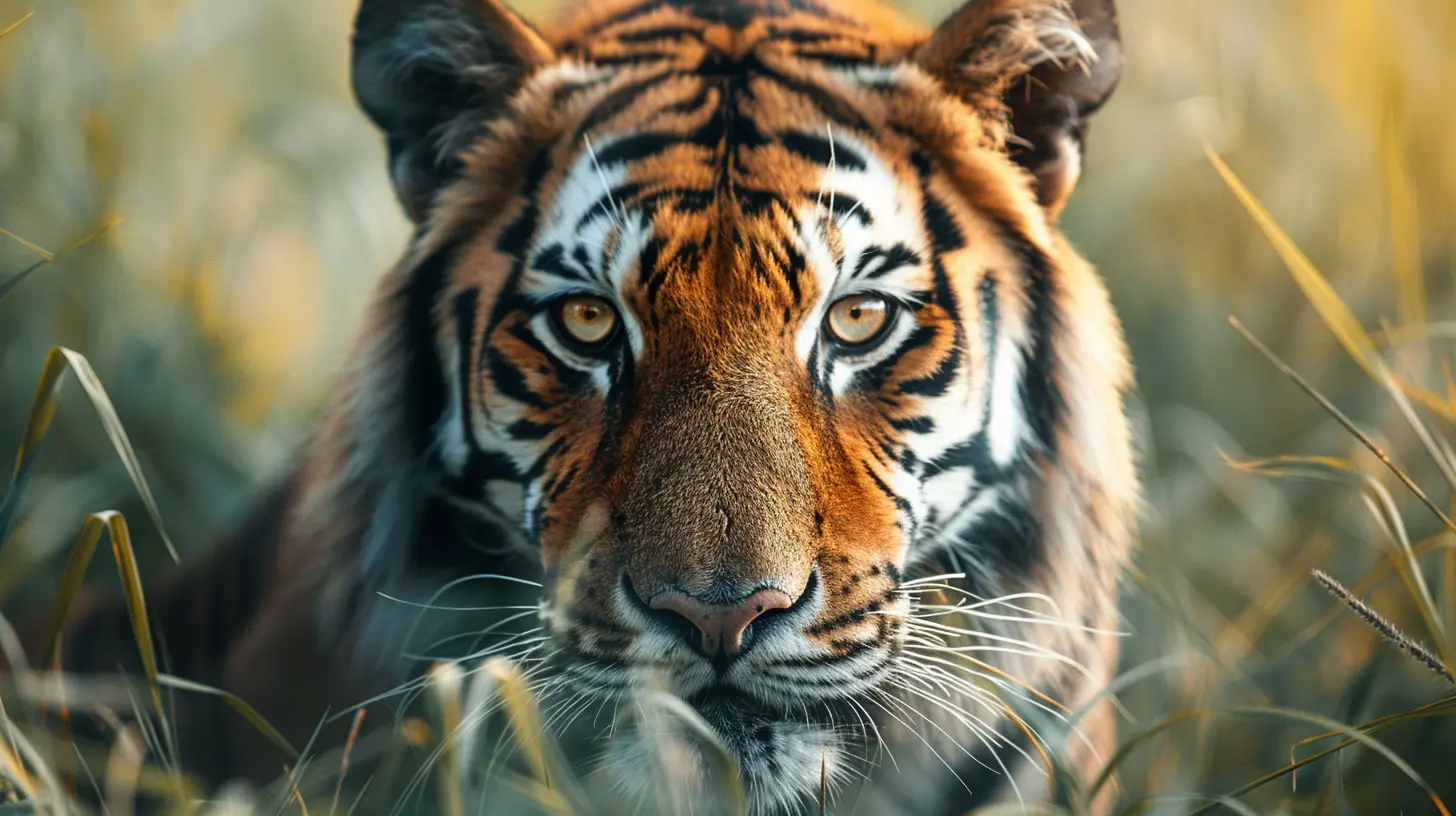
Sustainable Ways to Enjoy Wildlife in the Wild
Now, let’s dig into how you can embrace your inner Attenborough without harming the critters.1. Stick With Ethical Wildlife Tours
Not all wildlife tours are created equal. Some prioritize conservation, while others exploit animals for profit. Before booking, do your homework:- Look for companies certified by organizations like the Global Sustainable Tourism Council (GSTC) or WWF.
- Read reviews—if people mention animal mistreatment (chaining, baiting, or unnatural behaviors), steer clear.
- Choose small group tours. The fewer people, the less stress on the animals.
2. Keep Your Distance (Seriously, No Selfies With That Tiger!)
It’s tempting to get an Insta-worthy shot with a wild animal, but close encounters can be dangerous—for both you and them. Here’s why:- Getting too close can stress animals, altering their natural behavior.
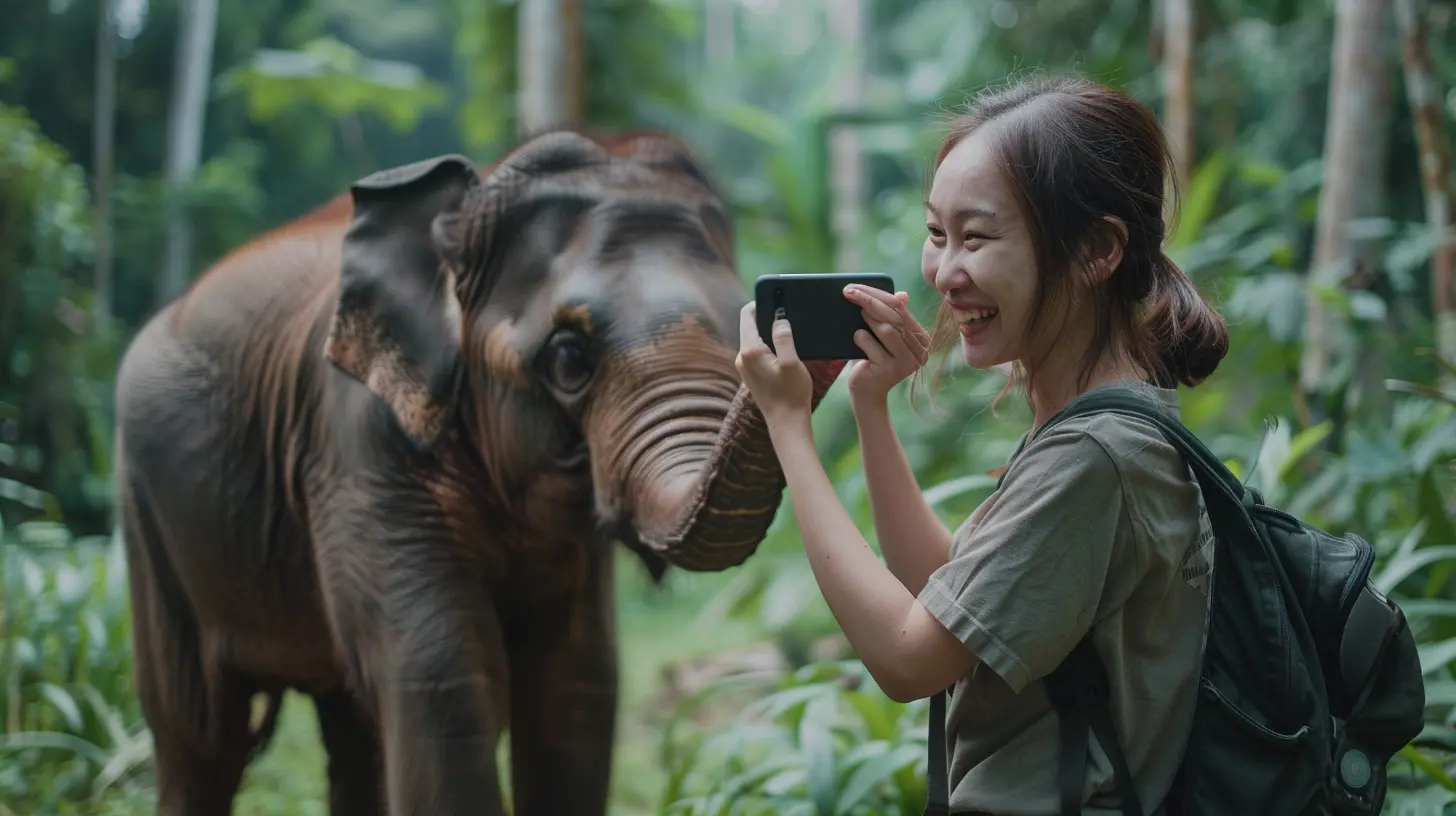
- Some wildlife, like elephants and bears, can be unpredictable (and really strong).
- Feeding animals conditions them to rely on humans—a bad habit that puts them at risk.
A good rule of thumb? If your presence changes the animal’s behavior, you're too close.
3. Support Conservation-Focused Sanctuaries (Not Tourist Traps)
Not all wildlife sanctuaries are legit. Some claim to "rescue" animals but actually exploit them for entertainment. Be cautious of places that:- Offer direct contact (elephant rides, tiger petting, etc.).
- Keep animals in small enclosures with little greenery.
- Have animals performing tricks or unnatural behaviors.
Instead, seek out organizations that actively rehabilitate and release animals whenever possible. A true sanctuary prioritizes animal welfare over tourist amusement.
4. Respect the Environment (Leave No Trace, Ever)
If you wouldn’t dump trash in your grandma’s living room, don’t do it in the wild. Simple as that.- Pack out everything you bring in (yes, even biodegradable stuff like orange peels).
- Stick to designated trails to avoid trampling habitats.
- Use eco-friendly sunscreen and bug spray—many chemicals harm aquatic life.
5. Turn Off the Flash
Flashing bright lights at night animals? Imagine being rudely awakened by a stadium spotlight—yeah, not cool. Flash photography can startle animals, disorienting them or even triggering aggression.If you're photographing wildlife, use a zoom lens and natural lighting instead. Your photos (and the animals) will thank you.
6. Skip the Animal Souvenirs
Buying souvenirs made from animal parts (like ivory, turtle shells, or exotic feathers) fuels illegal wildlife trade. Instead, opt for handmade crafts from local artisans. Supporting these businesses helps communities and protects wildlife. Double win!7. Educate Yourself & Others
Knowledge is a powerful tool. The more people understand ethical wildlife tourism, the better we can protect these incredible creatures.- Follow conservation groups on social media.
- Share responsible wildlife tips with fellow travelers.
- Call out unethical practices when you see them (in reviews, social media, etc.).
What Wildlife Tourism Looks Like When Done Right
Let’s highlight some rockstar destinations where responsible wildlife tourism shines:1. Gorilla Trekking in Rwanda & Uganda
These treks follow strict guidelines—visitor groups are limited, rangers ensure a respectful distance, and each visit supports conservation efforts. Plus, your tourism dollars help protect these endangered primates.2. Whale Watching in Canada
Operators like the Pacific Whale Watch Association set the standard for ethical marine tourism. Boats are required to maintain a safe distance, and many use silent motors to minimize noise pollution.3. Sea Turtle Nesting in Costa Rica
Locals in Tortuguero protect turtle nesting sites through guided tours that ensure minimal disturbance. Instead of handling baby turtles, tourists support eco-conservation efforts by funding nest patrols.4. The Great Migration in Tanzania & Kenya
Wildlife reserves like the Masai Mara work hard to limit tourist numbers and ensure vehicles don’t disrupt migration paths. It's one of nature’s greatest spectacles, best viewed without interference.
The Bigger Picture: Why Your Choices Matter
Every decision you make while traveling—where you go, what companies you support, and how you interact with wildlife—has a ripple effect. Ethical travel doesn’t mean missing out; it simply means appreciating animals in a way that keeps them safe and wild.Remember, real wildlife encounters put conservation first. If an experience doesn’t feel right, trust your gut and walk away.
Final Thoughts
Responsible wildlife encounters don’t require grand sacrifices—just a little mindfulness. By choosing ethical experiences, keeping our distance, and respecting nature, we ensure that future generations can also marvel at the beauty of the wild.So, next time you’re itching for an animal adventure, think: Am I helping or harming? That simple question can make all the difference.
all images in this post were generated using AI tools
Category:
Sustainable TourismAuthor:

Reed McFadden
Discussion
rate this article
2 comments
Damian Martinez
Great tips for ethical travel!
April 8, 2026 at 2:35 AM
Reed McFadden
Thank you! I'm glad you found the tips helpful for ethical travel!
Soren Lozano
Great insights! Promoting responsible wildlife encounters is essential for conservation.
March 11, 2026 at 4:06 AM
Reed McFadden
Thank you! I’m glad you found the insights valuable—responsible encounters truly are vital for conservation.