Respecting Ancestral Traditions: Understanding the Cultural Etiquette of Ancestor Worship
8 July 2026
When you travel the world, it's easy to get lost in the sights, sounds, and smells of a new place. But have you ever stopped to think about the spiritual practices that shape a community's identity? Ancestor worship is one of those time-honored traditions that goes far beyond incense and offerings—it’s a profound cultural connection between the living and the departed. Let's dive into what ancestor worship really is, why it matters, and how to show respect when you witness or partake in it.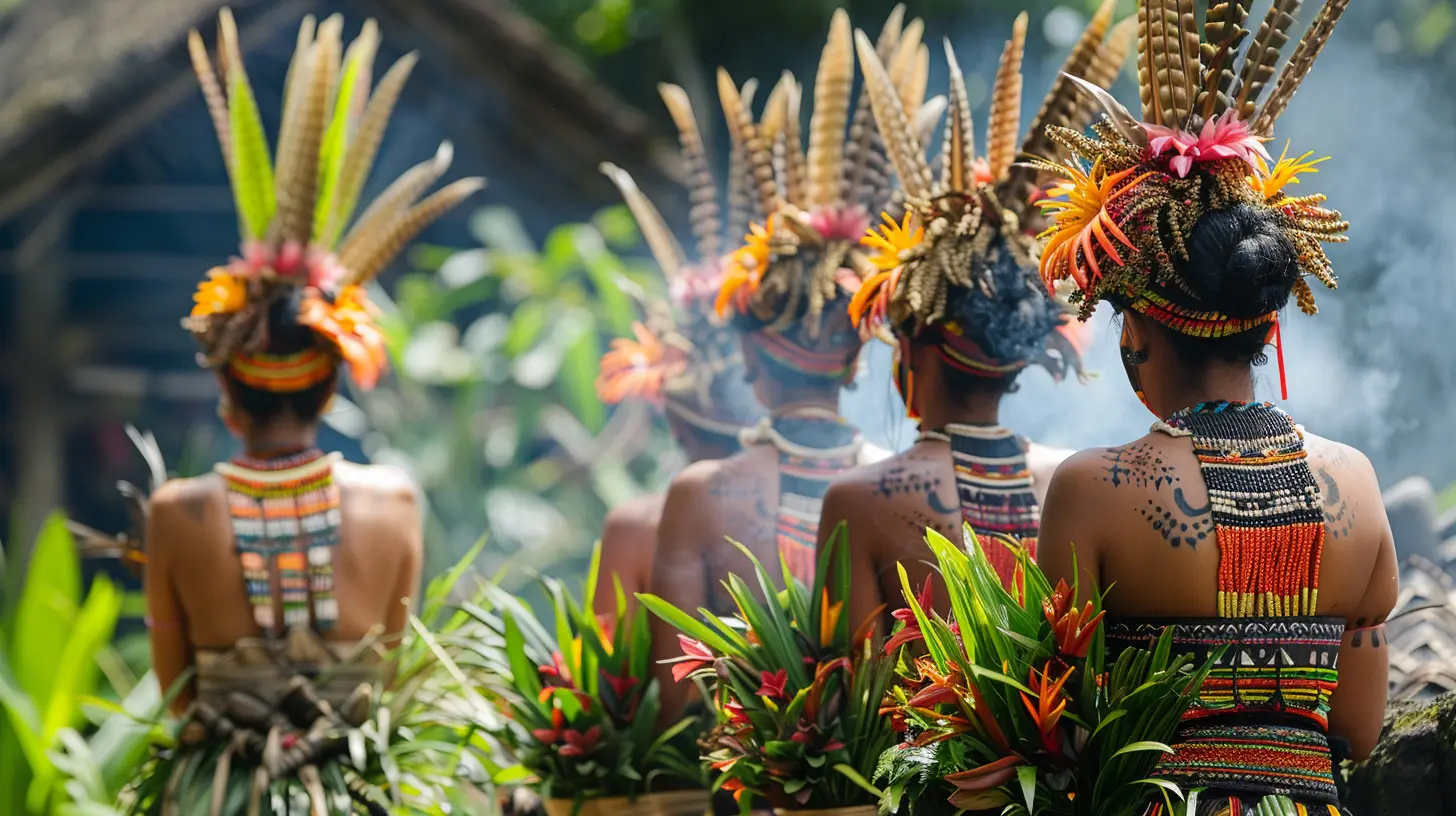
What Is Ancestor Worship Anyway?
Before we jump into etiquette and dos and don'ts, let’s break down what ancestor worship actually means. It's not about idolizing ancestors as gods. Instead, it’s about honoring family members who’ve passed away—recognizing their influence, wisdom, and role in shaping current generations.This practice is especially prevalent in Asia, Africa, and parts of Latin America. In these cultures, ancestors are believed to continue their spiritual journey, remaining connected to their descendants and playing an active role in their lives. Think of it as a cross-generational spiritual handshake—one that never really ends.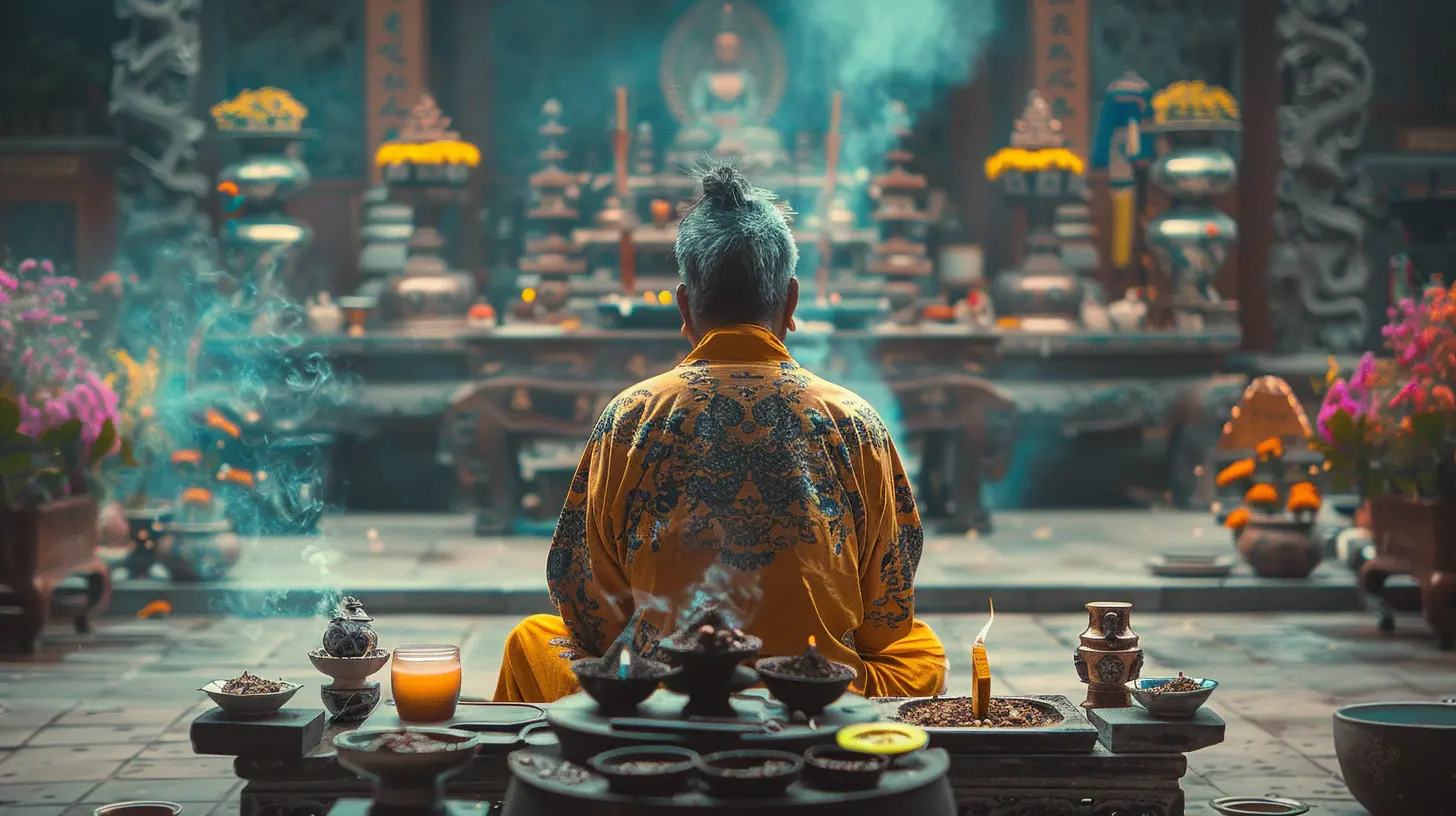
Why Does Ancestor Worship Matter?
Well, imagine growing up with the belief that your great-grandparents are watching over you, cheering you on from the other side. That’s not spooky—it’s comforting. In societies where ancestor worship is practiced, it provides a moral framework, social cohesion, and a sense of belonging. It's a living, breathing part of daily life.People pray for guidance, offer food or incense, and celebrate special rituals to keep the bond alive. Ancestor worship isn't just a one-off event; it's woven into the fabric of community life, from births to weddings to funerals.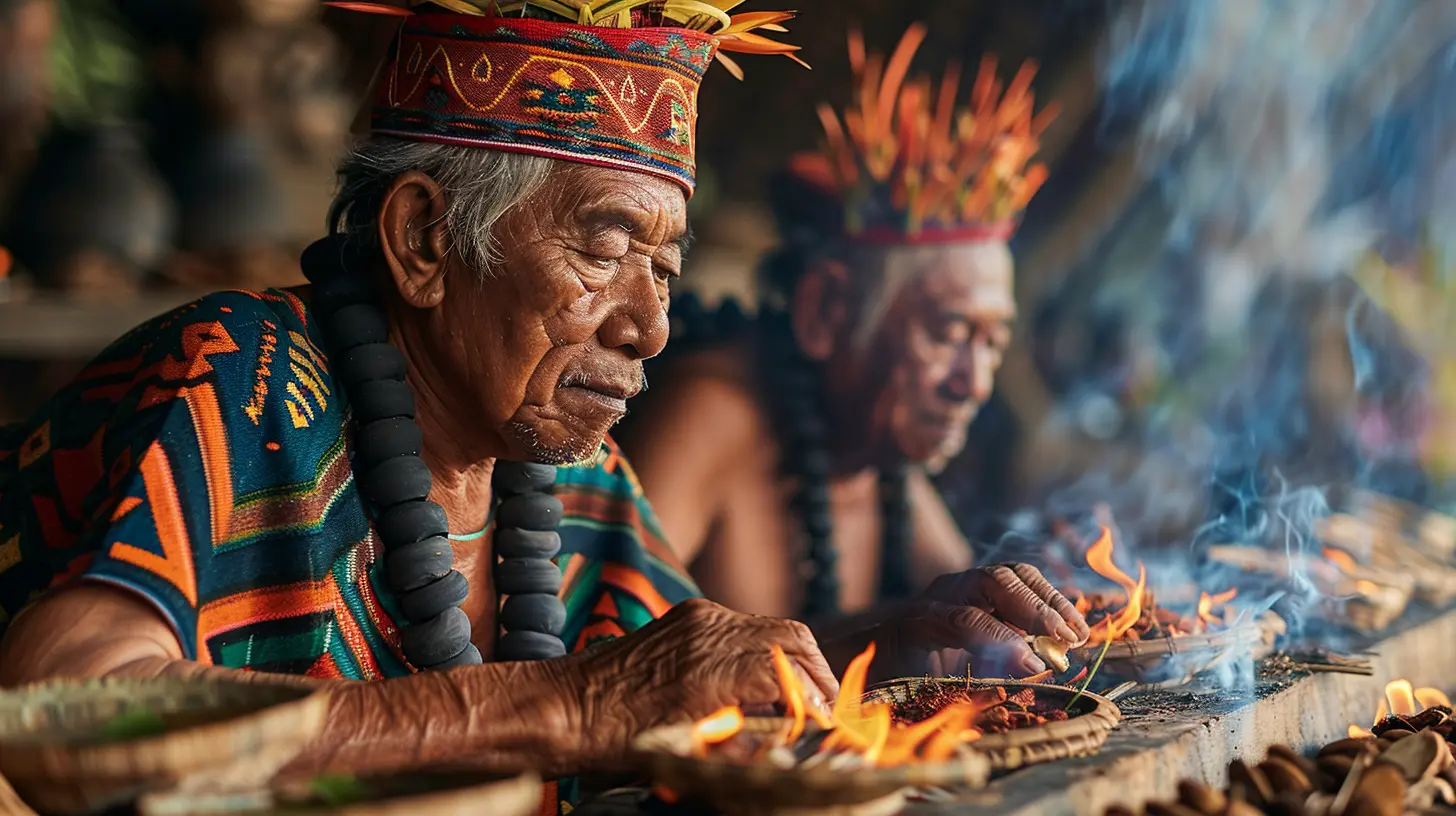
The Cultural Roots: Where It All Began
1. China and Confucianism
In Chinese culture, ancestor worship is deeply tied to Confucianism. The concept of filial piety—basically, deep respect for your parents and elders—extends into the afterlife. Families maintain ancestral tablets, visit graves during the Qingming Festival, and host elaborate ceremonies at home.2. Japan’s Obon Festival
Ever heard of Obon? This Japanese festival is like a family reunion with ghosts. It’s a time when spirits of the ancestors are believed to return to the world of the living. Families light lanterns, dance, and clean graves. It’s lively, loving, and incredibly respectful.3. Africa: A Spiritual Continuum
In many African cultures, ancestors are seen as guardians or intermediaries between the human and spiritual world. Libations, drumming, and storytelling are just a few of the ways people honor their forebears. This isn’t about religion alone—it’s about spirituality, identity, and community roots.4. Latin American Traditions: Día de los Muertos
Mexico’s Day of the Dead is a vibrant celebration of life and legacy. Altars (or ofrendas) are filled with colorful marigolds, photos, candles, and the deceased’s favorite foods. It’s a party with a purpose—remembering and reconnecting.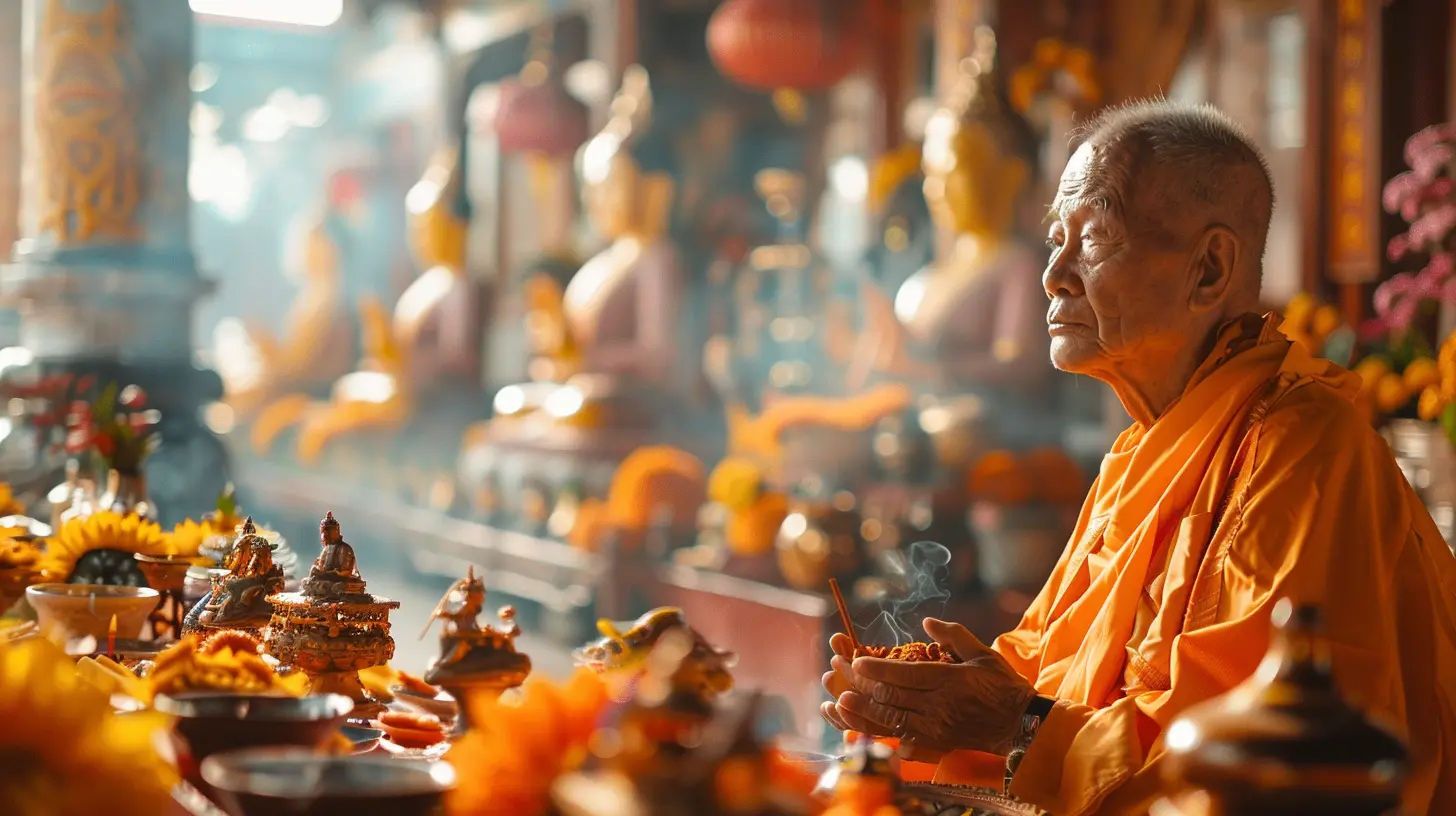
How to Show Respect When Observing or Participating
You don’t have to be an expert in local customs to be respectful. A little awareness and a lot of heart go a long way. Here’s how to approach ancestor worship with dignity and grace, wherever your travels may take you.1. Observe Before Participating
First rule? Watch and learn. Each culture has its unique rhythm and rituals. Show respect by observing quietly. See what others do before jumping in.2. Dress Modestly
Often, these ceremonies are sacred events. It's not the time for shorts, crop tops, or flashy outfits. Think simple, clean, and respectful.3. Ask Questions—But Politely
Curious about what’s happening? That’s okay! Just make sure you ask respectfully and at the right time. Not during a prayer or offering, obviously. Wait until after the ceremony or find someone who seems open to sharing.4. Don’t Touch Sacred Objects
This one’s big. Ancestral tablets, altars, incense, and food offerings are deeply symbolic. Don’t touch unless you’re invited to. Just like you wouldn’t grab a stranger’s wedding ring or baby photos, right?5. Photography: Yes or No?
Always ask first. Some families are okay with photos; others consider it intrusive or disrespectful. When in doubt, don’t snap.6. Join With Humility
If you’re invited to join a ceremony, take it seriously. Follow along quietly. You don’t have to understand every detail, but your respectful presence will mean a lot.The Emotional Side of Ancestor Worship
Let’s be real—this stuff is powerful. Watching a family light incense for a grandmother who passed decades ago or seeing a child whisper to a photo of a lost parent... it hits home. Ancestor worship brings the past into the present and lets people process grief, celebrate life, and maintain spiritual ties. It’s beautiful and deeply moving.You might feel a lump in your throat, especially if it reminds you of someone you’ve lost. That emotional resonance? It’s universal.
Respect Isn’t Just for Ceremonies
Understanding ancestor worship isn’t only about attending rituals. It's about the mindset behind it. It’s about respecting the continuity of life and acknowledging that people still care deeply for their departed loved ones.When you see an altar in someone’s home, don’t treat it like a quirky decoration. When someone offers food to an ancestor, know it’s not just symbolic—it’s sacred.
Common Misconceptions
Let’s clear up a few things.“It’s Just Superstition”
Nope. Ancestor worship isn’t some quirky old belief—it’s a living tradition, filled with love and meaning. Sure, it may seem mystical to outsiders, but so do many practices until you understand the ‘why’ behind them.“It’s Only for the Religious”
Wrong again. Many people who honor their ancestors may not see themselves as religious. It’s more often seen as a cultural and familial rite, not necessarily tied to organized religion.“It’s All About Death”
Not really. Ancestor worship celebrates life, continuity, and connection. It reminds us of where we came from and the values passed down through generations.A Few Don’ts to Keep in Mind
Let’s go over some quick no-go zones:- ❌ Don’t laugh or act casual during rituals.
- ❌ Don’t bring food or drink unless asked.
- ❌ Don’t make comparisons like, “In my country, we do it this way…”
- ❌ Don’t assume everyone practices ancestor worship, even in countries where it’s common.
Remember, respect isn’t about being perfect—it’s about being genuine.
A Personal Take: What I Learned
I once found myself in Vietnam during Tết (Vietnamese Lunar New Year). I was welcomed into a local home, where the family gathered around an altar with pictures of their ancestors. Candles flickered, incense coiled into the air, and soft murmurs of prayer filled the room. I stood silently, not understanding every word but feeling everything. When they handed me a stick of incense, I hesitated. But they smiled and nodded. So, with hands clasped, I placed it in the burner, bowed my head, and said a quiet thank-you—to the family, and to their ancestors.In that moment, I didn’t just witness a ritual. I became part of a tradition that spanned centuries. That’s the power of respecting ancestral traditions.
Final Thoughts: Keep It in Your Heart
Travel is more than ticking off bucket lists. It's about connection. And ancestor worship? It's one of the deepest, most heartfelt expressions of human connection you’ll ever witness. So, next time you’re in a temple in Taipei, a graveyard in Ghana, or a home in Hanoi—slow down, open your heart, and respect what you’re seeing.Because when we honor others' traditions with sincerity, we become better travelers—and better people.
all images in this post were generated using AI tools
Category:
Cultural EtiquetteAuthor:

Reed McFadden
Discussion
rate this article
1 comments
Selina Ruiz
This article offers valuable insights into the importance of cultural etiquette in ancestor worship. Understanding these traditions fosters respect and appreciation for diverse heritage and customs.
August 18, 2026 at 4:57 PM
Reed McFadden
Thank you for your thoughtful comment. I'm glad you found the insights valuable. Understanding these traditions truly enriches our appreciation for diverse cultures.