Remote Island Hopping: A Journey to the World's Most Isolated Shores
1 July 2026
Ever dreamed of escaping the noise and chaos of everyday life? Imagine the sound of waves crashing against untouched shores, barely a footprint in sight, and skies so clear at night you feel like you could pick a star from it. Welcome to remote island hopping—a soul-stirring experience that takes you far from tourist traps and closer to nature’s untouched beauty.
If you're looking for a travel experience that's off the beaten path, full of wonder, and rich in authenticity, then buckle up. Let’s dive deep into the art of hopping from one remote island to another, uncovering spots that feel like they belong to another planet—or at least another time.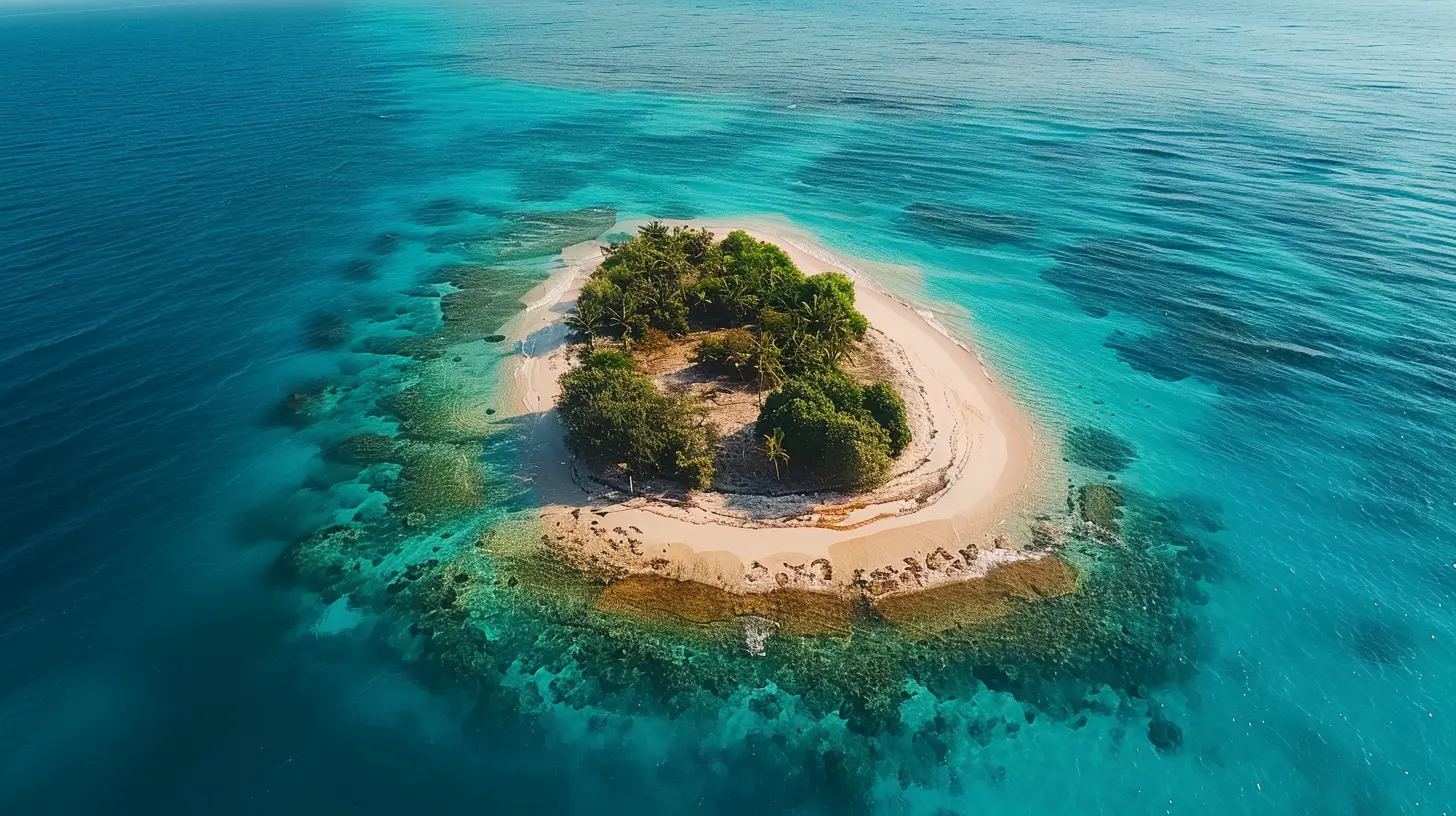
What Is Remote Island Hopping?
Let’s start with the basics. Island hopping usually involves traveling from one island to another within a specific region. But remote island hopping? That’s the next level. Here, we’re talking about visiting islands that are often inaccessible, mysterious, rarely talked about, and sometimes don’t even appear on mainstream maps. These are not your average beach resorts in the Caribbean with pool bars and Wi-Fi. Nah, we’re talking raw, rugged, and ridiculously beautiful places that most people have only seen in movies.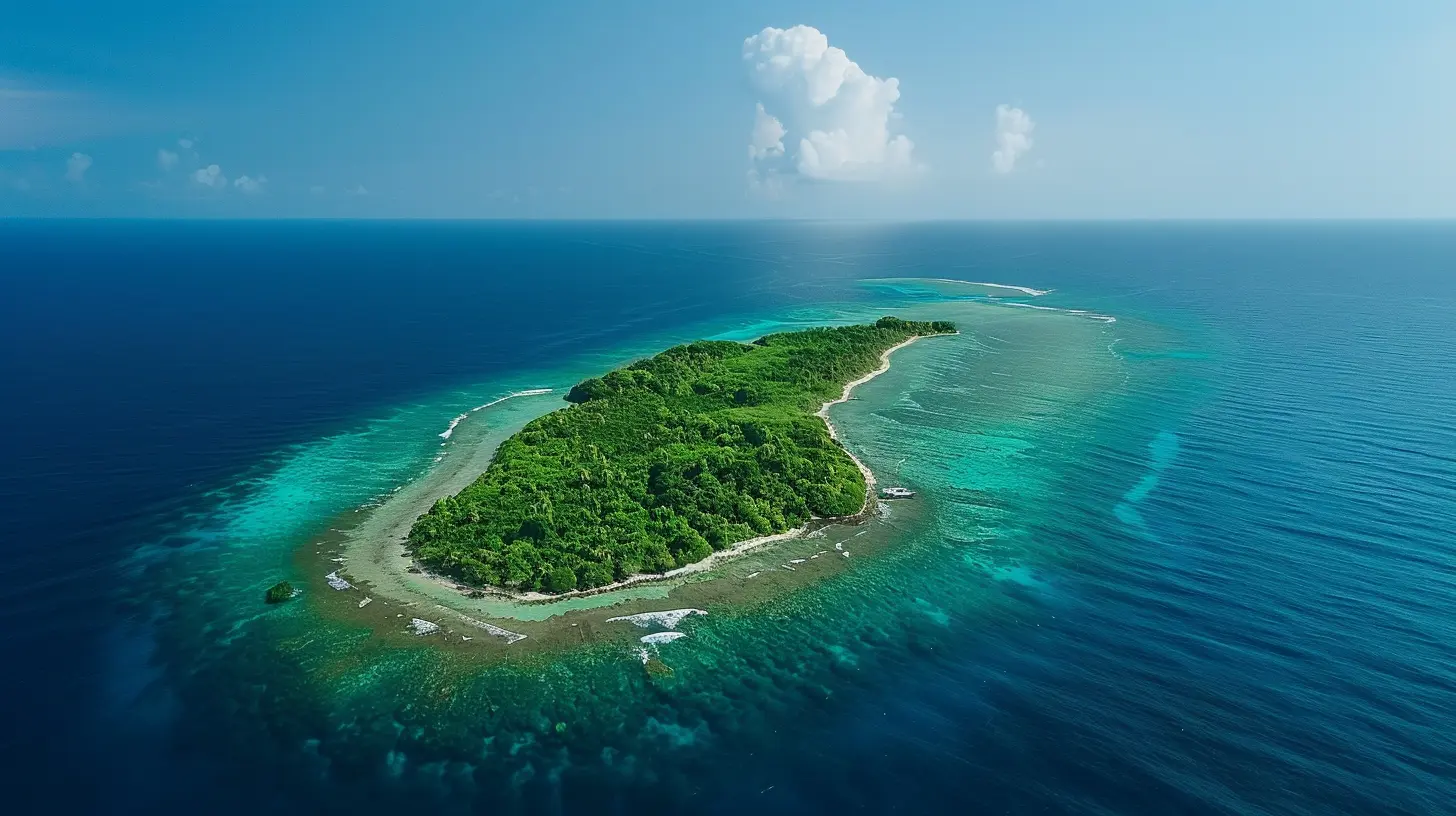
Why Remote Island Hopping Is the Ultimate Escape
You know that feeling when you just crave to disconnect? Like, really unplug—from the emails, the endless TikTok scrolls, and the daily grind. Remote island hopping is the ultimate dose of digital detox. Here's why more adventurers are choosing this unique kind of trip:- Unfiltered Beauty: Think volcanic cliffs, crystal-clear lagoons, wild palm forests, and beaches that stretch for miles with zero people in sight.
- Cultural Immersion: Some of these islands still maintain centuries-old customs. You get to experience life the way the locals have lived it for generations.
- Adventure Factor: From sailing across unpredictable seas to hiking through uncharted trails, it's a rollercoaster for your curious soul.
- Eco-Conscious Travel: Remote islands often mean sustainable travel. Fewer people, less infrastructure, and more respect for nature.
Sounds tempting, right?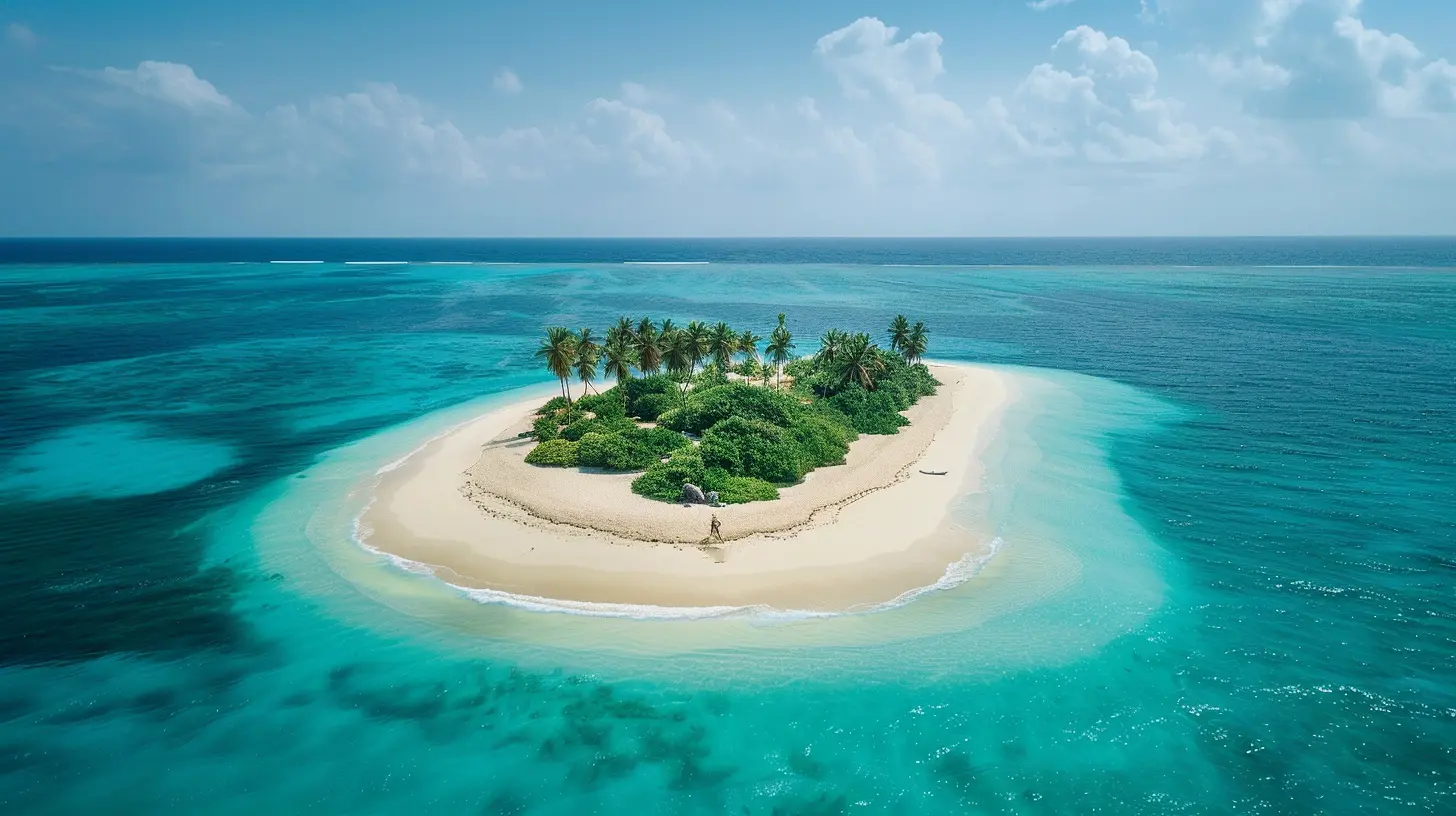
Must-Visit Remote Islands Worth Hopping To
Okay, let’s talk specifics. Where do you even go when you want to start this kind of journey? Here are some of the world’s most breathtaking—and underrated—islands to consider for your remote island hopping adventure.1. The Faroe Islands (Denmark)
This cluster of 18 volcanic islands sits in the North Atlantic, somewhere between Iceland and Norway. If misty cliffs, puffin sightings, and epic hikes sound like your vibe, this is your paradise.- Highlight: The dramatic sea stacks of Drangarnir.
- Best Time to Visit: May to September for mild weather.
- How to Get There: Flights from Copenhagen or ferry services.
2. Tanna Island, Vanuatu
Located in the South Pacific, Tanna is not just remote—it’s alive. Literally. It's home to Mount Yasur, one of the world's most accessible active volcanoes.- Highlight: Nighttime volcano hikes and kava ceremonies with locals.
- Best Time to Visit: April to October (dry season).
- How to Get There: Flights from Port Vila, Vanuatu’s capital.
3. Isla Holbox, Mexico
Though gaining popularity, Isla Holbox remains a hidden gem. With no cars allowed and streets made of sand, it’s a laid-back haven alternating between postcard-worthy beaches and lush mangroves.- Highlight: Swimming with whale sharks and stunning bioluminescent waters.
- Best Time to Visit: June to September for marine life.
- How to Get There: Ferry from Chiquilá, reachable from Cancún.
4. Pitcairn Island, Pacific Ocean
Only reachable by boat and with fewer than 50 residents—yes, 5-0—Pitcairn is as remote as it gets. Rich in nautical history related to the infamous HMS Bounty mutiny, it's a living, breathing time capsule.- Highlight: Fascinating history and jaw-dropping seascapes.
- Best Time to Visit: August to October.
- How to Get There: Expedition cruises or scheduled supply ships from New Zealand.
5. Socotra Island, Yemen
Once you step foot on Socotra, you’ll feel like you’re on another planet. Its alien-like Dragon’s Blood trees and unearthly landscapes make it one of the most unique islands on Earth.- Highlight: Exploring endemic flora and surreal limestone caves.
- Best Time to Visit: October to April.
- How to Get There: Flights from Cairo or mainland Yemen (subject to political climate).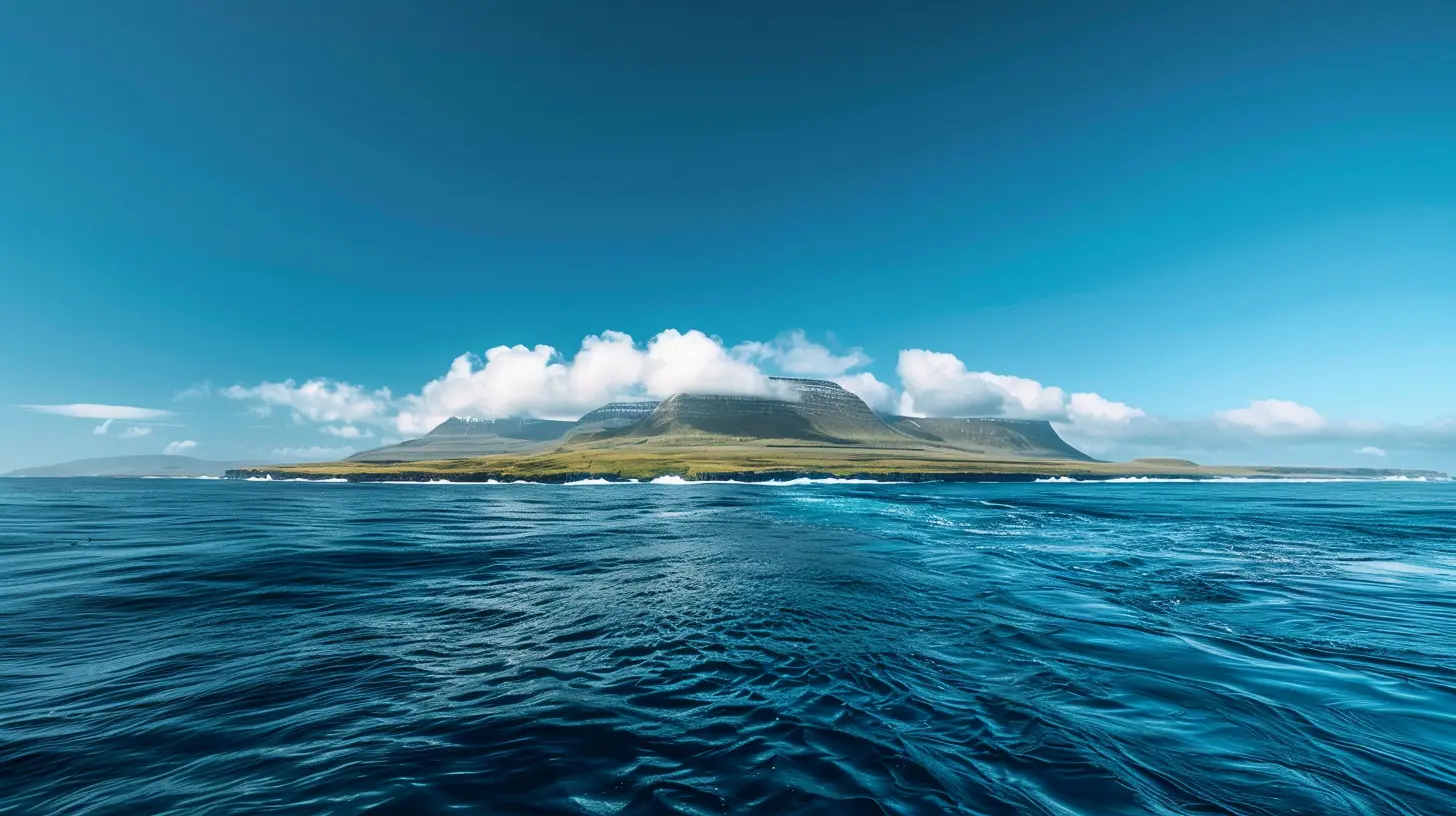
How To Plan Your Remote Island Hopping Adventure
Planning a trip to places literally cut off from the world isn’t like booking a budget holiday to Barcelona. Here’s what you need to keep in mind to make your island-hopping dreams a reality:1. Do Your Homework (Seriously)
Internet can be sketchy, and travel info might be outdated. Cross-check everything. Look for recent travel blogs, reach out to local guides, and always have a Plan B... or C.2. Pack Light But Smart
Essentials matter. Since amenities can be scarce:- Bring water purifiers.
- Waterproof gear (rain loves remote islands).
- Satellite phone? Not a bad idea.
- Travel insurance with emergency evacuation.
3. Respect Local Communities
You're a guest. Learn a few phrases. Respect customs. Ask before taking photos. And always buy local where you can—it supports the economy and adds depth to your experience.4. Go With the Flow
Delays happen. Weather turns. Boats get canceled. Embrace the unpredictability—it’s part of the charm. Remote island hopping teaches you patience... and flexibility.Sailing vs. Flying: What's Better for Remote Island Hopping?
Ah, the age-old adventurer's dilemma. Should you charter a boat or hop on a tiny propeller plane?Sailing Pros:
- You control your route.- Zero airport stress.
- Sleep under the stars on deck.
Sailing Cons:
- Not for the seasick.- Weather-dependant.
- Navigation skills needed.
Flying Pros:
- Quicker access to distant spots.- Great aerial views.
- More time exploring the island.
Flying Cons:
- Expensive.- Limited luggage.
- Remote airstrips = bumpy landings.
The winner? Depends on your style. If you're flexible and adventurous, sailing offers unmatched freedom. Prefer structure and speed? Flying might be your jam.
Hidden Benefits of Remote Island Hopping
Sure, you get the epic Instagram shots, but remote island hopping offers so much more than aesthetic rewards.1. Mental Clarity
When your phone has no signal and the only “notifications” you get are the birds chirping or waves crashing, your brain finally hits reset mode.2. Stronger Connections
Ironically, the less connected you are to tech, the more connected you become to people—especially your travel companions or welcoming island communities.3. New Perspectives
Seeing how isolated communities thrive shifts your worldview. It’s humbling and inspiring all at once.Sustainability and Remote Travel: Your Role as a Responsible Traveler
With great adventure comes great responsibility. Remote doesn’t mean excuse to trash the place. In fact, it’s the opposite.- Pack out what you pack in.
- Choose eco-certified tour guides or operators.
- Don’t collect “souvenirs” from nature.
- Leave only footprints, take only memories.
By being mindful, you help preserve these masterpieces of nature for future generations.
Final Thoughts: Is Remote Island Hopping for You?
Let’s be real. Remote island hopping isn’t for everyone. If you need luxury spas and room service, you might struggle. But if you’re craving raw adventure, soulful silence, and face-to-face time with Earth’s untouched marvels—it might be the most life-changing journey you’ll ever take.So, are you ready to unplug from the world… and reconnect with yourself?
Start packing.
all images in this post were generated using AI tools
Category:
Island HoppingAuthor:

Reed McFadden
Discussion
rate this article
1 comments
Sabina McDougal
Explore breathtaking landscapes and unique cultures on secluded islands.
August 18, 2026 at 4:57 PM