Planning the Perfect National Park Trip with Your Dog
22 February 2026
There's nothing quite like stepping into the great outdoors with your best furry friend by your side. The fresh air, wide-open trails, and the wagging tail beside you—pure bliss, right? But before you head off into the wilderness, let's make sure you've got all your ducks in a row (or should we say tennis balls in your backpack?). From researching park rules to packing pup-friendly snacks, here's your ultimate guide to planning the perfect national park trip with your dog.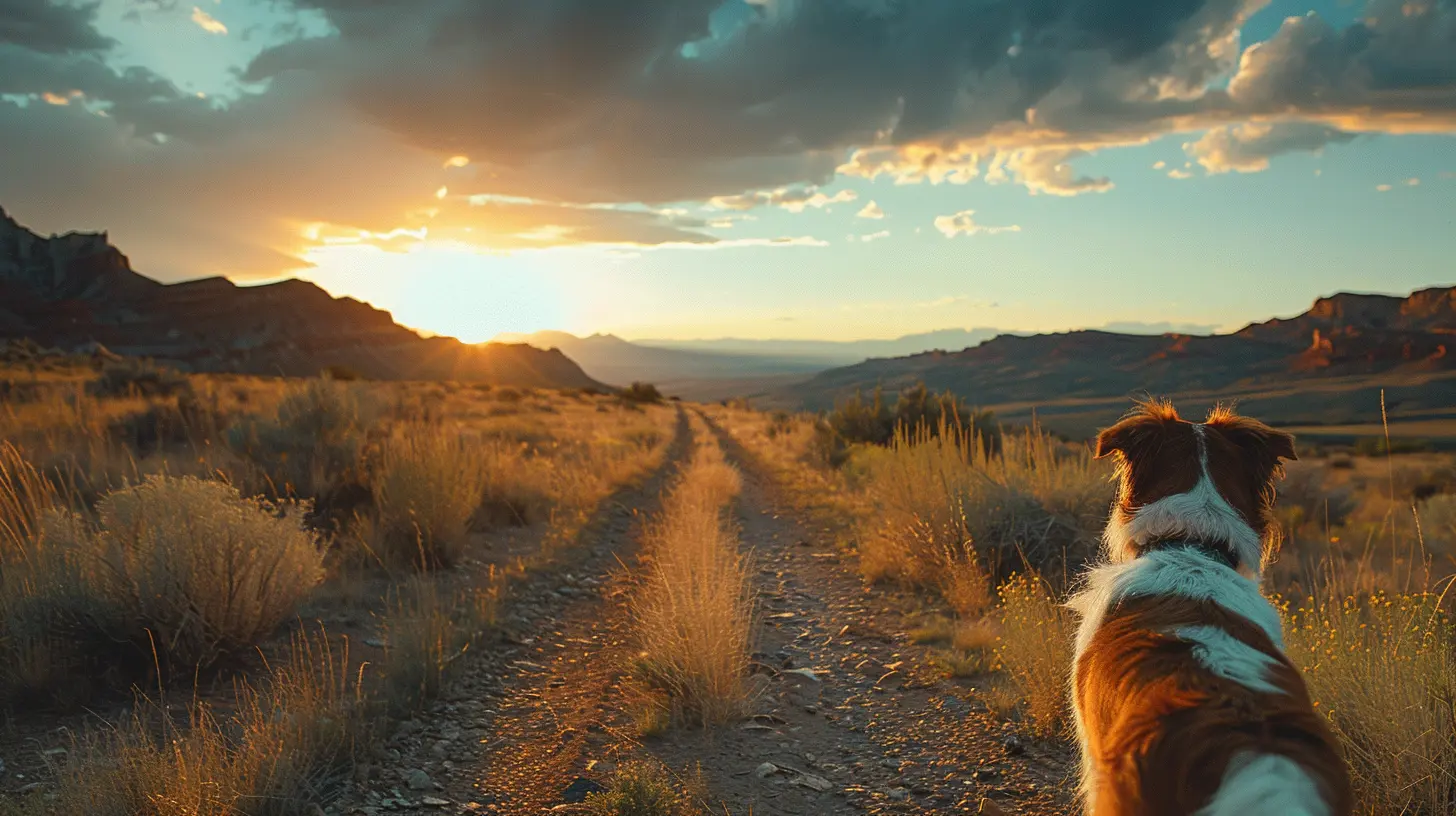
Why National Parks Are a Great Escape for You and Your Dog
There's something magical about national parks. Towering cliffs, serene lakes, dense forests, and surreal sunsets—they offer the perfect escape from the everyday grind. And guess what? Your dog thinks so too. Dogs thrive in nature. The smells, sounds, and sights light up their senses like Christmas morning.But here's the kicker—not all national parks are equally dog-friendly. Some are super welcoming, while others are more restrictive to preserve wildlife and natural habitats. So before you hit the road, a little homework goes a long way.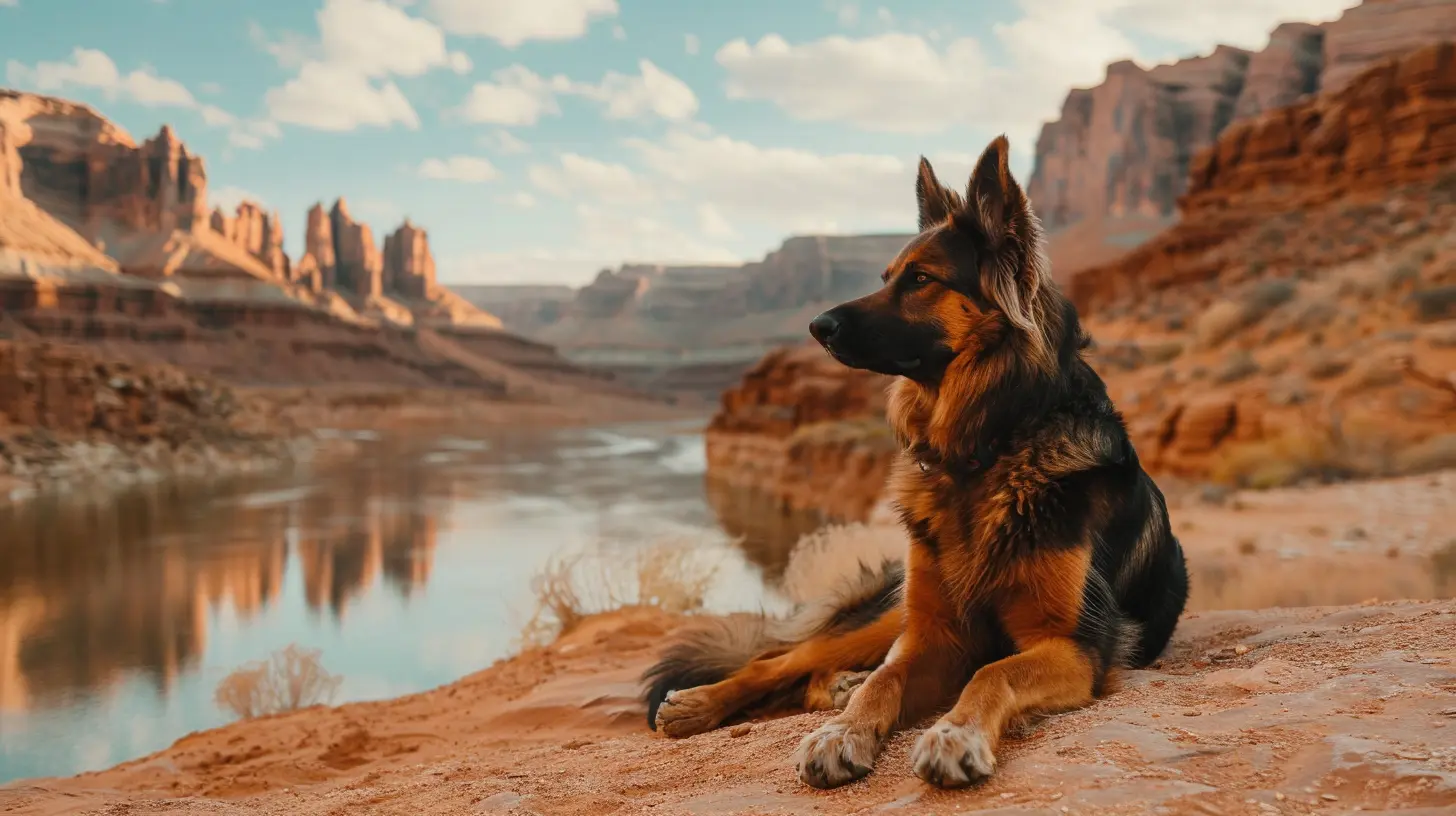
Step 1: Choose a Dog-Friendly National Park
This is where it all starts. Not every national park is designed with pups in mind.Top Dog-Friendly National Parks in the U.S.
- Acadia National Park (Maine) – With over 100 miles of pet-friendly hiking trails and stunning coastal views, Acadia is a pup's paradise.- Shenandoah National Park (Virginia) – Dogs are allowed on almost all 500 miles of trails. Yes, you read that right!
- Grand Canyon (South Rim, Arizona) – Your dog can enjoy paved trails along the canyon, and there’s even a kennel if you want to explore deeper trails solo.
- Great Sand Dunes National Park (Colorado) – Let your pup frolic on the dunes and splash in Medano Creek.
- Cuyahoga Valley National Park (Ohio) – This one is a hidden gem. Tons of dog-friendly trails, and it’s not too crowded.
How to Check If a Park is Pet-Friendly
Head to the official National Park Service (NPS) website. Each park has a “Pets” section detailing where your dog can/can’t go. Look for info on:- Off-limit areas (wilderness zones, visitor centers, shuttle buses)
- Leash rules (most parks require a 6-foot leash)
- Pet waste disposal policies
Pro tip: Download the NPS app for quick access on the go.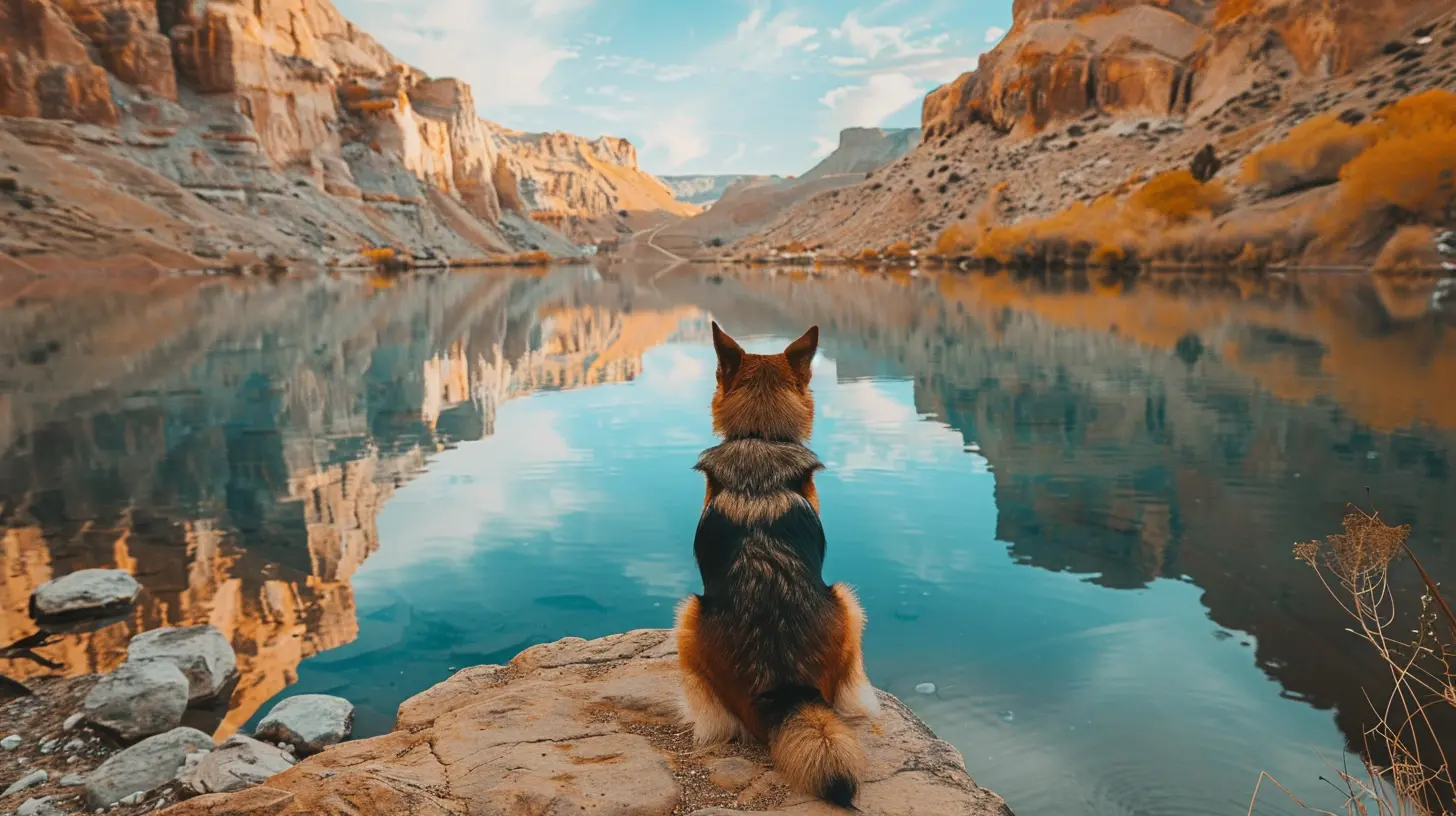
Step 2: Prep Your Pup for the Adventure
Just like you'd train for a challenging hike, your dog needs to be ready too.Health Check? Essential.
Before any trip, especially one with hiking or altitude changes, take your dog to the vet. Make sure:- Vaccinations are up to date
- They're protected against fleas, ticks, and heartworms
- You have any necessary medications
Don’t Forget to Microchip
Even the best-behaved dogs can get spooked and bolt. A microchip (and a sturdy collar with your contact info) is your safety net.Get Your Dog Trail-Ready
Start with shorter hikes close to home. Get them used to walking on different surfaces (gravel, dirt, rocks), and practice leash training. The goal? A calm, confident trail buddy.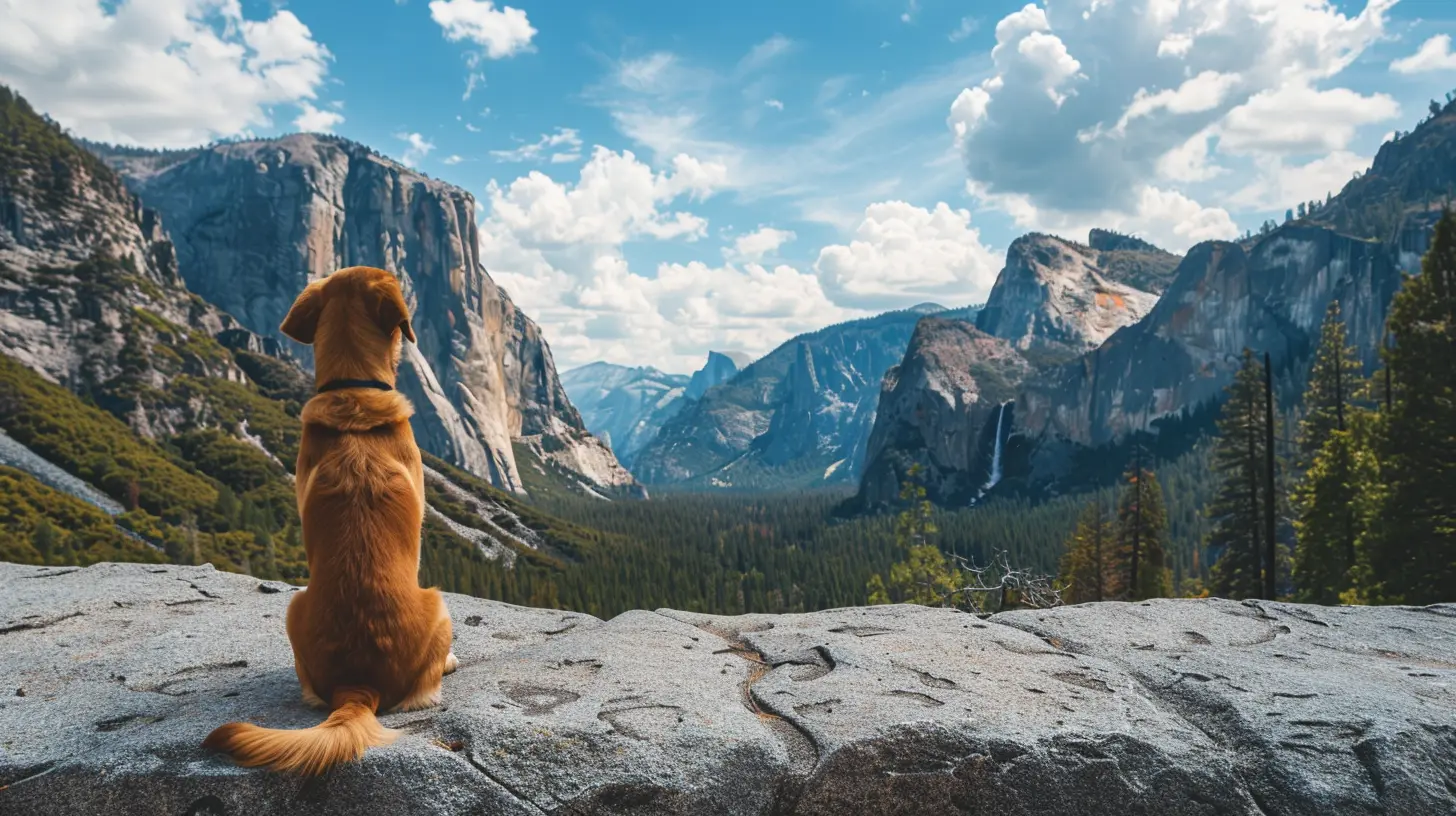
Step 3: Gear Up – Packing Essentials for Your Pup
You wouldn’t go hiking without water, snacks, and sturdy shoes. Your dog shouldn’t either.The Doggie Packing List
Here’s what to toss in your pup’s travel bag:- Leash and collar/harness – Remember, most parks require 6-foot leashes.
- Dog backpack (if your dog is fit to carry)
- Collapsible water bowl and plenty of water
- Paw protection – booties or wax for hot sand or rocky terrain
- Biodegradable poop bags
- Dog food and treats
- Towel – especially handy if there's water involved!
- First-aid kit (include tweezers for ticks, antiseptic wipes, vet wrap)
Want to be extra prepared? Bring a copy of your dog’s vet records, just in case.
Step 4: Find Dog-Friendly Trails and Lodging
So you’ve picked your park. Your pup is geared up. Now what?Navigating Trail Rules
Some parks allow dogs only on paved or designated trails. Others are way more lenient. Either way, stick to marked paths. Not only is it safer, but it also protects native wildlife and ecosystems.Pro tip: Check out AllTrails. They have a filter for dog-friendly hikes and trail reviews from other pup parents.
Sniffing Out Lodging Options
Want to stay overnight? Good news—many parks or nearby towns have pet-friendly lodging, including:- Dog-friendly campgrounds (always double-check leash and noise rules)
- Cabins or lodges with pet policies
- Nearby Airbnb or VRBO rentals with fenced yards
And hey, if you're into roughing it? Make sure your tent has room for your four-legged shadow and bring a cozy dog bed or blanket. They deserve comfort too!
Step 5: Master Trail Etiquette – Be a Courteous Canine Companion
Nobody likes a rogue, barky, potty-untrained trail menace.Trail Etiquette Must-Knows
- Always leash your dog – It's not just polite—it's usually the law.- Scoop the poop – Seriously. Bag it and pack it out.
- Yield to others – Step aside on narrow trails.
- Keep barking to a minimum – Be mindful of wildlife and fellow hikers.
- Watch out for wildlife – Keep your pup from chasing squirrels, deer, or any critters.
Think of it like this: you’re both guests in Mother Nature’s house. Let’s not trash the place.
Step 6: Safety First – Keep Your Dog Happy and Healthy Outdoors
Nature is wild, literally. From poisonous plants to extreme weather, there are a few hazards to watch out for.Stay Cool (or Warm)
If you’re hiking in the summer, go early in the morning or later in the evening. Midday heat can be brutal, especially for short-nosed breeds like bulldogs or pugs.On chilly adventures, bring a doggy jacket or blanket. And remember—dogs can get hypothermia too.
Watch for Signs of Fatigue or Distress
Keep an eye out for:- Excessive panting
- Limping
- Refusing to walk
- Vomiting or diarrhea
At the first sign something’s off, stop. Rest, hydrate, and assess the situation. Better safe than sorry.
Know the Local Wildlife
Some plants are toxic. Some animals don’t want company. Do a little research before your trip and know what’s lurking out there.What to Do if Dogs Aren’t Allowed
Okay, so let’s say your dream park doesn’t allow dogs on the trails. Bummer, right? But all hope’s not lost.Consider These Options:
- Pet kennels or daycare nearby – Some parks have on-site facilities or partner with local businesses.- Alternate trails outside the main park – Adjacent U.S. Forest Service or BLM land often allows dogs.
- Switch to a dog-friendly park – Trust us, there’s plenty to choose from!
Don’t risk sneaking your pup in where they’re not allowed. It can be dangerous for your dog, native wildlife, and you could face hefty fines.
Make it Memorable – Capture the Moments
You know this already—dogs don’t live forever. One day, you’ll look back on this trip with misty eyes and a full heart.So snap those photos. Record your pup charging up a hill or snoozing by the fire. Laugh at the muddy paws and shared snacks. These are the moments that last.
Final Tips Before You Hit the Trail
Let’s wrap this up with some rapid-fire reminders:- Plan in advance – The best spots (and campsites) fill up fast.
- Check the weather – Rainy, snowy, or crazy-hot days are no fun for anyone.
- Know the park hours – Some close at sundown.
- Respect leash laws – For the safety of your pup and the wild around you.
- Leave no trace – Pack out all trash, including poop bags.
Conclusion: Trails, Tails, and Unforgettable Memories
Planning a national park trip with your dog isn’t just a vacation—it’s a bonding experience. With the right prep, gear, and trail manners, you and your pup can have the time of your lives. Whether you wander through pine-scented forests or perch on the edge of a canyon, one thing’s for sure: every adventure is better when your best friend is along for the ride.So leash up, pack smart, and get ready to make some paw-some memories.
all images in this post were generated using AI tools
Category:
National ParksAuthor:

Reed McFadden
Discussion
rate this article
2 comments
Brandon Horne
Exploring national parks with your dog is an unforgettable adventure! Prioritize proper planning, pack essentials, and embrace the journey together. Let nature's beauty create cherished memories for both of you!
March 11, 2026 at 4:06 AM
Reed McFadden
Thank you for your wonderful insights! Proper planning truly enhances the adventure, ensuring both pets and owners have a memorable experience in nature. Happy travels!
Kassidy Scott
Adventure awaits—paws and all! 🐾
February 22, 2026 at 5:50 PM
Reed McFadden
Absolutely! Exploring national parks with our furry friends is the ultimate adventure. 🐶✨