Places Where the Sky Comes Alive at Sunset in 2026
25 October 2026
Sunset is the one show that never gets canceled. No tickets, no reservations, no dress code. Yet the experience varies wildly from one latitude to another, and from one season to the next. A sunset over a Greek island in July is a completely different event from a sunset over the same island in November. The light bends differently, the clouds behave differently, and the crowds certainly behave differently.
This guide is for travelers who plan trips around light. Not just photographers, though they will find plenty here, but anyone who has stood somewhere and felt the sky do something extraordinary. Below you will find destinations where the combination of geography, atmosphere, and timing produces sunsets that reliably reward the effort of getting there, along with honest guidance on when to go, what can go wrong, and how to avoid the mistakes that turn a once-in-a-lifetime evening into a crowded disappointment.
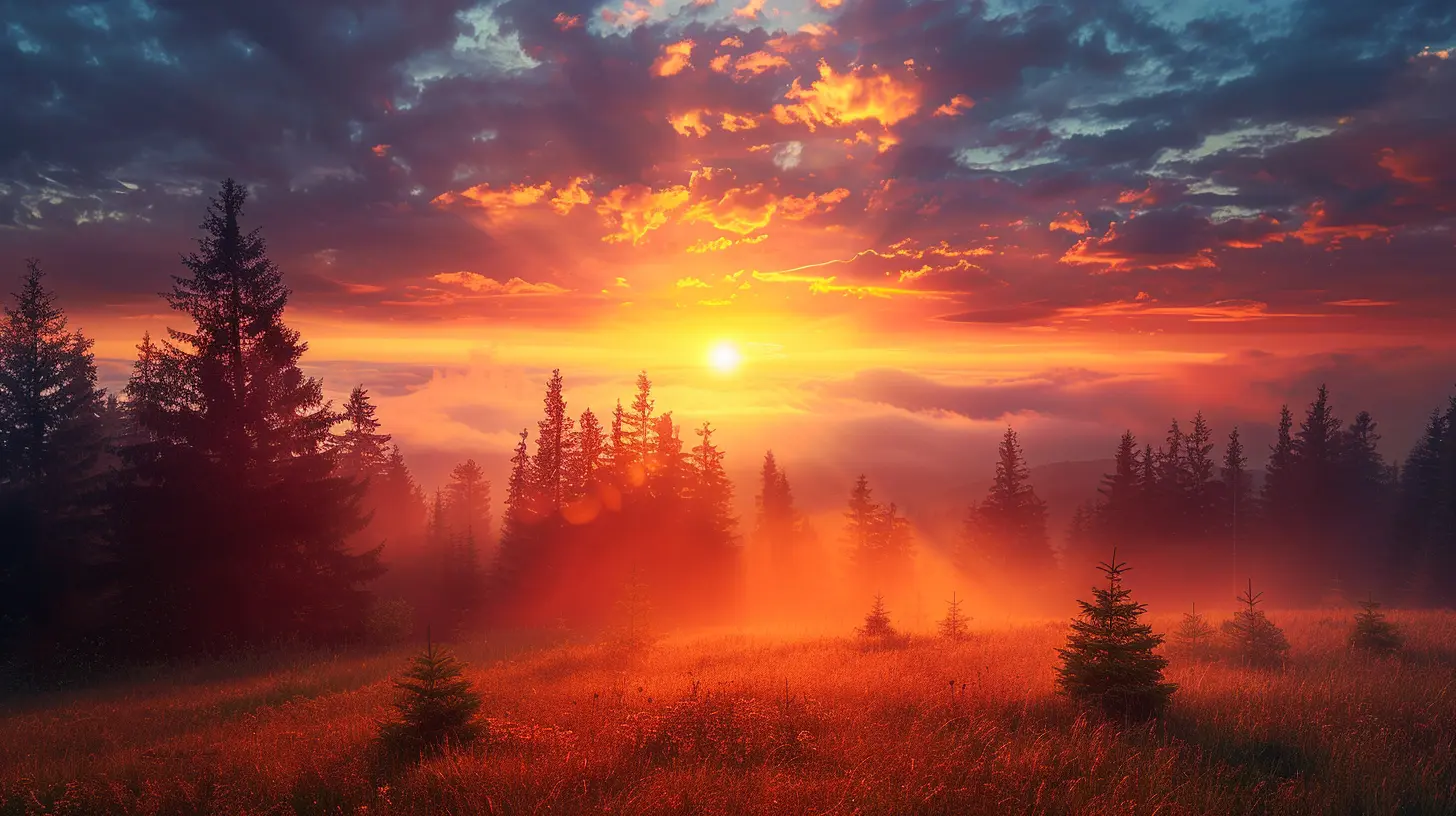
What Actually Makes a Sunset Extraordinary
Before listing places, it helps to understand why some sunsets outperform others. This is not mysticism. It is atmospheric physics, and it explains why certain locations deliver consistently while others are a gamble.The science behind the color
Sunlight travels through more atmosphere at sunset than at midday. That longer path scatters away the short blue wavelengths and lets the long red and orange ones through. Add particles, and the effect intensifies. Dust, sea salt, volcanic aerosol, and humidity all act as filters and diffusers. This is why maritime locations often produce deep, saturated color, and why deserts can deliver fiery skies after a windy day.Clouds are the wild card. A perfectly clear sky at sunset is often boring: a gradient from yellow to pale blue, gone in twenty minutes. The memorable sunsets need mid-level and high-level clouds to catch the light after the sun has dropped below the horizon. This is the single most useful thing to understand. If you want drama, you want scattered clouds, not a clear sky and not a solid overcast.
Why geography matters more than luck
Some places stack the deck. A west-facing coast with clean ocean air, a mountain range that casts a shadow while the upper sky stays lit, or an archipelago that puts islands between you and the horizon all increase the odds of something special. Altitude helps too. Standing 2,000 meters up puts you above much of the haze and gives you a longer window of usable light.The takeaway: choose locations where the geography does part of the work for you, then accept that no single evening is guaranteed.
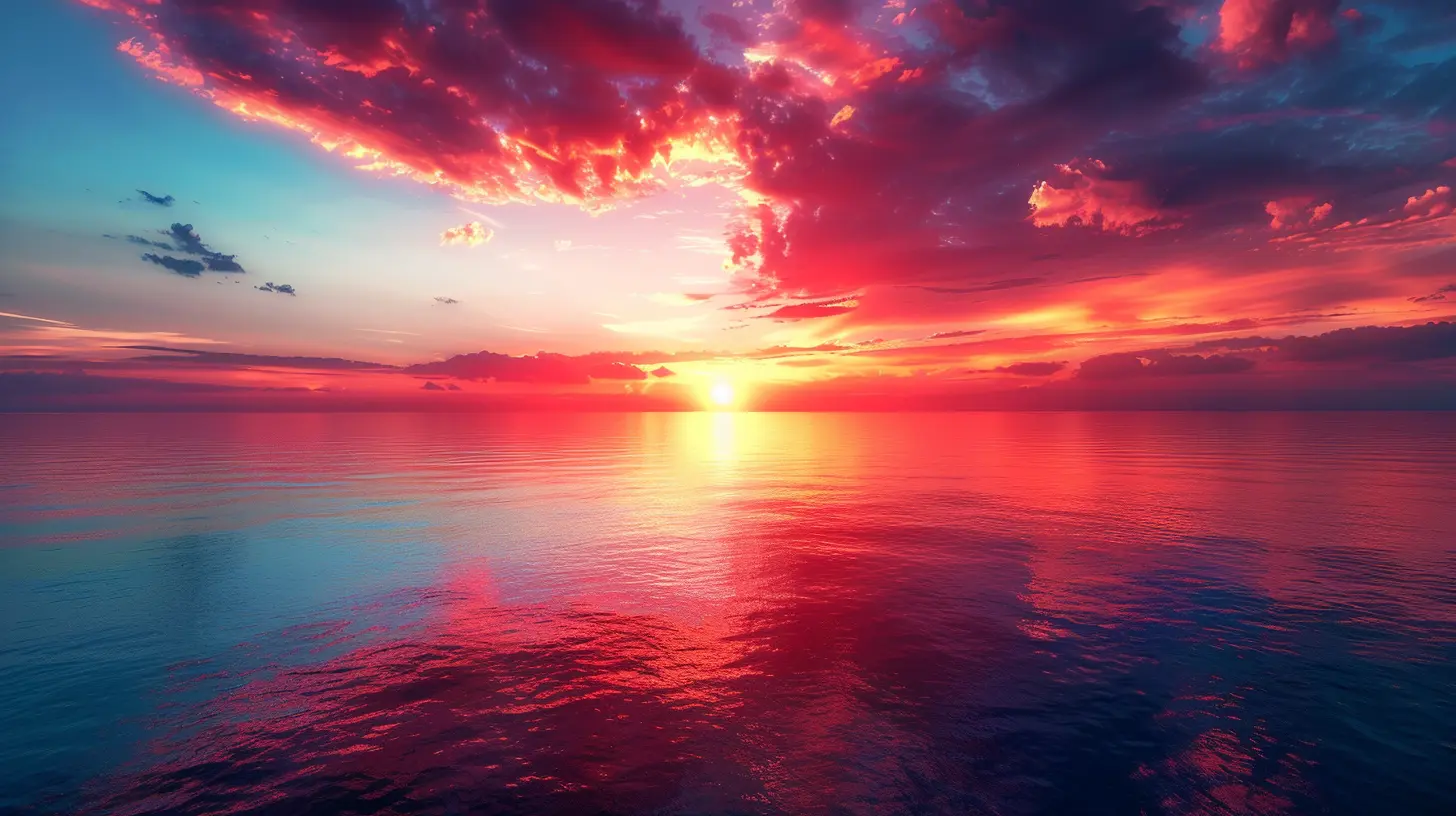
Coastal and Island Sunsets
Santorini, Greece: still worth it, with conditions
Santorini is the obvious choice, and the obvious choice is obvious for a reason. The caldera's westward orientation, the whitewashed buildings that bounce warm light, and the Aegean haze combine to produce sunsets that genuinely live up to the photographs.Here is the trade-off nobody mentions in the brochures. Between June and August, Oia's sunset viewpoints are standing-room only, and the experience can feel like a stadium event rather than a quiet moment. If you want the view without the crush, consider these alternatives:
- Visit in late April, May, or October, when crowds thin and the light is arguably better because the air is clearer.
- Watch from Imerovigli or Pyrgos instead of Oia. You get the same caldera orientation with a fraction of the people.
- Book a caldera-facing room and watch from your terrace. You pay for it, but you buy back the atmosphere.
The common mistake is treating sunset as a single event. On Santorini, the best light often arrives 15 to 25 minutes after the sun disappears, when the sky turns violet and pink. Most people leave too early.
The Big Island, Hawaii: volcanic atmosphere
Hawaii's Kona coast benefits from something unusual: volcanic aerosol in the air. When Kilauea is active, the vog (volcanic smog) can produce intensely colored skies. When it is quiet, the air is clean and the sunsets are gentler. Neither is better, but they are different, and travelers should set expectations accordingly.The practical advice here is about positioning. The Kona coast faces west with open ocean to the horizon, which gives you an unobstructed view. Mauna Kea offers altitude and, on clear evenings, the sunset followed by world-class stargazing. Note that altitude affects people differently, and the drive down after dark requires care. Do not treat the summit as a casual stop.
Western Australia's Coral Coast: scale and emptiness
From Exmouth down to Shark Bay, the coastline faces west across the Indian Ocean with almost nothing between you and the horizon. The sunsets here are not famous in the way Santorini's are, which is precisely the point. You can often have an entire beach to yourself.The trade-off is access. Distances are enormous, and you need a vehicle and a plan. The reward is a sunset with no crowd, no noise, and a horizon that feels endless. For travelers who value solitude over convenience, this region delivers.
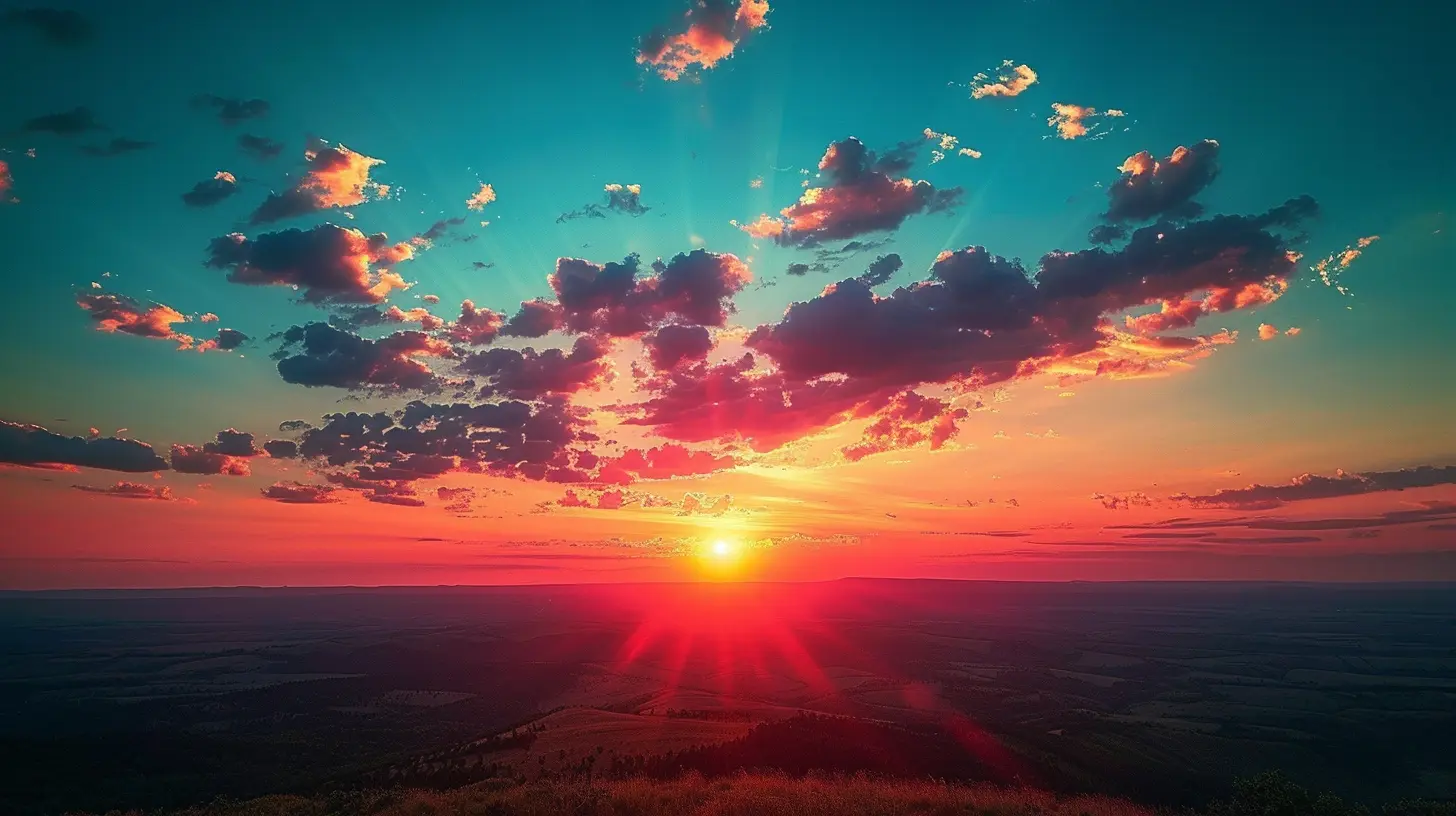
Desert and Canyon Sunsets
Sedona, Arizona: red rock as a light reflector
Sedona works because the landscape does not just receive light, it reflects it. The red sandstone catches the low sun and throws warm color back into the sky and onto surrounding formations. This creates a two-way light show that flat terrain cannot match.Timing matters more here than most places. The best window is typically the 30 minutes before and after official sunset. Position yourself at a spot with a clear western view and rock formations to the east that will catch the afterglow. Airport Mesa and Cathedral Rock are popular for good reason, but they also draw crowds. Consider less famous viewpoints along Dry Creek Road, and arrive early enough to park legally. Parking enforcement in Sedona is real, and a ticket will ruin the mood.
The Atacama Desert, Chile: clarity above the haze
Atacama offers some of the driest air on earth, which means minimal atmospheric interference. Sunsets here are clean and sharp rather than hazy and diffuse. The colors tend toward deep oranges and purples against a sky that stays visible longer than in humid climates.The catch is altitude and temperature. Evenings drop fast, and the wind can be fierce. Bring layers you can add quickly. Also, do not assume every evening will deliver. The clarity that makes Atacama special also means fewer clouds, and fewer clouds mean less drama. Check the forecast and plan for multiple evenings if sunset is a priority.
Monument Valley, USA: silhouette and scale
Monument Valley's buttes and mesas create silhouettes that turn a good sunset into a great one. The formation shapes frame the light and give the eye something to anchor on. The classic view from the visitor area is genuinely excellent, but the valley floor offers more.Consider a guided tour that runs into the evening. Navajo guides know the light and the timing, and access to certain areas is restricted without a guide. This is one case where paying for local expertise directly improves the experience. Also note that the valley observes daylight saving time inconsistently with surrounding areas, so confirm the actual sunset time locally rather than trusting your phone.
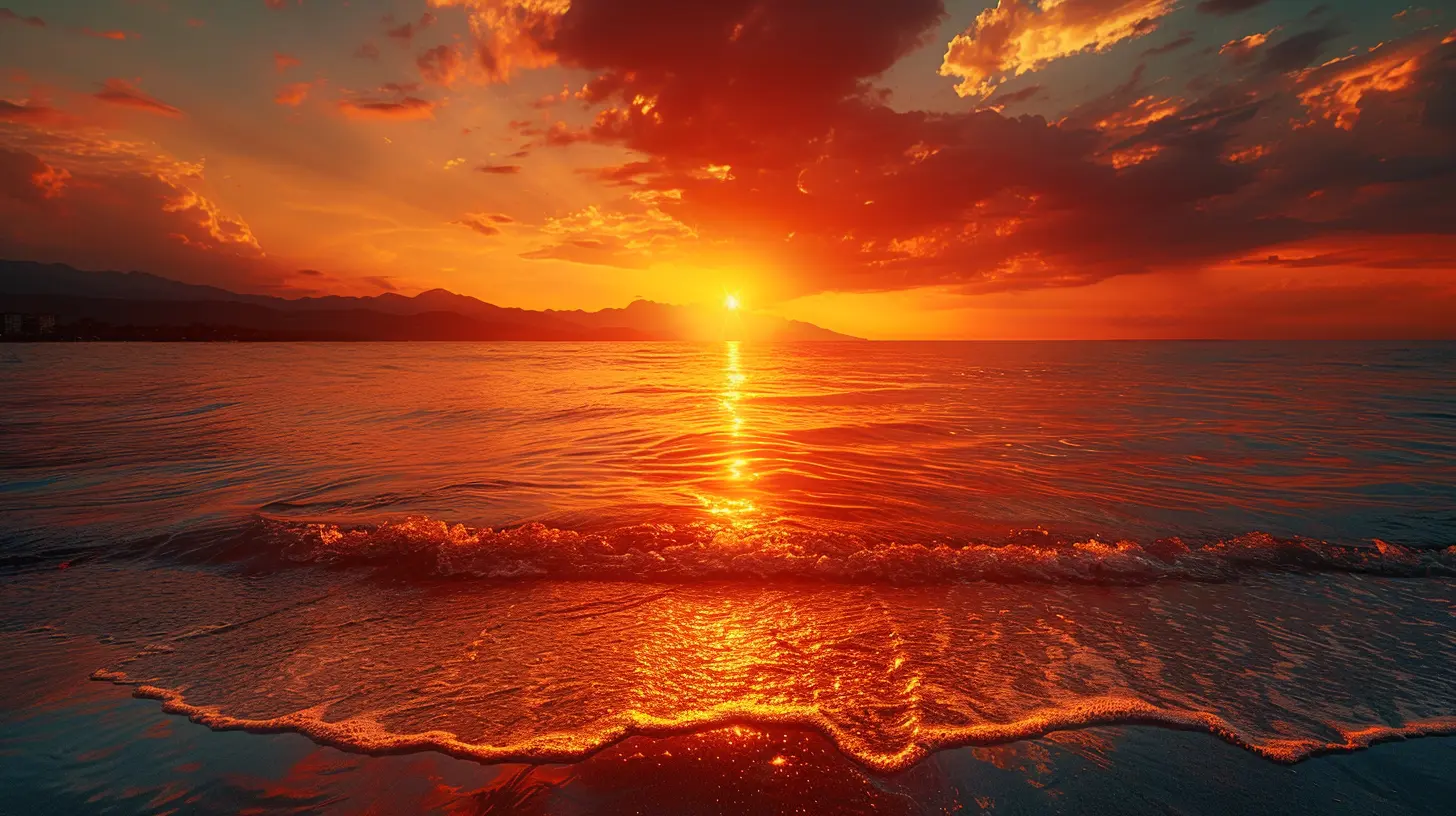
Mountain and High-Altitude Sunsets
The Dolomites, Italy: alpenglow and timing
The Dolomites are famous for enrosadira, the phenomenon where the pale rock faces turn pink and then red at sunset. This happens because the limestone reflects the low-angle light. It is not guaranteed every evening, but it is common enough to plan around.The key insight is that you do not need to be at the summit. You need a clear line of sight to the peaks from a position that is itself in shadow or lower light. Many valleys and passes offer this. The Seiser Alm plateau, for example, gives you wide views without a technical climb.
Trade-offs: mountain weather changes quickly, and afternoon thunderstorms are common in summer. Start early, watch the sky, and have a backup plan. Cable cars often stop running before sunset, so check schedules and plan your descent.
Mount Teide, Tenerife: sunset above the clouds
Teide's high altitude often puts you above the cloud layer, which means you can watch the sun set into a sea of clouds rather than into the ocean. This is a genuinely different experience, and it is accessible via cable car and road.Practical considerations: the cable car's last ascent is typically in the late afternoon, and you must descend before the final car. Staying for the actual sunset often requires a permit or a guided tour. Temperatures at altitude are much colder than at the coast, sometimes by 15 degrees or more. Pack accordingly, even in summer.
Urban Sunsets
New York City: the Manhattanhenge effect
Twice a year, around late May and mid-July, the setting sun aligns with Manhattan's east-west street grid. The result is a burst of light down the cross streets that turns ordinary blocks into temporary stages. This is Manhattanhenge, and it draws crowds.The dates are approximate and depend on the street grid's slight tilt, so check a reliable astronomical source for the current year rather than relying on a fixed date. The best viewing spots are the wider cross streets with clear views east, such as those near the United Nations or along 42nd Street. Arrive well before sunset; the good spots fill up.
A misconception worth correcting: Manhattanhenge is not the only good urban sunset in the city. The High Line, Brooklyn Bridge Park, and the waterfront in Long Island City offer west-facing views that are excellent year-round with far less crowding.
Lisbon, Portugal: west-facing river and hills
Lisbon faces the Atlantic via the Tagus estuary, and the city's hills create multiple vantage points. The sunset light here is warm and often hazy in a way that softens the city's edges. Miradouros (viewpoints) are scattered across the city, and each has a different character.The trade-off is that the most famous viewpoints, such as those in Alfama, get crowded. Locals tend to favor less central spots. Ask at your accommodation for a neighborhood miradouro rather than defaulting to the guidebook options.
Practical Advice for Sunset Chasing
Timing: the 20-minute rule
The most common mistake is arriving at sunset and leaving at sunset. The best light usually comes in the 20 minutes after the sun crosses the horizon, and sometimes in the 20 minutes before. Plan to be in position 45 minutes early and stay 30 minutes late. This single habit will improve your results more than any gear purchase.Weather: what to hope for
You want scattered mid and high clouds, not a clear sky and not a solid overcast. A useful rule of thumb: if you can see distinct cloud shapes with gaps between them, conditions are promising. If the sky is uniform gray or perfectly blue, temper your expectations.Crowds: go where the light is, not where the list is
The famous sunset spots are famous for a reason, but they are also the most crowded. Often a viewpoint 500 meters away offers 90 percent of the view with 10 percent of the people. Do a little map work before you go.Gear and preparation
- Bring a light jacket even in warm climates. Temperature drops fast after sunset.- Carry a headlamp or phone light for the walk back.
- Know the sunset time and the twilight duration for your latitude and date. Higher latitudes have much longer twilight in summer.
- Check whether your viewpoint has a safe exit route after dark.
Common misconceptions
- "Clear skies make the best sunsets." False. Clouds make the color.- "Sunset is a single moment." False. It is a 60 to 90 minute arc of changing light.
- "The best spot is the highest point." Not necessarily. You want the right angle to the light, not maximum altitude.
- "Summer is always best." Not for light. Shoulder seasons often bring clearer air and better cloud structures.
Planning Your 2026 Trip Around Light
If sunset is a priority, build flexibility into your itinerary. Book at least two evenings in any destination where the sky is the main attraction. One evening is a gamble; two converts a gamble into a strong probability. Check seasonal cloud patterns for your destination rather than assuming, and cross-reference with local advice when you arrive.Also consider the direction of travel. If you are moving west, you will chase the light and gain evening time. If you are moving east, you will lose it. This sounds trivial, but it affects how you schedule each day.
Finally, resist the urge to optimize everything. Some of the best sunset experiences happen when you are not trying, sitting on a wall with nowhere else to be. The places in this guide are worth planning around, but the plan should leave room for the evening to surprise you.
all images in this post were generated using AI tools
Category:
Sunset SpotsAuthor:

Reed McFadden

