Native American History in the National Parks
23 March 2026
When we walk through the majestic landscapes of America’s National Parks—whether it’s the towering cliffs of Yosemite, the sun-drenched mesas of the Grand Canyon, or the ancient forests of the Smoky Mountains—we’re stepping into land that holds stories far older than the parks themselves. These places didn’t suddenly become special when the National Park Service put up a sign. Long before hiking boots and selfie sticks, Native American tribes were living, thriving, and building rich, meaningful cultures in these very spaces.
Native American history is woven deep into the soil, rivers, and rocks of this country. And the National Parks? They’re like living museums, preserving not just nature, but centuries of indigenous heritage. So let’s go on a journey — one that’s less about ticking off scenic viewpoints and more about connecting with the roots that run through these iconic landscapes.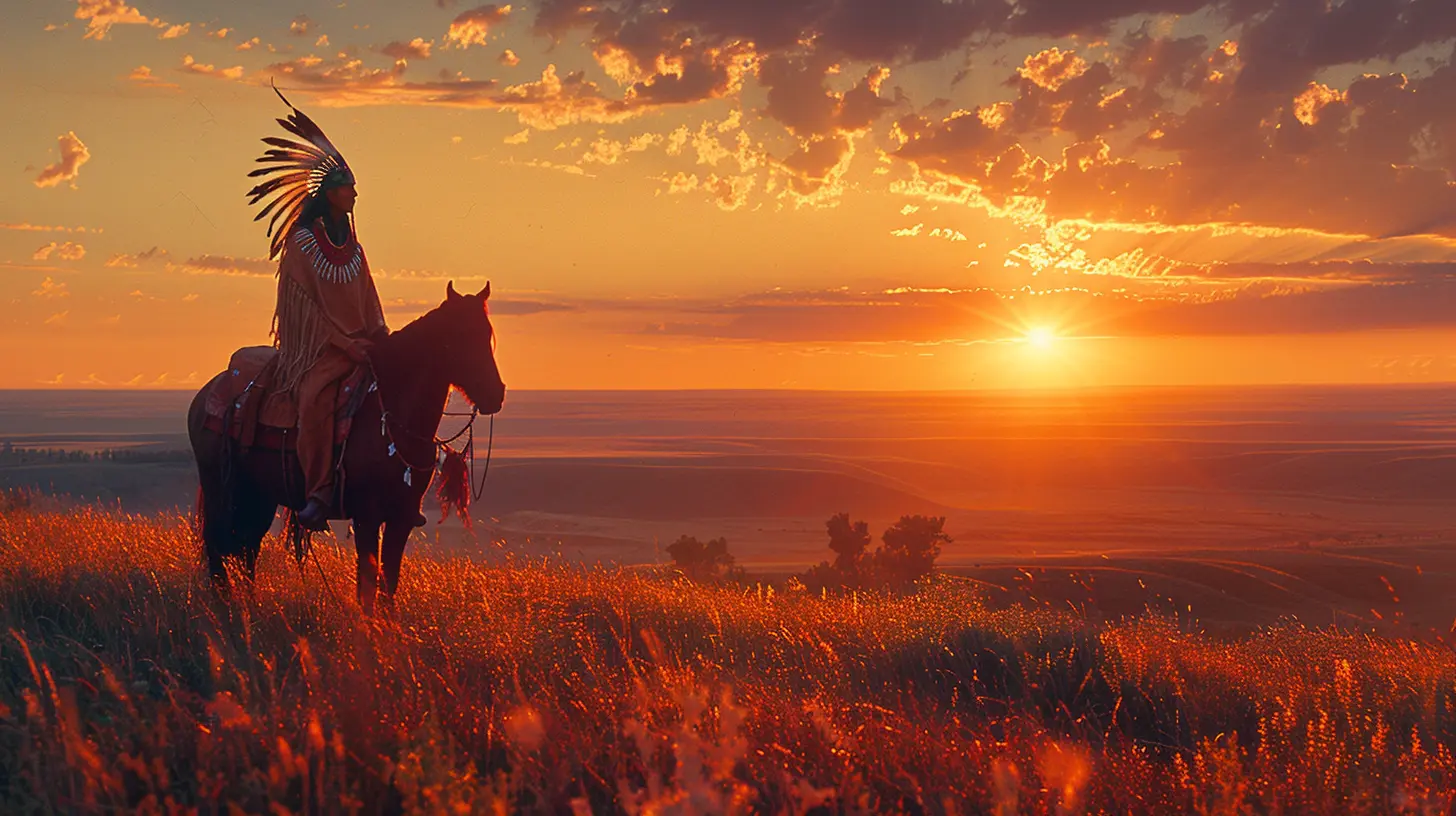
Why Talk About Native American History in National Parks?
You ever visit a place and feel like there’s something deeper under the surface? Like the wind brushing against your face has a story to tell? That’s what makes National Parks so special — they’re sacred spaces, full of memory and meaning.Unfortunately, when these parks were created, indigenous people were often pushed out or ignored entirely. Their history, culture, and spiritual ties to the land were brushed aside. But today, that narrative is shifting. Tribes are reclaiming their stories, and the Park Service is (finally) starting to listen.
The truth is, we can’t fully appreciate the beauty of these parks without listening to the voices of those who’ve been connected to them for thousands of years.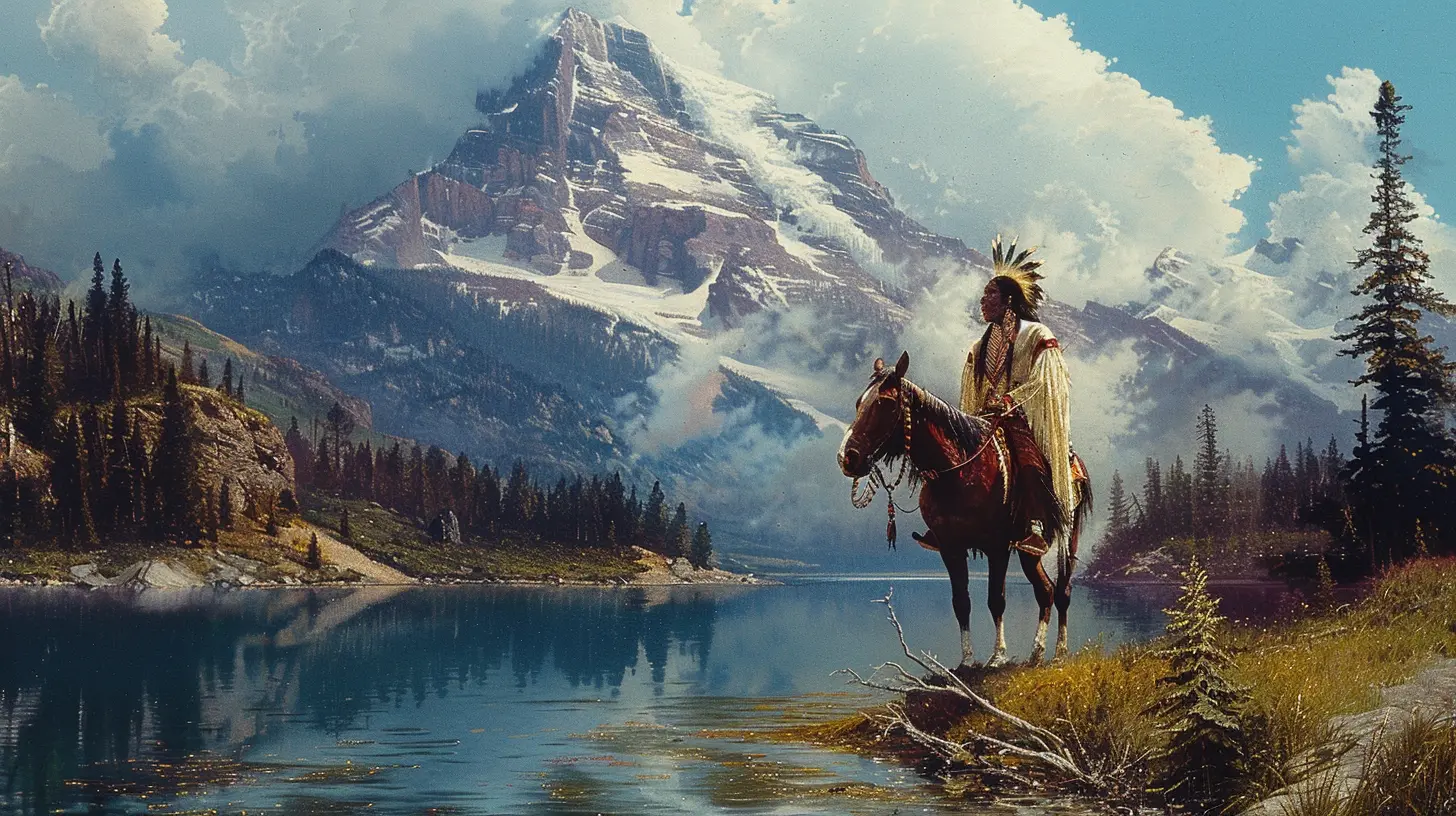
Sacred Ground: National Parks with Deep Native American Roots
Let’s dive into some standout National Parks that offer not just breathtaking views, but incredible insight into Native American history and culture.1. Mesa Verde National Park (Colorado)
If walls could talk, the ancient cliff dwellings of Mesa Verde would have a lot to say. Home to the Ancestral Puebloans over 700 years ago, this park is a treasure trove of archeological history. You can walk through centuries-old homes carved directly into the cliffs and imagine life without modern conveniences — no running water, no supermarkets, just intimate community living and deep spiritual connection to the land.And this isn’t just a history lesson — many modern Pueblos, like the Hopi and Zuni, are descendants of the people who lived here. So it’s not just about the past, but about living cultures that are still very much alive.
2. Canyon de Chelly National Monument (Arizona)
Unlike most parks, Canyon de Chelly is still home to the Navajo people, who live, farm, and raise families there. The canyon walls tell stories in petroglyphs and pictographs — ancient graffiti that speaks volumes if you’re willing to listen.Cliffs rise dramatically from the floor of the canyon, while Navajo guides share oral traditions passed down through generations. It’s a place where culture isn’t just preserved — it’s actively lived. Think of it as a bridge between ancient roots and modern life.
3. Yellowstone National Park (Wyoming, Montana, Idaho)
America’s first National Park is often celebrated for geysers and wildlife, but did you know over 26 tribes have sacred ties to this land? Before Old Faithful drew tourists, the Shoshone, Bannock, Blackfeet, and Nez Perce — just to name a few — were hunting, gathering, and praying here.Although many tribes were forcibly removed when the park was established in 1872, they’re now working with the Park Service to reclaim their place through co-management, interpretation programs, and access to traditional resources.
4. Great Smoky Mountains National Park (Tennessee/North Carolina)
This misty mountain range was home to the Cherokee long before European settlers arrived. Their word for the area, "Shaconage," means "place of blue smoke" — a poetic nod to the park’s ethereal beauty.While the forced removal of the Cherokee during the Trail of Tears casts a long shadow, the Eastern Band of Cherokee Indians still live nearby and manage the Oconaluftee Indian Village, offering a glimpse into traditional ways of life.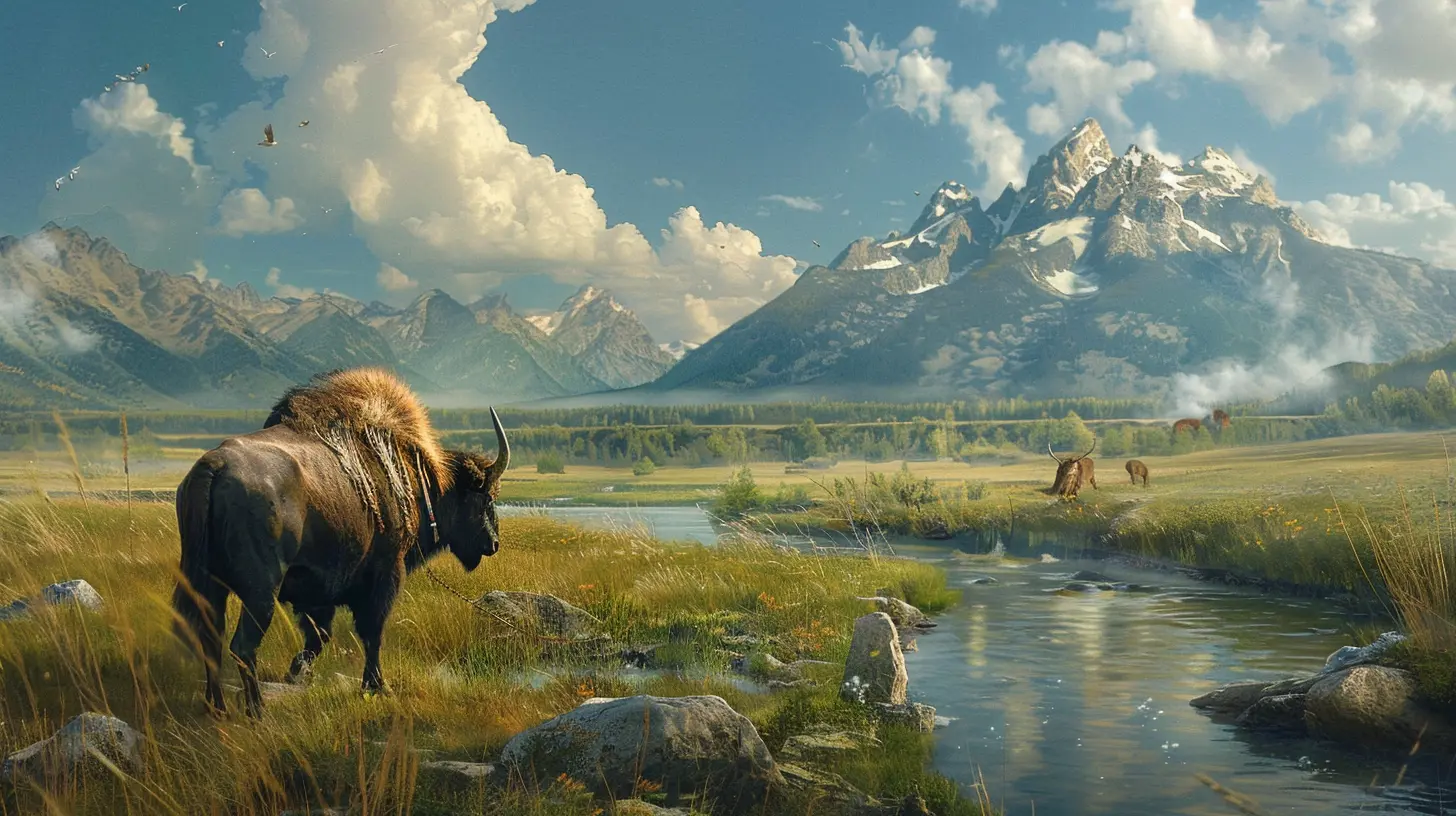
Living Landscapes, Not Stagnant Stories
Here’s something important to keep in mind: Native American history isn’t a museum exhibit — it’s alive. These aren’t just “ancient ruins” or “folktales.” Indigenous cultures are dynamic, evolving, and still deeply connected to these landscapes.From seasonal ceremonies to sacred burial grounds, these lands continue to play a central role in spiritual and communal life. Many parks now offer interpretive programs led by Native guides or have partnerships with local tribes to ensure the stories being told are accurate and respectful.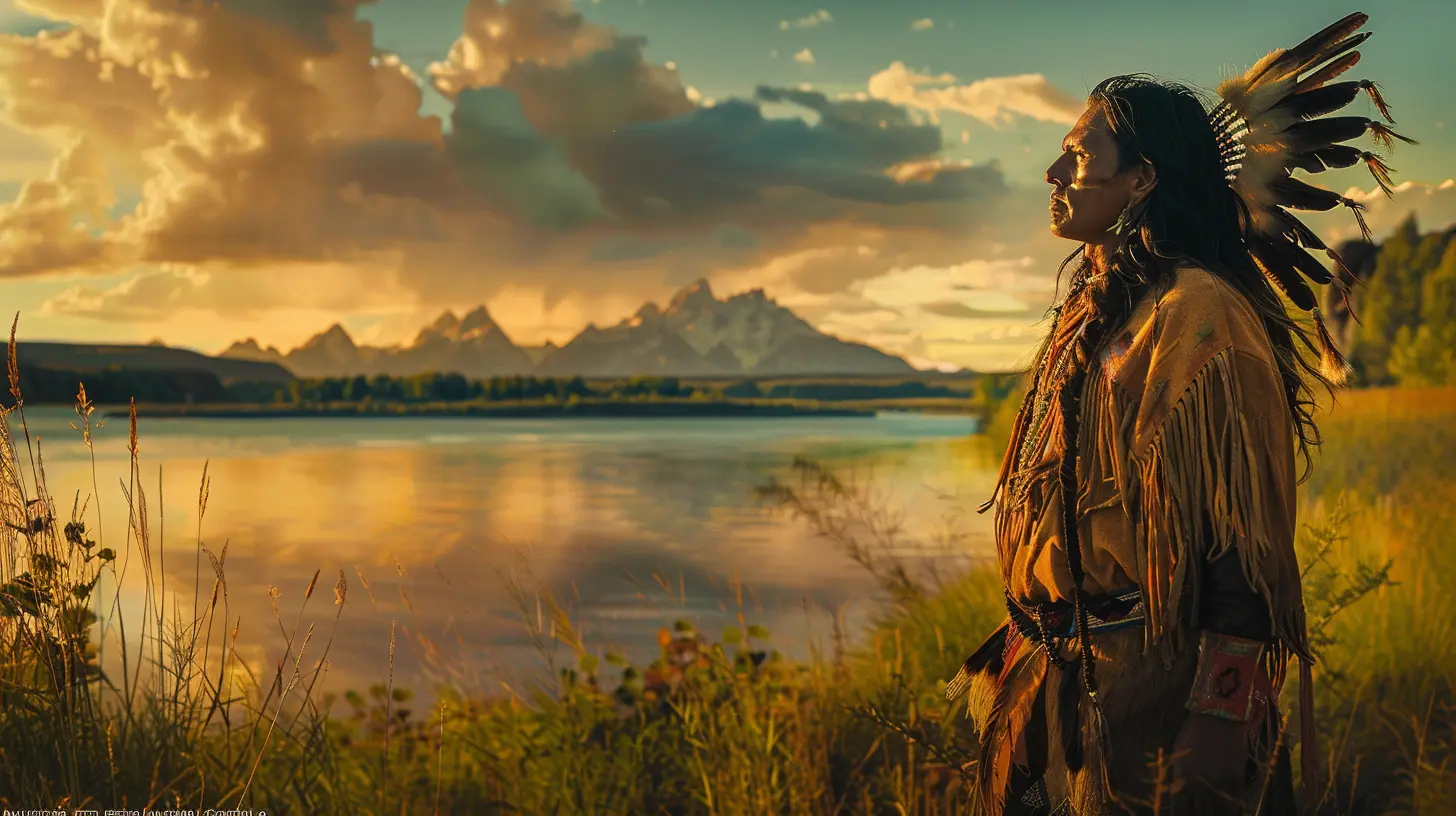
The Truth Behind the Trails: What Many Don’t Realize
You know those scenic trails we love? Many of them follow ancient trade routes or migration paths used by Native peoples for centuries. Places we now hike for leisure were once lifelines—used for barter, survival, and spiritual pilgrimages.Take the Pacific Crest Trail or the Appalachian Trail — both pass through lands long inhabited and managed by indigenous nations. Fire, for example, wasn’t always feared. Native tribes used controlled burns to maintain healthy ecosystems. Imagine that: long before “Leave No Trace,” Native people were practicing sustainable stewardship in ways modern science is only beginning to appreciate.
What’s Changing Today? (And What Still Needs Work)
Thankfully, there’s a growing movement toward reconciliation and recognition. More parks are working alongside tribes to protect sacred sites, share authentic stories, and even return land.For instance, Bears Ears National Monument in Utah — a site sacred to five Native tribes — was established after tribal coalitions fought hard to protect it. Though its boundaries have been hotly debated in politics, the message is clear: Indigenous voices are rising, and many are finally being heard.
Still, there’s more work to be done. Many park signs still use outdated or generalized terminology. Some trails overlook important cultural areas. And many tribes are still fighting for access to lands they once called home. The road to healing is long, but it’s one worth walking—together.
How You Can Be a More Respectful Visitor
Okay, so you’re itching to hit the trails and see these amazing places for yourself. Awesome! Just remember, with great views comes great responsibility. Here’s how we can all be better guests in these sacred spaces:- Do your homework – Learn about the tribes associated with the land before you visit.
- Pay attention to signage – If something’s marked sacred or off-limits, respect it.
- Support Native-led tours and businesses – Your dollars can help preserve tradition and empower communities.
- Speak up – If you notice disrespectful behavior, say something (respectfully, of course).
- Explore with humility – This isn’t just another Instagram-worthy destination. It’s someone’s heritage.
Indigenous-Led Tourism: A New Way to Experience the Parks
Want the real deal? Book a tour with a Native guide. There’s no substitute for hearing stories directly from those who’ve inherited them. Whether it’s a Navajo-led jeep tour in Monument Valley or a Cherokee storytelling session in the Smokies, these experiences offer depth you won’t get from brochures or generic audio guides.Indigenous tourism isn’t just enlightening — it's empowering. It helps reverse years of marginalization and puts the narrative back into the hands of those it truly belongs to.
Why This Matters More Than Ever
In a world moving at lightning speed, reconnecting with authentic history and culture feels more important than ever. The National Parks are some of the last places where nature and heritage collide in such a visceral way. These lands carry the spirit of those who came before and still whisper their stories if we’re quiet enough to listen.Honoring Native American history isn’t about guilt or politics — it’s about respect. It’s about seeing the full picture, not just the filtered version. When we embrace both the beauty of the landscape and the complexity of its past, we become better travelers, better humans.
Final Thoughts
Next time you hike that iconic trail, paddle that peaceful river, or gaze at a sprawling canyon, remember: you're not the first one to fall in love with these places. Native Americans have held these lands sacred for generations. Their stories deserve more than a footnote — they deserve the spotlight.So let’s keep listening. Let’s keep learning. And most importantly, let’s keep honoring the roots of the lands we so deeply cherish.
all images in this post were generated using AI tools
Category:
National ParksAuthor:

Reed McFadden
Discussion
rate this article
2 comments
Roxanne Rivera
This article beautifully highlights the intricate ties between Native American heritage and our national parks. Understanding this history deepens appreciation for these landscapes and fosters respect for Indigenous cultures and contributions.
April 11, 2026 at 4:17 AM
Reed McFadden
Thank you for your thoughtful comment. I'm glad you found the connections between Native American heritage and our national parks meaningful. Their history truly enriches our understanding of these landscapes.
Maria Rogers
Whispers of the ancients linger, where nature cradles stories of resilience and sacred lands.
April 4, 2026 at 3:45 AM
Reed McFadden
Thank you! It beautifully captures the essence of Native American heritage and its deep connection to the land.