Mind Your Manners: Understanding Dining Etiquette in Southeast Asia
23 June 2026
Have you ever found yourself staring at a bowl of noodles in a foreign land, chopsticks in hand, wondering if you're about to make a massive cultural faux pas? You're not alone. Eating is such a big part of travel, and in Southeast Asia, it’s more than just filling your stomach — it’s about respect, tradition, and connection.
So, if you're planning that dream trip to Thailand, Vietnam, Indonesia, or any other Southeast Asian gem, let’s talk about the unspoken rules of the dining table. Trust me, a little etiquette goes a long way over a plate of rice and curry.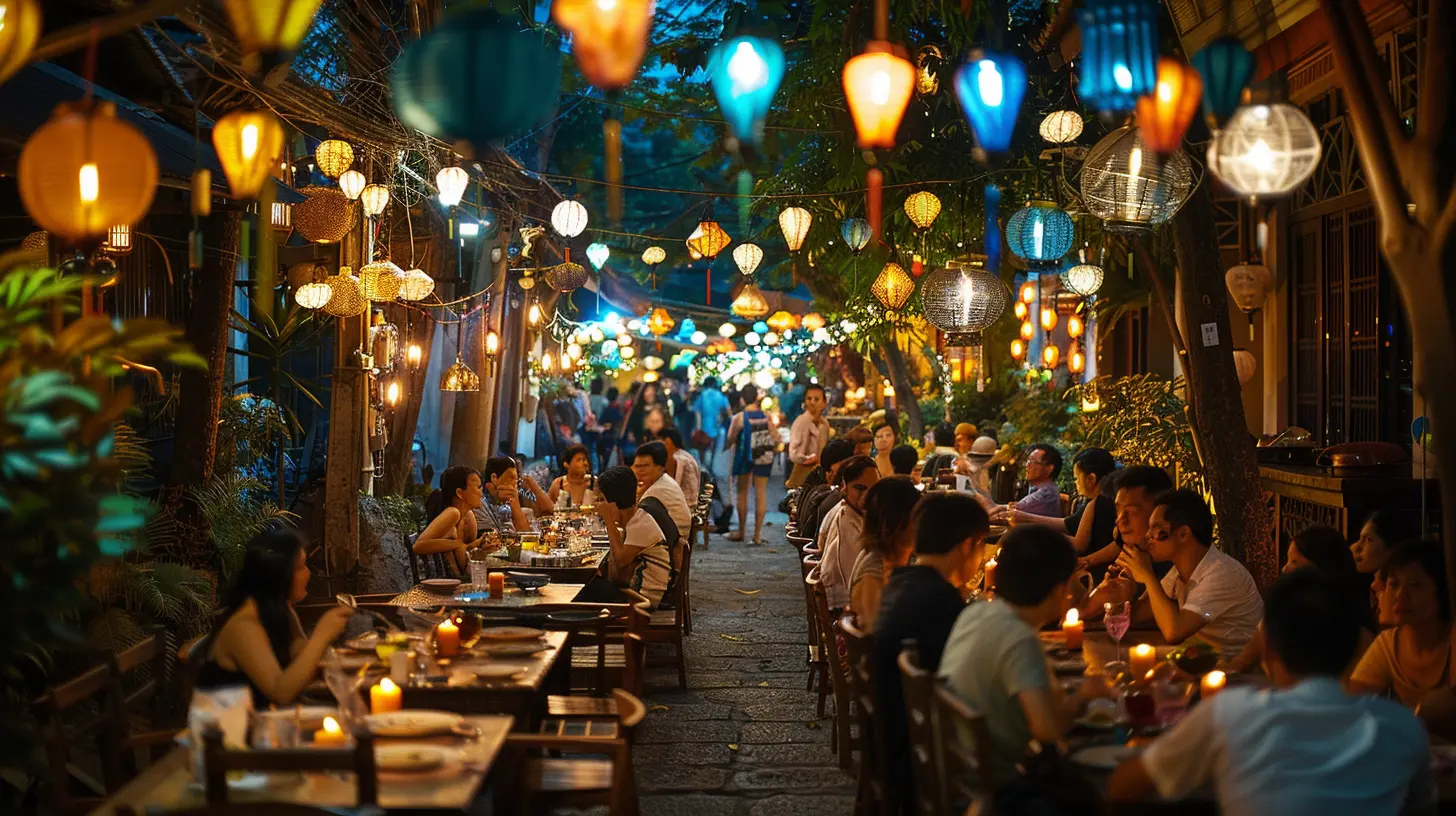
Why Dining Etiquette Matters
Alright, let’s set the scene for a second.You’re in Bali. The sun is setting, the air smells like grilled satay, and locals invite you for dinner. You’re thrilled! But then… you reach with your left hand to grab a serving spoon. Gasps. Suddenly, everyone looks uncomfortable.
Boom. Just like that, you’ve unknowingly crossed a cultural line.
In Southeast Asia, food is more than something you chew and swallow. It’s how people connect, how they show love, and how they honor tradition. And that’s exactly why understanding dining etiquette is so important in this part of the world.
It’s not about being perfect — it’s about showing respect.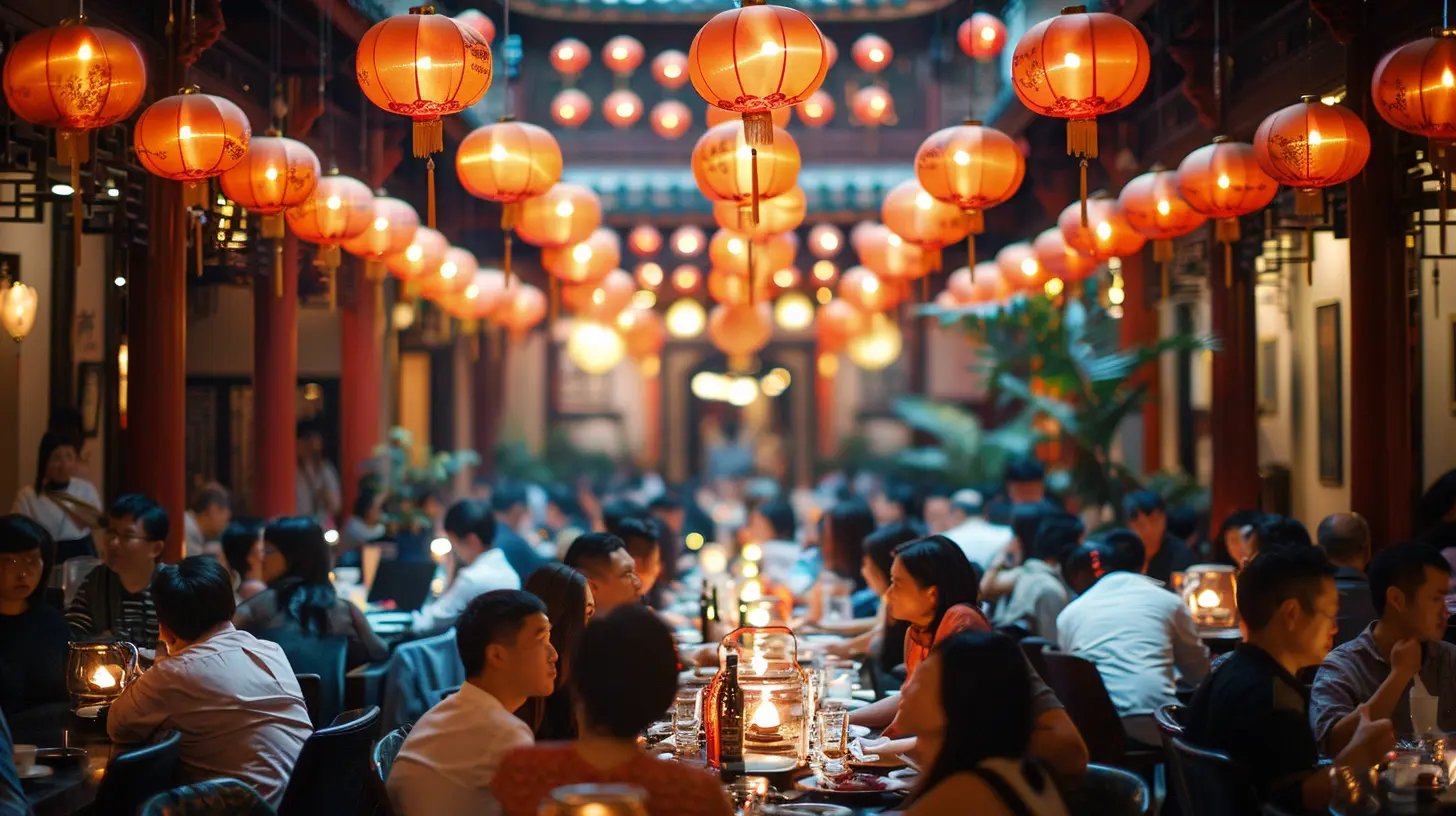
The Common Thread Across Southeast Asia
Even though Southeast Asia is incredibly diverse, with rich cultural differences between countries like Malaysia and Myanmar or Laos and the Philippines, there are still some shared values when it comes to mealtime:- Respect for elders and hosts is key.
- Communal dining is the norm.
- Eating quietly and politely is appreciated.
- Cleanliness, especially regarding hands and table manners, is crucial.
Let’s break things down by country. Each one’s got its own flavor, both literally and culturally.
Thailand: Grace at the Table
Thailand is known for its food — from spicy Tom Yum soups to fragrant curries. But knowing how to behave at the table is just as important as knowing what to order.Don’t Reach for the Chopsticks First
Fun fact: In Thailand, people mostly eat with a fork and spoon, not chopsticks — unless you're having noodles. The spoon is the main tool, and the fork is used to push food onto the spoon. Don’t use the fork to put food directly into your mouth.Wait Your Turn
If you're eating with others, especially elders, wait until the eldest starts eating before you do. Jumping in first? Not a good look.Don’t Waste Food
Thai meals are often served family-style. Only take as much as you can eat. Wasting food is frowned upon — it’s considered disrespectful to both the cook and the spirit of the food itself.
Vietnam: Harmony and Respect
Dining in Vietnam is like a symphony — every person has a role, and harmony is everything.The Power of Chopsticks
Yes, chopsticks are king here. But be careful: Never stick them upright in your bowl of rice. Why? It resembles incense used in funerals — not exactly dinner-table vibes.Also, avoid pointing at others with your chopsticks. It's kind of like pointing a finger — rude and aggressive.
Serve Others First
Vietnamese dining is deeply rooted in Confucian values. Serving food to others, especially elders and guests, before serving yourself is highly respectful.No Loud Eating, Please
Slurping may be okay in some places (hello, Japan!), but in Vietnam? It’s better to keep things low-key.Indonesia: Right Hand Only, Please
Now let’s hop over to Indonesia, a country of thousands of islands and even more flavors. From street-side satay to royal Javanese feasts, meals here are all about community.Use Your Right Hand
Seriously — always use your right hand to eat, pass food, or give someone a serving dish. The left hand is considered "unclean" and shouldn’t be used for these things. Even if you're eating with utensils, be mindful of how you use your hands.Don't Start Until Everyone’s Ready
Even in casual settings, it’s polite to wait until everyone has been served before digging in. And if you’re the guest? Let the host or elder signal it's time to begin.Ask Before Taking Seconds
It might seem hospitable to take more food when you love a dish (and trust me, you’ll love it), but don’t just help yourself right away. Ask if it’s okay — especially if the meal is being shared.The Philippines: Loud and Proud
When it comes to Filipino dining, think family reunions, karaoke, and big platters of food. Meals are loud, joyful, and overflowing with generosity.Fork and Spoon Combo
Like Thailand, the fork and spoon are standard in the Philippines. The fork's job is to push food onto the spoon.Kamayan Style? Go for It
Don't be shocked if someone tells you it’s time for “kamayan” — eating with your hands. No utensils. Just clean fingers and a whole lot of deliciousness. It’s a traditional and fun way to connect during meals. If you’re invited to try it, go for it — just make sure your hands are squeaky clean.Don’t Say No to Food
Filipinos are incredibly generous, especially when it comes to food. If someone offers you a plate, try to accept it. Refusing can come off as rejecting their hospitality.Malaysia: A Fusion of Flavors and Practice
Malaysia is a cultural melting pot — Malay, Chinese, Indian, and Indigenous traditions all influence local etiquette.Mind the Cultural Context
In a Malay home, you may be expected to sit on the floor and eat with your right hand. In a Chinese-Malaysian household, chopsticks and spoons are the norm. In an Indian-Malaysian setting? You might go full kamayan again.Follow the lead of your host — and when in doubt, ask politely.
No Feet on Chairs or Tables
This one might not seem food-related, but in many Southeast Asian cultures, the feet are considered the lowest and dirtiest part of the body. Never prop them up near food or people.Cambodia: Simplicity and Quiet
Cambodian dining is a peaceful, straightforward affair. Think rice, fish, soups — and a whole lot of respect for tradition.Be Subtle
Cambodians value modesty and calmness. Talking loudly, laughing loudly, or making a fuss during meals? Not ideal.Don't Waste Rice
Rice is sacred in Cambodian culture. It symbolizes life and sustenance. Leaving even a few grains behind can appear disrespectful to the hard work that went into preparing the meal.Elder First, Always
This one’s pretty universal — let the eldest eat first. It’s a sign of respect that extends across much of Southeast Asia.Laos: Meals as Ceremonies
In Laos, food is love. Meals, especially those involving sticky rice, are often eaten with the hands and shared from communal baskets.The Sticky Rice Ball Rule
You’ll often find yourself eating sticky rice with your fingers, rolling it into little balls. But don’t get overzealous — take just enough for one bite. And never reach into the communal rice basket with your left hand!Say “Sabai dii” and Smile
Before the meal, greet your host and fellow diners with a warm smile and “sabai dii” (hello). Being friendly and polite is just as important as how you hold your rice.Singapore: Where East Meets West
Singapore is a modern mix of traditions, and it shows in dining culture.Chopsticks, Forks, or Hands?
Yes. All of the above, depending on what and where you’re eating. Hawker centers might offer a fusion of Indian, Malay, and Chinese cuisines — so adapt to the dish.Cleanliness Is Top Priority
Singapore takes cleanliness seriously. Return your tray, keep your table tidy, and always wash your hands before and after eating.Tips for Dining Across Southeast Asia
Still feeling nervous? That’s okay. Here’s a cheat sheet of go-to manners that'll serve you well across the region:- Smile — it’s universal.
- Wash your hands before eating.
- Don’t waste food.
- Offer dishes to others before serving yourself.
- Be mindful of your hands — right hand rules in most places.
- Avoid public criticism of food; even if it’s not to your taste, be polite.
- Listen, observe, and follow your host’s lead.
Final Bite: It's About Respect, Not Perfection
Here’s the thing — no one's expecting you to be perfect. Even locals sometimes get flustered about which spoon to use or how to sit at a formal occasion. What really matters is your attitude. Be open, respectful, and willing to learn.When you travel, every meal is a chance to connect — not just with the food, but with the people and traditions behind it. And don’t worry, if you mess up? Laugh it off, apologize politely, and move on. Chances are, your host will appreciate the effort more than anything.
So go ahead. Grab that spoon (or chopsticks or banana leaf), dig in, and mind your manners — you’re in for one amazing culinary adventure.
all images in this post were generated using AI tools
Category:
Cultural EtiquetteAuthor:

Reed McFadden
Discussion
rate this article
1 comments
Nadia Bailey
Respecting local customs in dining enhances your travel experience and fosters connections.
August 11, 2026 at 3:46 AM
Reed McFadden
Absolutely, embracing local dining customs truly enriches the experience and deepens connections with the culture. Thank you for your insight!