Meeting Locals Abroad: How to Build Trust and Respect
28 August 2026
There’s something magical about traveling—new sights, strange smells, unfamiliar flavors, and, most importantly, new people. Sure, the landscapes and landmarks are great, but let’s be real: it’s the people that bring a place to life. Meeting locals abroad can be the highlight of any trip… if done right. But it’s not just about snapping selfies with strangers or getting the inside scoop on the best street food spots—it’s about genuine connection. And that connection? It starts with trust and respect.
So how do you go from curious tourist to welcomed guest? Let’s talk about the art of blending in without losing yourself—and making friends in the process.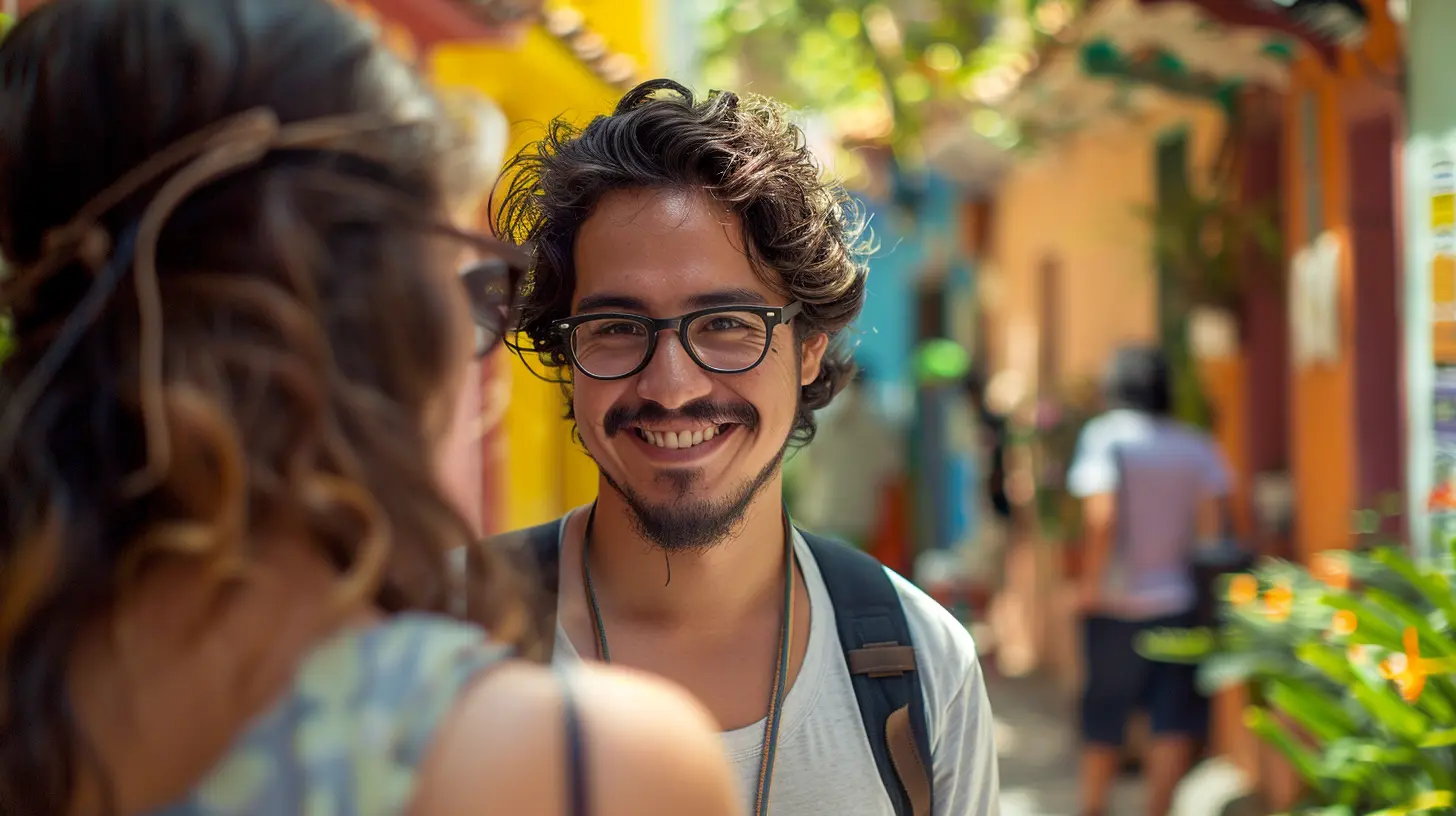
Why Meeting Locals Matters
Okay, let’s address the elephant in the room. Why go through the effort of meeting locals when you could stick to the tourist trail, guidebooks in hand and Google Translate at the ready?Simple. Locals are the soul of any destination. Want to know where the real magic happens? It’s usually not marked with a neon sign or listed in the top 10 attractions. Locals can guide you beyond the surface. They’ve got the keys to secret beaches, family-run restaurants, and untold stories.
More than the travel hacks though, connecting with local people adds depth to your adventure. You stop being a tourist and start being a part of something bigger.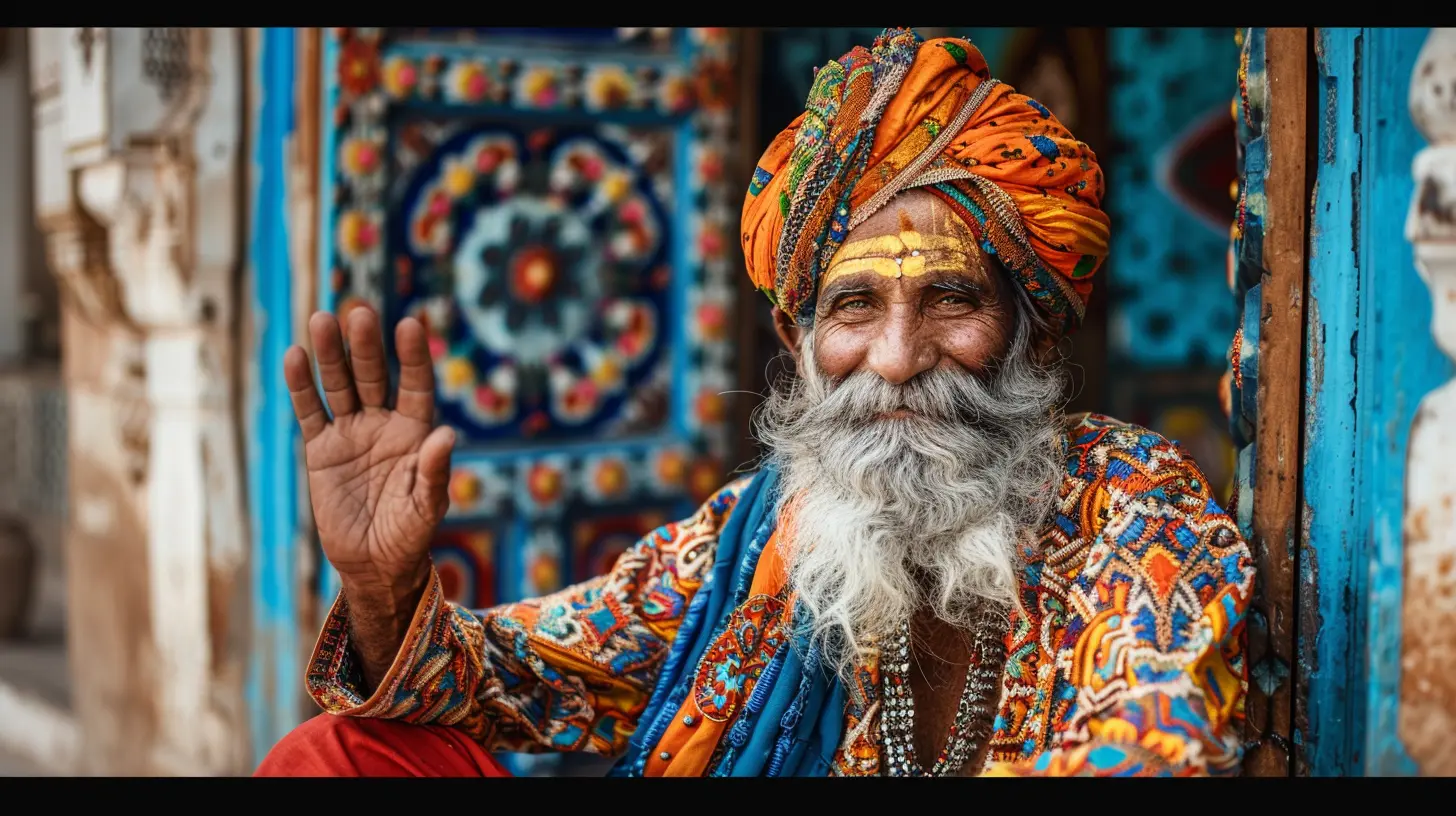
The Foundation: Respect Over Curiosity
Curiosity can be a good thing—it’s the spark that leads us to try new things. But when you're in someone else’s home turf, curiosity must always be paired with respect.Think of it like visiting a friend’s house. You wouldn’t barge in, rearrange the furniture, or speak loudly without understanding the vibe, right? The same goes when you’re stepping into a new culture.
Respect begins with learning, and sometimes unlearning. It means listening more than talking. It means asking questions, but not interrogating. It means understanding that you’re the guest, not the star of the show.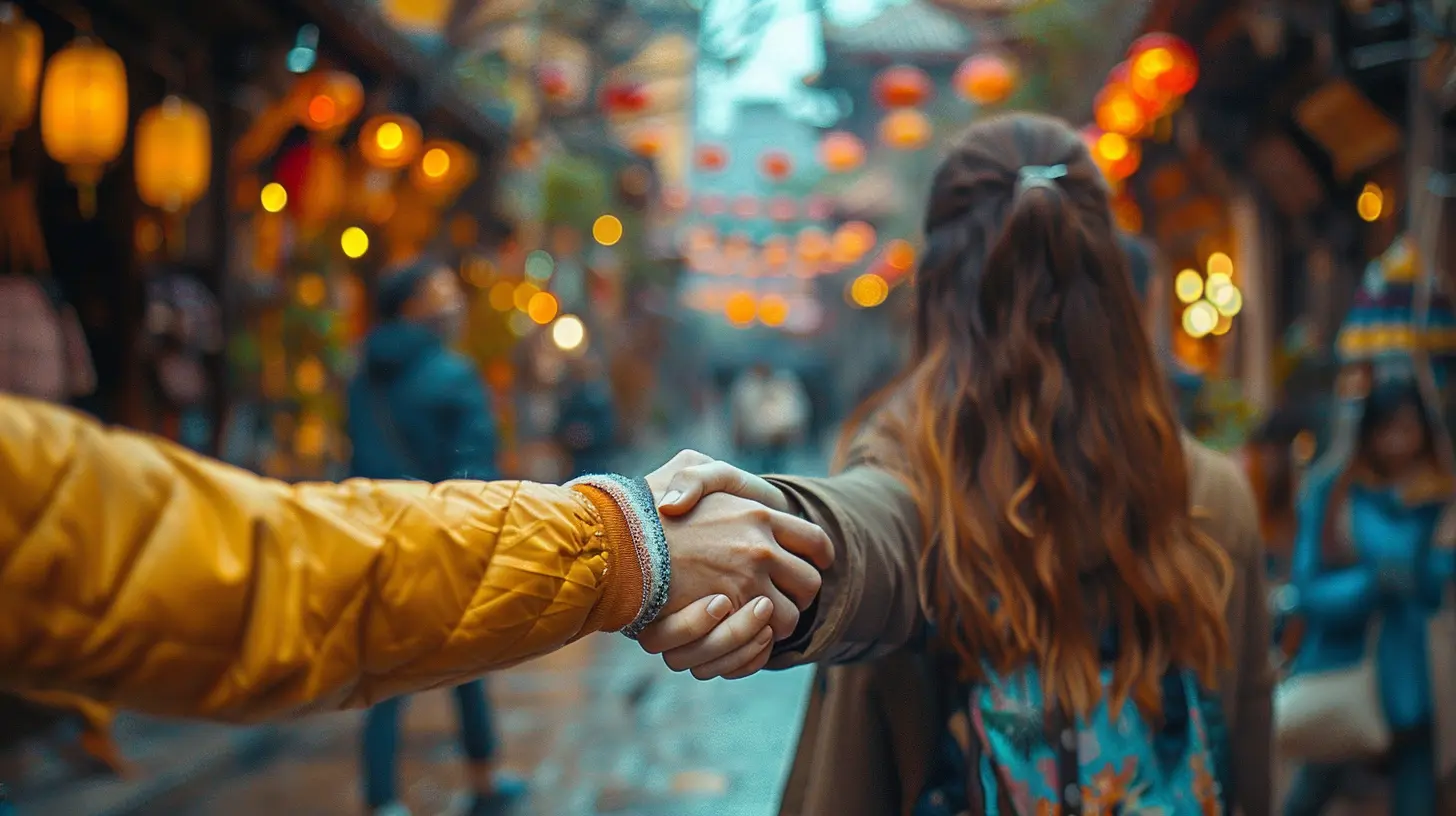
Before You Go: Do Your Homework
You wouldn’t walk into a job interview unprepared, so why wing it when visiting someone else’s culture? A little research goes a long way in making a positive impression.Here’s what to dig into:
- Basic customs and taboos – Is it polite to shake hands or bow? What gestures are considered rude?
- Common greetings – A simple “hello” in the local language can open more doors than you think.
- Clothing expectations – Modesty rules? Cultural dress codes? Always better to over-prepare.
- Religious or cultural sensitivities – These can be deal-breakers. Even if you're not religious, knowing what's sacred is just good manners.
It’s not about being perfect—it’s about showing you care enough to try.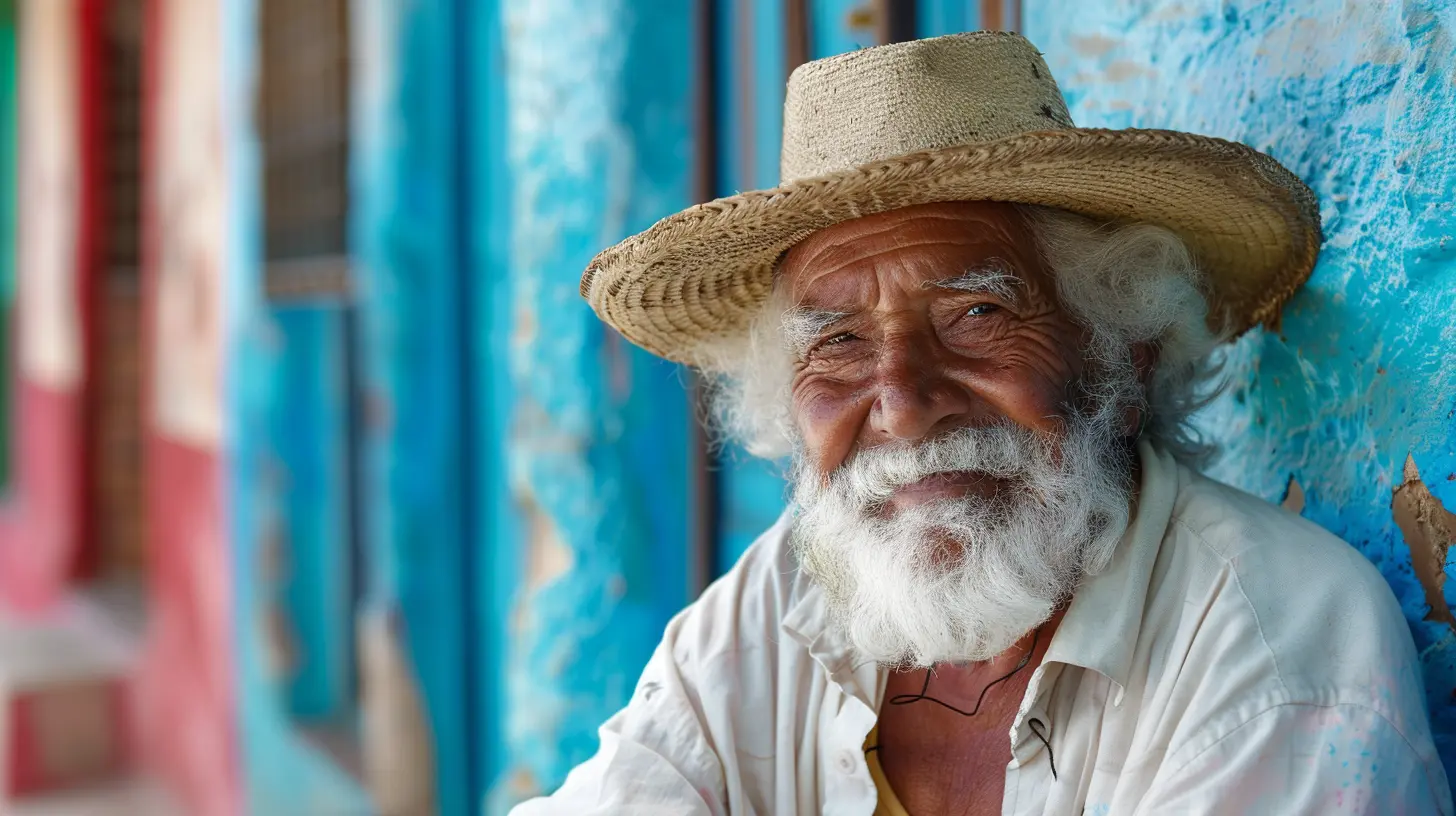
Language: The Bridge Between Strangers
Let’s get one thing straight—you don’t need to be fluent. But learning a few key phrases can be a game-changer.People appreciate the effort. Even if your accent is off or you butcher a word or two, most locals will smile, maybe even help you get it right. It’s not about mastery—it’s the gesture that matters.
Try to learn:
- Hello / Goodbye
- Please / Thank you
- Excuse me / I’m sorry
- How much is this?
- Where is…?
- Do you speak English?
There are tons of language apps out there to make this easy and even fun. (Duolingo owl, we see you.)
Body Language Speaks Volumes
You might not speak the language, but your face and hands do most of the talking anyway.Body language is huge in cross-cultural communication. A warm smile, a slight bow, open hands—these are the universal signs of respect.
At the same time, be mindful: what’s friendly in one culture might be inappropriate in another. For example, maintaining strong eye contact is a sign of confidence in some cultures and disrespectful in others.
Rule of thumb? Pay attention. Mirror the locals. Follow their lead.
Be Genuine – People Can Tell
You can’t force a real connection. People know when you’re being fake, or trying too hard. So just be yourself, but your most respectful, curious, open-minded self.Don’t treat locals as part of the scenery or as a checklist item. When you approach someone, do it with the same warmth and sincerity you’d use back home.
Ask questions, share stories, be patient. Don’t rush the process. Relationships (even brief ones) need time to bloom.
Give, Don’t Just Take
It’s easy to slip into “what’s in it for me?” mode while traveling. You’re soaking up culture, collecting experiences—but don’t forget to give back, too.That doesn’t mean handing out money or gifts (unless culturally appropriate). It means sharing something. Maybe it’s your time, a helping hand, a smile, or even just engaging in honest conversation.
Do you have a skill or interest you can share? Love teaching? Cooking? Music? Art? These can be bridges for connection.
Eat, Drink, and Connect
One of the best places to build bridges with locals? The dinner table.Food is a shared language. Breaking bread together creates instant bonds. Try local foods, share your own culinary stories, and ask questions about traditional dishes.
Better yet—take a cooking class hosted by locals or accept a dinner invitation (when appropriate). Not only will your taste buds thank you, but you'll also create memories that last a lifetime.
Stay in Places That Encourage Interaction
Where you stay matters. If your goal is to meet locals, maybe skip the luxury chain hotel and opt for places where people actually live and gather.Consider:
- Homestays or guesthouses – Often hosted by locals themselves.
- Community-run lodges – Great way to support local economies.
- Hostels – Not just for backpackers—many offer cultural tours and events.
- Airbnb Experiences – From local food tours to artisan workshops.
These options increase your chances of casual, everyday interaction with real people—not just other tourists.
Embrace Cultural Differences Without Judgment
Ever heard the saying, “Not wrong, just different”? Keep that in your back pocket.You’ll encounter customs and beliefs that might baffle you. Maybe people eat with their hands, or sleep in hammocks, or bathe in the river. It’s not your job to understand everything—it’s your job to accept it.
If something makes you uncomfortable, pause before reacting. Ask questions, but with kindness. Be curious, not critical.
When Things Go Wrong: Apologize and Learn
No matter how well-prepared or respectful you are, cultural missteps happen. You might offend someone without even knowing it. And that’s okay—what matters is how you handle it.If you make a mistake:
1. Acknowledge it – Don’t pretend it didn’t happen.
2. Apologize sincerely – A simple "I'm sorry" (preferably in their language) goes a long way.
3. Learn from it – Reflect and adjust.
People are generally forgiving if they see you’re trying.
Digital Etiquette: Your Phone Can Be a Barrier
In today's world, it's easy to stay stuck behind your screen. But when you're meeting locals, those Instagram shots and travel vlogs can wait.Be present. Look people in the eye. Listen actively. If you must take a photo, ask first. Nobody wants to feel like a museum exhibit.
Better yet, share the moment in real life—not just online.
Travel Slow and Stay Curious
You can't rush connection. If you're spending just one night in every city, you're probably skimming the surface. Want to really connect with people? Slow down. Stay a while. Sit in the same coffee shop for days. Visit the same market vendor each morning. Let locals recognize your face.Familiarity breeds comfort, which leads to real conversations.
Wrap Up: Travel Isn't Just About Places—It's About People
The world is full of fascinating people living beautiful, different, complex lives. Meeting locals abroad allows you to step into those lives—however briefly—and see the world from a whole new angle.When we travel with respect and openness, we don't just enrich our own journeys; we create cross-cultural bridges that can last a lifetime.
So next time you pack your bags, don’t just plan your itinerary—plan your mindset.
Approach every interaction with humility, curiosity, and heart. That’s how trust is built. That’s how respect is earned.
And who knows? That friendly conversation at a street stall or quiet chat on a park bench might just be the most unforgettable part of your trip.
all images in this post were generated using AI tools
Category:
Cultural EtiquetteAuthor:

Reed McFadden
Discussion
rate this article
2 comments
Rose McNulty
Sure, just stroll up and declare your undying love for their local cuisine... what could go wrong?
October 6, 2026 at 2:57 AM
Otis McTier
Trust takes time, but snacks help a lot!
August 31, 2026 at 3:10 PM
Reed McFadden
Absolutely! Sharing snacks can create a friendly atmosphere and break the ice. It's a simple yet effective way to build connections.