Legendary Landmarks: The Story Behind Famous World Heritage Sites
8 April 2026
Ah, World Heritage Sites—those iconic places that make your Instagram followers green with envy and your travel bucket list impossibly long. But beyond their postcard-perfect views and overpriced souvenir shops, these legendary landmarks have fascinating (and sometimes downright bizarre) backstories.
So, grab your virtual passport, and let’s uncover the juicy tales behind some of the world’s most famous heritage sites. Spoiler alert: Some of these stories involve curses, accidental discoveries, and emperors with an extreme flair for architecture. 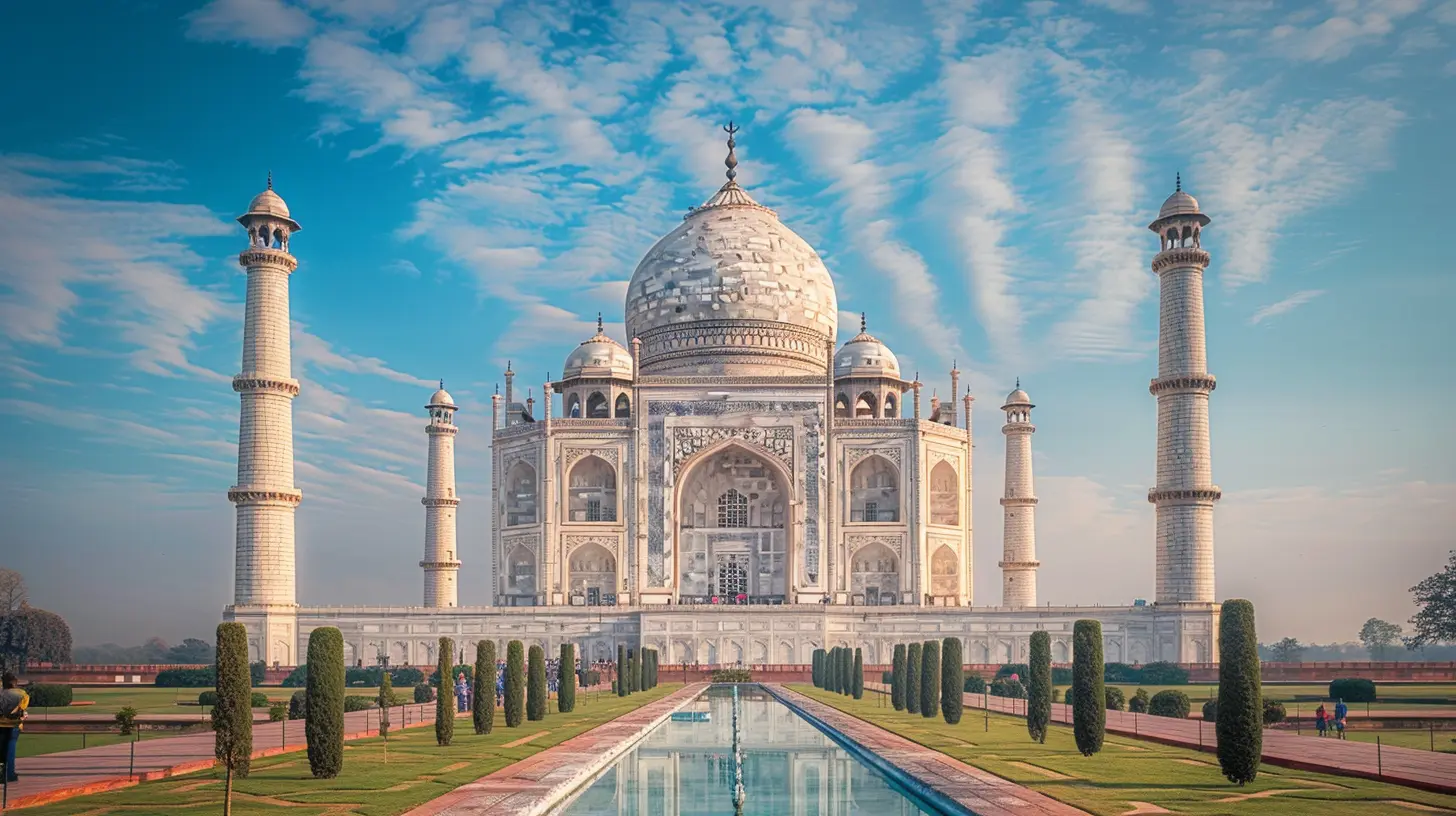
1. The Great Wall of China – Built to Keep Out… Rabbits?
Okay, maybe not rabbits. But the Great Wall of China wasn’t just about keeping out invading Mongols—it was also an elaborate ancient alarm system. Picture this: A watchtower spots an enemy approaching, so they light a fire, which signals the next watchtower, and so on. It was basically the original version of sending a group text.Stretching over 13,000 miles, this ancient mega-wall was built by different dynasties over centuries. But here’s the kicker—despite all that effort, the Mongols still managed to invade (oops). Still, it remains one of the world’s most impressive architectural feats, proving that sometimes, size really does matter. 
2. Machu Picchu – The Lost City That Wasn’t Really Lost
When Hiram Bingham "discovered" Machu Picchu in 1911, he thought he’d found the lost city of the Incas. Turns out, the locals already knew about it (awkward). In fact, people had been living nearby the whole time, and it was never really lost—just forgotten by the outside world.Perched high in the Peruvian Andes, this city is a masterclass in Incan engineering. The stones fit together so perfectly that not even a piece of paper can slide between them. No mortar, no cement—just pure architectural genius. How did they do it? Aliens? Nah, just a whole lot of manpower and ingenuity. 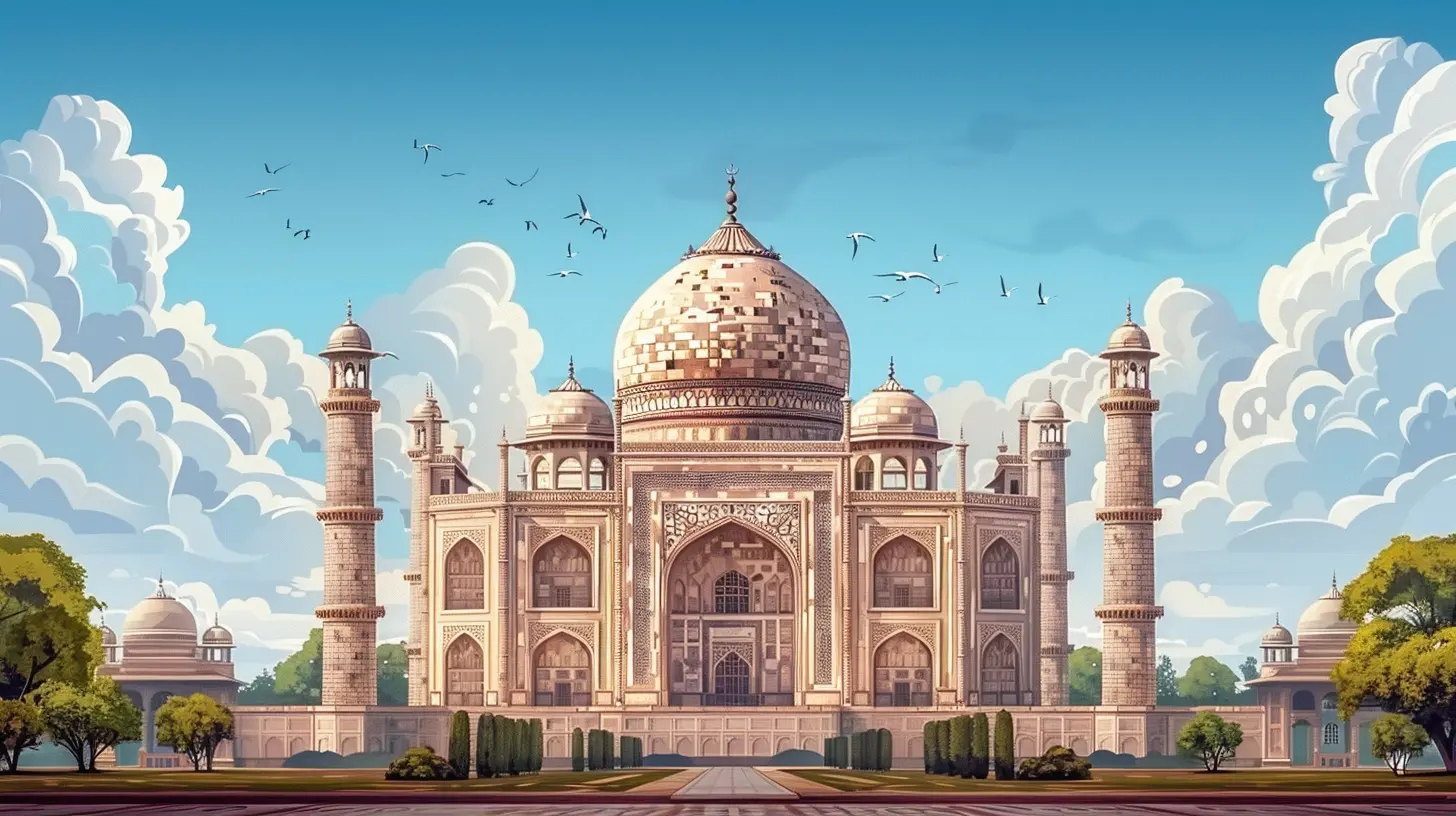
3. The Colosseum – Ancient Rome’s Ultimate Fight Club
Picture this: 50,000 screaming Romans, wild animals, gladiators fighting to the death. The Colosseum was basically the WWE of ancient Rome, but with way higher stakes. Built in AD 80, this massive amphitheater hosted everything from epic battles to mock sea wars (yes, they actually flooded the place to stage naval battles—talk about dedication to the scene).Fast forward to today, and it’s still standing, albeit with a few chunks missing (thanks to earthquakes and people stealing the stones for other buildings). But even in ruins, it’s an architectural marvel that whispers tales of ancient Rome’s wild entertainment scene. 
4. Stonehenge – A Prehistoric Puzzle
Ah, Stonehenge. A bunch of giant rocks sitting in a field, confusing archaeologists for centuries. Who built it? How did they move those massive stones? And, most importantly, was it an ancient concert venue, a druid meeting spot, or just some prehistoric prank?Theories range from aliens (classic) to it being a burial site or an astronomical calendar. Whatever the case, what we do know is that those stones were hauled from miles away—without wheels or modern machinery. Talk about dedication! Today, we may not fully understand its purpose, but that doesn’t stop us from admiring this ancient engineering wonder (or taking way too many touristy photos pretending to “hold up” the stones).
5. The Pyramids of Giza – Ancient Egypt’s Ultimate Flex
Let’s be honest—the ancient Egyptians were showing off when they built the Pyramids of Giza. While the rest of the world was still figuring out how to build a decent mud hut, they were stacking limestone blocks (each weighing several tons) with mind-blowing precision.And guess what? Despite thousands of years of sandstorms, earthquakes, and tourists climbing all over them, they’re still standing. No modern skyscraper can say the same. How did they manage it? Some say slave labor, others say skilled workers who were treated like VIPs. Either way, the pyramids remain one of history’s greatest architectural achievements—and a constant source of alien conspiracy theories.
6. The Taj Mahal – A Monument to Love (and an Emperor’s Ego)
Shah Jahan really set the bar high when he built the Taj Mahal as a tribute to his late wife, Mumtaz Mahal. Imagine loving someone so much that you commission a 240-foot-tall, white marble masterpiece just to honor their memory. Flowers and chocolates? Not enough. A literal wonder of the world? Now we’re talking.Fun fact: Legend has it that Shah Jahan planned to build a black marble version of the Taj Mahal for himself across the river but was overthrown by his own son before he could. Lesson learned—maybe focus on family relations before investing in extravagant real estate projects.
7. Petra – The City That Indiana Jones Made Famous
Deep in the desert of Jordan, Petra is an ancient city carved into pink sandstone cliffs. If you’ve ever watched Indiana Jones and the Last Crusade, you’ve already seen it. And yes, it looks just as incredible in real life.Petra wasn’t just a city—it was a powerhouse of trade, connecting the ancient world’s most important routes. But here’s the twist: It was lost to the world for centuries until a Swiss explorer disguised as an Arab traveler "rediscovered" it in 1812. Today, it’s one of the New Seven Wonders of the World, proving that even cities can make a dramatic comeback.
8. Angkor Wat – The Temple That’s Bigger Than an Entire City
Angkor Wat isn’t just a temple—it’s the largest religious monument in the world. Originally built as a Hindu temple before transforming into a Buddhist site, this Cambodian wonder is a breathtaking blend of intricate carvings, towering spires, and mind-blowing symmetry.But here’s the plot twist: It was “abandoned” and swallowed by the jungle for centuries. Thankfully, nature didn’t completely reclaim it, and today it stands as a reminder that sometimes, the best things in life are worth rediscovering. (And yes, Angelina Jolie made it even more famous in Tomb Raider.)
9. Chichen Itza – The Pyramid That Claps Back
No, really—Chichen Itza’s Kukulkan Pyramid has an insane acoustic trick. If you clap your hands at its base, the echo sounds like a sacred bird. Whether the ancient Maya designed this intentionally or stumbled upon it by accident remains a mystery, but either way, it’s a mind-blowing architectural feat.This ancient city was a major political and economic hub, complete with an observatory, an infamous ball court (where losing probably meant losing your life), and a temple dedicated to a feathered serpent god. In short, the Maya knew how to combine science, religion, and a touch of the dramatic.
10. Easter Island’s Moai – The Giant Heads with Tiny Bodies
You’ve seen the iconic stone heads of Easter Island, but did you know they actually have bodies buried beneath the ground? Yep, these towering Moai statues aren’t just heads—they’re full-sized figures that time and soil have hidden over the centuries.Created by the Rapa Nui people, these massive statues were likely built to honor ancestors or deities. But here’s the dark twist—deforestation, overpopulation, and resource depletion eventually led to the civilization's downfall. A cautionary tale that even today’s world should probably pay attention to.
Final Thoughts
World Heritage Sites aren’t just pretty places for selfies—they’re living stories of human ingenuity, resilience, and, occasionally, a bit of madness. Whether built out of love, power, or sheer stubbornness, these iconic landmarks remind us that history isn’t just about dates in textbooks—it’s about the people, legends, and secrets that make these places unforgettable.So the next time you visit one of these legendary landmarks, remember: there’s always more to the story than meets the eye. And maybe, just maybe, that tourist souvenir stand isn’t the most historic thing about the place.
all images in this post were generated using AI tools
Category:
World Heritage SitesAuthor:

Reed McFadden
Discussion
rate this article
2 comments
Quentin Bowers
This article beautifully highlights the rich history and significance behind iconic World Heritage Sites. It's a great reminder of the cultural treasures we must preserve for future generations.
April 15, 2026 at 4:12 PM
Reed McFadden
Thank you! I'm glad you enjoyed the article and appreciate the importance of preserving our cultural treasures.
Blade McCartney
This article beautifully captures the rich history and significance of iconic World Heritage Sites. Each landmark tells a unique story, inviting travelers to explore our shared cultural heritage.
April 8, 2026 at 3:28 PM
Reed McFadden
Thank you! I’m glad you enjoyed the article and appreciate the stories behind these incredible sites.