How to Use Public Transportation Safely in Foreign Cities
29 May 2026
Ever landed in a strange city and stared blankly at a map, trying to figure out how the heck to get from the airport to your hotel? You're not alone. Using public transportation in a foreign city can be equal parts thrilling and terrifying—but it doesn’t have to be. With the right approach, a pinch of curiosity, and some common sense, you can ride buses, subways, and trains around the globe like a pro.
In this guide, we’re going to walk through how to use public transportation safely in foreign cities—from the moment you step off the plane to hopping on your first metro ride. Buckle up (well, metaphorically), and let’s dive into the fast-paced, colorful, sometimes chaotic—but always fascinating—world of global transit.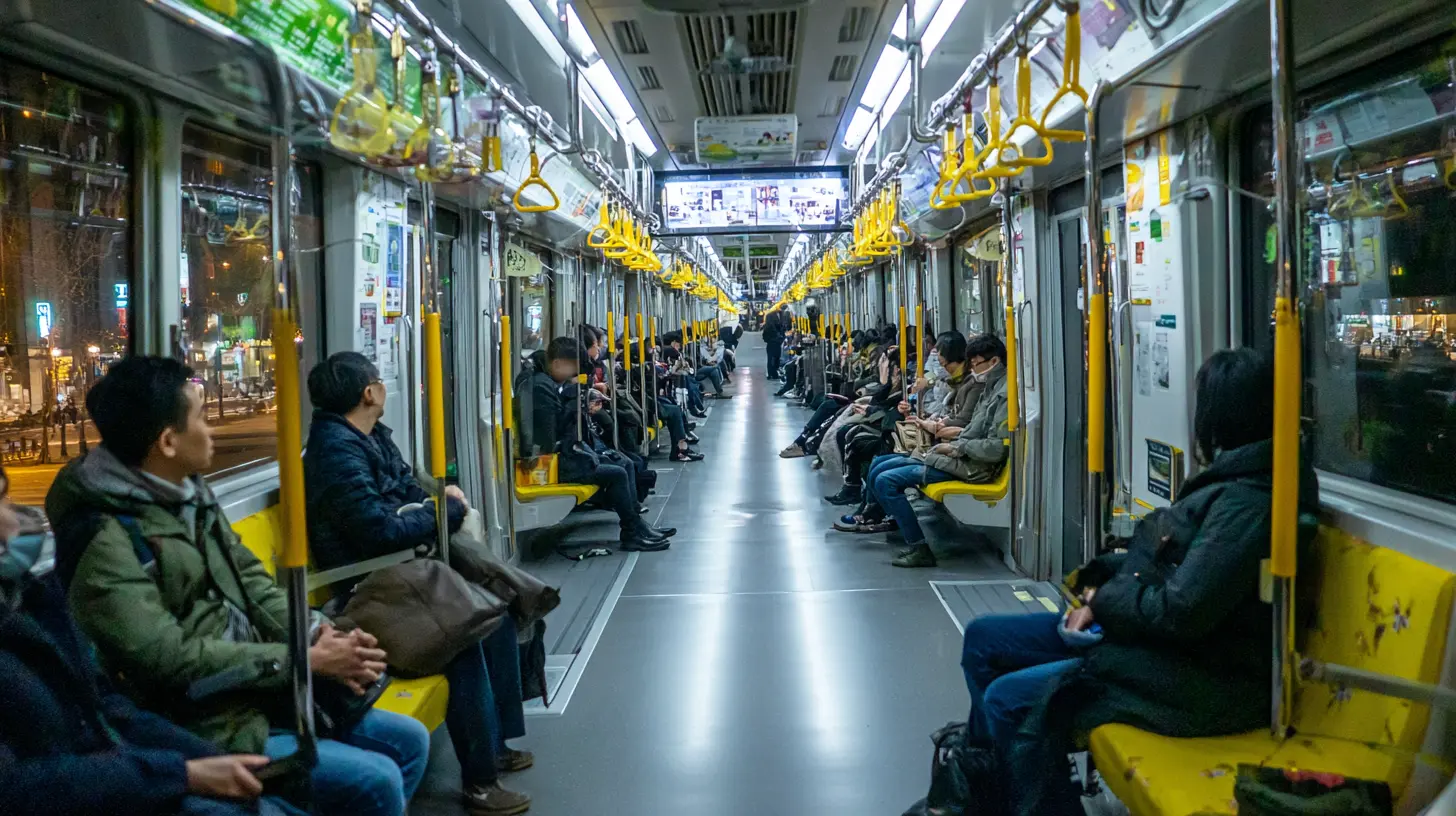
Why Public Transportation Is Worth the Effort
Let’s get this out of the way: Yes, public transportation can be confusing. But it’s also affordable, eco-friendly, and downright immersive.Think about it. You’re not just seeing the city—you’re experiencing it like a local. You’ll see businesspeople, street performers, maybe even a friendly grandma carrying a basket of something delicious. It’s also usually a fraction of the cost of taxis or ride-shares, and it drops you right in the middle of the local buzz.
But here’s the million-dollar question: How do you do it safely?
Step 1: Do Your Homework Before You Travel
Before you even leave home, there’s some light detective work to do. You don’t want to be standing at a bus stop in Tokyo trying to Google “How do I get to Shibuya?”? Research the Local Transportation System
Start with the basics:- Does the city have a subway? Buses? Trams?
- Is there a transit app?
- What’s the fare system like—cash only, tickets, tap cards?
Resources like official tourism websites, Google Maps, or transit-specific apps (like Citymapper or Moovit) can be lifesavers.
? Learn a Few Key Phrases
Even if you don’t speak the language, learning phrases like “Which way to the train station?” or “How much is a ticket?” can go a long way. Google Translate can help bridge the gap, but locals usually appreciate the effort.
Step 2: Choose When to Travel Wisely
Rush hour in a foreign city? That’s next-level chaos. Trains are packed, tempers flare, and newbies stick out like a sore thumb. Try to avoid peak hours—early mornings and late afternoons—especially on weekdays.Also, travel during daylight when possible. Navigating new terrain at night can make anyone feel uneasy. You’ll also have a better view of the scenery!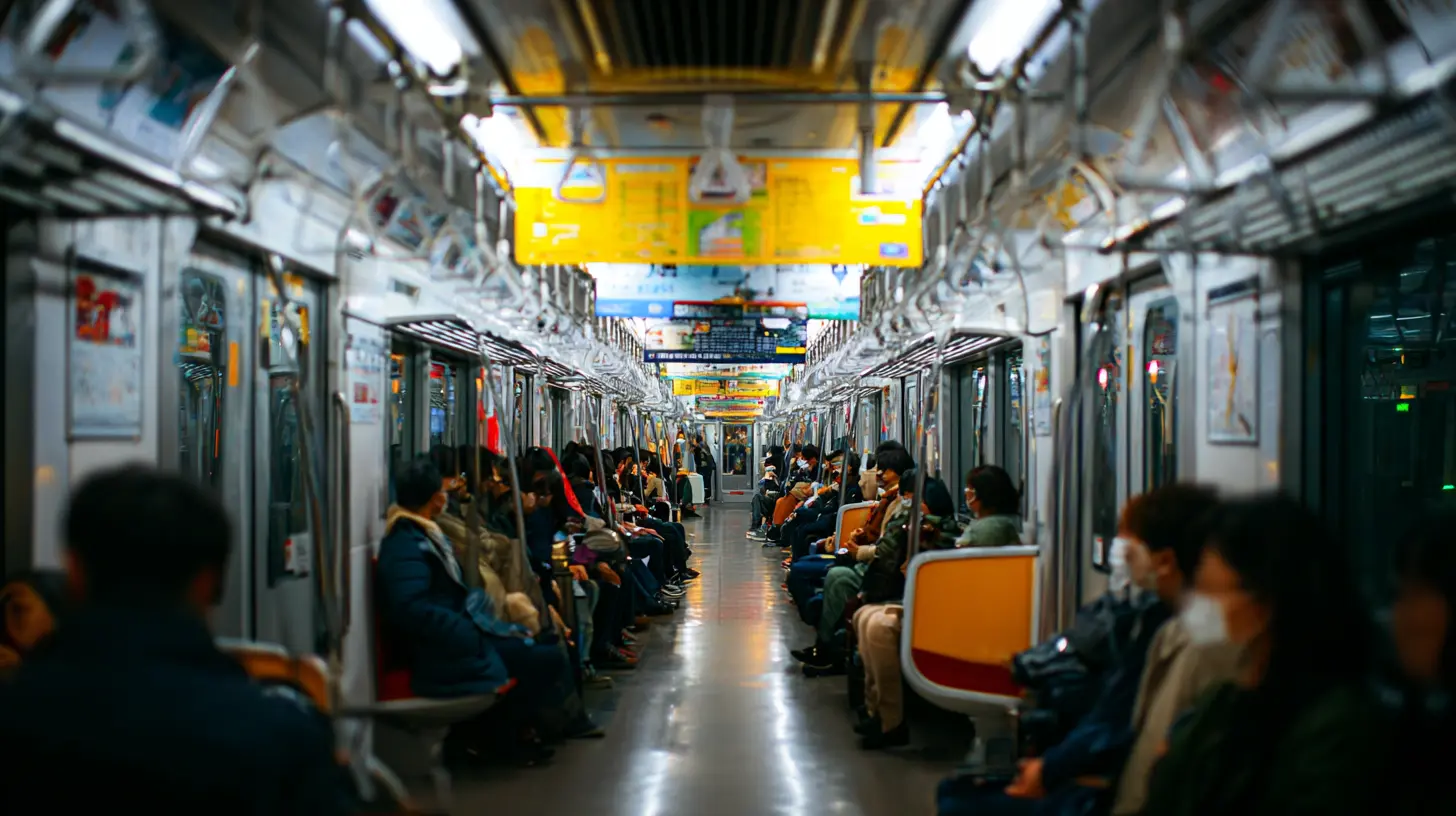
Step 3: Stay Aware of Your Surroundings
This might sound obvious, but it's easy to get distracted in a new place. You’re soaking in the sights, trying to understand the signs, and maybe trying not to trip over your suitcase.Here are some quick safety tips:
- Keep your bags close: Ideally in front of you, not behind.
- Avoid displaying valuables: Flashing smartphones, cameras, or expensive jewelry is like putting a “Pickpocket Me!” sign on your back.
- Know your stop: Watch the station names carefully so you don’t miss yours. Don't rely solely on others to alert you.
Think of yourself as a ninja: alert, aware, blending in.
Step 4: Understand Ticketing and Payment Options
No one wants to be “that traveler” holding up the line because they don’t know how to pay.?️ Types of Tickets and Passes
Some cities use tokens, others sell paper tickets, and many have reloadable cards. Figure out:- Where to buy tickets (machines, kiosks, convenience stores)
- If you need the exact fare
- Whether passes for tourists exist (e.g., unlimited rides for a day or week)
? Make Sure Your Payment Method Works
Some systems accept contactless credit cards or apps like Apple Pay or Google Wallet, but others are strictly cash-based. Have a mix just to be safe.Step 5: Read the Room (and the Signs)
Subtle social cues can tell you a lot about how to behave. In Japan, silence on the subway is golden. In Buenos Aires, expect lively conversation and maybe even music.Watch how locals behave:
- Do they line up politely?
- Are seats reserved for elderly people, pregnant women, or kids?
- Are phones on silent?
Always err on the side of politeness. When in doubt, just observe and follow the locals’ lead.
Oh, and read the signs. Even if they’re in a different language, they often include symbols or icons that make things clearer. Think of them as your visual breadcrumbs.
Step 6: Trust Your Gut
Sometimes something just feels...off. Maybe a crowded train suddenly empties. Or someone’s standing a bit too close for comfort.Listen to that gut feeling. Move away, switch cars, or even get off at the next stop and wait for another train. Your intuition is one of your best travel companions.
Step 7: Know What to Do If You Get Lost
Honestly? Getting lost is kind of part of the fun. But if it starts feeling overwhelming, here’s what you can do:- Find a safe place: A café, station office, or convenience store.
- Use offline maps: Apps like Maps.me or Google Maps (with area downloaded offline) are amazing.
- Ask for help: Don’t be afraid to ask a local. Most people are happy to help if you’re polite and respectful.
- Keep your accommodation address handy: Always have it written down or stored on your phone.
You’re not the first traveler to hop on the wrong train—or the last. Just laugh it off and reroute.
Step 8: Use Transit Apps Like a Pro
Apps are your sidekick in navigating complex systems. Here are a few you should download before you go:- Citymapper: Super detailed and works in most major cities.
- Moovit: Great for real-time updates.
- Google Maps: Reliable for general directions and transit times.
- Rome2Rio: Good for figuring out intercity routes.
Set your destination before you leave Wi-Fi, and you’re good to go—even underground.
Step 9: Stay Safe at Night
Public transport doesn’t always shut down when the sun goes down—but it does change. Fewer people, reduced schedules, sketchier surroundings.If you must travel late:
- Stick to well-lit, crowded areas.
- Sit near the driver or close to other passengers.
- Avoid empty train cars.
- Keep your phone charged in case you need it.
Sometimes it’s worth spending a little extra on a cab or ride-share at night. Better safe than sorry.
Step 10: Laugh Off the Mishaps
Let’s be real—not everything will go smoothly. You might get on the wrong tram, miss a stop, or end up in a neighborhood you didn’t plan to visit. That’s okay!Every traveler has a transit story. These little detours usually make the best memories. Learn from it, laugh a little, and keep moving.
Bonus: City-Specific Tips (Because Every Place is Different)
? Paris
- Don’t forget to validate your ticket.- Watch your pockets—pickpockets are active near tourist areas.
? Tokyo
- Lines form in front of the train doors—respect the queue.- It’s frowned upon to talk loudly or eat on trains.
? Rome
- Buses may not always follow the schedule. Patience is key.- Validate your ticket each time you board.
? New York City
- Know whether you’re headed Uptown or Downtown.- Late-night service can be unreliable—have a backup plan.
Final Thoughts: Confidence Comes with Practice
Using public transportation in a foreign city can be intimidating at first, but that’s also what makes it empowering. Once you’ve figured it out, you’ll feel like a real adventurer—daring, savvy, and maybe even a little smug (in the best way).Remember, every great explorer has felt lost at some point. The trick is to keep going, ask questions, and enjoy the ride—literally.
Still nervous? Just take a deep breath, scan your route, and put one foot in front of the other. That metro card in your pocket? That’s your ticket to freedom.
all images in this post were generated using AI tools
Category:
Travel SafetyAuthor:

Reed McFadden
Discussion
rate this article
1 comments
Cody Lopez
This article provides valuable insights for travelers navigating public transportation in unfamiliar cities. The tips on staying aware and keeping personal belongings secure are particularly helpful. It's essential reading for anyone looking to explore new places safely and confidently.
August 1, 2026 at 2:23 PM
Reed McFadden
Thank you for your feedback! I'm glad you found the tips helpful for traveling safely. Happy exploring!