How to Spot and Avoid Counterfeit Travel Offers
10 February 2026
So, your vacation dream is just a few clicks away. You've stumbled upon this deal—flights, hotel, and even a rental car—all bundled into a shockingly cheap package. Too good to be true? Maybe it is. In today's digital jungle, scammers are lurking behind seemingly polished websites, fake travel agencies, and enticing offers. If you're not careful, your dream vacation could turn into a financial nightmare.
Let’s break down how you can sniff out those shady travel offers, steer clear of scams, and confidently plan your next getaway without losing your money—or your sanity.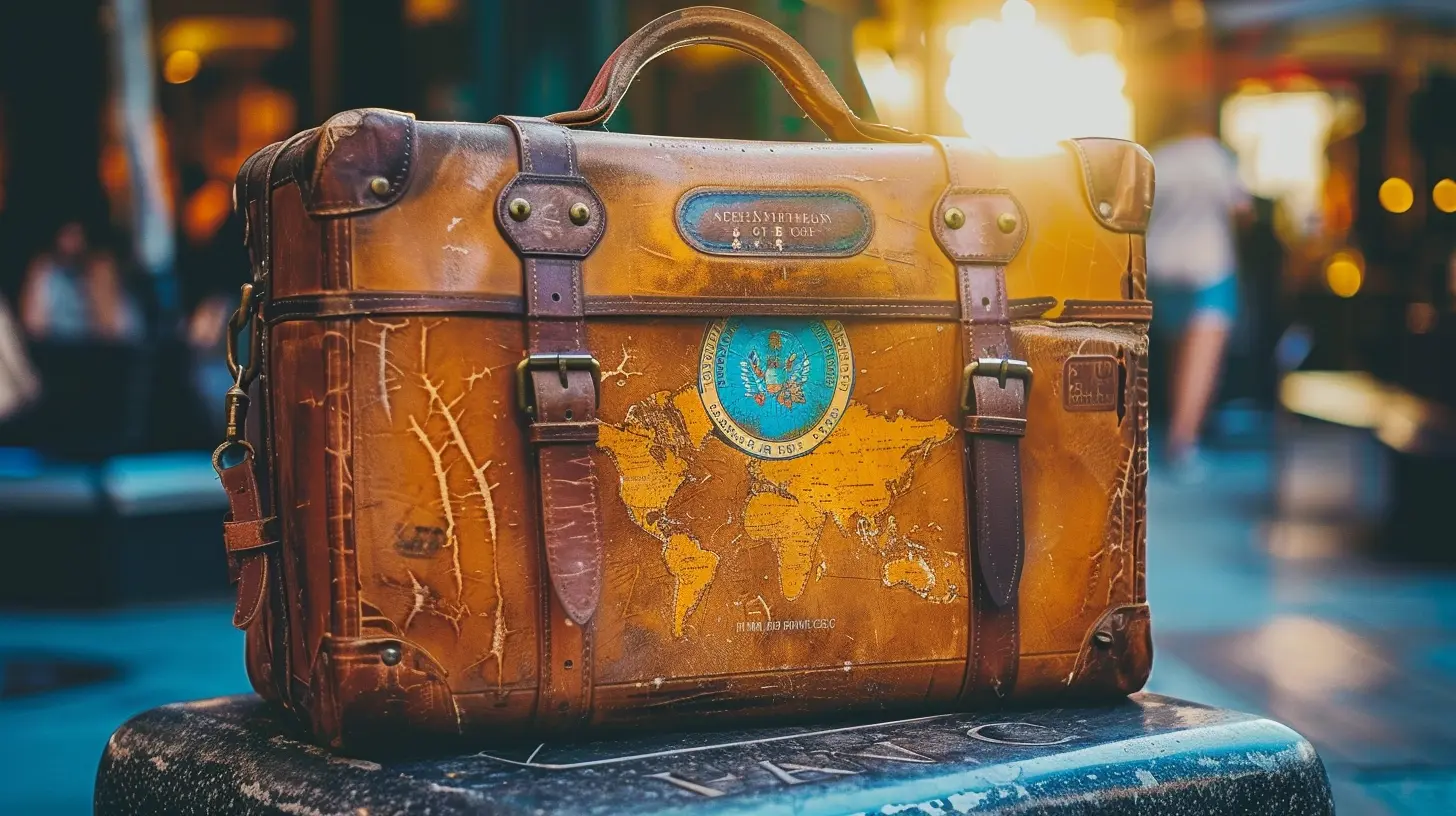
What Are Counterfeit Travel Offers?
Before we dive into how to spot them, let’s talk about what counterfeit travel offers actually are. These are fake deals typically advertised through websites, emails, social media ads, or even phone calls. The culprits behind them are usually out to steal your money, personal information, or both.They’ll promise you the world—a luxurious resort at half price, first-class flights for the price of coach, or "exclusive" vacation packages that just scream value. But once you hand over your cash, reality hits hard. No booking confirmation. No support. No vacation.
Why Are Travel Scams So Common?
Simple answer—because they work. Travel is emotional. We all crave a break, an escape, some adventure. And when someone dangles the idea of a perfect vacation for a bargain price in front of you, that excitement can cloud your judgment.Scammers know this. They also know that in the age of online booking and digital payments, it’s easier than ever to create fake websites and mask their identities.
Red Flags: How to Spot a Counterfeit Travel Offer
Time to sharpen those detective skills. Here are some dead giveaways that a travel offer might be a scam in disguise:1. 🚩 The Deal Is Way Too Good to Be True
Let’s be honest: a 7-night stay in Bora Bora for $299 including airfare? Yeah, that’s probably not legit.Scammers use unbelievably low prices to lure in victims. Always compare the offer with prices on trusted platforms like Expedia, Booking.com, or the airline’s official site. If the price difference is massive, you need to dig deeper.
2. 🚩 They Pressure You to Book Immediately
Tactics like “limited-time offer,” “only one room left!” or “book now or lose this deal forever” are commonly used to rush your decision.Sure, real travel companies also use urgency to nudge buyers, but if you're being hounded to make a payment via wire transfer or gift card without even getting proper documentation, step away.
3. 🚩 Lack of Detailed Contact Information
Can’t find a phone number or physical address on their website? Do their emails come from a sketchy-looking domain (like @freemail123.com)? That’s a big nope.Reliable travel agencies always provide clear contact details, including customer support numbers and professional-looking emails (think: [email protected]).
4. 🚩 Unprofessional Website Design
A glaringly outdated website with pixelated photos, bad grammar, or broken links is a red flag. Scammers often don’t invest much in creating a polished site. Trust your gut—if it looks sketchy, it probably is.5. 🚩 No Reviews or Fake Reviews
Before booking anything, check for reviews on third-party sites like Trustpilot, Google, or Yelp. If you can’t find the company anywhere—or all the reviews look overly positive, identical, or were posted on the same date—it’s likely a scam.6. 🚩 Suspicious Payment Methods
If they’re asking for payment via wire transfer, cryptocurrency, or prepaid gift cards, run. These methods are nearly impossible to trace or refund. Always use a credit card when booking travel. It offers the most protection against fraud.
How Scammers Typically Operate
Understanding the methods these fraudsters use will help you stay one step ahead. Here’s how most of them reel you in:✈️ Phony Booking Sites
These sites mimic legitimate travel agencies and pop up in search engine ads or social media. You'll think you're on a real booking site, fill in your details, make a payment… and then nothing. Zero confirmations, zero refunds.🏨 Fake Vacation Packages
You might get an email or see an ad for a discounted Caribbean escape. Click the ad, and you're directed to a professional-looking site. Once you pay and try to confirm your details, the site vanishes—or you realize you're booked into a non-existent resort.📞 Cold Calls or Spam Emails
“Congratulations! You've won a free cruise!" Heard that one before? Yeah, me too. These scams often ask you to pay “taxes” or “processing fees” upfront. Spoiler alert: there’s no cruise.How to Protect Yourself When Booking Travel
Alright, now that you're armed with knowledge, here's how you can travel safe:✅ Stick with Reputable Booking Platforms
Use well-known travel aggregators or the official websites of airlines and hotels. If you're not sure whether a site is legit, look it up on Better Business Bureau or check consumer watchdog forums.✅ Do Your Homework
Search for the company name + “scam” or “fraud” before booking. Read reviews. Check if their business is registered or accredited by organizations like IATA or ASTA.✅ Verify the Details
If you're booking a tour or hotel through a third party, call the airline or hotel directly to confirm your reservation. A legit booking should always be verifiable.✅ Pay Safely
Always use a credit card—not debit, wire transfer, or gift cards. Credit cards give you better fraud protection and the ability to file a chargeback if things go south.✅ Watch Out for Spelling Errors
This might sound nitpicky, but poor English, weird phrasing, and typos are common signs of scam websites. Legitimate companies usually proofread their content.✅ Keep Confirmation Emails
Once you book, keep all confirmation emails, receipts, and communication. If something seems fishy later on, these can help resolve disputes or provide proof in a fraud claim.What To Do If You’ve Been Scammed
Okay, worst-case scenario: you fell for it. First off, don't beat yourself up—these scams are designed to fool even the savviest travelers. Here’s what to do next:🔒 Contact Your Bank or Credit Card Company
Report the transaction immediately. You may be able to reverse the charge or at least freeze your card to prevent further losses.⚠ Report It
File a complaint with:- The Federal Trade Commission (FTC)
- Your local consumer protection office
- Internet Crime Complaint Center (IC3)
The more people report scams, the harder it becomes for these fraudsters to operate.
📞 Alert the Real Travel Provider
If the scam involved impersonating a real airline or hotel, inform them. They can warn other customers and may even be able to help you track down more info.Trust Your Gut
Honestly, the best anti-scam tool you have is your instinct. If something feels "off," it probably is. Take a breath. Do a little digging. Booking your vacation shouldn’t feel like a gamble.Think of spotting scams like scanning your burger before taking a bite—you don’t need to be paranoid, just cautious enough not to swallow something nasty.
Final Thoughts
Scammers are getting sneakier by the day, but you can stay a step ahead. The key is to stay informed, trust your instincts, and always double-check before handing over your money. Travel should be about collecting memories—not regrets.So next time you see an eye-popping deal that seems too amazing, pause. Ask questions. Read the fine print. Because while travel can open your eyes, a scam can cost you your wallet.
Stay curious, stay adventurous—but more importantly, stay smart.
all images in this post were generated using AI tools
Category:
Travel SafetyAuthor:

Reed McFadden
Discussion
rate this article
2 comments
Gunnar Shaffer
Great article! It's crucial for travelers to stay informed about counterfeit offers. Your tips empower readers to navigate the travel landscape safely and confidently. Protecting our adventures starts with knowledge—thanks for shedding light on this important topic! Happy travels!
March 4, 2026 at 6:09 AM
Reed McFadden
Thank you for your kind words! I'm glad you found the article helpful. Safe travels!
Zephyros Phillips
Always verify sources and read reviews thoroughly!
February 11, 2026 at 3:54 AM
Reed McFadden
Absolutely, doing your research is key to avoiding scams. Thanks for the reminder!