How to Build the Perfect Travel Checklist for Beginners in 2026
30 October 2026
Most travel checklists fail for the same reason most diets fail. They are built for an imaginary person living an imaginary life. You copy a list from the internet, it has forty-seven items, you ignore half of them, and somewhere over the Atlantic you realize your passport is in the drawer next to your bed. The list was never the problem. The problem is that a checklist copied from someone else does not know where you are going, how long you will be gone, what you plan to do, or what you are capable of handling when things go sideways.
A good travel checklist is not a packing list. It is a decision system. It captures the things that, if forgotten, will cost you money, time, or your entire trip, and it separates them from the things that merely make you comfortable. Beginners tend to conflate the two, which is why they overpack and underprepare at the same time.
This guide is about building that system from scratch, with the judgment to know what belongs on it and what does not.
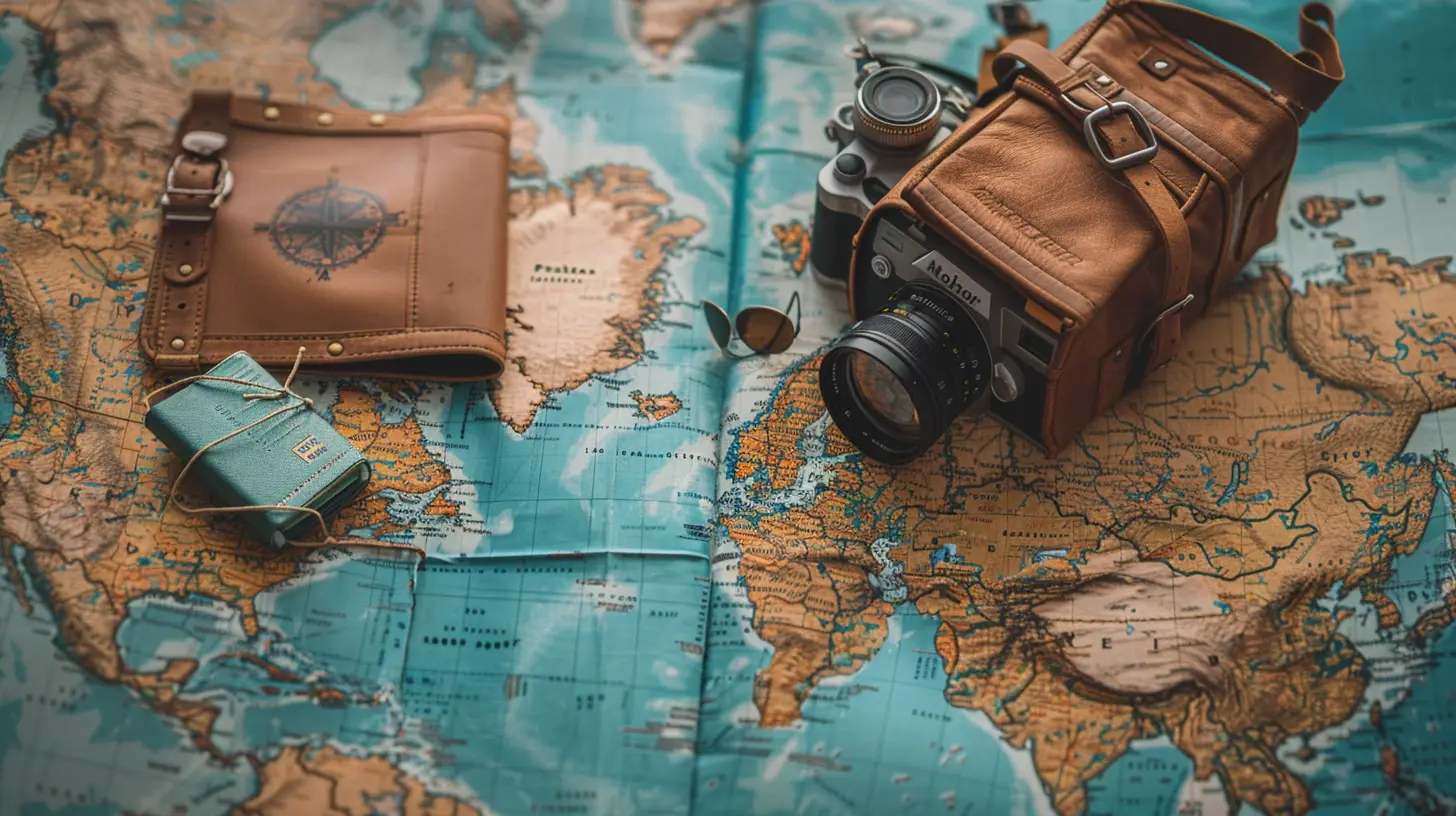
Why Most Beginner Checklists Are Built Backward
The standard advice is to start with a packing list and work outward. That is backward. Packing is the last decision in a chain of decisions, and it is the one with the lowest stakes. If you forget a phone charger, you buy one for twelve dollars at the airport. If you forget to check your passport's expiration date, you are not boarding the plane.The right order is this: obligations first, then logistics, then gear, then contingencies. Obligations are the things other people require of you, like valid documents, visas, and reservations. Logistics are the things that move you between places, like transport confirmations and accommodation addresses. Gear is what you carry. Contingencies are what you do when the first three fail.
Beginners skip straight to gear because it feels productive. Buying a packing cube feels like trip preparation. Checking whether your destination requires six months of passport validity feels like homework. One of these determines whether the trip happens at all.

The Foundation: Documents and Deadlines
Start your checklist with a documents block, and give it a deadline measured in weeks, not days. This is the part of the process where a single overlooked detail can cancel everything else.Passport validity and blank pages
Many countries require that your passport remain valid for a set period beyond your planned departure, commonly three to six months, though the exact rule varies by destination and changes over time. Some countries also require blank pages for stamps. Check the specific requirement for your destination on the official government website of that country, not on a blog, and not on a forum. Rules shift, and a source written two years ago may already be wrong.If your passport needs renewal, start now. Renewal times vary widely and can stretch for weeks or months depending on season and backlog. This is the single most common reason beginners miss international trips, and it is entirely preventable with a calendar reminder set months in advance.
Visas and entry requirements
Visa rules are destination-specific and often nationality-specific. An e-visa that takes ten minutes for one passport holder can take three weeks and a consulate appointment for another. Build a checklist line that says "confirm visa requirement for my nationality" and resolve it before you book anything nonrefundable. Some countries also require proof of onward travel, proof of funds, or a return ticket at check-in. Airlines enforce these rules at the departure gate, not the destination, which surprises people.Travel insurance
Beginners often treat insurance as optional. It is not optional in the way a neck pillow is optional. It is optional in the way a seatbelt is optional, which is to say technically yes, practically no. The nuance is that insurance matters most for the things you cannot self-insure: medical evacuation, hospital stays abroad, trip cancellation on a large prepayment, and lost luggage on a multi-leg journey. If your trip is a cheap weekend domestically, the calculus changes. For international travel, read the policy's medical and evacuation limits before you buy, because a policy with a low evacuation cap is mostly decoration.
Booking Logistics: The Part That Bites Later
Once documents are handled, move to logistics. The goal here is not to plan every hour. It is to make sure the connective tissue of the trip is confirmed and accessible offline.The offline access rule
Every confirmation number, address, and phone number you need should be available without an internet connection. Screenshots work. A notes app with the details copied in works. A printed page works and never runs out of battery. The reason this matters is that the moments you most need this information, at immigration, at a foreign SIM card kiosk, in a taxi with no signal, are exactly the moments your data plan is not yet working.Accommodation and transport specifics
Do not just save the hotel name. Save the full address, the check-in window, and the local phone number. In many cities, taxi drivers know the neighborhood but not the specific building, and a street address resolves that in seconds. For transport, note the departure point, not just the departure time, because large stations have multiple entrances and the difference can cost you a train.A realistic first-day plan
Beginners frequently book an activity for the arrival day and regret it. Flights run late, immigration queues run long, and jet lag is real. Build your checklist with a line that says "first day: nothing scheduled except arrival and food." This is not laziness. It is a buffer that absorbs the inevitable friction of travel day, and it protects the rest of the itinerary from cascading delays.
Packing: A Judgment Framework, Not a List
Here is where beginners want a list, and here is where a list is least useful. The correct packing list depends on climate, trip length, laundry access, formal requirements, and how much you are willing to carry. What you actually need is a framework for deciding.The three-tier method
Sort every item into three tiers. Tier one is what you cannot replace easily or cheaply on the road: medications, glasses, documents, and any specialty gear specific to your activity. Tier two is what you can replace but would rather not buy: basic clothing, toiletries in travel sizes, chargers. Tier three is what you can buy at any pharmacy or corner store for a few dollars: sunscreen, shampoo, umbrellas, snacks.Pack tier one completely and carefully. Pack tier two based on laundry access. If you have laundry every four days, you need four days of clothing, not fourteen. Treat tier three as an emergency fund of purchases, not as luggage. This single framework eliminates most overpacking, because overpacking is almost always tier three items duplicated "just in case."
The one-bag question
There is a real trade-off between carrying one bag and checking luggage. One bag means no baggage claim waits, no lost luggage risk, and total mobility on trains and stairs. It also means strict liquid limits, no room for souvenirs, and a hard limit on what you can bring for variable weather. Checking a bag means more capacity and less carrying, at the cost of arrival delays and the small but real chance your bag takes a different vacation than you do.For beginners on trips under two weeks with access to laundry, one carry-on is usually the better call, and it teaches you more about your actual needs than any list will. For trips with formal events, specialized gear, or long durations, checked luggage earns its place. Decide deliberately rather than by default.
The medication rule
Prescription medication goes in your carry-on, in original labeled packaging, with a copy of the prescription. This is not paranoia. Checked bags get delayed, and some medications are difficult or impossible to replace abroad. If you take anything regularly, this line belongs at the top of your packing block, not buried in it.The Contingency Layer: What Beginners Always Skip
This is the section that separates a beginner checklist from a professional one. Contingencies are not about expecting disaster. They are about making small failures cheap.Money access redundancy
Carry at least two independent ways to pay. A card and a second card from a different issuer, plus a small amount of local cash. The reason is that card networks, banks, and fraud systems fail independently, and a single frozen card can strand you. Notify your bank of travel if your bank requires it, and know the international collect-call number for your card issuer, because the number on the back of the card often does not work from abroad.The document backup
Photograph your passport, insurance policy, and key reservations, and store them somewhere accessible from any device. A cloud account works. So does a password-protected file you can reach from a borrowed phone. If your passport is lost, the copy dramatically speeds up replacement at a consulate. This takes four minutes and has saved more trips than any packing cube ever has.A communication plan
Tell someone at home your itinerary, and agree on a check-in rhythm. This is not just courtesy. If something goes wrong, someone knows where you were supposed to be. For solo travelers especially, a simple daily message is a low-cost safety net.
Common Mistakes and Misconceptions
Mistake: packing for the weather you hope for. Check historical climate data for your dates, not the forecast two weeks out, and pack for the colder end of the range. Evenings, altitude, and air conditioning all run colder than people expect.Mistake: treating the checklist as a one-time document. A checklist is a living tool. After each trip, add the thing you forgot and remove the thing you never touched. Within three trips, your list becomes genuinely personal and far more useful than anything generic.
Mistake: over-scheduling the itinerary. Beginners fill every day because empty time feels like wasted money. Experienced travelers leave gaps because the best parts of a trip are usually unplanned, and because a packed schedule has zero tolerance for the delays that travel reliably produces.
Misconception: "I'll just buy it there." Sometimes true, sometimes expensive, and sometimes impossible. This works well for tier three items in developed destinations. It fails for medications, specialty gear, and anything you need on arrival day before shops open.
Misconception: more research means more preparation. Endless reading about a destination feels like progress but does not check a single box. Convert research into checklist lines with deadlines, or it evaporates.
Building Your Checklist: A Practical Sequence
Here is the sequence that works, in order:1. Set the trip dates and destination, then immediately resolve passport validity and visa requirements.
2. Book refundable transport and accommodation, then confirm the cancellation terms.
3. Buy travel insurance and read the medical and evacuation limits.
4. Build the logistics block: addresses, confirmation numbers, offline copies.
5. Apply the three-tier packing framework to gear.
6. Add the contingency layer: payment redundancy, document backups, communication plan.
7. Do a final review 72 hours before departure, when the forecast is meaningful and nothing is left to procrastinate about.
The 72-hour review matters more than beginners expect. It is the last window where a forgotten item can still be fixed without paying airport prices, and where a schedule conflict can still be resolved calmly.
The Mindset That Makes Checklists Work
A checklist is not a test you can fail. It is a tool that offloads memory so your attention can go where it belongs, which is the trip itself. The beginners who struggle most are the ones who treat preparation as a performance of thoroughness rather than a set of decisions about risk and cost. The goal is not a longer list. The goal is a shorter list of things that actually matter, checked reliably, with deadlines early enough to fix problems.Build the list once. Refine it after every trip. Within a year, you will have something no website can give you: a checklist that knows exactly who you are and how you travel.
all images in this post were generated using AI tools
Category:
Travel ChecklistsAuthor:

Reed McFadden