How to Avoid Cultural Misunderstandings When Visiting Markets and Bazaars
13 July 2026
Visiting markets and bazaars in a foreign country is like stepping into a vibrant, chaotic, and fascinating world of sights, sounds, and smells. Whether you're browsing for handcrafted souvenirs in Morocco, haggling over spices in India, or admiring textiles in Turkey, local markets are a goldmine for culture and tradition. However, these bustling places can also be potential minefields for cultural misunderstandings.
So, how do you navigate these lively shopping hubs without unintentionally offending a vendor or making a social faux pas? Don't worry—I’ve got you covered! Here’s everything you need to know to ensure your market experience is smooth, enjoyable, and respectful. 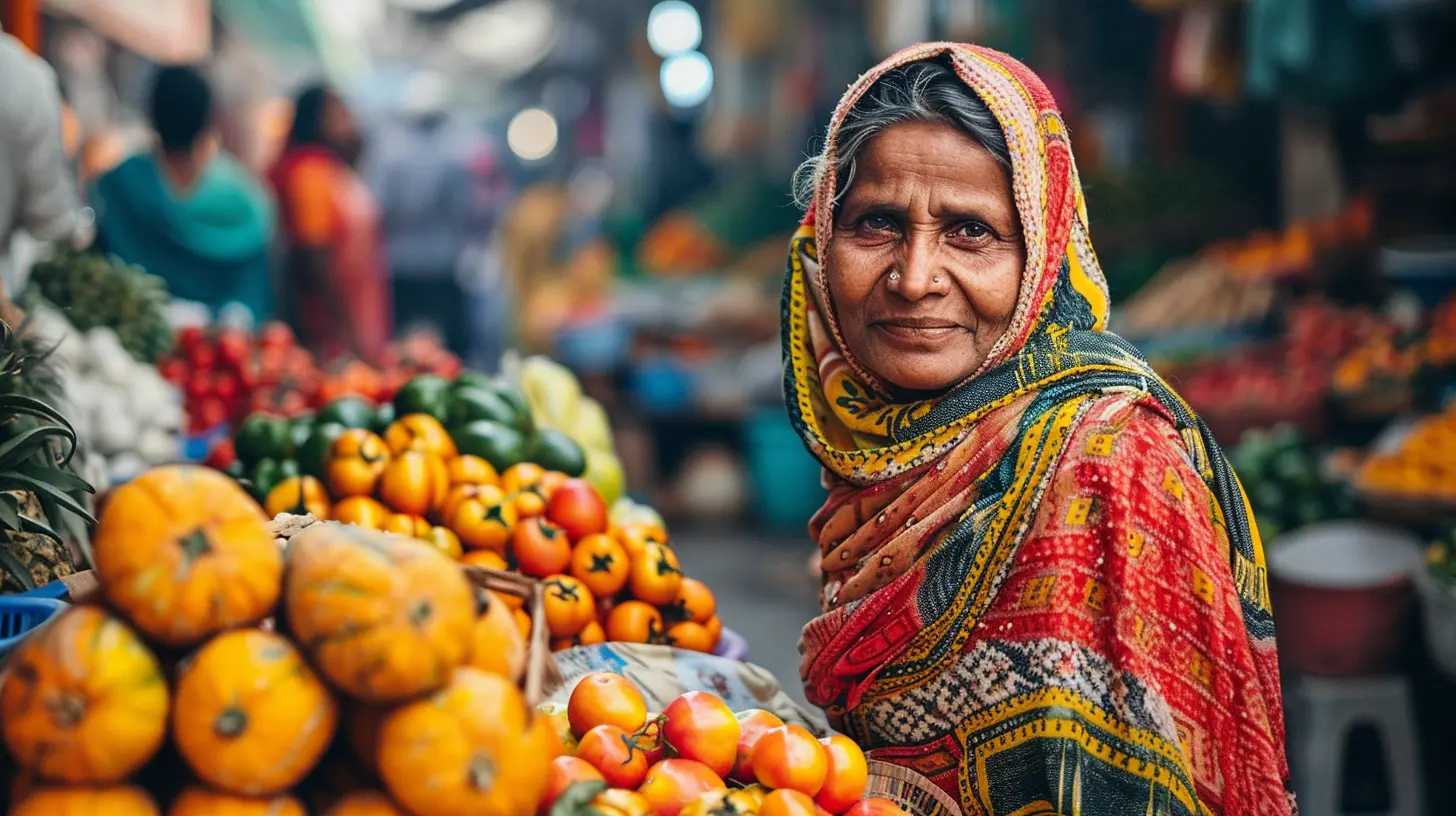
1. Do Your Homework Before You Go
Before wandering into a foreign market, it's a good idea to understand some basic cultural norms. In some countries, aggressive haggling is expected, while in others, it may be considered rude.For example:
- In Morocco, bargaining is not just acceptable—it’s a vital part of the shopping experience. Vendors might even feel insulted if you accept the first price!
- In Japan, haggling in markets is generally frowned upon, and prices are usually fixed.
- In Middle Eastern souks, offering a low price is expected, but walking away to test the vendor’s final offer is part of the dance.
Doing a little research beforehand will save you from awkward situations and help you shop with confidence. 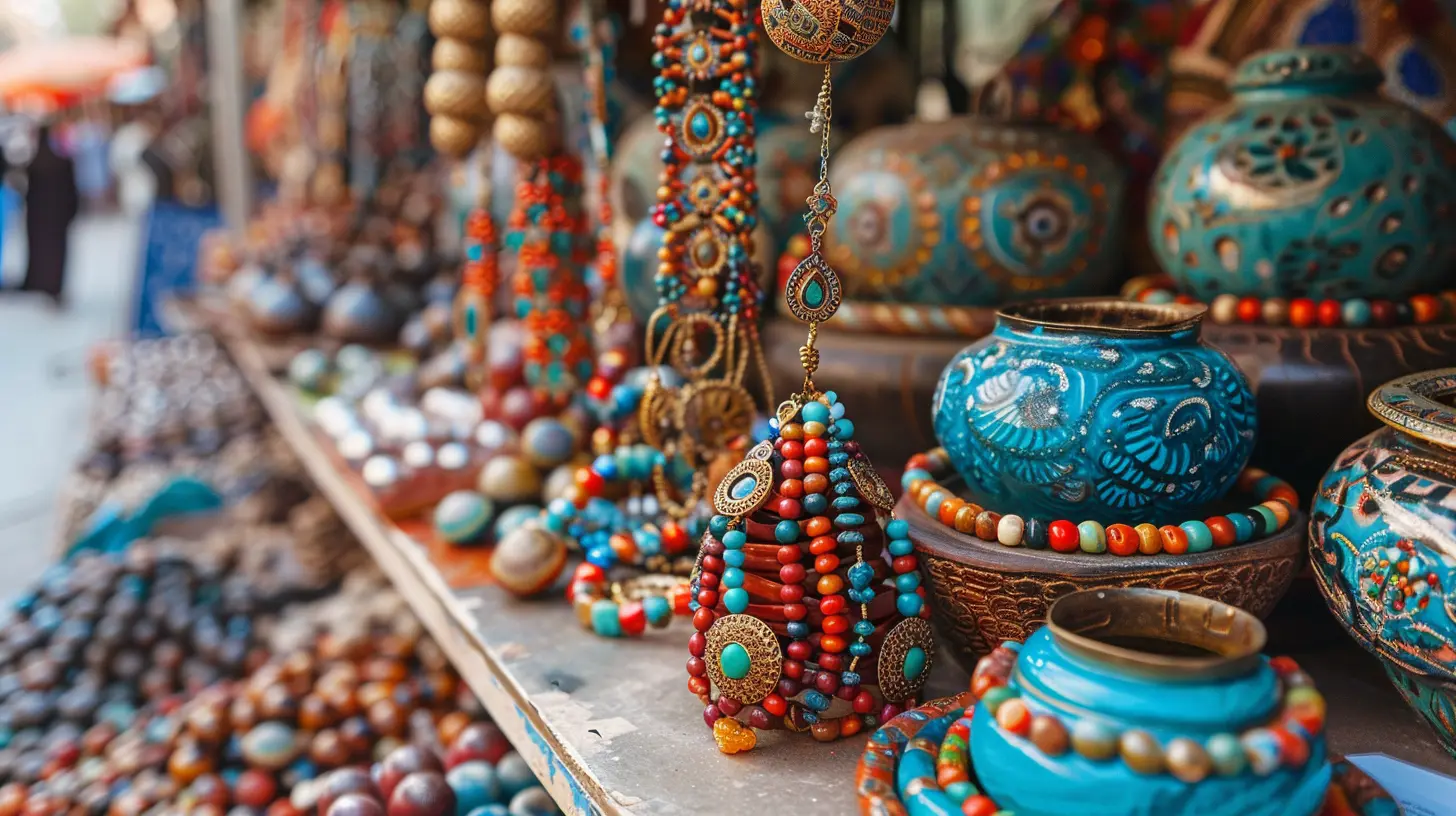
2. Respect Personal Space and Touching Items
Every culture has different perceptions of personal space and handling merchandise.- In some markets, like those in Thailand, touching items without showing genuine interest can be seen as disrespectful. Vendors appreciate when shoppers handle products carefully rather than rummaging through everything without real intent to buy.
- In Africa or the Middle East, pointing at items with your left hand might be offensive, as the left hand is traditionally considered unclean in many cultures. Instead, use your right hand or both hands when picking up an item.
A good rule of thumb? Observe how locals interact with stalls and vendors, then follow suit! 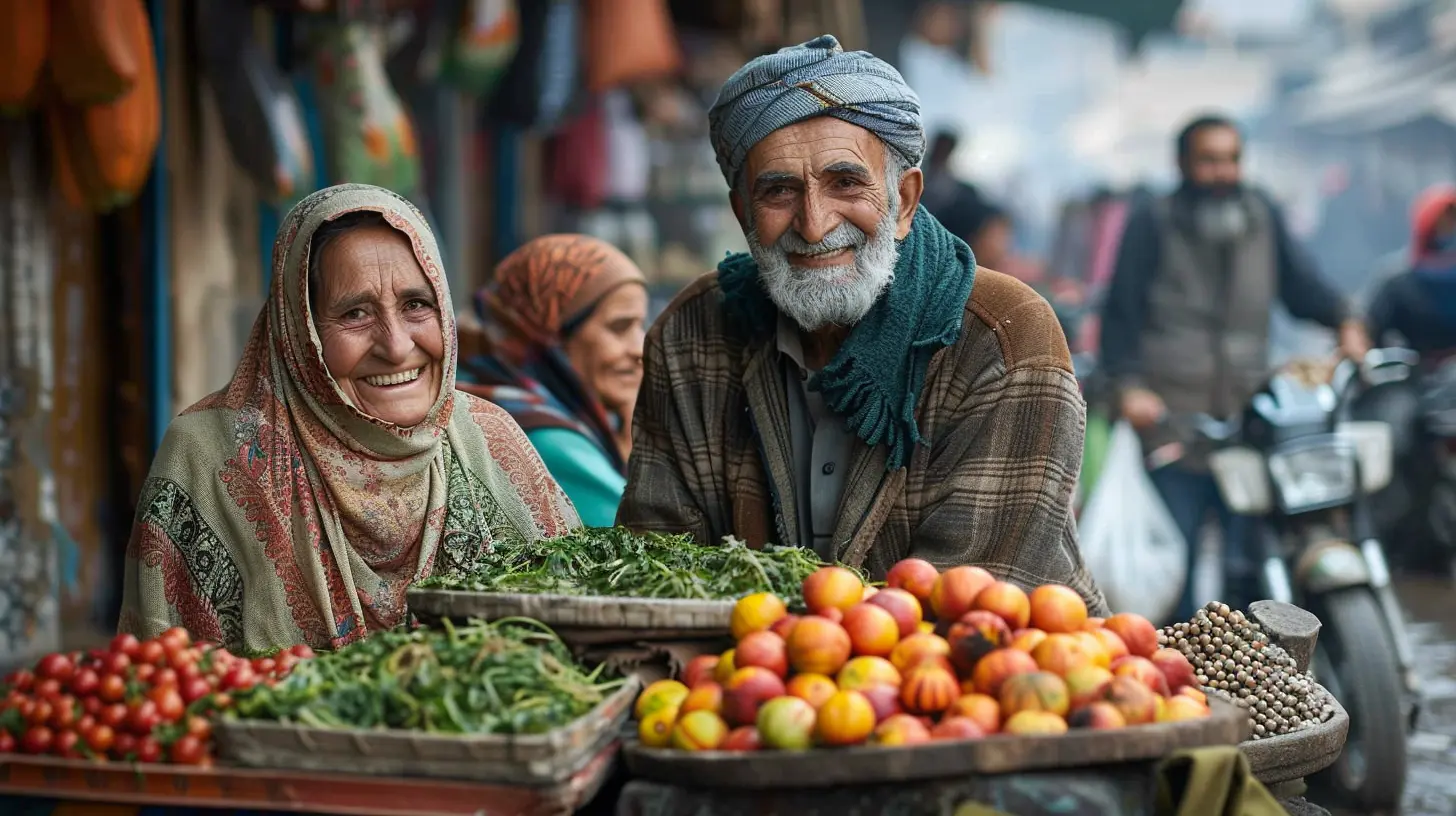
3. Understand the Art of Haggling (or When to Skip It!)
Haggling can be a fun and essential part of shopping in markets, but there’s a fine line between negotiating and being disrespectful.Do’s of Haggling:
✅ Start by asking the price but never accept the first offer.✅ Offer about 50-60% of the asking price and work your way up.
✅ Keep it lighthearted—smile and have fun!
✅ If you reach a price that's fair, commit—don’t walk away after wasting the vendor’s time.
Don’ts of Haggling:
❌ Don’t lowball to the point of insult. Vendors need to make a living too!❌ Don’t get aggressive—negotiation should be fun, not stressful.
❌ Don’t feel pressured to buy—if you truly don’t want something, politely decline and move on.
If you're in a market where prices are clearly marked or locals aren't haggling, it’s best to respect the system and pay the listed amount. 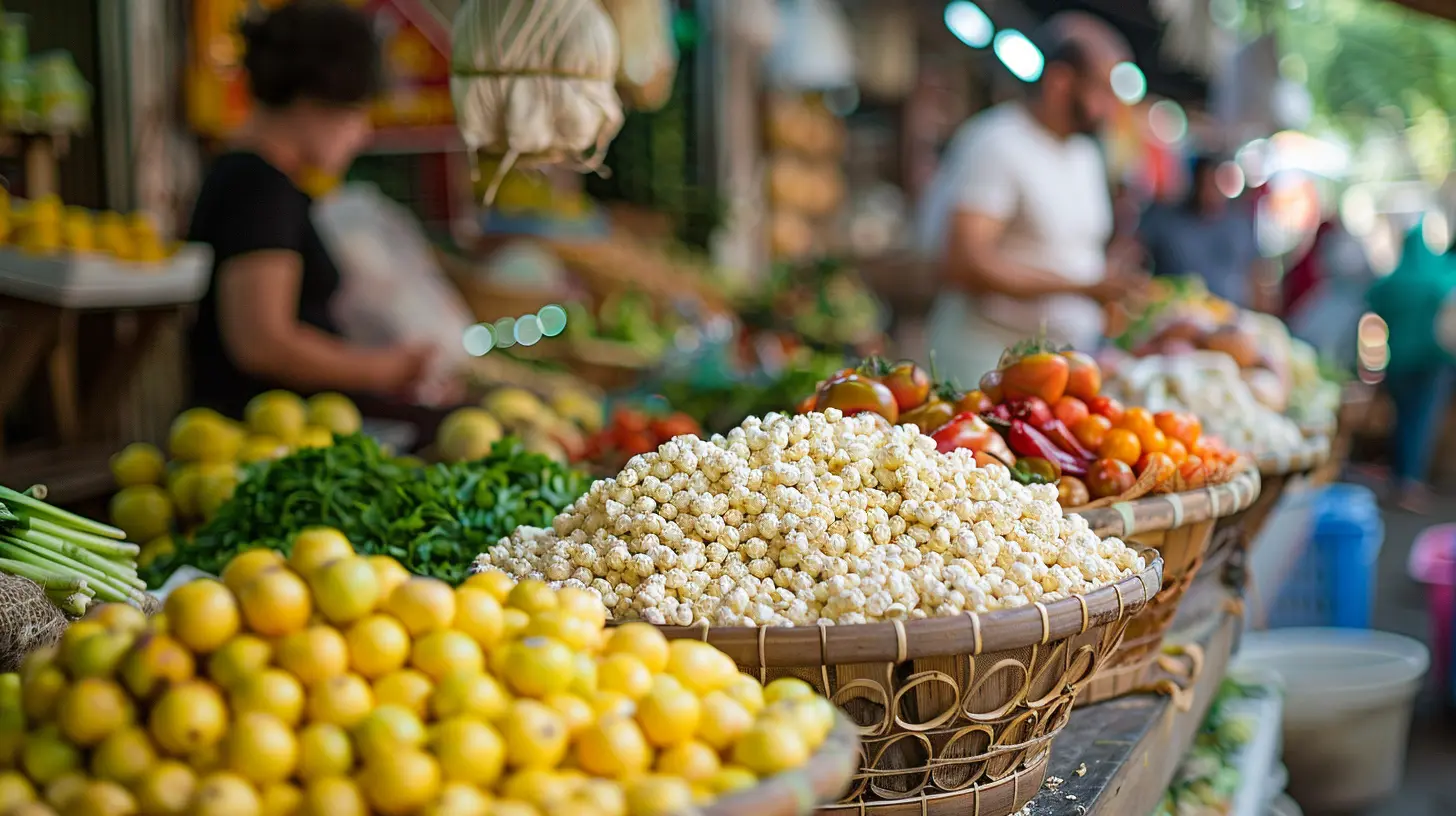
4. Be Mindful of Body Language and Gestures
Gestures that seem harmless in your country might have a totally different meaning elsewhere.- The "thumbs up" sign in Western culture may be positive, but in some Middle Eastern countries, it can be offensive.
- Nodding your head up and down in Greece actually means “no,” while shaking it side to side means “yes” (confusing, right?).
- Making the "OK" sign with your fingers might seem innocent but can be offensive in places like Brazil or Turkey.
If you’re unsure, stick to a warm smile and respectful nod.
5. Dress Appropriately for the Culture
Markets are often in traditional parts of town where cultural dress codes are still followed. If you're walking around in shorts and a tank top in a conservative country, you might attract unwanted attention or offend locals.A good rule to follow? Dress modestly.
For example:
- In Middle Eastern and Southeast Asian countries, covering your shoulders and knees is generally expected.
- In Latin America, dressing too casually might make you stand out as a tourist (and an easy target for pickpockets!).
Blend in as much as possible by wearing comfortable but culturally appropriate clothing.
6. Learn a Few Key Phrases in the Local Language
You don’t have to be fluent, but knowing a few words in the local language can go a long way in building goodwill with vendors.Simple phrases like:
- “Hello” and “Thank you”
- “How much does this cost?”
- “That’s too expensive” (for bargaining)
- “I don’t need a bag” (for sustainability!)
Not only will vendors appreciate the effort, but you might also get better deals for showing respect and interest in their language.
7. Be Cautious with Photography
In a busy market, it's tempting to snap pictures of colorful stalls and exotic goods. But before you start clicking away, be mindful of the people around you.- Some cultures believe it’s disrespectful to take photos of people without permission.
- Vendors might not want their products photographed, especially if they sell handmade or unique items.
- In religious or highly traditional areas, taking photos can be outright offensive.
If in doubt, just ask! A simple “May I take a photo?” with a smile will usually get you a clear answer.
8. Avoid Overly Aggressive Sales Tactics with Grace
Markets can have persistent vendors trying to sell you everything from scarves to spices. While some shoppers enjoy the lively interactions, others find it overwhelming.Here’s how to handle pushy sellers without being rude:
- Stay polite but firm. A simple “No, thank you” with a smile usually does the trick.
- Avoid eye contact if you’re not interested. In some cultures, looking at an item signals interest, which invites sales pressure.
- Keep walking. Vendors often give up if they see you’re not engaging.
Patience and a sense of humor go a long way in these situations!
9. Respect Local Customs for Payment and Tipping
How you pay for goods can be just as important as what you buy. In many countries, handling money has cultural significance.- In Japan, always place money in the designated tray instead of handing it directly to the vendor.
- In India, Southeast Asia, and some Muslim countries, use your right hand when giving money, as the left hand is traditionally considered impolite.
- In many Middle Eastern countries, tipping (or offering a little extra) is customary and seen as a gesture of goodwill.
Being mindful of these small customs can make a big difference in your interactions.
10. Say “Thank You” and Leave on a Positive Note
Regardless of whether you buy something or not, ending your interaction on a friendly note is important.A simple “thank you,” a smile, or even a small farewell phrase in the local language can leave a good impression. Vendors appreciate respectful tourists, and who knows—you might even be welcomed back with better deals next time!
Final Thoughts
Visiting markets and bazaars is one of the best ways to immerse yourself in a new culture. They offer a glimpse into the daily lives, traditions, and craftsmanship of local communities. However, a little cultural awareness goes a long way in making sure your shopping experience is enjoyable and respectful.By following these simple yet effective tips, you'll not only avoid misunderstandings but also make meaningful connections with the people you meet along the way. So go ahead, dive in, and shop like a pro—just remember to do it with respect and a smile!
all images in this post were generated using AI tools
Category:
Cultural EtiquetteAuthor:

Reed McFadden
Discussion
rate this article
1 comments
Yasmeen Gill
This article is a gem for travelers! I'm curious about the specific cultural nuances that could really catch someone off guard in markets and bazaars. Are there any surprising customs or gestures that people often overlook? I can't wait to learn more before my next trip!
September 4, 2026 at 3:18 PM
Reed McFadden
Thanks for your enthusiasm! One surprising gesture to watch for is how people greet each other. In some cultures, a simple handshake is common, while in others, a bow or even a cheek kiss is preferred. Also, haggling is expected in many markets, but the way you negotiate can vary widely. Being aware of these nuances can enhance your experience. Enjoy your travels!