From Desert to Jungle: Exploring the Diversity of World Heritage Sites
2 February 2026
Let’s take a wild ride across some of the most jaw-dropping places on the planet. Ever wondered how our world can host both bone-dry deserts and lush, dripping rainforests—and still be breathtaking in both extremes? That's the magic of our planet's diverse World Heritage Sites. They're not just stamps of history or culture; they're the beating heart of our Earth’s story.
So grab your virtual backpack because we’re going on a journey that starts in the sun-scorched sands and ends deep in the green lungs of our planet—yes, from desert to jungle!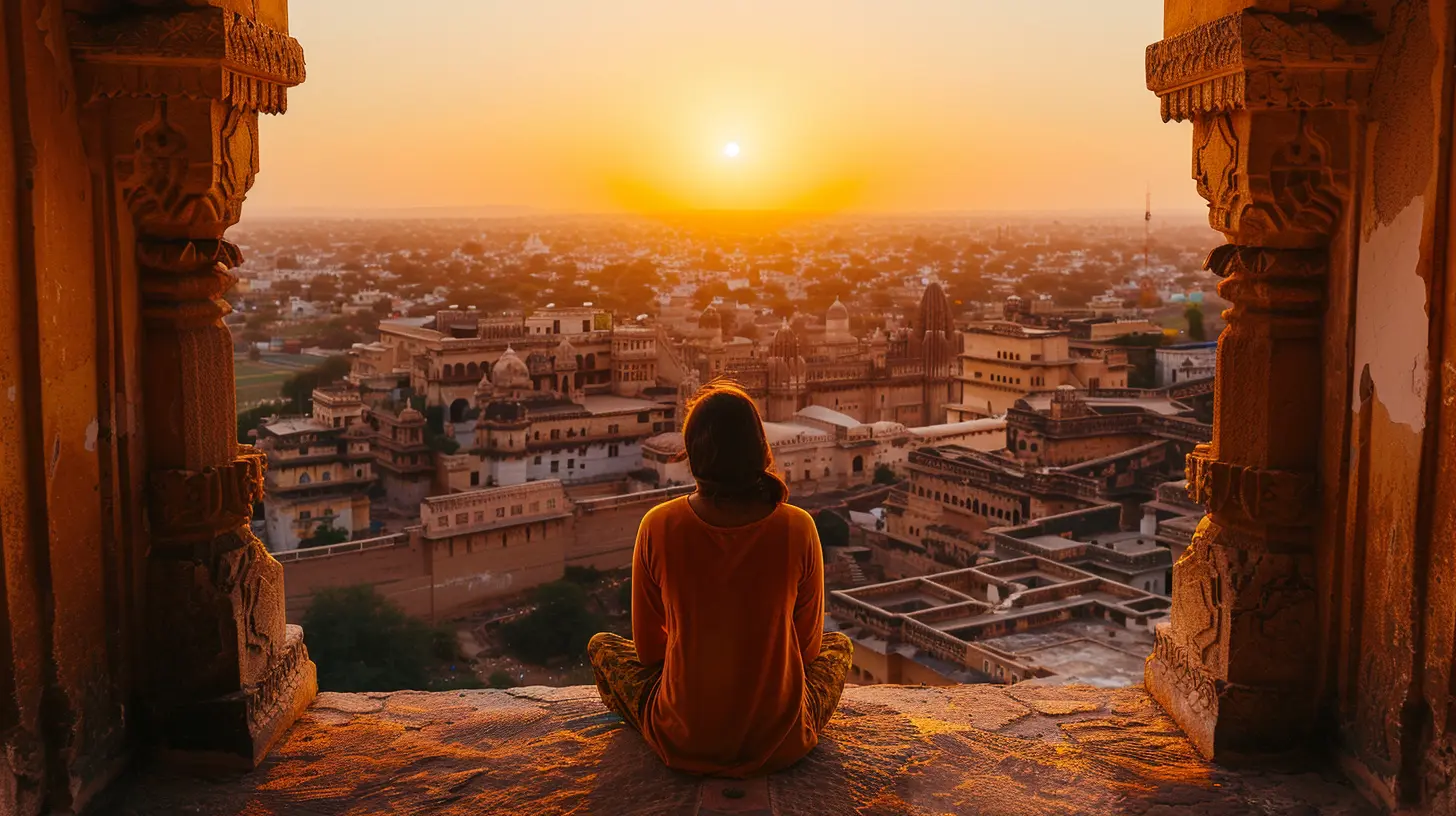
What Are World Heritage Sites Anyway?
You’ve probably heard the term before, maybe while planning a vacation or scrolling through Instagram. But what exactly are World Heritage Sites?These are places recognized by UNESCO (yep, those folks who care about education, science, and culture) for their outstanding value to humanity. Whether it's a ruined city, a sacred mountain, a vast rainforest, or a windswept desert—these sites show off the best of what our planet and its people have created or preserved.
They're like Earth’s Hall of Fame!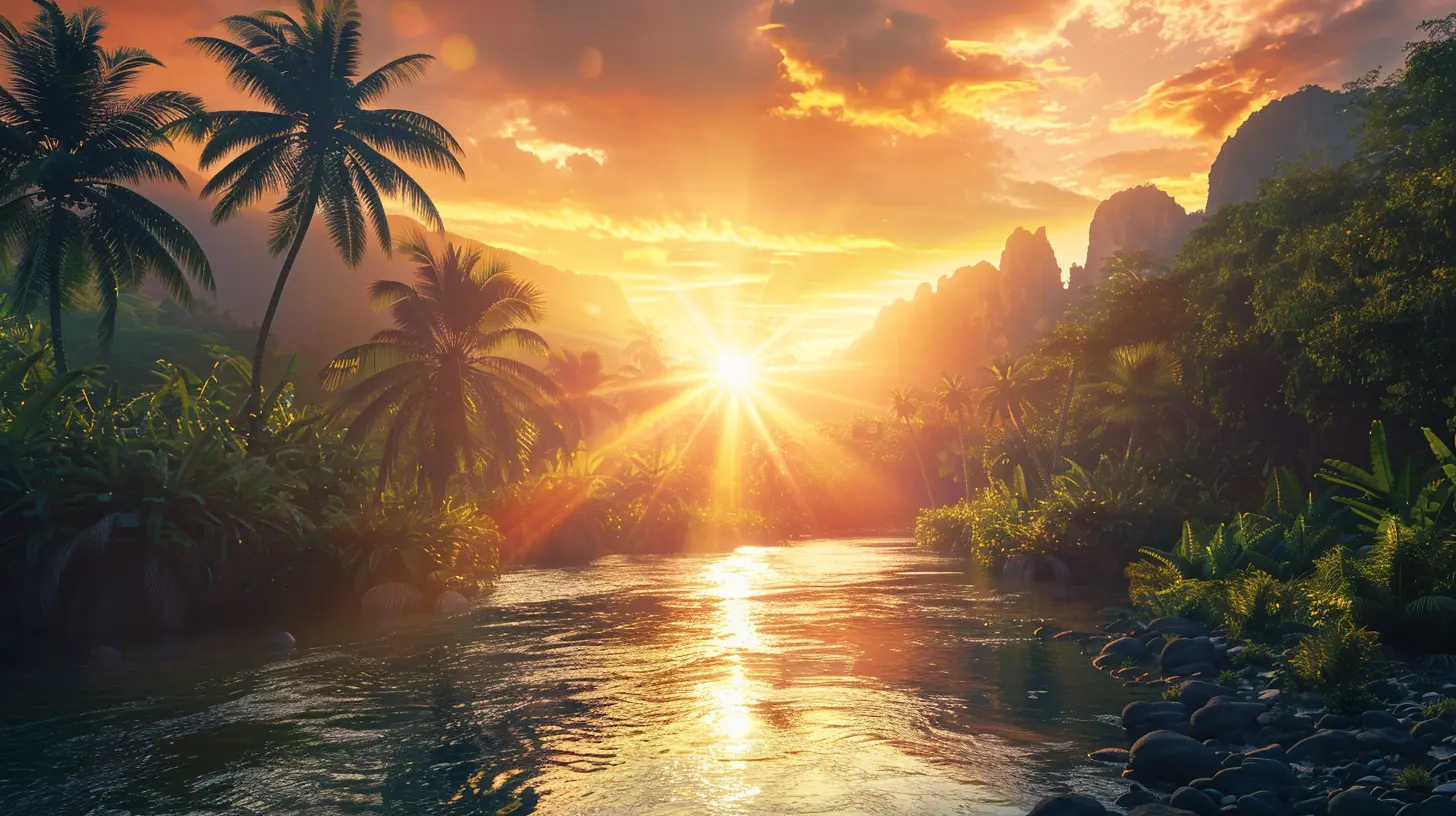
The Scorching Beauty of Desert World Heritage Sites
Let’s start where the heat hits hardest: the deserts. Think endless sand dunes, ancient rock art, and surreal silence. Deserts aren’t just empty wastelands—they’re living museums.1. Tassili n'Ajjer, Algeria
This place looks like a Martian landscape with a twist. Located in the middle of the Sahara, Tassili n'Ajjer is home to sandstone formations that could give the Grand Canyon a run for its money. What sets it apart, though, are its thousands of prehistoric rock paintings and carvings—proof that humans thrived here long before the area became arid.Imagine ancient people drawing giraffes, elephants, and even swimming humans. Yep, this desert wasn’t always dry!
2. Wadi Rum, Jordan
Nicknamed “The Valley of the Moon,” this dramatic desert in southern Jordan is like Nature’s version of a blockbuster movie set. Those massive red sandstone arches and towering cliffs? Straight out of a sci-fi flick. It’s not just for show, though—Wadi Rum has both natural and cultural significance, with traces of human activity dating back 12,000 years.Arabian nights, stargazing, and camel shadows—what's not to love?
3. Namib Sand Sea, Namibia
Ever seen a desert that dances? The sand dunes here shift with the wind like waves on the ocean. The Namib is the oldest desert in the world and also one of the most photogenic. Giant orange dunes meet the Atlantic coastline in a scene so epic it leaves you speechless.And yes, it’s a World Heritage Site for a reason—its biodiversity is surprisingly resilient.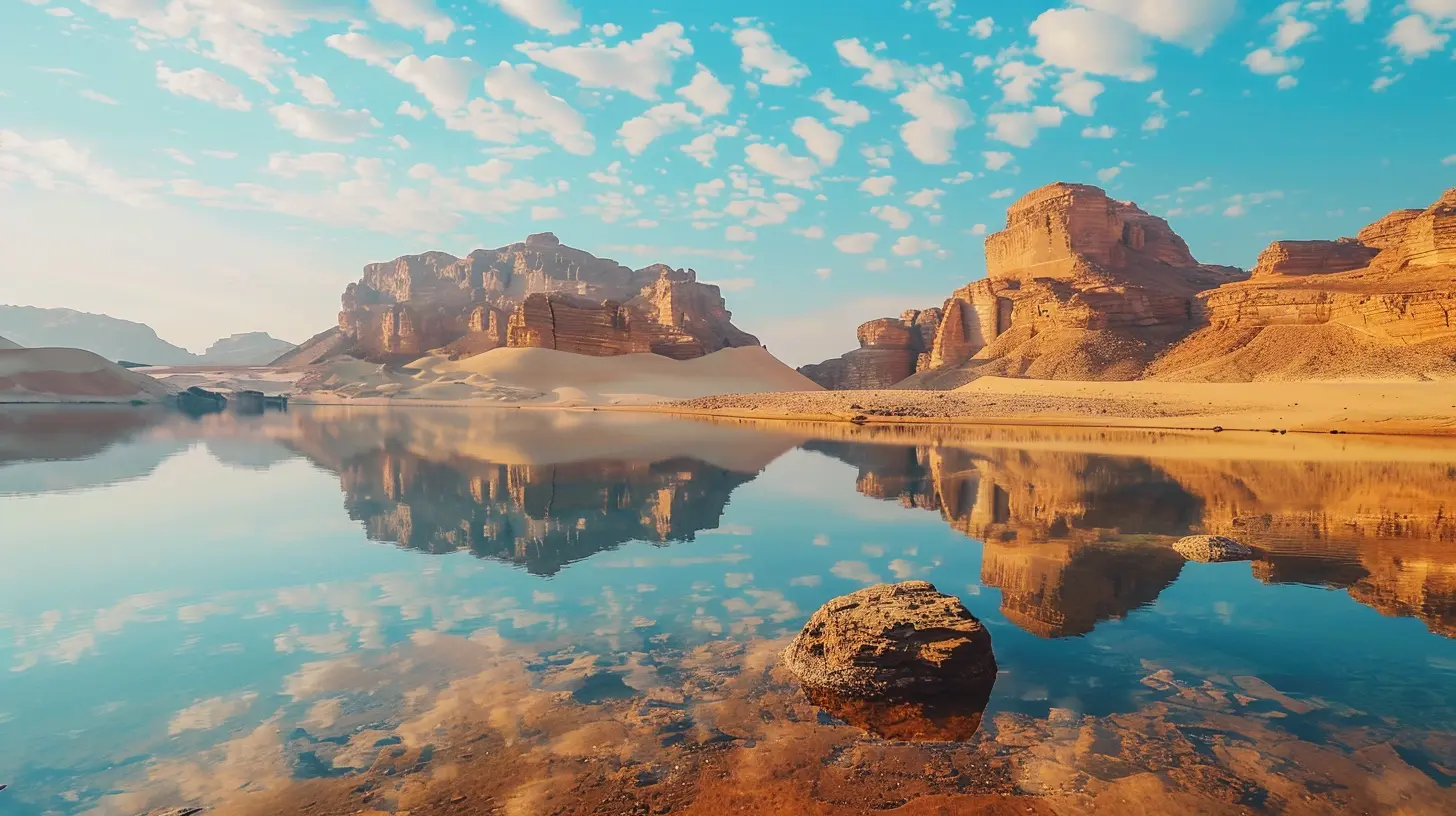
From Dry to Dripping: Tropical Jungles Calling!
If deserts impress with their stark beauty and silence, then jungles slap you in the face with life—noisy, vibrant, chaotic life. The humidity may get to you, but the raw purity of these green sanctuaries makes it all worth it.4. Tikal National Park, Guatemala
Deep in the heart of the Guatemalan jungle lies Tikal. Think Indiana Jones, but real. Giant pyramids peek through the forest canopy, howler monkeys scream from the trees, and every corner reveals another piece of Mayan mystery.This place is a double treat: both a cultural and natural World Heritage Site. You're walking through history—and biodiversity.
5. Bwindi Impenetrable Forest, Uganda
With a name like that, you better believe it’s next-level jungle. The “impenetrable” part is no joke—this place is thick. But hidden among the dense mist and mossy trees are the last surviving mountain gorillas.Tracking these gentle giants on foot is a once-in-a-lifetime experience. Just hearing their grumbles up close is enough to give you goosebumps.
6. Sinharaja Forest Reserve, Sri Lanka
This tropical rainforest is bursting at the seams with life. It's like Mother Nature's laboratory. Roughly 60% of its trees are endemic (that’s science-speak for “you’ll find them nowhere else”). It’s small in size but massive in terms of biodiversity.Birdsong, butterflies, and the soft patter of rain—it’s pure sensory overload, and that’s exactly why it’s protected.
Bridging Worlds: Sites That Transition Between Ecosystems
Some places blur the lines. They’re neither fully desert nor total jungle—but something in between. Think of them as Earth’s in-betweeners, offering a rich blend of geography.7. Kakadu National Park, Australia
This Aussie wonderland covers wetlands, stone escarpments, savannas, and monsoon forests all in one swoop. Add to that 65,000 years of Aboriginal history painted on rock walls, and you’ve got one of the most culturally and naturally rich places on Earth.You might see crocodiles sunbathing one moment and ancient paintings the next. It's wild—literally.
8. Mount Kenya National Park, Kenya
Snow-capped peaks in Africa? You bet. Mount Kenya’s ecosystems shift with elevation. At the bottom, there are bamboo forests and lush jungles. At the top? Glaciers. It’s like seeing multiple continents smooshed into one mountain.Plus, it’s less crowded than Kilimanjaro—so win-win!
Why Protecting These Sites Matters More Than Ever
Let’s be real—our world’s changing fast. Climate change, urban sprawl, and tourism pressure are just a few threats. World Heritage Sites aren’t just pretty places to visit; they’re touchstones of human history and natural marvels that can't be replaced.When we protect a site, we’re not just saving it for the ‘gram. We’re preserving connections to the past, lifelines for endangered species, and sources of cultural identity for millions.
And hey, future generations deserve to be awestruck, too.
How You Can Experience These Sites Responsibly
So now you’re probably itching to pack your bags (can’t blame you). But before you go snapping selfies on sacred ground, remember:- Do your homework: Learn the do’s and don’ts before you go.
- Travel off-peak: Helps reduce wear and tear on these fragile environments.
- Support local: Buy crafts, tip your guide, and stay in eco-friendly lodges.
- Leave no trace: Mother Earth isn’t your trash can.
Responsible tourism isn’t about being perfect. It’s about being mindful.
The Takeaway: Diversity Is Earth’s Superpower
From scorching deserts that whisper ancient secrets to jungles that scream life from every leaf, our planet is the ultimate storyteller. World Heritage Sites are the chapters in that story, each one wildly different yet equally vital.And here’s the kicker—these places aren’t frozen in time. They’re alive, evolving, and waiting for you to fall in love with them.
So whether you're chasing sunsets in the Sahara or dodging raindrops in the Amazon, remember: you're not just traveling. You're walking through Earth's greatest hits collection.
And it’s one heck of a playlist.
all images in this post were generated using AI tools
Category:
World Heritage SitesAuthor:

Reed McFadden
Discussion
rate this article
2 comments
Marni Cain
What an inspiring journey! 🌍🌿 From arid deserts to lush jungles, these incredible World Heritage Sites showcase our planet's breathtaking diversity. Can't wait to explore them all!
February 27, 2026 at 5:06 PM
Reed McFadden
Thank you! I'm glad you found the journey inspiring. There’s so much beauty to discover in our world’s diverse heritage! 🌍✨
Astra Roth
Adventure awaits in every stunning corner!
February 3, 2026 at 4:30 AM
Reed McFadden
Absolutely! Each site has its own unique story and beauty to uncover. Happy exploring!