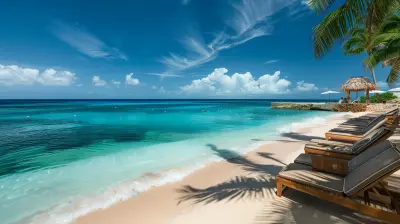
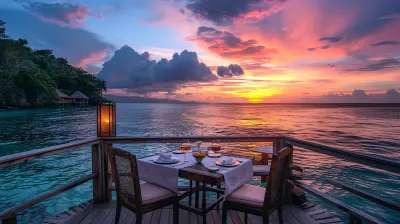
Finding Home Far Away in the Greek Islands of 2026
27 November 2026
There is a particular moment that happens to almost everyone who spends more than two weeks on a Greek island. The ferry pulls out of the port, the light turns that impossible honey color, and something in your chest shifts. You stop feeling like a visitor. You start wondering what it would actually take to stay.
That feeling is not new, but the conditions around it are changing fast. By 2026, the Greek islands are no longer a vague fantasy for remote workers and restless retirees. They are a real, workable option, with better infrastructure, clearer residency pathways, and a rental market that rewards people who plan carefully and punishes those who don't. This article is for the second group and the first, written by someone who has watched the shift from the inside.
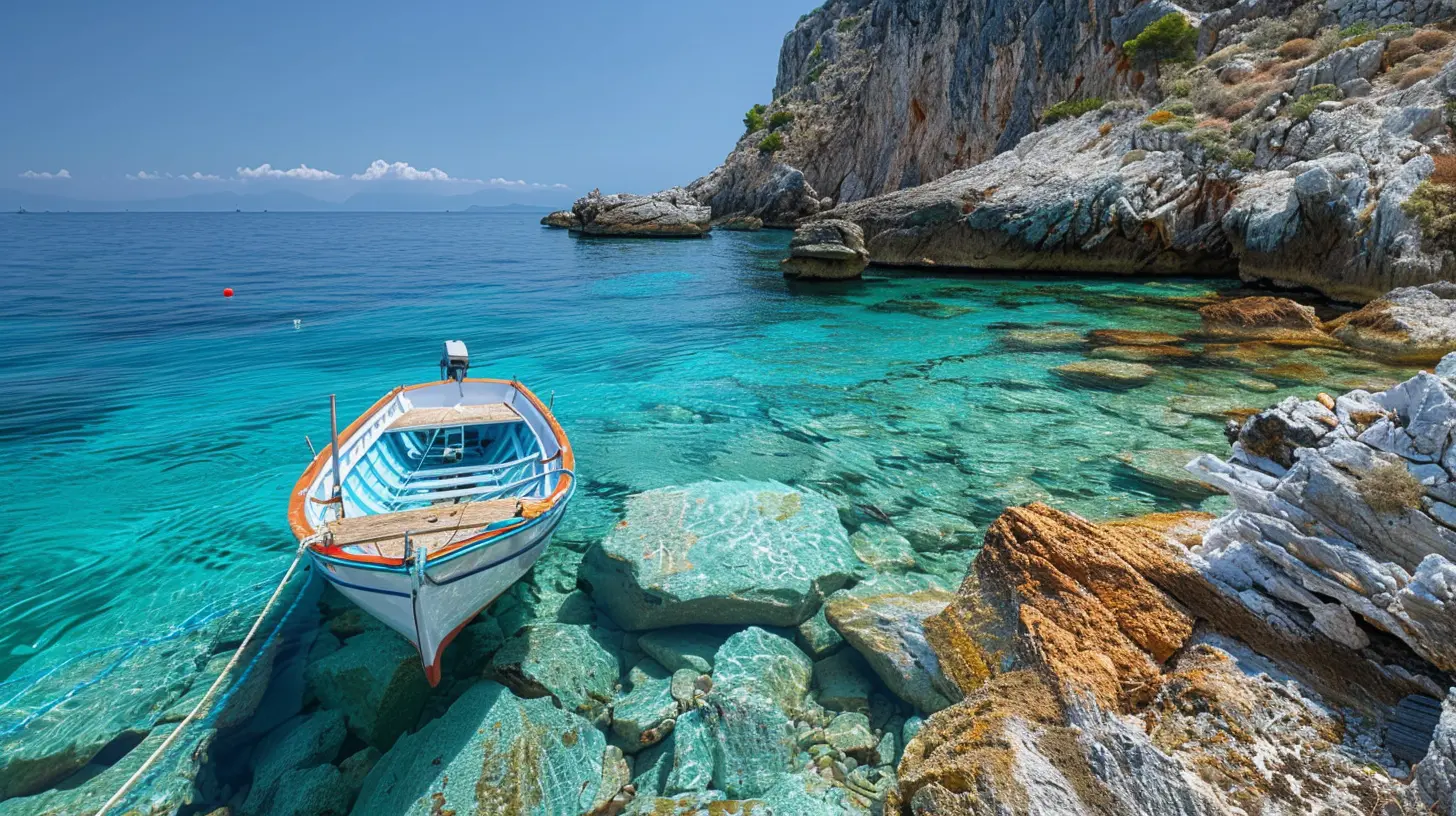
Why the Islands Pull So Hard, and Why That Matters
Island life in Greece works on you in layers. The first layer is obvious: light, sea, food, the pleasure of a slow morning. The second layer is subtler. Island communities run on trust and repetition. The baker learns your order. The man at the kiosk remembers your name. You become a known quantity, and being known is a rare and underrated form of wealth.The third layer is the one that decides whether you stay or leave. Islands are small systems. Everything from a doctor's appointment to a spare part for a scooter moves through a limited network. If you love that intimacy, you will thrive. If you need instant access and infinite choice, you will burn out by February.
This is the single most important thing to understand before you commit: the Greek islands do not offer a cheaper version of city life. They offer a different life with a different set of trade-offs. The people who find home here are the ones who accept those trade-offs knowingly, not the ones who hope they will disappear.
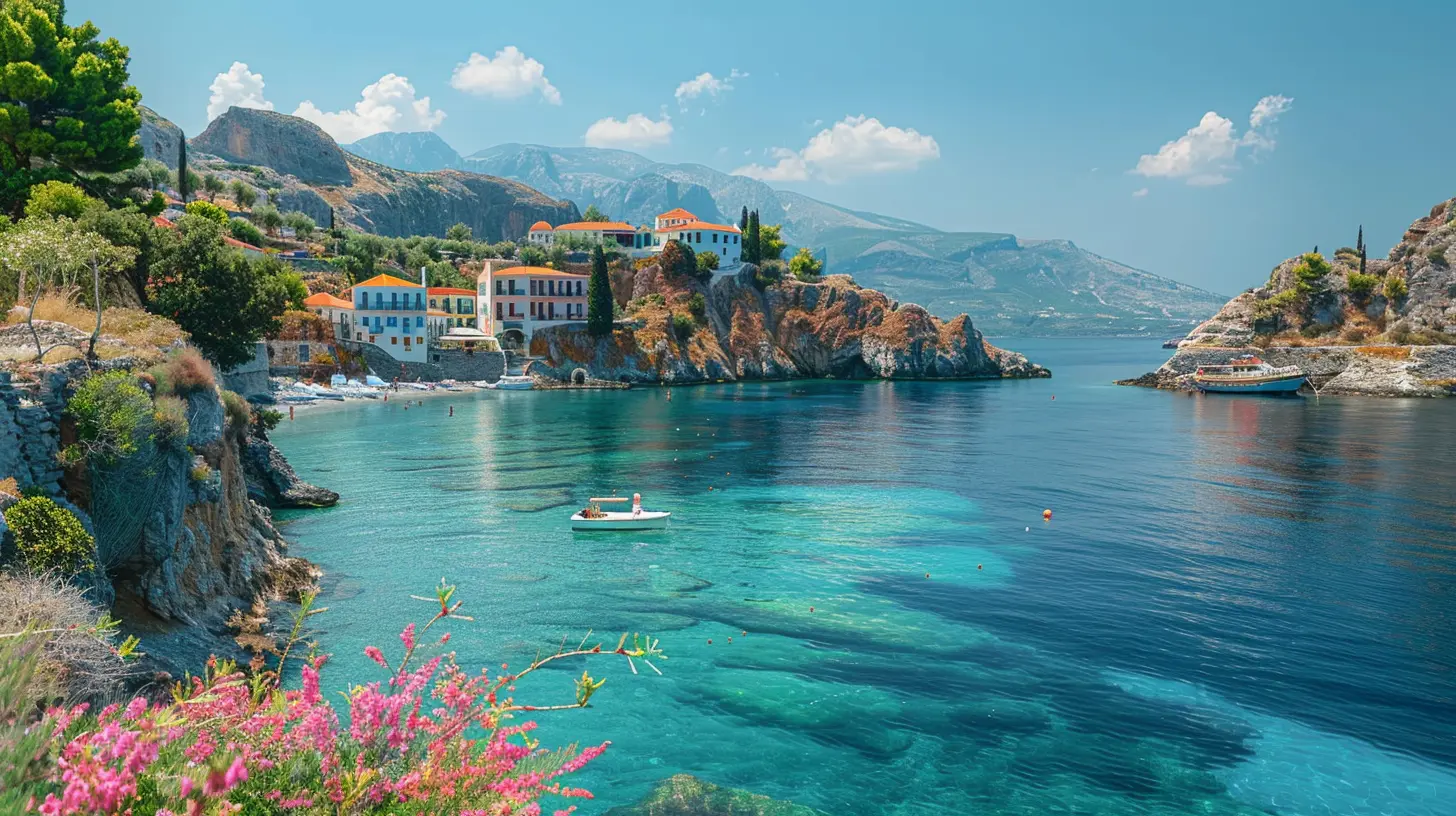
The Realities of 2026: What Has Changed
The islands of 2026 are not the islands of 2015. Several shifts matter for anyone planning a move.Connectivity Has Finally Caught Up
Fiber and fixed wireless internet now reach most inhabited islands, though quality varies street by street. The Cyclades and Crete lead. Smaller islands in the Dodecanese and the northern Aegean are catching up, but pockets of poor coverage remain. Before you sign a lease, test the connection at the actual address, at the actual time of day you will work. A landlord's promise of "good internet" means very little. Ask for a speed test screenshot taken inside the apartment, not the listing photo of a router.Residency and Tax Rules Reward Preparation
Greece has made itself more attractive to remote workers and long-stay visitors, but the details matter enormously. Digital nomad visas, the non-dom tax regime for qualifying new residents, and the standard Schengen 90/180 rule all interact in ways that trip people up. None of this is impossible, but none of it is something you improvise after you arrive. The practical rule: sort your legal status before you ship a single box. A tax advisor who actually practices in Greece, not a generalist back home, is worth the fee.Housing Is the Hardest Problem
Short-term rentals have reshaped island housing markets. On popular islands, long-term rental supply is thin and prices reflect competition with tourist demand. This is not a reason to give up. It is a reason to change strategy. People who succeed look for winter rentals, negotiate directly with local owners, and consider islands that are one ferry stop away from the famous ones. The difference in cost and availability between a headline island and its quieter neighbor can be dramatic.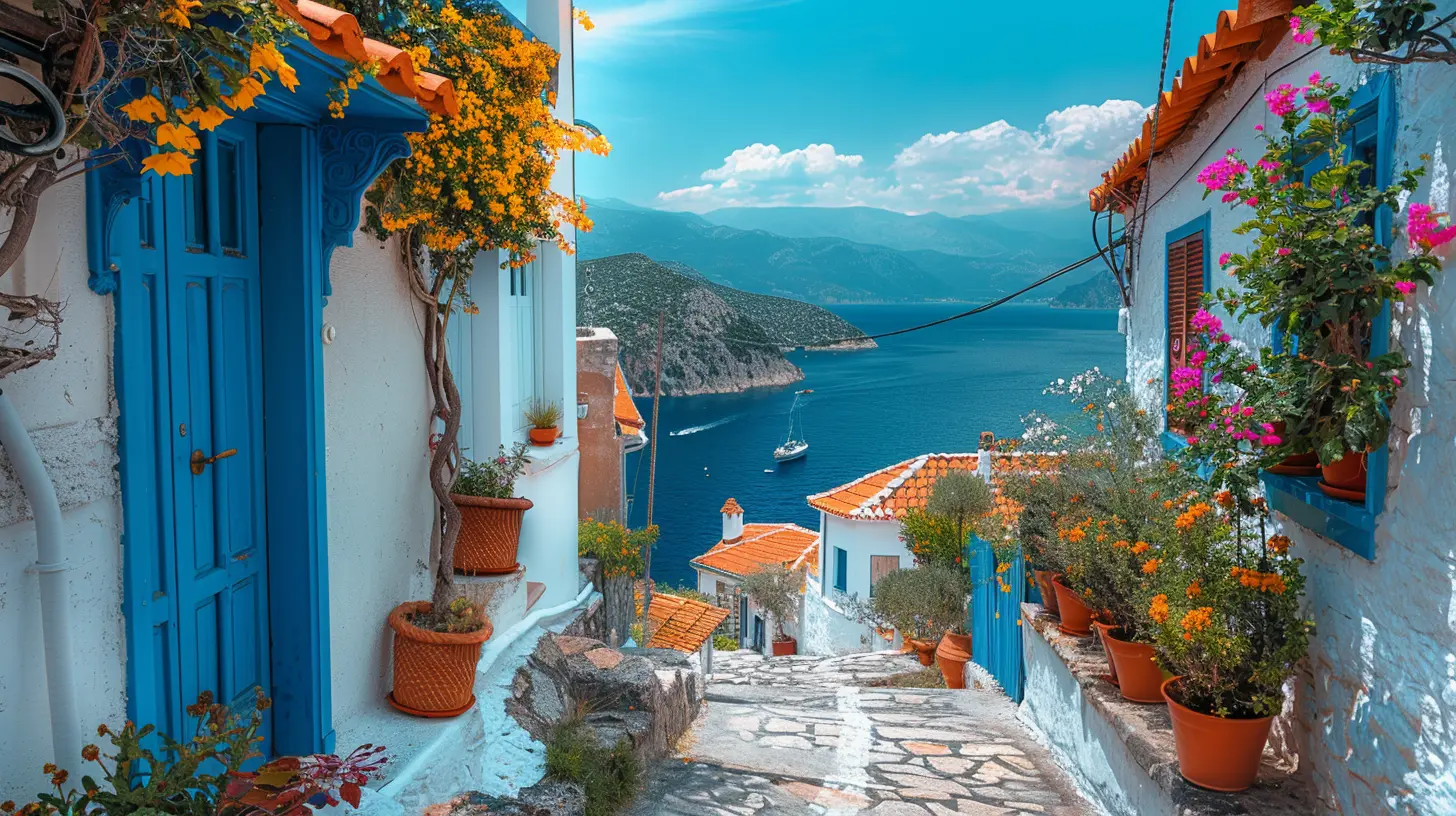
Choosing the Right Island: A Framework, Not a List
Most guides give you a ranked list. That is close to useless, because the right island depends on who you are. Use this framework instead.Match the Island to Your Weak Point
Ask yourself what you cannot live without, then check whether the island has it. Reliable healthcare within a reasonable distance. A school with a stable student body. An airport with year-round flights, not just summer charters. A community of people who share your language or your work. Choose the island that solves your hardest problem, not the one with the prettiest harbor.Compare the Three Island Archetypes
The large, self-sufficient islands. Crete is the clearest example. It has cities, hospitals, an international airport, and a year-round economy. The trade-off is scale: you get convenience, but you lose some of the intimacy that makes island life special. Crete suits families, people with health needs, and anyone who wants a safety net.The mid-sized, well-connected islands. Islands in this category typically have a functioning winter community, a decent health center, and ferry links that do not vanish in October. They offer a balance many people find ideal. The trade-off is that you often need to travel for specialized services.
The small, seasonal islands. These are magnificent in May and October and demanding in January. Winter populations can be tiny. Ferries thin out. Services contract. They suit people who genuinely want solitude and are comfortable with logistical friction. They are a poor choice for anyone who needs predictability.
Visit in the Wrong Season on Purpose
A one-week trip in July tells you almost nothing about living somewhere. Return in February. Count how many tavernas are open. Check whether the pharmacy is open past six. Try to book a doctor's appointment. Talk to the few people on the street. The off-season visit is the single best investment you can make in this decision, and most people skip it.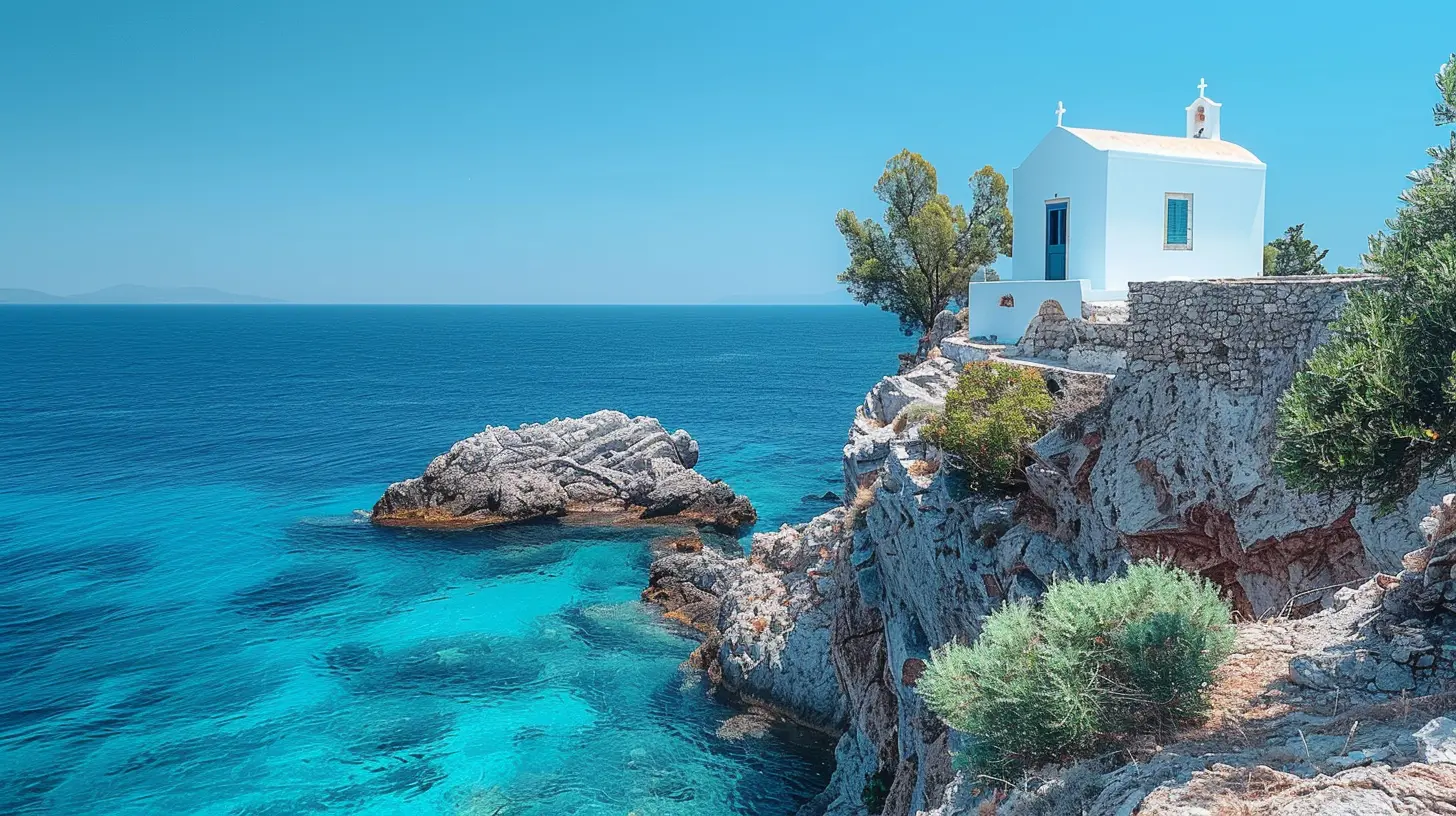
Money: What It Actually Costs and How to Think About It
Island life can be cheaper than a big city, but it is not automatically cheap. The costs are shaped differently.Housing is the dominant variable and swings wildly by island and season. Utilities can run higher than expected because of heating in winter and air conditioning in summer. Imported goods carry a premium, especially on smaller islands where everything arrives by ferry. Transport, both inter-island and to the mainland, adds up if you travel often.
The smart approach is to build a realistic annual budget rather than a monthly one. Island life is seasonal. Your spending will not be flat. A budget that assumes twelve identical months will mislead you. Track a full year, including the ferry trips, the winter heating, and the occasional flight to Athens for something the island cannot provide.
One more point on income. If you earn in a strong currency and spend in euros, you have a natural buffer, but exchange rates move. Do not build a permanent plan on a temporary rate. Leave margin.
Practical Setup: The Details That Decide Success
Housing: How to Actually Find a Long-Term Rental
Long-term rentals on islands often never reach the big international platforms. They move through local networks, Facebook groups, and word of mouth. Your best tools are a local contact, a patient approach, and a willingness to rent for a winter first. Winter rentals are cheaper and easier to secure, and they let you learn the island before committing to a year. Avoid paying deposits before you have seen the property in person or had someone you trust verify it. Rental scams targeting foreigners are a real and recurring problem.Healthcare: Plan for Distance
Island healthcare ranges from excellent on the largest islands to basic on the smallest. Understand three things before you move: where the nearest hospital is, how you get there in an emergency, and what your insurance actually covers for evacuation and repatriation. A health center can handle routine matters; anything serious usually means a transfer to a larger island or Athens. This is manageable, but only if you plan for it rather than assume it away.Bureaucracy: Patience Is a Skill
Greek administration has improved but still runs on paperwork and appointments. Tax numbers, residence permits, and local registrations take time. Build slack into every timeline. Keep copies of everything. Learn a few phrases of Greek, not because it is required, but because it changes how people treat you. Effort is noticed and remembered.Language and Community: The Long Game
You can live on an island in English. You cannot fully belong without some Greek. Start early, even badly. Join something local: a cooking class, a hiking group, a volunteer effort. Community on an island is not automatic, but it is accessible to people who show up repeatedly. The expats who struggle are usually the ones who treat the island as a backdrop. The ones who thrive treat it as a neighborhood.
Common Mistakes and Misconceptions
"Island life is cheaper." Sometimes, but not always, and rarely in the way people expect. The savings often come from a simpler lifestyle, not from lower prices on everything."I will figure out the visa later." This is the most expensive mistake on the list. Legal status shapes everything else, including housing and tax. Sort it first.
"Summer is the best time to decide." Summer is the best time to fall in love and the worst time to make a decision. Decide in winter.
"I need to be on a famous island." The famous islands are famous for reasons that may not match your needs. The quieter neighbor is often the better home.
"The community will welcome me automatically." Communities welcome people who participate. Expect to give before you receive.
A Realistic Path: From Visitor to Resident
The people who make this work tend to follow a similar arc, whether they realize it or not.They start with a long off-season stay, usually one to three months, in a rental they found locally. They use that time to test the internet, the healthcare, the transport, and their own tolerance for smallness. They talk to residents and ask blunt questions about winter. If the stay goes well, they return for a second off-season, this time with their legal and tax situation in order. Only then do they commit to a year-round lease or a purchase.
This staged approach feels slow. It is also the difference between a romantic experiment that ends in a rushed move back home and a transition that holds. The islands reward patience. They punish haste.
The Emotional Side: What "Home" Actually Means Here
Finding home far away is not really about geography. It is about the moment your nervous system stops bracing. On an island, that moment often arrives in the off-season, on a gray Tuesday, when nothing is happening and you realize you are content anyway. That is the real test. If you can be happy on an island when it is not performing for you, you have found something durable.The islands of 2026 offer a genuine path to that life. They also offer plenty of ways to get it wrong. The difference is rarely luck. It is preparation, honesty about your own needs, and a willingness to move at the island's pace rather than against it.
all images in this post were generated using AI tools
Category:
Travel StoriesAuthor:

Reed McFadden
Discussion
rate this article
1 comments
Berenice McAleer
This article beautifully captures the essence of the Greek Islands. Your descriptions make it easy to envision the vibrant culture and stunning landscapes. I especially loved the personal anecdotes. They add depth and warmth, reminding us that travel is about connections and experiences. Looking forward to my next adventure!
November 27, 2026 at 3:54 AM