Exploring the Rise of Wellness-Centered Luxury Resorts in 2026
15 May 2026
You know that feeling when you step off a plane, your shoulders are up by your ears, and your brain is still running a to-do list from three time zones ago? Yeah, me too. For years, the travel industry sold us the idea of escape: a beach, a cocktail, a towel that gets folded into a swan. But somewhere around 2025, something shifted. We stopped wanting to just leave our problems behind. We started wanting to actually fix them. Enter the wellness-centered luxury resort in 2026. This isn't your grandma's spa weekend with a cucumber water station. This is a full-blown, hyper-personalized, science-backed, and sometimes weirdly wonderful movement that is reshaping how the rich (and the aspirational) take a vacation.
Think of it less like a hotel and more like a living organism. A place where the air smells like pine and intention, where your sleep is tracked by a mattress that cares more about your REM cycles than you do, and where the menu doesn't just say "gluten-free" but lists the exact mineral content of the soil the kale was grown in. It's a bit much, sure. But it's also kind of brilliant.
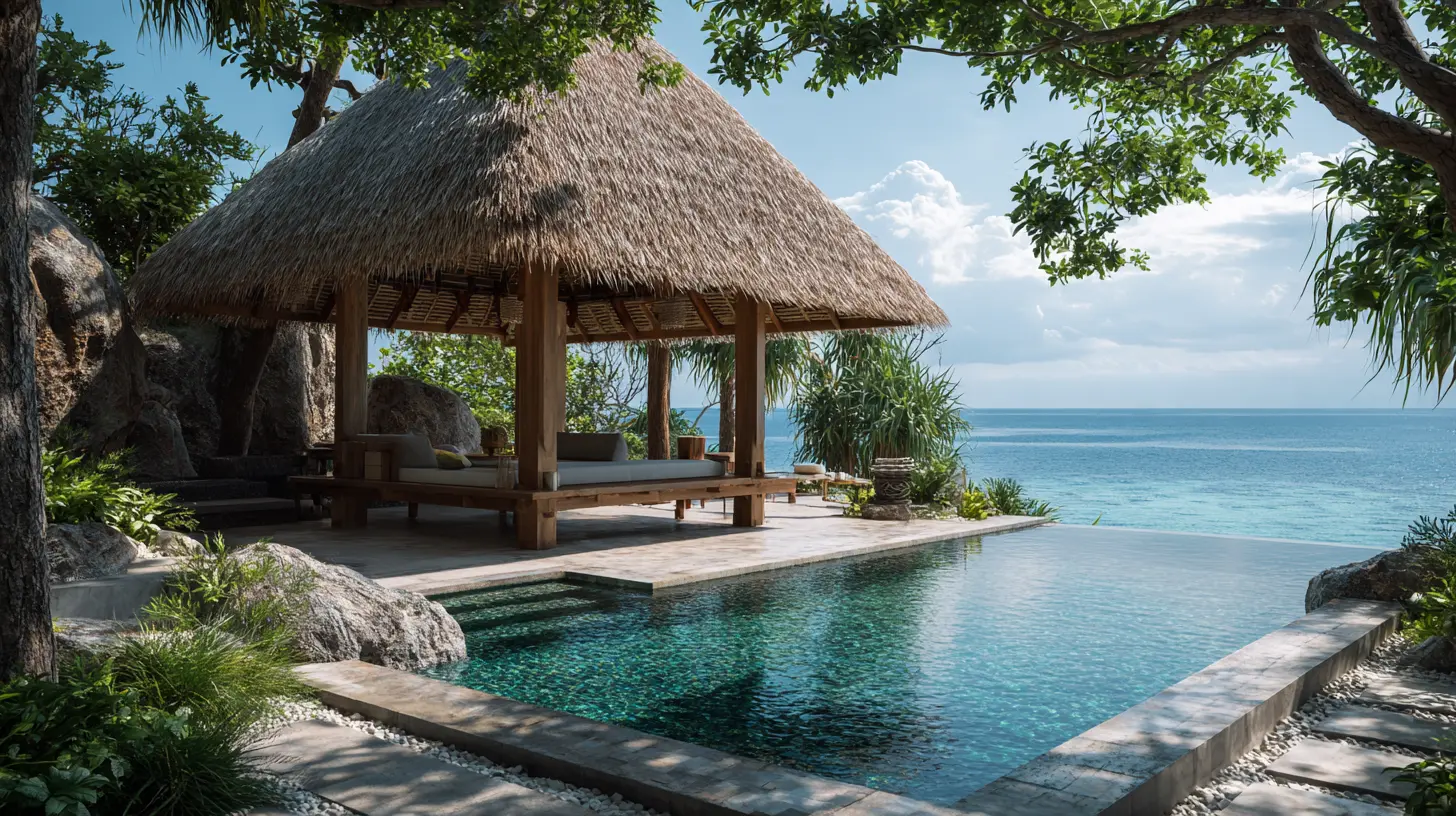
The Death of the "Detox" and the Birth of "Biohacking"
Remember when "detox" meant drinking green juice for three days and feeling hangry? In 2026, that concept is as outdated as a flip phone. The new buzzword is biohacking, and it's taking over luxury resorts faster than you can say "cryotherapy chamber."These places aren't just about relaxation. They are about optimization. You go to a luxury resort in 2026 not to escape your body, but to upgrade it. I'm talking about IV drips customized to your blood type before breakfast. I'm talking about red light therapy sessions that promise to fix your skin and your mitochondria (whatever those are). There are hyperbaric oxygen chambers that look like spaceships, and float tanks that are so dark and quiet you might forget you have a mortgage.
One resort in the Swiss Alps, for example, offers a "Neuroplasticity Package." For five days, you work with a neurologist to literally rewire your brain's response to stress. No joke. You wear a headband that reads your brainwaves while you meditate, and a screen shows a tree growing every time you calm down. If you get distracted, the tree shrivels. It's gamified Zen. Is it ridiculous? Maybe. But after a few sessions, you start to feel like you can actually control your own anxiety instead of letting it control you. That's the promise of 2026's luxury wellness: not a temporary fix, but a permanent tweak.
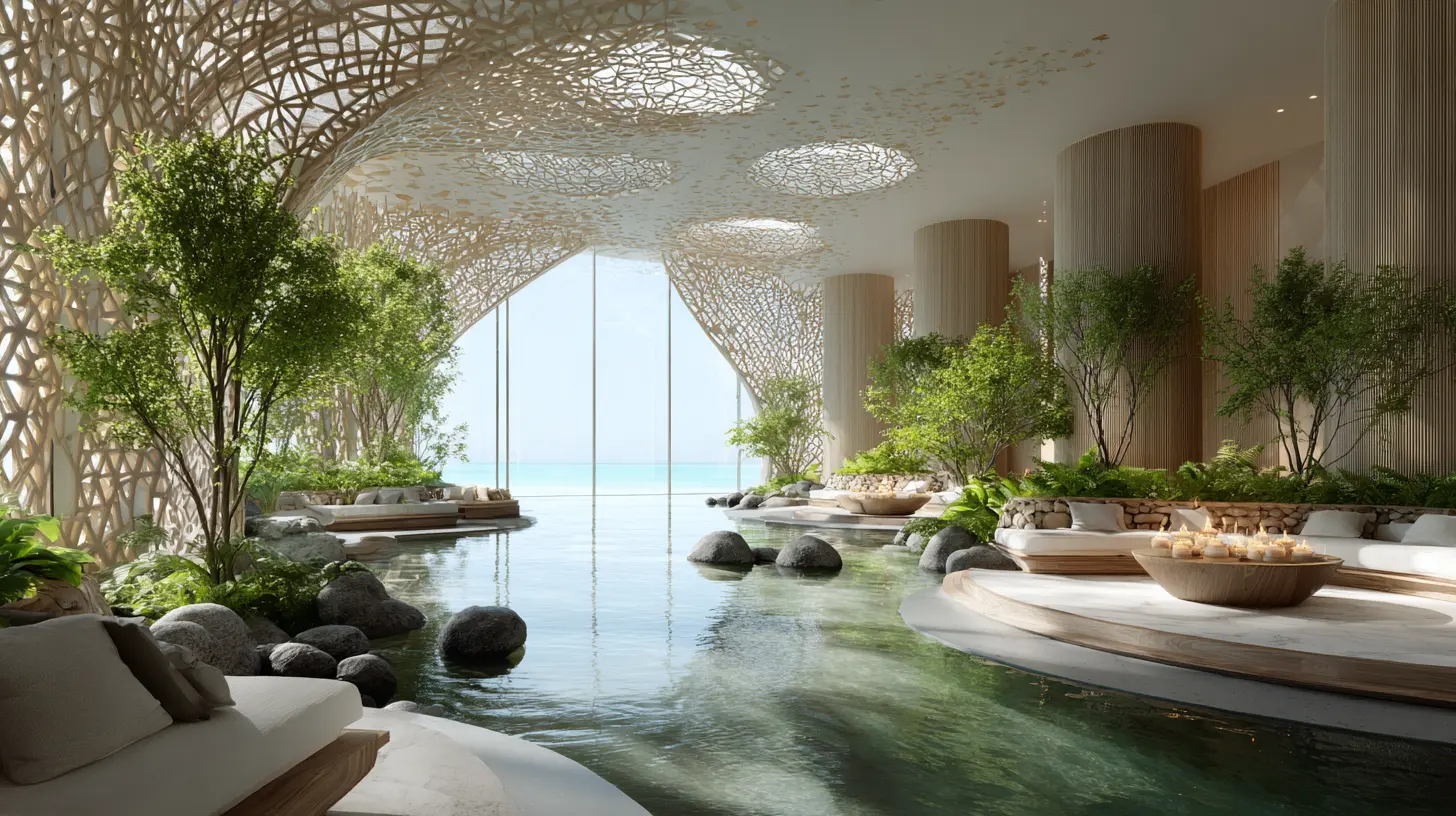
The Menu as Medicine: Food That Fights Back
Gone are the days of the sad, dry piece of grilled chicken and a limp salad being the "healthy option." The dining experience in these new resorts is a full-on sensory and scientific event. Chefs are now part-time biochemists. They don't just cook; they formulate.Picture this: You sit down for dinner, and the waiter hands you a tablet. You take a quick, non-invasive saliva test. Ten seconds later, your meal is designed around your current inflammation levels, gut microbiome, and even your stress hormone cortisol. Your starter might be a miso soup with fermented black garlic and lion's mane mushrooms, specifically chosen to lower your blood pressure. The main course? A wild salmon that was caught using sustainable methods, served with a seaweed foam that binds to heavy metals in your system.
It sounds like science fiction, but it's happening right now in places like Costa Rica and Japan. The philosophy is simple: food is the most powerful drug you will ever take. So why eat something that makes you sluggish when you can eat something that makes you feel like a superhero? One resort in Bali even has a "Fermentation Lab" where guests can brew their own kombucha and kimchi. It's less about deprivation and more about delicious, functional alchemy.
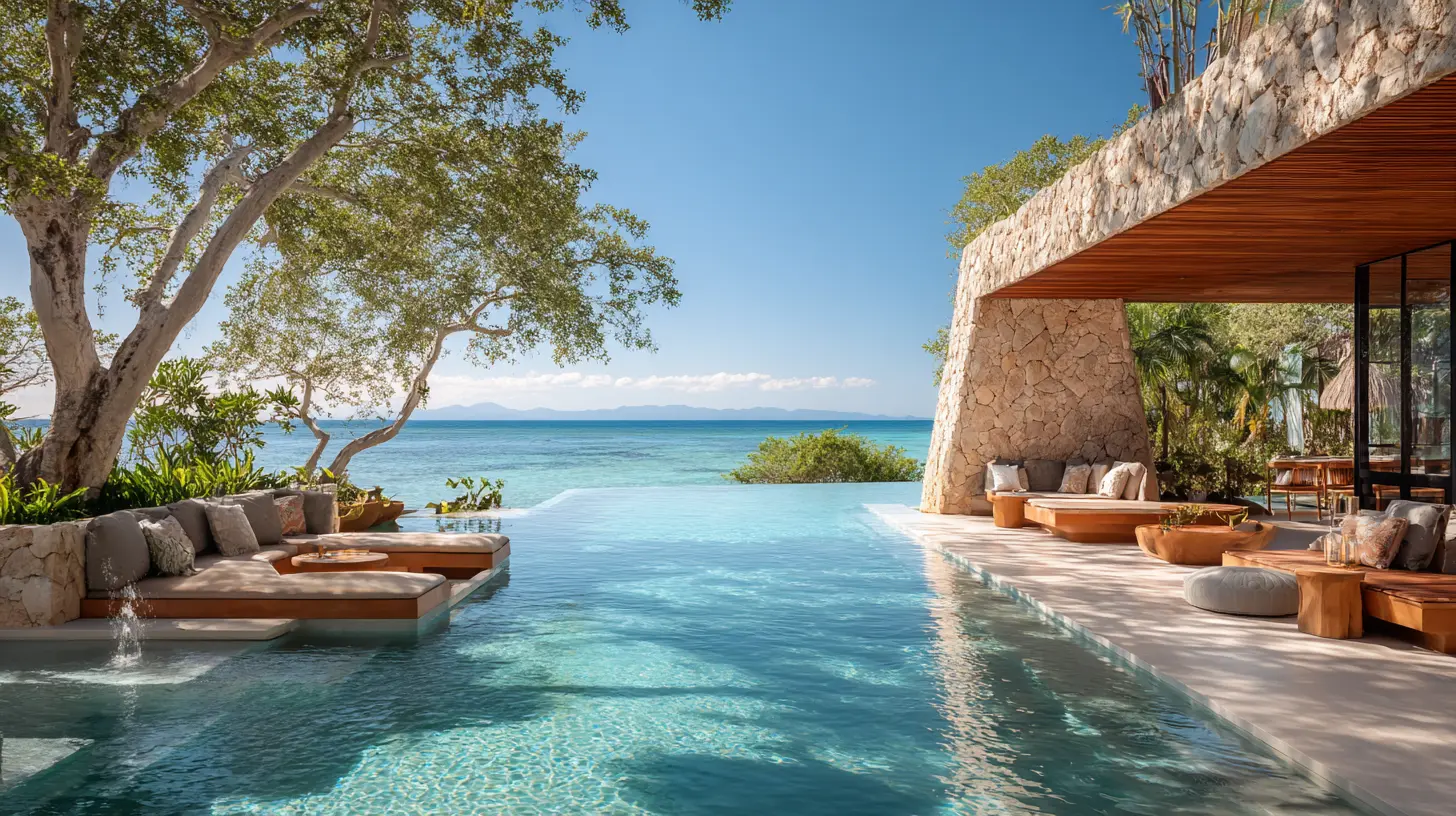
Sleep is the New Status Symbol
For decades, luxury was about staying up late. Nights were for champagne, dancing, and watching the sunrise from a rooftop bar. In 2026, the ultimate flex is a solid eight hours of deep, uninterrupted sleep. And the resorts are catering to it with a seriousness usually reserved for rocket science.I'm talking about "sleep suites" that are soundproofed and light-sealed to the point of being near-caves. The beds are made of materials that regulate your body temperature to within one degree. The pillows are memory foam infused with lavender and magnesium. There are no TVs in the room. Instead, there's a sound machine that plays specific frequencies to coax your brain into delta waves. Some resorts even offer "sleep butlers." Yes, you read that right. A person whose entire job is to make sure you fall asleep and stay asleep. They might bring you a warm, non-caffeinated tea made from ashwagandha and reishi mushrooms. They might give you a weighted blanket that feels like a hug from a very calm bear.
Why the obsession? Because science finally caught up to what our grandmothers always knew: sleep fixes everything. It fixes your mood, your immune system, your waistline, and your creativity. A resort that can guarantee you a perfect night's sleep is worth its weight in gold. It's the ultimate luxury in a world that never stops buzzing.
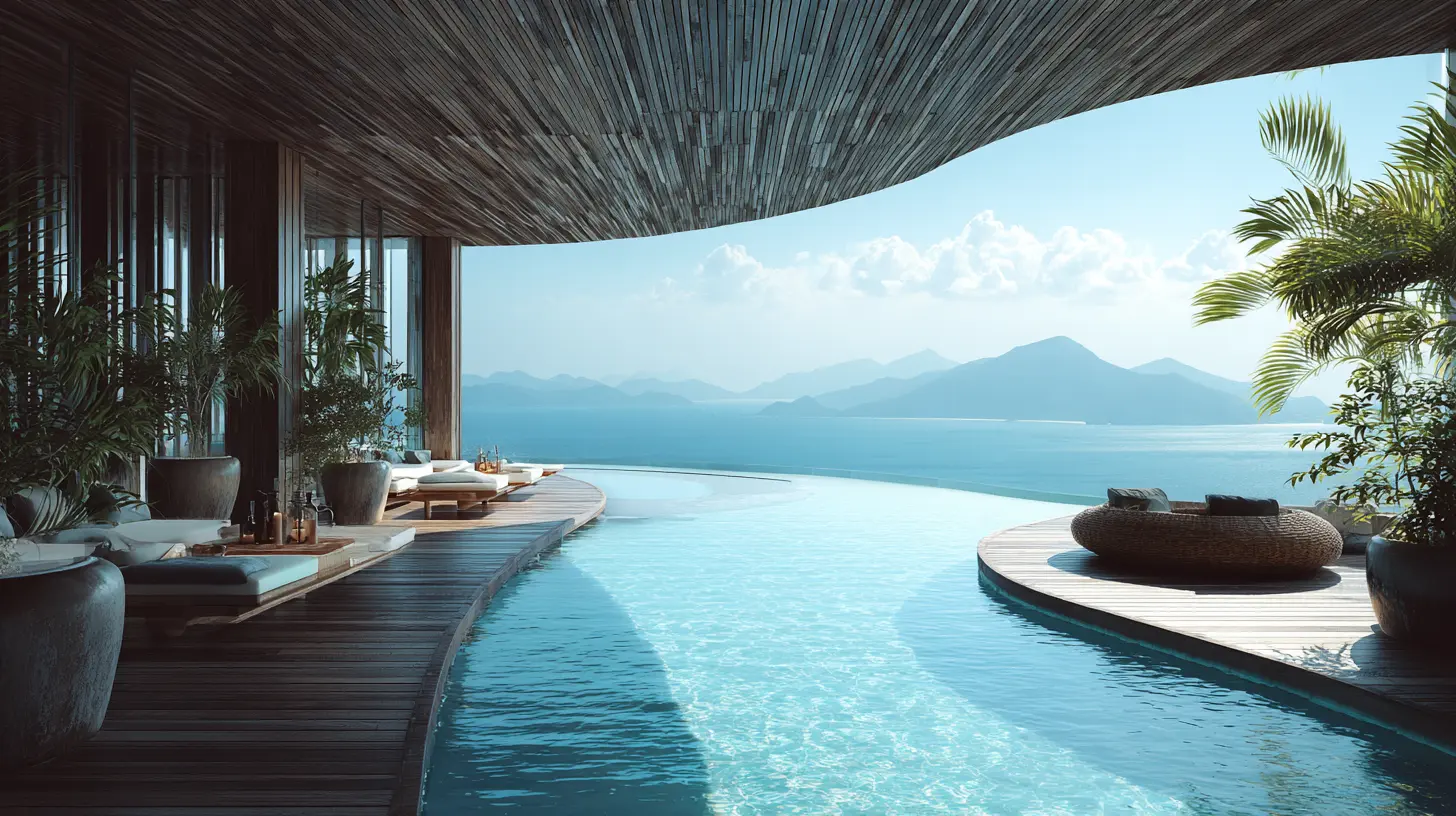
The Digital Detox That Actually Works (Sort Of)
Let's be real. Telling someone to "put their phone away" for a week is like telling a fish to stop swimming. It's unnatural. The new approach in 2026 isn't to confiscate your devices. It's to make you forget about them.These resorts use a technique I call "stealth disconnection." You don't get a lecture about screen time. Instead, the Wi-Fi is deliberately slow in certain areas. The lighting is dim and warm, designed to reduce the blue light that keeps your brain awake. The schedule is so packed with engaging, physical, and social activities that you simply don't have time to scroll.
One resort in the Maldives has a "No News" policy. They don't have newspapers, TVs, or news alerts. They argue that your brain needs a break from the constant stream of bad news and political chaos. Instead of reading about the world, you are encouraged to look at the actual world. The coral reef. The stars. The face of the person sitting across from you at dinner.
And here's the kicker: it works. After two days, you stop reaching for your pocket. After three, you forget you have a phone. It's not about willpower. It's about environment. These resorts design the environment so that the analog world is more interesting than the digital one. That's a powerful trick.
Community and Connection: The Loneliness Cure
One of the most surprising trends in 2026's wellness resorts is the focus on community. Luxury has traditionally been about privacy. Your own villa, your own pool, your own butler. But a strange thing happened during the pandemic and the years that followed: we got lonely. We realized that having everything doesn't mean much if you have no one to share it with.So these new resorts are building in "forced" social interactions. Not in a cheesy, awkward way, but in a curated, organic way. They host communal dinners where guests sit at long tables and actually talk to each other. They organize group hikes, sunrise yoga sessions, and cooking classes where you work together.
One resort in the Scottish Highlands has a "Storytelling Circle" every night by a giant fireplace. Guests are invited to share a story from their life. It sounds terrifying, but after a few days of hiking and breathing clean air, people open up. Strangers become friends. You leave with a new WhatsApp group and a feeling that you've made a real connection, not just a LinkedIn request. This is the new luxury: not isolation, but belonging.
The Price Tag: Is It Worth It?
Let's talk money, because this stuff isn't cheap. A week at one of these top-tier wellness resorts in 2026 can easily set you back five figures. That's a lot of avocado toast. But here's the thing: the value proposition has changed.You aren't paying for a fancy room and a pool. You are paying for a transformation. You are paying for a team of experts to fix your sleep, optimize your diet, lower your stress, and send you home with a protocol that you can actually stick to. Think of it as a down payment on your future health. A few thousand dollars now could save you tens of thousands in medical bills and lost productivity later.
Plus, the experience is so immersive that you get more done in one week than you might in a year of trying to be healthy on your own. You have a sleep coach, a nutritionist, a personal trainer, a meditation guide, and a doctor all in one place. It's like having a whole army of wellness professionals fighting for you. That kind of focus and expertise is rare, and it commands a premium.
A Word of Caution
Of course, it's not all perfect. There is a danger of these places becoming too clinical. You don't want your vacation to feel like a hospital visit. Some resorts go overboard with the IVs and the blood tests, and it can feel a bit cold and transactional.The best ones strike a balance. They use the science, but they wrap it in warmth. They offer the biohacking, but they also offer a hammock and a good book. They remember that the goal isn't to become a perfect machine. It's to become a happier, healthier human. The resorts that get that right are the ones that will thrive.
The Final Takeaway
So, what does all this mean for you? It means that the travel industry has finally woken up. It realized that we don't just want to see new places. We want to feel new things. We want to feel rested. We want to feel strong. We want to feel connected.The rise of wellness-centered luxury resorts in 2026 is not a fad. It's a response to a deep, collective need. We are tired of being tired. We are tired of being stressed. We are tired of feeling like our bodies and minds are running on empty.
These resorts offer a solution. They are expensive, yes. They are sometimes a little weird, yes. But they offer something that a standard vacation never could: a chance to come back better than you left. And in a world that moves at a million miles an hour, that's the rarest luxury of all.
all images in this post were generated using AI tools
Category:
Luxury ResortsAuthor:

Reed McFadden
Discussion
rate this article
1 comments
Weston McGrath
The trend towards wellness-centered luxury resorts in 2026 reflects a growing demand for holistic experiences. Travelers increasingly seek rejuvenation and balance, prompting the hospitality industry to adapt and innovate in response to these shifting preferences.
June 7, 2026 at 5:06 PM
Reed McFadden
Absolutely. As more travelers prioritize well-being, it's essential for luxury resorts to create spaces that promote relaxation and holistic health. This shift is reshaping the industry in exciting ways.