Exploring the Quiet Corners of Yellowstone: Beyond the Crowds
18 June 2026
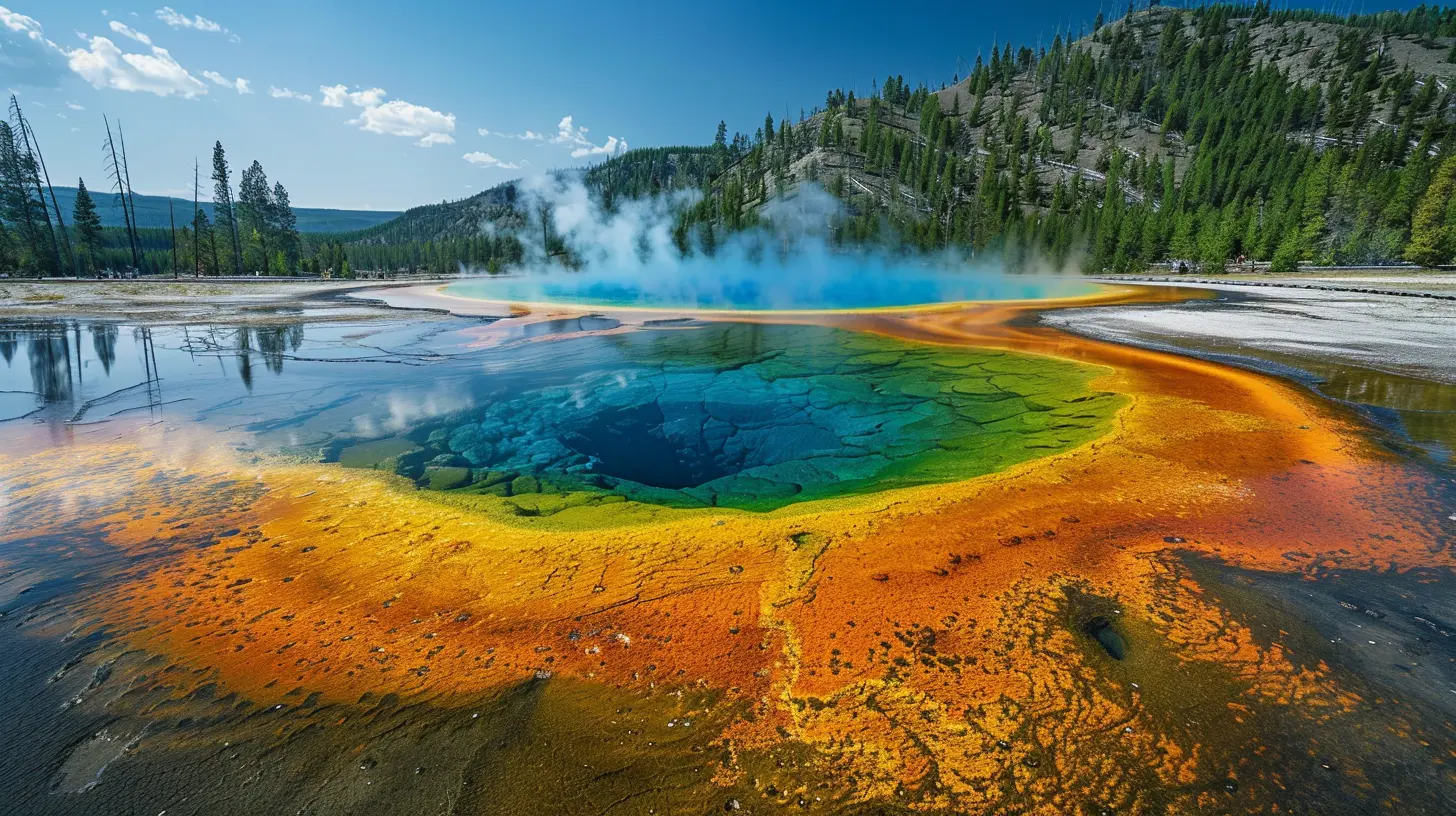
Let’s face it—Yellowstone is wildly popular. Every summer, families, RV caravans, photographers, and thrill-seekers flock to this iconic national park, eager to catch a glimpse of Old Faithful, the Grand Prismatic Spring, or a bison crossing the road like it owns the place (because, well, it kind of does).
But what if I told you there’s a whole other side of Yellowstone—one without the elbow-to-elbow crowds or traffic jams caused by a single elk sighting? A side where silence hums, wildlife roams more freely, and the thermal features bubble without a thousand selfie sticks in sight?
Yep, Yellowstone has its quiet corners. And if you're willing to venture a little off the beaten boardwalk, you can experience the magic of the park in an entirely different way.
Why Go Beyond the Hotspots?
You’ve heard of Old Faithful and Mammoth Hot Springs. Don't get me wrong—they're worth seeing. But they’re often swarming with tourists, especially during peak summer. Navigating the crowds can feel like fighting upstream like a salmon in sneakers.That’s why finding Yellowstone’s hidden gems brings a kind of peace that’s hard to come by in busier areas. Whether it’s an isolated trail, a lesser-known geothermal basin, or a backcountry campsite nestled under the stars, these quiet corners offer a raw, intimate encounter with nature.
Ready to go beyond the Insta-famous sites? Let’s wander slowly into the less-trodden wilderness of Yellowstone.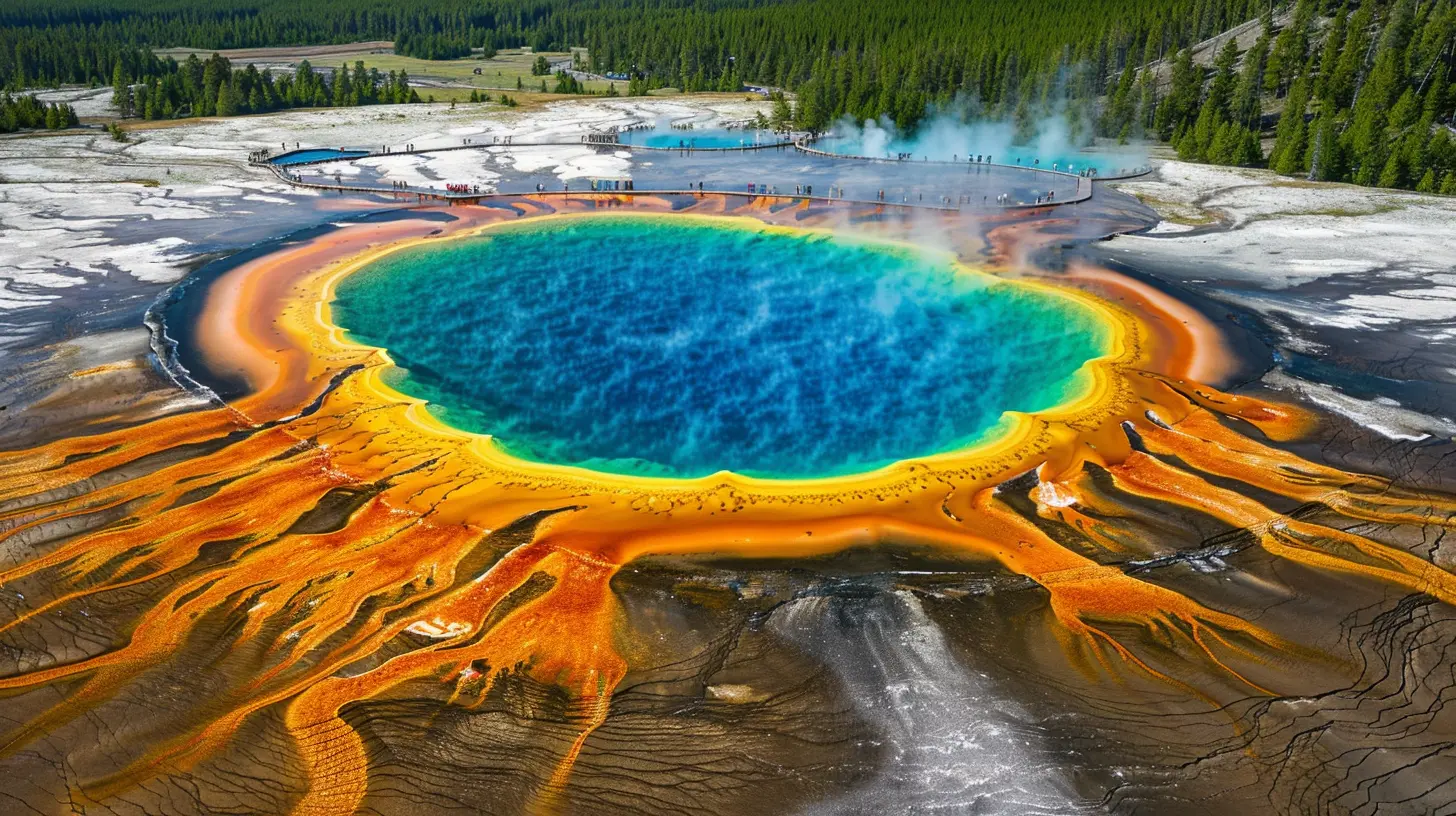
Lamar Valley: The Other Safari
You’ve probably seen Hayden Valley mentioned in every guidebook. But ask wildlife lovers where they escape the crowds, and they’ll point you to Lamar Valley.What Makes Lamar Special?
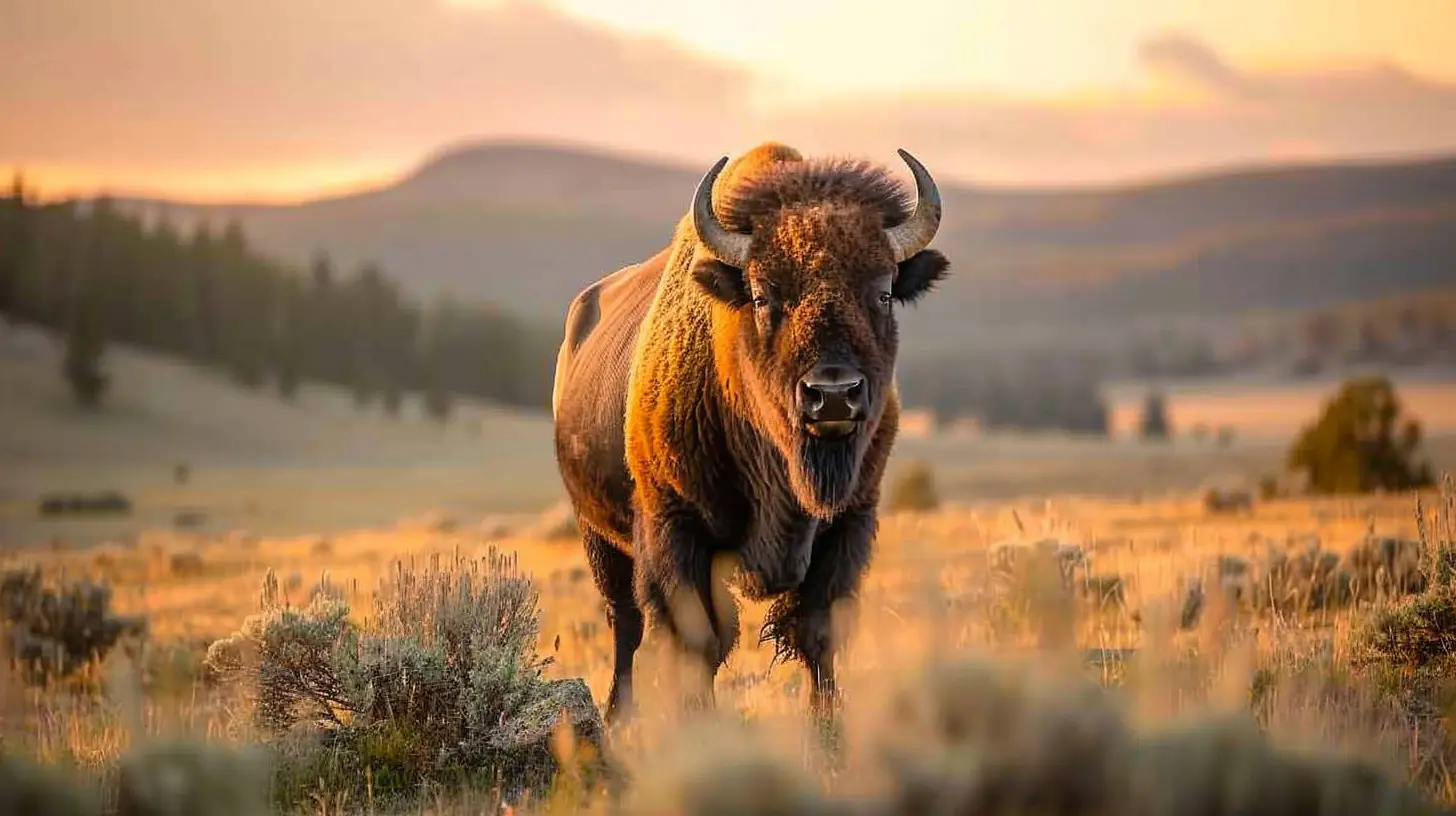
Think of Lamar as Yellowstone’s Serengeti. Seriously. With sweeping grasslands, winding rivers, and towering mountain backdrops, this valley is a hotbed of wildlife activity—minus the traffic jam.Here, wolves roam across the meadows at dawn, and bear sightings are common. Herds of elk and bison graze freely, often within view of the road. Bring binoculars and a bit of patience, and you’re in for some National Geographic-level moments.
Tips for Visiting Lamar Valley
- Go early or late: Sunrise and sunset are prime time for animal activity.- Stay quiet and respectful: Sound carries, and you don’t want to disturb the wildlife.
- Bring a spotting scope: Wolves and bears often stay far from the roads.
Shoshone Geyser Basin: A Backcountry Wonderland
Tired of snapping elbow-to-elbow photos at Grand Prismatic Spring? There’s a geyser basin that most tourists will never lay eyes on—because you have to hike ten miles to get there.Why Hike to a Geyser Basin?
Shoshone Geyser Basin holds over 80 geysers, pools, and hot springs—all clustered along the banks of Shoshone Lake. No boardwalks, no crowds, just other hikers who’ve committed to the journey.It’s Yellowstone’s backcountry geothermal gem, and the reward for your sore feet? Absolute solitude.
How to Get There
- Trailhead: Begin at the Lone Star Geyser Trail near Old Faithful.- Distance: Around 8-10 miles one way, depending on your route.
- Camping: Backcountry permits are required, and spots near Shoshone Lake are breathtaking.
The Blacktail Plateau Drive: A Hidden Scenic Byway
Looking for a scenic drive that doesn’t feel like bumper-to-bumper parade? The Blacktail Plateau Drive is Yellowstone’s quiet, unpaved secret.What to Expect on the Drive
It’s a 6-mile one-way dirt road between Mammoth Hot Springs and Tower Junction. Most visitors fly right by it—but you shouldn’t. The drive rolls through forests and open meadows, with high chances of spotting elk, bison, and even bears.It’s perfect if you’re looking to escape the pavement-bound crowds and add a splash of adventure to your drive.
Know Before You Go
- 4WD not required, but a higher-clearance vehicle helps.- Closed in bad weather—check with rangers before heading out.
- Drive slow—wildlife is unpredictable and likes to surprise you.
Bechler Region: Yellowstone’s “Cascade Corner”
Ever heard of Bechler? Probably not. Tucked into the southwest margin of the park, this area is nicknamed Cascade Corner for a reason—it’s home to more waterfalls than any other part of Yellowstone.Why It's So Quiet
It’s remote. Really remote. Most people access this area via the small town of Ashton, Idaho, and then brave miles of dirt roads before even reaching the trailheads.But if you’re the kind of person who doesn’t mind a bit of muddy trail and solitude, Bechler delivers in spades: brilliant falls, quiet meadows, and hot springs you can soak in after a long hike.
Highlights of the Bechler Area
- Dunanda Falls: A dramatic waterfall where you can soak in natural hot pools at the base.- Colonnade Falls: A double-drop beauty perfect for a photo op.
- Bechler Meadows: Teeming with wildflowers and wildlife in late summer.
Lone Star Geyser: A Quieter Old Faithful
Old Faithful is, well, famous. Which means it’s always surrounded by hundreds—if not thousands—of other admirers.If you’re craving a similar show without the circus, head to Lone Star Geyser.
About the Geyser
Lone Star erupts every 3 hours or so, shooting water up to 45 feet into the air. The show lasts a solid 30 minutes, and the best part? You’ll probably only share it with a handful of people.The Hike to Get There
- Trailhead: Starts near the Kepler Cascades parking lot.- Distance: About 5 miles round trip on a flat, old service road.
- Family-friendly: Great for kids or casual hikers to experience geysers without the chaos.
Slough Creek: Peaceful Camping and Fishing Paradise
If you’re up for a mellow hike and a serene backcountry campsite, check out Slough Creek, tucked away in the northeast quadrant of the park.Why People Love Slough Creek
It’s not just about the hike—though the trail is scenic and gentle. It’s about what comes with it: wildflower-laced meadows, trout-filled streams, and quiet campsites perfect for falling asleep under the stars.The first meadow is just 2 miles in, making it a great destination for a short overnight trip or a long day hike.
Pro Tips
- Backcountry permit required for camping.- Fishing enthusiasts: This is one of Yellowstone’s premier catch-and-release zones.
- Best time to go: Late summer when the bugs are down and the trout are up.
Yellowstone Lake’s Southeast Arm: True Wilderness Vibes
You’ve seen Yellowstone Lake from Fishing Bridge or Lake Village, right? They’re lovely, but there’s another side to this massive body of water—the quiet side.How to Reach the Southeast Arm
The Southeast Arm is accessible mainly by boat or longer backcountry trails. Kayakers and canoeists love this spot for its untouched shoreline, clear waters, and sense of absolute remoteness.If you want to feel like you’re in the pages of a Jack London novel, this is the place.
Things to Keep in Mind
- Permits required for boating and backcountry camping.- Weather: Can turn quickly—paddling experience is a must.
- Wildlife: Bears, moose, and otters frequently hang near the shore.
Pelican Valley: For the Wild at Heart
If you want a hike that feels like Yellowstone stripped of distractions, Pelican Valley might be calling your name. This area is known for its bear population, so it’s not for the faint-hearted—but it’s tremendously rewarding.Why It’s Underrated
Because it’s not easy. The hike is open only during limited hours (typically between 9 AM and 7 PM) to reduce wildlife disturbance and risks. Still, if you’re lucky enough to time it right, you’ll walk through vast meadows, cross quiet creeks, and feel like you’ve entered a prehistoric world.Tips for the Trail
- Make noise to avoid surprising animals.- Travel in groups—this is grizzly bear country.
- No camping allowed, so plan as a day hike.
Final Thoughts: Quiet is the New Wild
Here's the thing: Yellowstone doesn’t have to be Instagram-perfect or ticked off a checklist. It can be a slow, mindful wander through forgotten valleys and bubbling springs that only whisper their stories.By choosing to step off the main road—even just by a few miles—you’ll uncover parts of the park that feel like they’re revealing themselves just for you. And isn't that the kind of travel that sticks with us the longest?
So, the next time you find yourself in Yellowstone, steer gently toward the quiet corners. You might just find your wild soul wandering out with you.
all images in this post were generated using AI tools
Category:
National ParksAuthor:

Reed McFadden
Discussion
rate this article
1 comments
Nixie McCarty
This article highlights the hidden gems of Yellowstone, showcasing lesser-known trails and serene spots that offer a refreshing escape from the typical tourist paths. It's a great reminder to seek tranquility amidst the park's breathtaking beauty.
August 7, 2026 at 4:45 AM