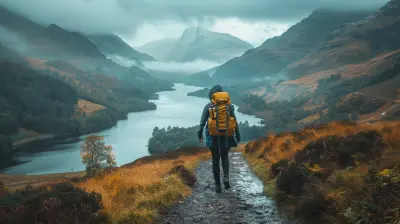
Explore the Beautiful Fjords of Norway
31 January 2026
Have you ever stared at a picture of a jaw-dropping landscape and thought, “Yep, that’s going on my bucket list”? Well, if the rugged cliffs, deep-blue water, and snow-dusted mountains of Norway’s fjords haven’t made your list yet, they absolutely should. Let me take you on a journey through one of the world’s most breathtaking natural wonders — the fjords of Norway. This isn’t your average sightseeing tour; we’re talking about landscapes that seem straight out of a fantasy film.
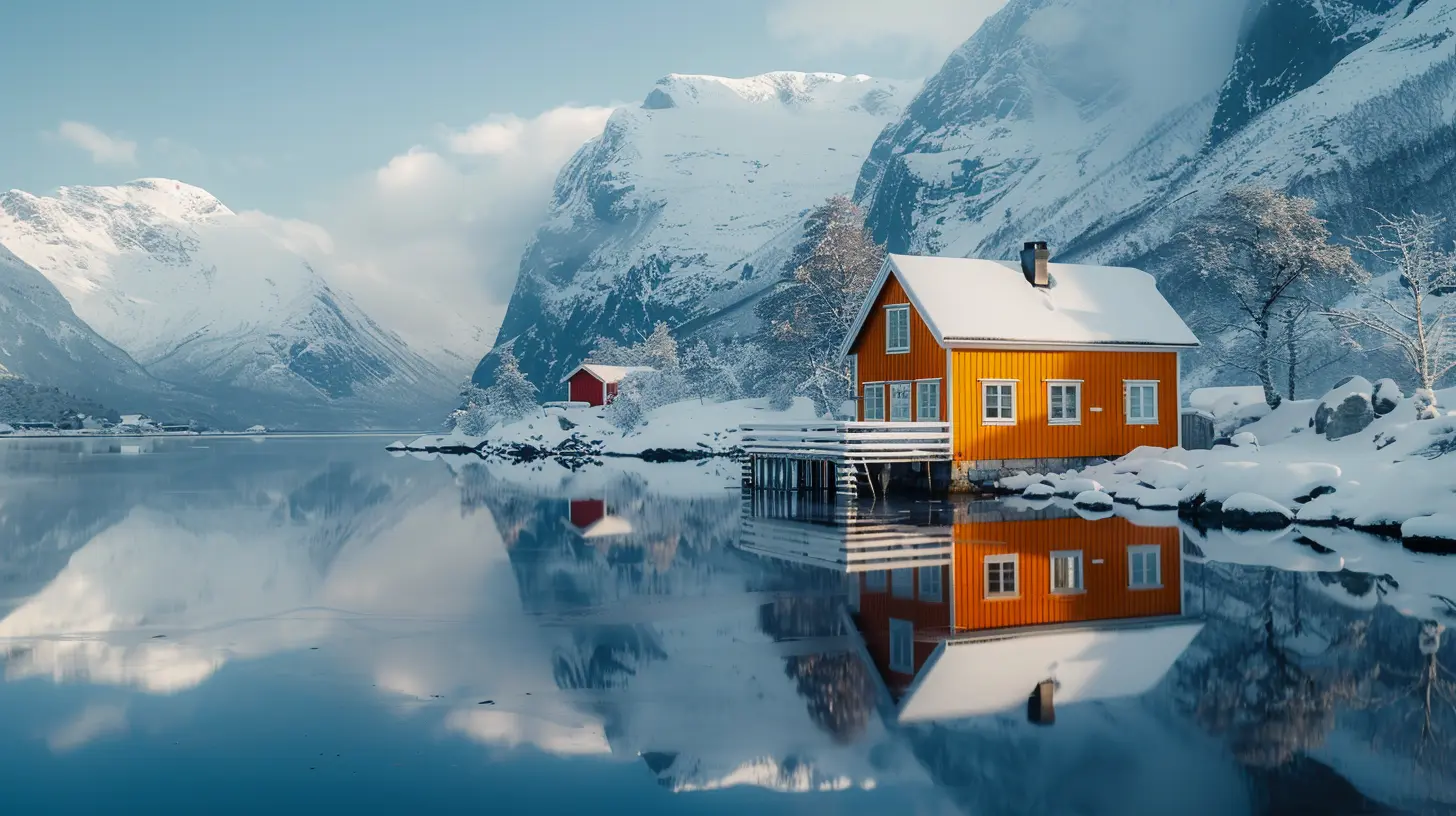
What Exactly Is a Fjord?
I know, it’s one of those words you hear and kind of nod like you know what it means, right? But let’s clear that up. A fjord is a long, deep, narrow body of water that reaches far inland, carved out by glaciers thousands of years ago during the Ice Age. Picture a massive nature-made alleyway between towering cliffs, filled with crystal-clear sea water. Yep — that’s a fjord.In Norway, these aren’t just geographical features. They’re the soul of the country. With over 1,000 fjords scattered along the coast, this place is literally shaped by nature’s wild imagination.
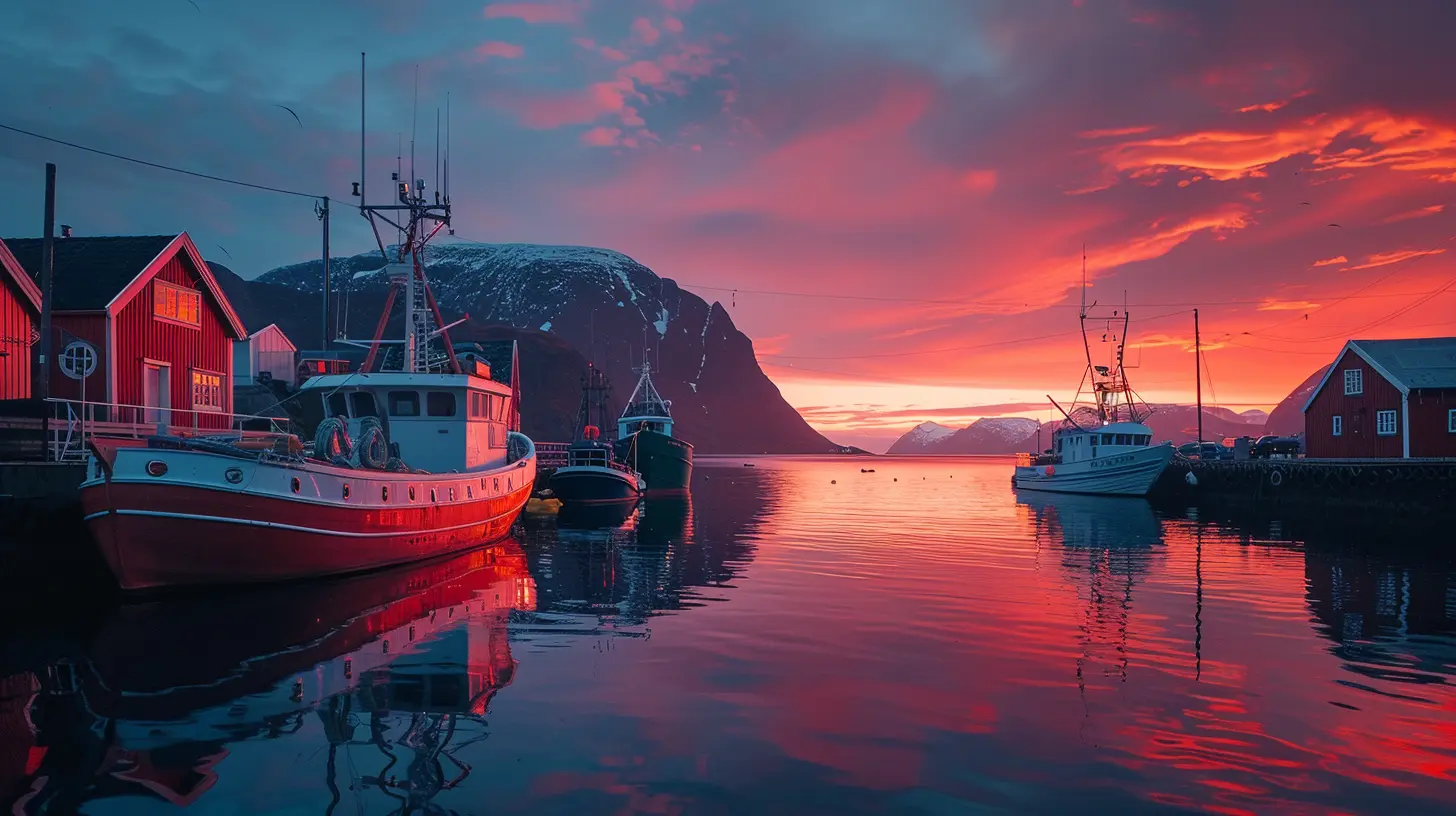
Why Norway’s Fjords Are So Special
You can find fjords in other parts of the world, sure. New Zealand, Chile, even Canada. But Norway? Norway takes the crown. It's like Mother Nature turned on her creativity full-blast here. The fjords in Norway are deeper, longer, and surrounded by such dramatic landscapes that you’ll feel like you’ve stepped into a magical realm.Some of them stretch hundreds of kilometers into the mainland, with waterfalls cascading down the vertical rock walls, green meadows perched on ledges, and traditional fishing villages nestled at the base. It’s nature, history, and culture all rolled into one stunning package.
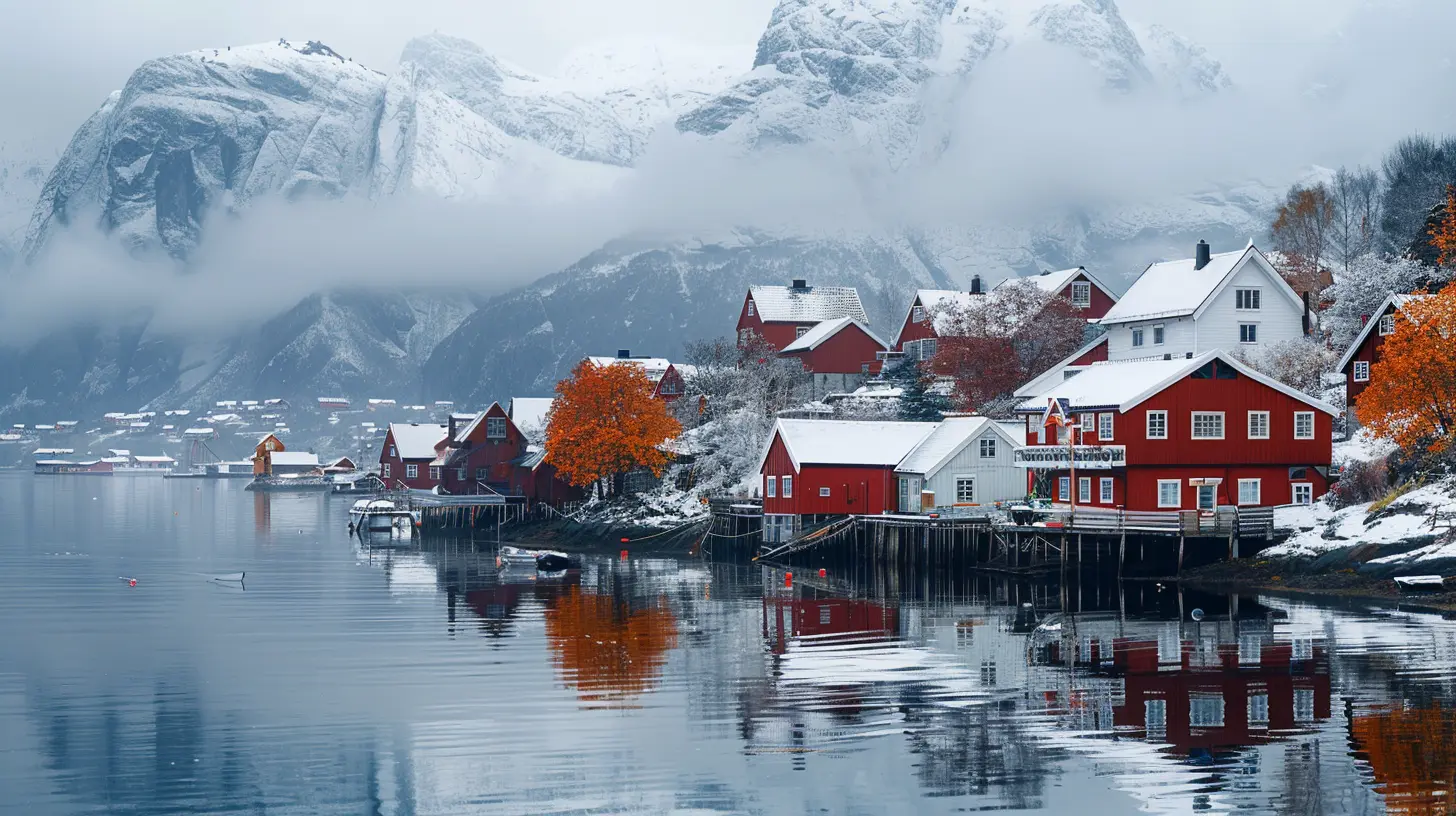
The Must-Visit Fjords in Norway
Let’s dive into the showstoppers. If you’re planning a trip (or dreaming of one), these are the fjords you absolutely, positively can’t miss.1. Geirangerfjord – The Poster Child of Norwegian Fjords
If you’ve seen a photo of a Norwegian fjord, chances are it was Geirangerfjord. Located in Western Norway and listed as a UNESCO World Heritage Site, Geirangerfjord is straight-up magical.Massive waterfalls — like the famous Seven Sisters — tumble down steep cliffs, and tiny farmhouses cling to hillsides that look impossible to farm. You can cruise through the fjord, kayak the calm waters, or hike one of the many trails for a bird’s eye view. Every angle is ridiculously photogenic. It’s like nature just went crazy trying to impress us.
2. Nærøyfjord – Narrow, Deep, and Insanely Gorgeous
Also part of the UNESCO World Heritage list (so you know it’s legit), Nærøyfjord is a branch of the larger Sognefjord, and it’s only 250 meters wide at its narrowest. That’s tight. You're surrounded by walls of rock that rise over 1,000 meters high — it feels like you're in a stone cathedral built by the universe.You can take an electric-powered ferry through it (eco-friendly and silent — a double win), or hop into a kayak and paddle your way through the still waters while goats watch from the hills. No joke.
3. Sognefjord – The King of Fjords
They call it the "King of the Fjords" for a reason. At over 200 km long and 1,308 meters deep, Sognefjord is the largest and deepest fjord in Norway, and it cuts through the country like a royal sword of ice and water.There’s so much to do here it’s kinda overwhelming — hiking, biking, boat tours, glacier walks, and visiting charming villages like Flåm, which is basically a real-life storybook town. Oh, and don’t miss the Flåm Railway — it's one of the most scenic train rides on the planet.
4. Hardangerfjord – The Fruit Basket of Norway
Want some variety with your views? Hardangerfjord is not only stunning but also known for its colorful orchards and blooming wildflowers. In spring, the hillsides explode with pink and white apple blossoms, making it feel like you’ve stumbled into a fairytale.Hardangerfjord is also close to Trolltunga, one of the most Instagram-famous hikes in Norway. You know the one — a rock ledge that juts out like a troll’s tongue, hanging over an epic valley. Scary but epic.
5. Lysefjord – Thrills, Heights, and Pure Adrenaline
Lysefjord is a bit different. It’s rougher, steeper, and a magnet for thrill-seekers. This is where you’ll find Preikestolen (Pulpit Rock), a massive cliff 604 meters above the fjord, and Kjeragbolten, that famous boulder wedged between two cliffs. If you’ve ever wanted to stand in the most heart-pounding photo op of your life, this is where you go.Just don’t look down if you’re scared of heights. Seriously.
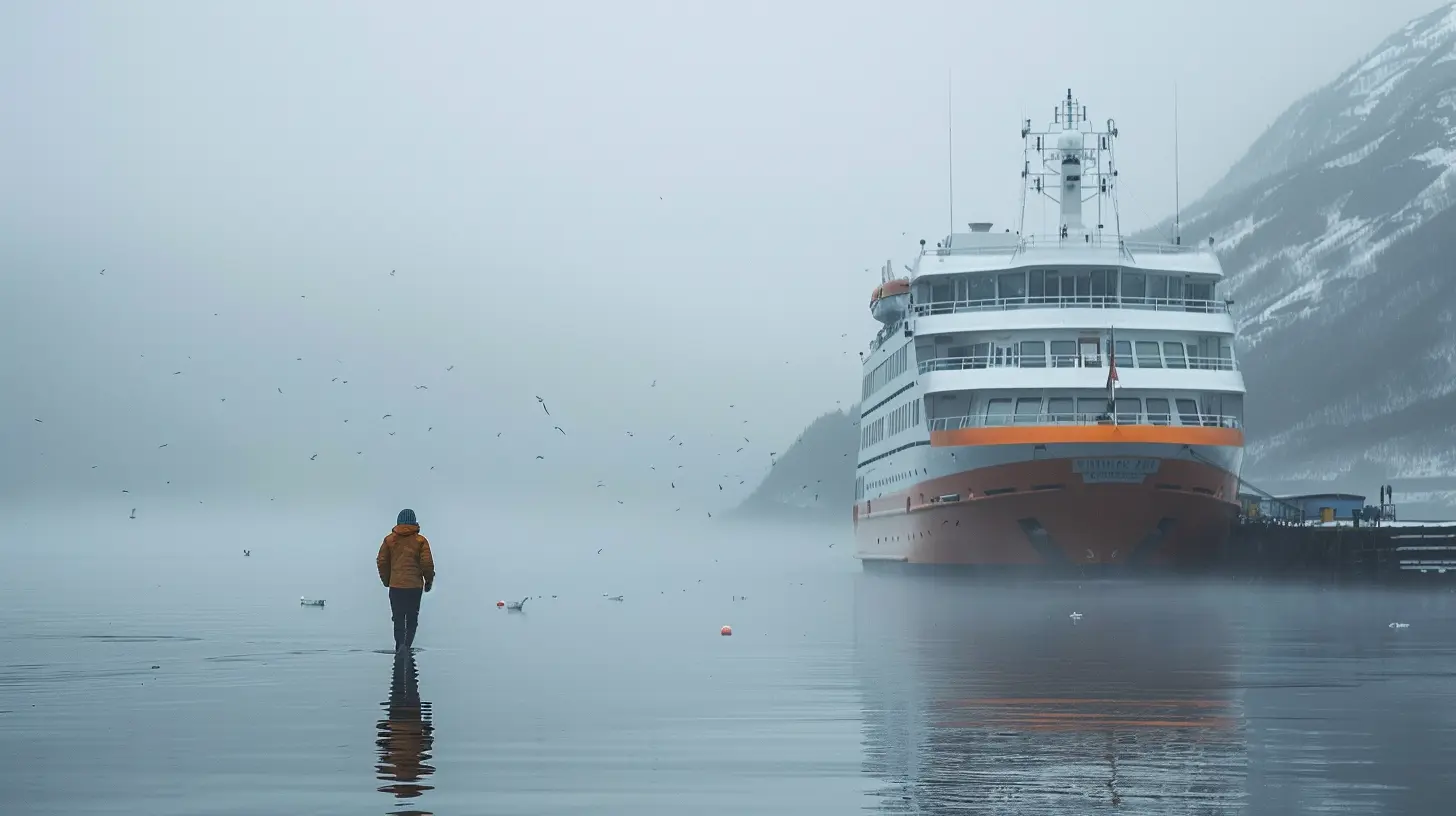
Best Time to Visit the Fjords
Now for the big question: When should you go? Honestly, the fjords are stunning all year round, but your experience will differ depending on the season.- Summer (June to August): Long daylight hours (hello, midnight sun!) and warmer weather. Perfect for cruises, kayaking, and hiking.
- Spring (April to May): Blooming orchards, fewer crowds, and melting snow feeding those powerful waterfalls.
- Autumn (September to October): Crisp air, colorful foliage, and golden sunlight. Pure magic.
- Winter (November to March): Fewer tourists, snow-covered landscapes, and a chance to see the Northern Lights if you’re lucky.
If you’re not a fan of crowds, spring and autumn are ideal. But if you want the full “epic summer in Norway” vibe, July is your best bet.
How to See the Fjords: Your Travel Options
You’ve got choices here, depending on your style and budget.Fjord Cruises
This is the classic option. Sit back on a boat, drink in hand, camera ready. Cruises range from a couple of hours to multi-day adventures, and many depart from major cities like Bergen or Ålesund. Some even come with luxurious amenities, so you can sip champagne while floating past waterfalls. Fancy, huh?Road Trips
Norway’s scenic routes are world-famous. Rent a car and drive through twisting mountain roads and across narrow bridges with cliffside views. Roads like the Atlantic Road and the Trollstigen are destinations in themselves.Train Journeys
The Flåm Railway, mentioned earlier, is a must. But the Bergen Railway, connecting Oslo to Bergen, also offers insane views. Train travel in Norway is smooth, comfy, and jaw-droppingly beautiful.Hiking and Kayaking
For the adventurous souls. Norway has endless trails ranging from beginner to “only if you have mountain goat genes.” Kayaking is peaceful, intimate, and gives you access to quiet corners no motorboat can reach.
Norwegian Culture in the Fjords
It’s not just about the scenery. The fjords are home to some of the most authentic aspects of Norwegian culture. You’ll find centuries-old churches, traditional wooden cabins, and quiet fishing villages where life moves slowly — and that’s a good thing.Try local treats like brunost (a weirdly sweet brown cheese), fresh-caught fjord trout, and cloudberries that taste like sunshine. The people here are warm, humble, and happy to share stories if you’re curious enough to ask.
Tips for a Smooth Fjord Adventure
Let me help you avoid some “oops” moments.- Pack layers: Weather can flip-flop in minutes. Be ready for sunshine AND cold drizzle.
- Book in advance: Especially in peak season, tours and accommodations fill up fast.
- Keep your camera ready: Every corner is a photo op.
- Respect nature: Norway is big on sustainability. Stick to marked trails and minimize waste.
- Download offline maps: You’ll be in remote areas. Internet might ghost you.
Final Thoughts
So, should you check out the fjords of Norway? Heck yes.They are wild, beautiful, and humbling. Whether you’re cruising on a boat, hiking a cliff, or just sitting on a rock soaking up the silence, the fjords connect you to something bigger — nature in its rawest, most majestic form.
It’s not just a trip. It’s an experience that tattoos itself on your memory. So pack your bags, charge your camera, and bring an open heart. The fjords are waiting.
all images in this post were generated using AI tools
Category:
Europe TravelAuthor:

Reed McFadden
Discussion
rate this article
2 comments
Zarenith Simmons
What a fantastic journey through Norway's breathtaking fjords! Your vivid descriptions truly capture the magic of this stunning landscape. It’s inspiring to see how nature’s beauty can evoke such wonder. I can’t wait to plan my own adventure to these remarkable sites!
February 25, 2026 at 5:18 PM
Lyra Frye
Norway's fjords are a breathtaking testament to nature’s artistry. Each winding waterway offers a unique adventure, from serene kayaking to stunning hikes. Embrace the tranquility and majesty of these landscapes—your journey will surely leave you inspired and rejuvenated!
February 9, 2026 at 4:43 PM
Reed McFadden
Thank you! I'm glad you appreciate the beauty of Norway's fjords. They truly offer unforgettable experiences for every adventurer!