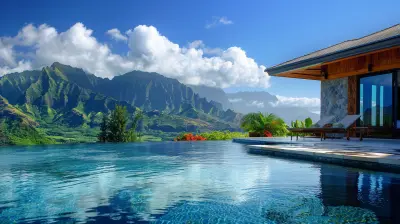
Experiencing Paradise: The Rise of Overwater Villas by 2026
13 May 2026
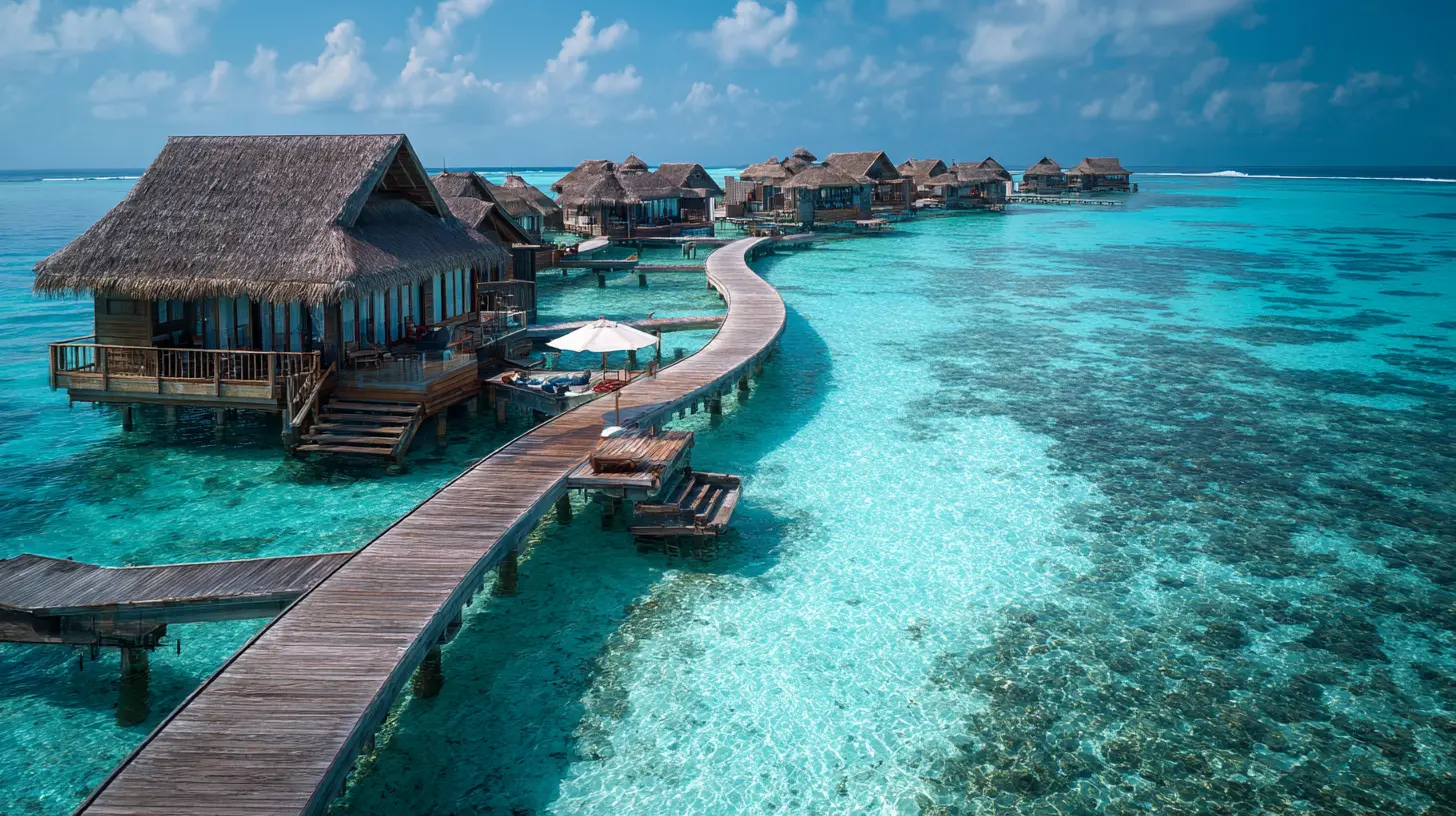
Let's be real for a second. You've scrolled past those photos a hundred times. A wooden deck stretching out over turquoise water. A glass floor showing fish swimming underneath. A private plunge pool with nothing but ocean on the horizon. It looks fake, right? Like someone photoshopped a resort onto a postcard. But by 2026, this isn't going to be just a dream or a lottery win. It's becoming the new normal for travelers who refuse to settle for a basic hotel room with a view of the parking lot.
Overwater villas are exploding. Not just in the Maldives or Bora Bora anymore. They're popping up in places you'd never expect. And the reason is simple: people are tired of pretending that a standard room is enough. You want to wake up and jump straight into the water. You want to feel like you own a tiny slice of the ocean. By 2026, the industry is betting big on that feeling. So let's talk about why these floating palaces are taking over, where they're heading, and how you can actually experience paradise without selling a kidney.
Why Overwater Villas Blew Up (And Won't Stop)
Think of the overwater villa like the smartphone of travel. Ten years ago, it was a luxury only the ultra-rich could touch. Now? It's still expensive, sure, but it's becoming accessible to a much wider crowd. The demand has skyrocketed because of one thing: Instagram. I know, I know. Social media gets blamed for everything. But let's be honest, you've seen a friend's story of them sipping a coconut on a deck, and you felt that little pang of jealousy. That pang is worth billions to the tourism industry.
By 2026, the technology to build these villas has gotten cheaper and faster. Resorts are using modular construction. They build the rooms on land, float them out, and bolt them down in weeks instead of months. That means more locations can get in on the action. And it's not just about the room itself. It's about the experience. You aren't paying for a bed. You're paying for the silence at midnight, the sound of waves slapping the stilts, and the feeling that you're the only person on the planet. That's a product people will save up for.
The New Hotspots: Where to Find These Floating Dreams by 2026
Forget the old cliches. The Maldives and Bora Bora are still king, but they're getting crowded. By 2026, the smart money is on emerging destinations that offer the same vibe at a fraction of the cost or with a totally different flavor.
First up, Zanzibar. The Tanzanian archipelago is already building overwater villas that mix Swahili design with modern luxury. The water is warm, the beaches are white, and the price tag is lower than the Indian Ocean heavyweights. You get the same glass floors and infinity pools, but you also get spice markets and local culture right on your doorstep.
Then there's the Caribbean. Places like Jamaica and the Dominican Republic are finally catching up. They've been late to the overwater party because of hurricanes, but new engineering is making these villas storm-resistant. By 2026, you'll see them in places like Punta Cana and Negril. The water isn't as crystal clear as the Maldives, but the vibe is more laid-back. You can have a reggae playlist playing while you fish off your deck.
Don't sleep on Southeast Asia either. Thailand has strict laws about building over water, but they're loosening up. The Phi Phi Islands and Koh Samui are getting floating suites that blend into the limestone cliffs. And Vietnam? The country is quietly building some of the most affordable overwater stays in the world. You're looking at a villa for a quarter of the price of a Maldivian one, with the same sunrise views.
The Price Tag: Is It Worth It?
Let's talk money. Nobody likes to talk about money, but we have to. An overwater villa in 2026 will cost you anywhere from 400 dollars a night in a newer destination to 4,000 dollars a night in the ultra-luxury spots. Is it worth it? That depends on how you value your time.
Here's the thing. A standard hotel room gives you a bed. A overwater villa gives you a stage. You're not just sleeping. You're performing your vacation. You're sitting on that deck, reading a book, and every five minutes you look up and think, "I can't believe this is real." That feeling is hard to put a price on. And by 2026, the competition between resorts means you're getting more for your money. Think free breakfast delivered by boat, complimentary snorkeling gear, and private butlers who remember your name.
But here's the catch. You have to book early. The best villas sell out months in advance. If you wait until the last minute, you'll end up with the one that faces the construction site or the noisy jet ski dock. Plan ahead or risk paying top dollar for a mediocre spot.
The Design Revolution: What Makes a Villa Stand Out
Gone are the days of a simple wooden hut on stilts. By 2026, overwater villas are architectural marvels. We're talking about glass walls that slide open completely, turning your room into an open-air pavilion. We're talking about roofs that retract so you can stargaze from your bed. And we're talking about infinity pools that spill directly into the ocean, creating the illusion that you're floating on liquid glass.
Some resorts are going wild with sustainability. Solar panels on the roofs. Rainwater collection systems. Reef-safe materials that don't damage the coral underneath. It's not just a marketing gimmick. Travelers are demanding it. You don't want to feel guilty about your luxury vacation destroying the environment. By 2026, most new builds will have to prove they're eco-friendly or risk losing customers.
One trend I'm loving is the "barefoot luxury" approach. Forget the stiff white tablecloths and formal dress codes. These villas are designed for you to live in your swimsuit. You eat your dinner with your feet dangling in the water. You take a shower on the deck under the open sky. The line between inside and outside is completely blurred. It feels like you're camping, but with a king-sized bed and a minibar.
The Experience: More Than Just a Room
Let's get into the nitty-gritty. What do you actually do in an overwater villa? I mean, besides staring at the water and taking selfies. The answer is: a lot, or nothing at all. That's the beauty of it.
You can slide straight from your deck into the ocean. No walking down to the beach. No fighting for a sun lounger. You just step off the edge and you're in the water. Snorkeling becomes a casual activity you do between naps. You'll see turtles, rays, and colorful fish right under your villa. Some resorts even have coral nurseries where you can help plant new coral. It's a hands-on way to give back.
Then there's the food. Overwater restaurants are becoming a thing. You take a short boat ride or walk along a boardwalk to a dining room that floats in the middle of the lagoon. The menu is usually fresh seafood and local ingredients. Imagine eating grilled lobster while the sun sets over the water. That's not a cliche. That's a memory that sticks with you.
But the real magic happens at night. The water around your villa glows with bioluminescent plankton. You can see the stars without any light pollution. The only sound is the gentle lap of waves. It's the kind of quiet that makes you realize how loud your normal life is. By 2026, more resorts are adding stargazing decks and night snorkeling tours to capitalize on this.
Who Is This For? (Spoiler: It's Not Just Couples)
I used to think overwater villas were only for honeymooners. You know, the couple who just got married and wants to be alone. But by 2026, that's changing. Families are jumping on board. Resorts are building multi-bedroom overwater villas with kids' clubs and shallow water access. Your kids can snorkel safely right off the deck while you sip a cocktail. It's a game-changer for parents who don't want to chase toddlers around a crowded pool.
Solo travelers are also getting in on the action. Imagine a week of complete solitude. No roommates. No noise. Just you, a stack of books, and the ocean. Some resorts offer solo packages with a discount for single occupancy. It's becoming a popular choice for people who need a digital detox.
And let's not forget the friend groups. Split the cost of a massive overwater villa with three or four friends. You get your own space, but you share the common deck and the infinity pool. It's like a floating party pad. By 2026, expect to see more resorts marketing to groups, with activities like group snorkeling trips and private barbecues on the deck.
The Downside: What Nobody Tells You
I'm not going to sugarcoat it. Overwater villas aren't perfect. First, there's the motion. If you're prone to seasickness, a villa on stilts can feel like a gentle rocking boat. It's not constant, but during a storm or strong current, you'll feel it. Some people love the sensation. Others hate it.
Second, the privacy isn't always guaranteed. Your deck might be visible from the main resort or from other villas. If you're planning on skinny dipping, check the layout first. Some resorts have privacy screens. Others don't.
Third, the cost of extras adds up. The villa itself is expensive. But then you add transfers, meals, drinks, excursions, and tips. You can easily double the cost of your trip. By 2026, more resorts are offering all-inclusive packages for overwater villas, but you need to read the fine print. Sometimes the "all-inclusive" doesn't include the premium alcohol or the private dinner on your deck.
Finally, there's the environmental impact. Even with sustainable building practices, putting a structure over a reef can damage the ecosystem. Some resorts do a great job of mitigating this. Others don't. Do your research. Look for certifications like Green Globe or EarthCheck. Support the places that care.
How to Book Without Getting Ripped Off
You want the best deal? Here's the strategy. Book during the shoulder season. That's the time between peak and off-peak. For the Maldives, that's April to June and September to November. The weather is still good, but the prices drop by 30 to 40 percent.
Use a travel agent who specializes in luxury. I know, you think you can do it yourself. But agents have access to unpublished rates and upgrades. They can also handle the logistics of seaplane transfers and resort hopping. It's worth the commission.
Sign up for email alerts from resorts you like. They often send flash sales for last-minute cancellations. You can snag a 1,000-dollar villa for 600 bucks if you're flexible.
And don't be afraid to negotiate. If you're booking directly, ask for a complimentary upgrade or a free meal. The worst they can say is no. By 2026, the competition is fierce. Resorts want your business.
The Future: What's Next After 2026
We're only scratching the surface. By 2026, overwater villas will be everywhere. But what comes after? I'm seeing floating cities. Entire resorts built on platforms that can move with the currents. Underwater bedrooms with full glass walls. Villas that hover above the water using magnetic levitation. It sounds like science fiction, but the prototypes are already being tested.
The point is, the demand isn't slowing down. People want to escape. They want to disconnect from the noise and reconnect with something bigger. An overwater villa is the ultimate symbol of that escape. It's not just a place to sleep. It's a statement that you value experience over stuff.
So, by 2026, will you be one of those people staring at a photo of a floating villa, wondering if it's worth it? Or will you be the one taking the photo? The choice is yours. But let me tell you, once you've woken up to the sound of waves and stepped directly into the ocean, there's no going back. That's paradise. And it's rising.
all images in this post were generated using AI tools
Category:
Luxury ResortsAuthor:

Reed McFadden
Discussion
rate this article
1 comments
Mabel Davis
Overwater villas offer a unique blend of luxury and nature, creating an unparalleled experience for travelers. As their popularity grows, it's essential to consider the environmental impact and sustainability of these developments. Balancing tourism with preservation will determine the future of these stunning destinations.
June 8, 2026 at 4:51 AM