Europe’s Ancient Wonders: A History Buff’s Dream
9 July 2026
History has this magical way of pulling us into its depths, enticing us to uncover the stories of ancient civilizations, battles won and lost, and the fascinating mysteries that remain unsolved. For history buffs, Europe is an unparalleled treasure trove. This continent is brimming with ancient wonders that have stood the test of time, weathered countless storms, battles, and the passage of millennia.
Whether you're walking through the imposing ruins of a Roman amphitheater, standing before a mystical stone circle, or exploring medieval fortresses that once echoed with the clashing of swords, Europe has something to offer every history enthusiast. So, pack your bags, and let's take a journey through some of Europe’s most awe-inspiring ancient wonders. This is an adventure you won’t want to miss!
1. The Colosseum, Italy: A Symbol of Roman Grandeur
You can’t talk about Europe’s ancient wonders without poking your head into Rome. I mean, this is the city that was once the heart of the Roman Empire. And right smack in the middle of it is the Colosseum—arguably one of the most iconic ancient monuments in the world.Dating back to AD 80, the Colosseum is an architectural marvel. With a capacity of over 50,000 spectators, this monumental amphitheater was the stage for brutal gladiator contests, mock sea battles, thrilling animal hunts, and even public executions. Although partially in ruins due to earthquakes and stone robbers over the centuries, walking through its arches will still leave you with chills.
Feeling the ghostly echoes of the crowds cheering and imagining the clash of swords might just give you the shivers. But don’t worry, no actual gladiators are waiting to duel today!
Fun Fact:
The Colosseum was originally called the "Flavian Amphitheater," named after the Flavian dynasty that built it. The name "Colosseum" came from a colossal statue of Emperor Nero that once stood nearby.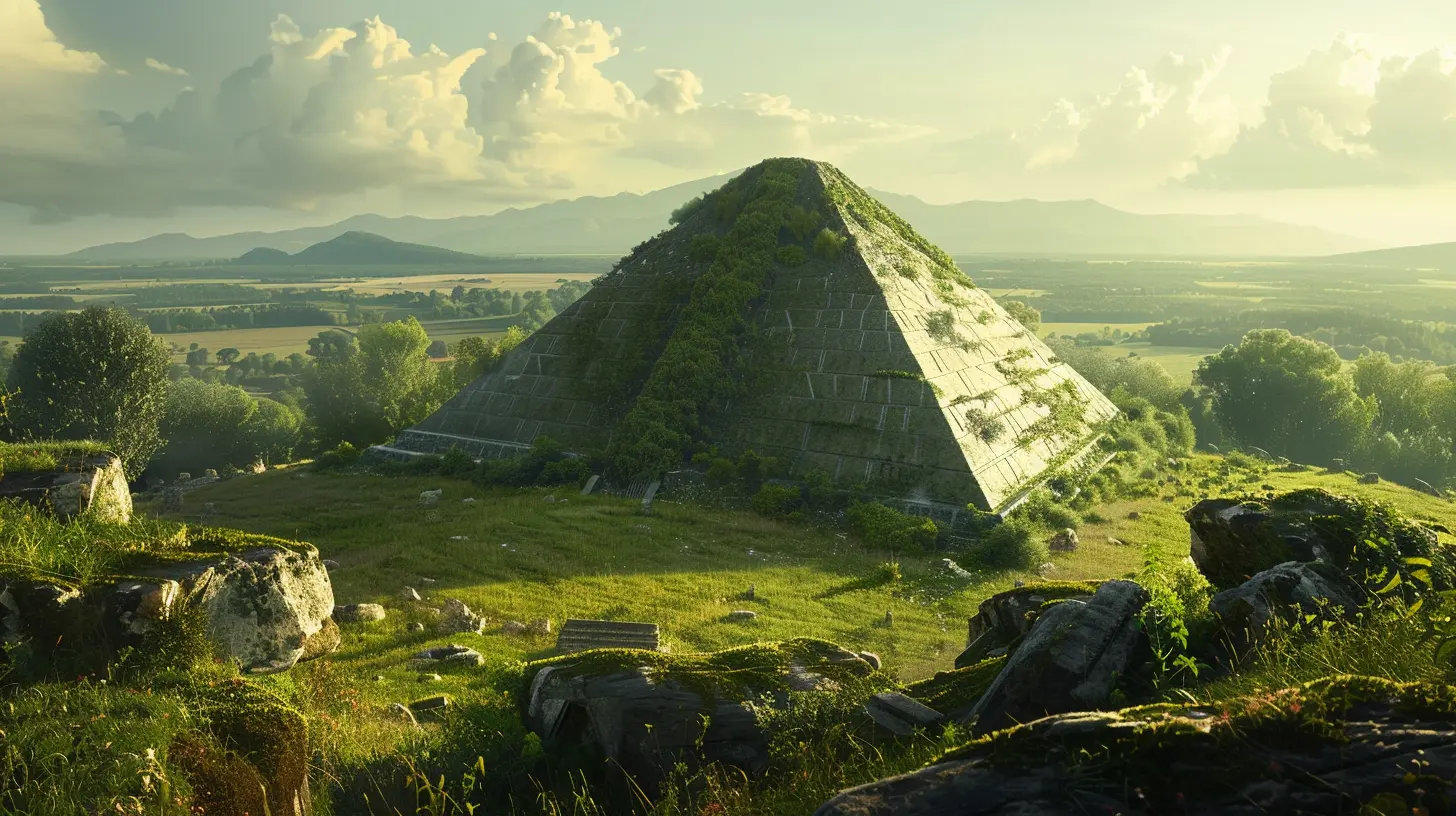
2. Stonehenge, England: The Mysterious Stone Circle
Ah, Stonehenge—one of Europe’s most famous and mystifying landmarks. Located in the English countryside of Wiltshire, this ancient stone circle is shrouded in mystery. Scholars believe Stonehenge was constructed between 3000 and 2000 BC, but its exact purpose remains a mystery even today. Some say it was a religious site, others think it was an astronomical calendar, and there are even theories of it being a healing center.Standing before the massive stones, some weighing over 40 tons, you can't help but be awestruck. I mean, how in the world did people transport these colossal slabs long before the invention of cranes or modern machines? Aliens, anyone? (Just kidding!)
Must-Know Tip:
Stonehenge is ultra-popular, so booking your visit ahead of time is recommended unless you like long lines and waiting around.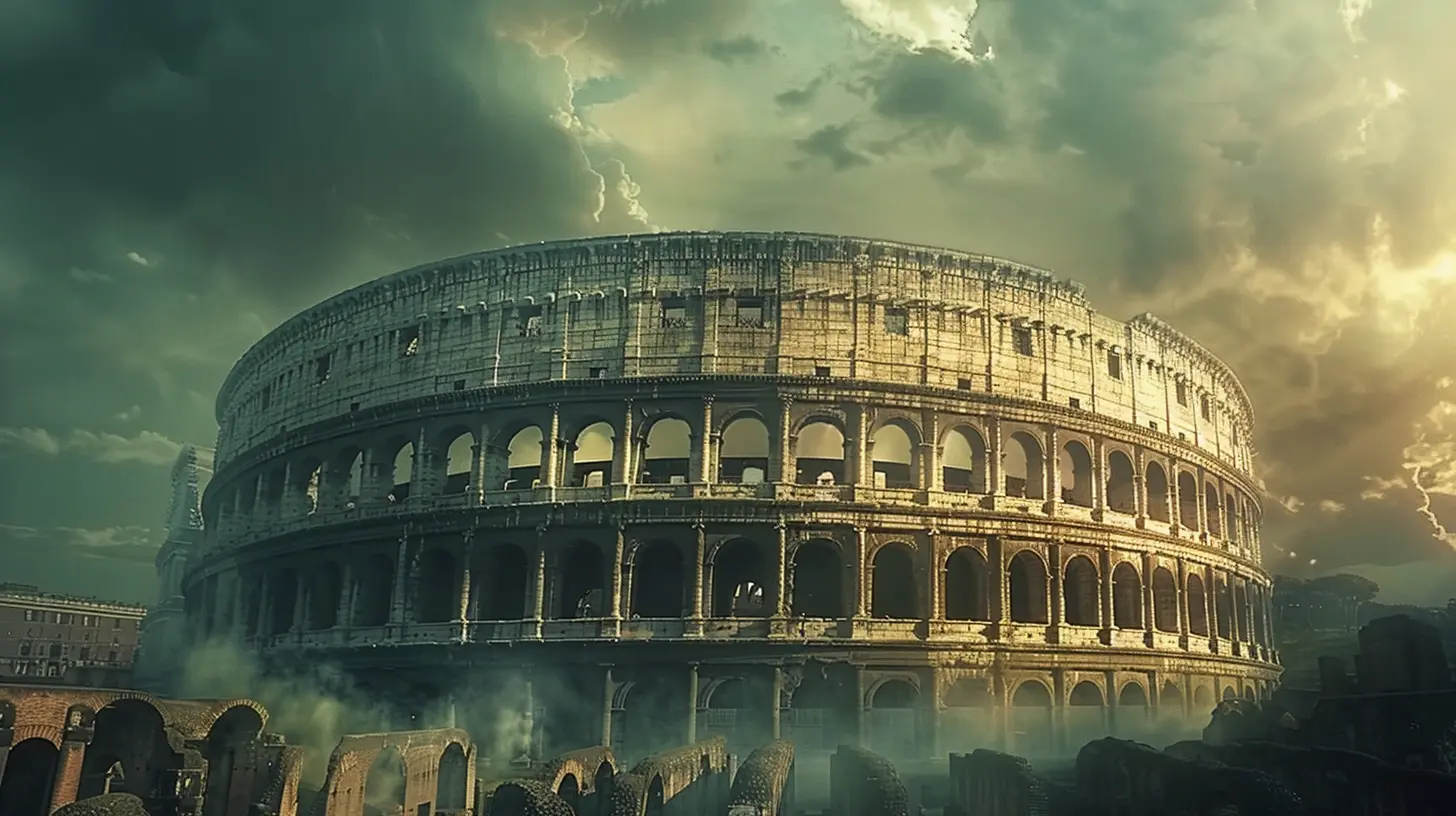
3. The Acropolis of Athens, Greece: The Pinnacle of Ancient Greek Civilization
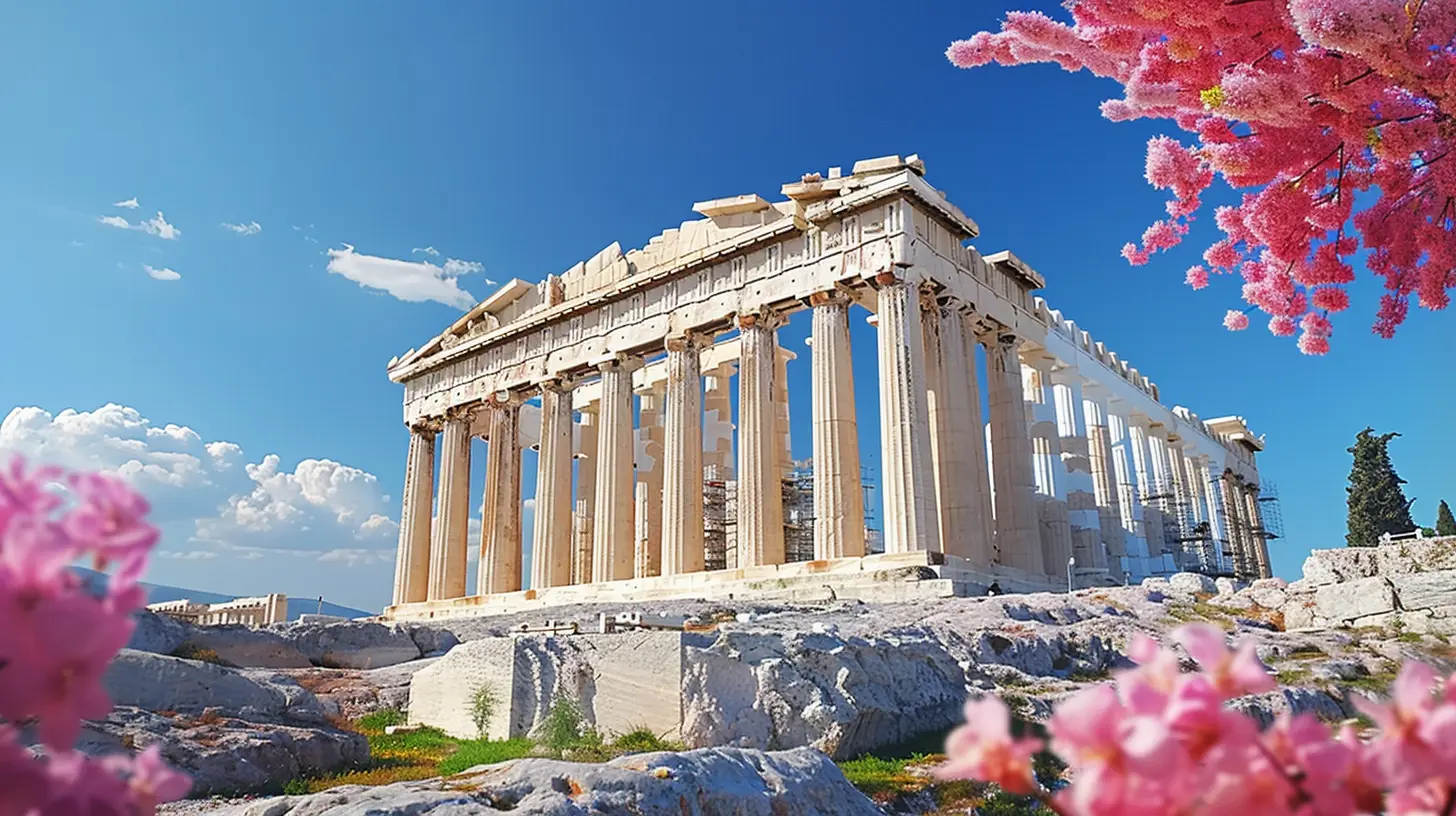
It’s impossible for any history lover not to swoon over Athens. It’s a city where ancient mythology and deep-rooted history intertwine seamlessly. At the epicenter of this magic is the Acropolis, a hilltop fortress showcasing some of humanity’s greatest architectural achievements, the most famous being the Parthenon.Built in the 5th century BC, the Parthenon was dedicated to Athena, the goddess of wisdom and warfare. Today, it’s a symbol of the cultural and political achievements of Ancient Greece. The entire Acropolis complex is a testament to the artistic and architectural prowess of the Greeks—everything from the columns to the intricate carvings tells a story.
Standing atop the Acropolis, it's hard not to imagine yourself as part of the ancient world where philosophers like Socrates and Plato once roamed, crafting the very foundations of Western thought.
Insider Tip:
Visit the Acropolis Museum after exploring the site itself—it contains thousands of artifacts uncovered from the surrounding area, providing a more in-depth look into Greek civilization.
4. Pompeii, Italy: Ancient Rome Frozen in Time
Imagine stepping into an ancient city where time stood still. That’s exactly what happens when you visit Pompeii. In AD 79, Mount Vesuvius erupted with such force that it buried the entire Roman city of Pompeii under layers of volcanic ash.For nearly 2,000 years, the city lay forgotten until it was rediscovered in the 18th century. Today, Pompeii offers an eerie glimpse into the daily lives of Roman citizens—homes, streets, amphitheaters, and even people, all preserved in ash.
Walking through Pompeii, you can almost feel the presence of the ancient Romans. There are frescoes on the walls, mosaics on the ground, and even casts of people in their final moments. It’s haunting, sobering, and utterly fascinating.
Pro Traveler Tip:
Pompeii can get incredibly hot in the summer, so go early in the day to avoid the midday heat.5. The Alhambra, Spain: The Moorish Masterpiece
Nestled in the hills above the city of Granada is the Alhambra, a stunning fortress and palace complex that showcases the best of Moorish architecture. Built during the 14th century by the Nasrid Emirate, the Alhambra is a mesmerizing example of Islamic art and culture in medieval Spain.With ornate calligraphy, intricate mosaics, and gracefully carved arches, the Alhambra is a feast for the eyes. The palace’s gardens, fountains, and courtyards are equally impressive, making it a peaceful retreat as much as a historic site.
One walk through the Alhambra, and you’re instantly transported back to the splendor of Moorish Spain. It’s easy to lose yourself in the winding corridors, marvelling at the attention to detail in every corner.
Pro Tip:
To avoid disappointment, make sure to book your tickets in advance. The Alhambra is one of Spain’s most-visited tourist attractions, and tickets sell out quickly!
6. Skara Brae, Scotland: Europe's Best-Preserved Neolithic Village
We’re taking a little detour now, venturing into the northern Orkney Islands of Scotland. Here lies Skara Brae, a Neolithic settlement that's older than the Egyptian pyramids! Yes, you read that right.Dating back to 3180 BC, Skara Brae is Europe’s best-preserved Neolithic village. It was uncovered after a heavy storm in 1850, revealing ten stone-built houses that give us a window into the simple yet clever lives of early farmers.
The houses are connected by passageways, and inside, you’ll find stone beds, dressers, and hearths. It’s incredible to think that people lived here over 5,000 years ago, in homes that still remain largely intact.
Fun Fact:
Skara Brae was abandoned around 2500 BC, and it's believed that shifting climates caused the inhabitants to leave.7. The Château de Chambord, France: The Elegance of the Renaissance
France is famous for many things—wine, the Eiffel Tower, croissants—but for history lovers, it’s the châteaux that steal the show. And one of the most magnificent examples? The Château de Chambord.Built in the early 16th century, this Renaissance-style castle was originally intended as a hunting lodge for King Francis I. But in true royal fashion, the hunting lodge turned into a project of epic proportions. Its massive, fairytale-like structure is a marvel of architecture, complete with intricate towers, a double-helix staircase said to be designed by Leonardo da Vinci himself, and hundreds of chimneys.
If you're a history buff with an appreciation for art and architecture, the Château de Chambord is a must-see on any European adventure.
Pro Traveler Tip:
Chambord is massive! Give yourself plenty of time to explore not only the castle itself but also the vast surrounding parkland.
8. The Roman Baths, England: A Soothing Window into the Past
Last on our list (but certainly not least) is a visit to the Roman Baths in Bath, England. This historic site allows you to step back into Roman Britain, where bathing wasn’t just a quick rinse—it was a full-on social, cultural, and even religious experience.The baths date back to around 70 AD, built over natural hot springs that the Romans believed had healing properties. The site features a large pool, intricate stone structures, and a museum filled with Roman artifacts.
Of course, you can’t actually swim in the ancient baths today, but the city of Bath offers other thermal spa experiences where you can channel your inner Roman and enjoy the healing waters.
Fun Fact:
The hot springs were originally considered a gift from the gods, and people would throw coins and offerings into the water as a way of asking for healing.Conclusion
Europe is a history buff’s dream come true. Whether you're captivated by the grandeur of Roman architecture, mesmerized by the mysteries of ancient stone circles, or enthralled by medieval fortresses, Europe offers an endless array of historical treasures. Each wonder tells its own fascinating story of the people who built them, the cultures they belonged to, and the countless epochs they survived. For any history lover, there’s simply no place like it.So, what’s next for your history-packed bucket list? The grandeur of the Colosseum, the mysticism of Stonehenge, or the haunting remains of Pompeii? Whatever you choose, Europe’s ancient wonders promise memories (and stories) that will last a lifetime.
all images in this post were generated using AI tools
Category:
Europe TravelAuthor:

Reed McFadden
Discussion
rate this article
1 comments
Zia McFarlane
What an incredible journey through time! Exploring Europe's ancient wonders sounds like a dream come true for any history lover. Can't wait to add these to my travel list!
August 22, 2026 at 4:23 PM
Reed McFadden
I'm glad you enjoyed it! Europe is filled with amazing stories waiting to be discovered. Happy travels on your journey through history!