Eco-Friendly Travel Checklist for Conscious Explorers in 2026
12 September 2026
Travel in 2026 looks different than it did a decade ago. Airlines are trialing electric regional aircraft. Train networks across Europe and parts of Asia have expanded to the point where flying between major cities is often slower door to door. A growing number of destinations, from Venice to Bali to the Galapagos, are actively limiting visitor numbers or charging entry fees tied to sustainability programs. Meanwhile, the vocabulary of green travel has expanded faster than most travelers can keep up with, which means the gap between what sounds sustainable and what actually is sustainable has never been wider.
This checklist is not a list of sacrifices. It is a practical framework for people who want to travel well, spend their money in ways that benefit the places they visit, and come home without a nagging sense that their trip cost more than it gave. It covers the decisions that matter most, the ones that matter less than the marketing suggests, and the trade-offs you will inevitably face. Where the evidence is clear, I will say so. Where it is not, I will say that too.

Start With the Trip You Actually Take
The most sustainable trip is not the one with the lowest carbon footprint on paper. It is the one you take once instead of three times, the one you stay longer on, and the one where you spend money in the local economy rather than in a chain hotel that pipes profits elsewhere.The case for fewer, longer trips
A two-week trip to one region almost always beats three weekend trips to three cities, even if the weekend trips involve shorter flights. Takeoff and landing burn disproportionate amounts of fuel, and short-haul flights are among the most carbon-intensive ways to travel per kilometer. Beyond emissions, longer stays change the nature of a trip. You shop at the same market twice, you recognize a face, you stop rushing. Slow travel is not a moral pose. It is a practical way to get more out of a trip while spending less on transport.When flying is the right call
Flying is not always the wrong choice. If you live in Australia and want to see family in Ireland, no train will do it. If you have two weeks and want to see Patagonia from Europe, the alternative is not going. The goal is not to eliminate flights but to stop treating them as the default. Ask yourself three questions before booking:- Is there a train or bus that adds less than six hours to the journey?
- Am I flying because it is cheaper, or because it is genuinely the only option?
- If I fly, can I make the trip longer to justify the emissions?
If the answer to the second question is "because it is cheaper," that is worth sitting with. Budget airlines have made weekend trips to distant cities feel free. They are not free. The cost is simply paid by the atmosphere rather than your bank account.

Choosing Destinations With Intention
Not all destinations are equally prepared for visitors, and not all tourism dollars do the same work. Some places have the infrastructure and political will to manage tourism well. Others are overwhelmed. Your choice of where to go is the single biggest lever you have.Overtourism and the case for going elsewhere
Cities like Barcelona, Amsterdam, and Kyoto have spent years trying to manage visitor numbers that outpace housing, water, and waste systems. In 2026, many of these places have introduced tourist taxes, short-term rental restrictions, or caps on cruise ship arrivals. Going to a place that is actively struggling with tourism is not automatically wrong, but it does mean your money and behavior matter more. If you visit, stay in licensed accommodations, eat at locally owned restaurants, and avoid contributing to the housing pressure that short-term rentals create.The alternative is to go somewhere that wants visitors and has room for them. Secondary cities, rural regions, and countries with emerging tourism sectors often offer richer experiences at lower cost and with fewer negative impacts. A week in Porto instead of Lisbon, or in Kanazawa instead of Kyoto, often delivers more genuine encounters and less crowding.
Reading a destination's sustainability claims
Many countries now publish tourism sustainability strategies. Some are substantive. Others are marketing. Look for concrete commitments: protected area funding, caps on visitor numbers, investment in public transport, or programs that redistribute tourism revenue to local communities. If a destination's sustainability page is full of vague language about "preserving beauty" and nothing about budgets, targets, or regulations, treat it as aspirational rather than real.
Transport: The Decisions That Move the Needle
Transport is usually the largest share of a trip's carbon footprint, often 60 to 80 percent. Getting this part right matters more than any other single choice.Trains, buses, and the reality of European rail in 2026
Europe's rail network has improved significantly. Night trains have returned on many routes, and high-speed connections now link most major cities. That said, rail is not always cheap or convenient. Booking early matters enormously. A ticket bought three months out can cost a fraction of one bought the week before. Rail passes work well for flexible travelers but poorly for those with fixed plans, since reservations on high-speed trains often cost extra.Buses are the overlooked option. They are slower than trains but often cheaper and surprisingly comfortable on long routes. In countries like Mexico, Turkey, and Vietnam, overnight buses can replace a night in a hotel and a day of travel simultaneously.
Electric vehicles and road trips
If you are renting a car, an electric vehicle makes sense in regions with reliable charging infrastructure. In Norway, the Netherlands, and parts of China, this is straightforward. In rural areas of many other countries, it is not. Before booking an EV, check the charging map along your route. If charging is sparse, a hybrid may be the more practical choice. The greenest car is still the one you do not need to rent, so consider whether trains, buses, or bikes can cover your itinerary before defaulting to a rental.The flight question, handled honestly
When you do fly, a few choices reduce impact. Economy class is more efficient per passenger than business or first, simply because more people fit in the same space. Nonstop flights beat connecting ones because takeoff and landing are the most fuel-intensive phases. Newer aircraft are generally more efficient, though the difference between models is smaller than the difference between flying and not flying.Carbon offsets are a complicated topic. High-quality offsets, verified by rigorous standards and tied to projects that would not happen otherwise, can play a role. Low-quality offsets, which are common, often fund projects that would have proceeded anyway. If you buy offsets, treat them as a supplement to reducing flights, not a substitute. The most honest position is that offsets do not make a flight carbon neutral. They reduce guilt more reliably than they reduce emissions.

Where You Sleep
Accommodation accounts for a meaningful share of tourism's environmental impact, mostly through energy use, water consumption, and waste. The differences between options are larger than most travelers realize.Hotels, hostels, and the green certification maze
Green certifications vary widely in rigor. Some, like Green Key or LEED for buildings, involve third-party audits. Others are self-assessed. A hotel with a plaque on the wall is not automatically sustainable. Look for specifics: renewable energy sourcing, water recycling, waste separation, and whether the building was designed for its climate rather than relying on air conditioning year-round.Smaller properties often outperform large ones on energy and waste simply because they have less to manage. Family-run guesthouses, ryokans, riads, and pensions frequently use less energy and employ more local staff per guest. They also tend to keep more money in the community.
Short-term rentals: the nuance
Short-term rentals are not inherently bad, but in cities with housing shortages, they can drive up rents and push residents out. If you use them, prioritize hosts who live on-site, who rent a room rather than an entire apartment, and who are licensed. In many cities, unlicensed rentals are now illegal, and booking one puts you on the wrong side of local law as well as local sentiment.Camping and the leave-no-trace principle
Camping has a low carbon footprint if you are already traveling by land and staying in established sites. Wild camping is regulated differently in every country. In Scotland and Sweden, it is largely permitted with restrictions. In much of southern Europe, it is banned or heavily fined. Check local rules before pitching a tent. The principle is simple: leave the place as you found it, or better.What You Pack and What You Leave Behind
Packing light is not just a travel hack. It reduces fuel consumption on flights, makes public transport easier, and cuts down on the disposable items you buy on arrival.The refillable kit
A reusable water bottle, a coffee cup, and a set of travel cutlery cover most daily needs. In regions where tap water is unsafe, a filter bottle or purification tablets replace the need for single-use plastic. Many airports now have water refill stations past security, though not all do, so check ahead.Toiletries and the plastic problem
Solid shampoo bars, soap, and toothpaste tablets eliminate the small plastic bottles that hotels and airlines generate by the ton. They also pass through security without hassle. If you use liquid toiletries, decant them into reusable containers rather than buying travel sizes.Clothing choices that matter
Synthetic fabrics shed microplastics in the wash. Natural fibers like wool, linen, and cotton biodegrade more readily, though they have their own supply chain issues. The most sustainable clothing is what you already own. Buy less, wash less often, and use a Guppyfriend bag if you are washing synthetics.What not to bring
Avoid packing items you will likely discard: cheap flip-flops, disposable rain ponchos, and single-use anything. In many destinations, these end up in landfills that cannot handle them. If you need them, buy locally and support the local economy.
Money: Where Your Spending Goes
How you spend money on a trip often matters more than how you get there. A dollar spent at a family-run restaurant circulates in the local economy. A dollar spent at an international chain often does not.Eating local, eating well
Street food, markets, and small family restaurants are usually cheaper, fresher, and more sustainable than hotel buffets. They also tend to use seasonal, local ingredients because that is what is available. If you eat meat, consider reducing it on the road. Beef and lamb have far higher footprints than poultry, fish, or plant-based options, and in many destinations, vegetarian food is both traditional and excellent.Tipping and fair pay
Tipping norms vary widely. In some countries, staff rely on tips because wages are low. In others, tipping is unusual or even awkward. Research local norms before you go. The goal is to pay fairly, not to impose your home country's habits.Buying souvenirs that last
The best souvenirs are useful, local, and made by hand. Textiles, ceramics, tools, and food products often fit this description. Avoid mass-produced items that are imported and resold as "local." If you are not sure, ask where something was made. Vendors who know their supply chain are usually happy to talk about it.Behavior on the Ground
How you behave as a visitor affects both the environment and the people who live there. Small courtesies compound.Water, waste, and energy
In water-scarce regions, take shorter showers and reuse towels. In places with unreliable waste systems, carry out what you carry in. Turn off lights and air conditioning when you leave a room. These are small things, but in aggregate they matter, especially in destinations where tourism puts pressure on local resources.Respecting wildlife and natural areas
Do not feed wildlife. Do not buy products made from endangered species. Keep a respectful distance from animals, and choose wildlife experiences that prioritize animal welfare over photo opportunities. Elephant riding, tiger selfies, and dolphin shows are almost always exploitative. Ethical alternatives exist, but they require research.Cultural sensitivity
Dress appropriately for local norms, especially at religious sites. Ask before photographing people. Learn a few words of the local language. These are not just polite. They signal that you see the place as more than a backdrop.
Common Mistakes and Misconceptions
A few beliefs about sustainable travel are widespread and wrong. Clearing them up helps you make better choices."Sustainable travel means roughing it"
Not true. A well-run eco-lodge, a train journey through the Alps, or a slow meal at a farm-to-table restaurant can be deeply comfortable and genuinely sustainable. The goal is not deprivation. It is alignment between your experience and the place you are in."Carbon offsets make flying fine"
Offsets are a partial tool, not a solution. The most credible position is to reduce flights where possible and offset what remains, while acknowledging that offsets do not erase emissions."Local is always better"
Usually, but not always. A local operator with poor environmental practices can be worse than a well-managed international one. The question is not local versus global. It is whether the operator's practices match your values."One person's choices do not matter"
Individual choices matter less than systemic change, but they are not meaningless. They shape demand, signal preferences to businesses, and shift norms. They also make you a better traveler, more attentive to the places you visit and the people who live there.A Practical Checklist You Can Actually Use
Here is the short version, organized by trip stage.Before you book:
- Choose a destination that wants visitors and has the infrastructure to host them well.
- Consider trains, buses, or longer stays over multiple short flights.
- Book accommodations that are locally owned, licensed, and transparent about their practices.
- Check whether your destination has entry fees, tourist taxes, or visitor caps.
While packing:
- Bring a refillable bottle, coffee cup, and cutlery.
- Pack solid toiletries and avoid single-use plastics.
- Choose clothing you already own and will wear again.
- Leave behind anything you plan to discard on arrival.
On the ground:
- Eat local, shop local, and pay fairly.
- Use public transport, bikes, or your feet where possible.
- Respect water, energy, and waste limits.
- Treat wildlife and cultural sites with care.
After you return:
- Offset flights through credible programs if you choose to.
- Write reviews that mention sustainability practices, good or bad.
- Share what worked and what did not with other travelers.
The Bigger Picture
Sustainable travel in 2026 is not a niche interest. It is becoming the baseline expectation for a growing number of destinations, businesses, and travelers. That shift is partly driven by regulation, partly by consumer demand, and partly by the simple fact that many places cannot absorb the kind of tourism that was normal in 2019.The travelers who do this well are not ascetics. They are people who have realized that a trip aligned with a place is more interesting than one that fights it. They take the train when it makes sense, stay longer when they can, spend money where it counts, and leave places a little better than they found them. That is not a sacrifice. It is a better way to travel.
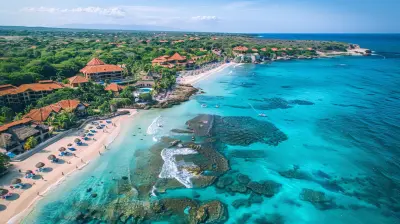
all images in this post were generated using AI tools
Category:
Travel ChecklistsAuthor:

Reed McFadden
Discussion
rate this article
2 comments
Lindsey Good
Embrace the adventure of eco-friendly travel in 2026! Each step you take as a conscious explorer makes a difference. From choosing sustainable accommodations to supporting local communities, your choices matter. Let's protect our planet while discovering its beauty together. Happy travels and keep exploring with purpose!
October 10, 2026 at 4:43 AM
Harlow Clark
Exploring the world while caring for it is an adventure like no other. Your choices matter, and every small step towards sustainable travel helps protect our planet. Let's embark on this journey together and make a positive impact for future generations!
September 13, 2026 at 4:02 PM
Reed McFadden
Absolutely! Every mindful choice we make can lead to a better future. Together, let's make our travels count for the planet.