Design Innovations Transforming Luxury Resorts by 2026
18 April 2026
Picture this: you arrive at your luxury resort, but instead of a grand, echoing lobby, you’re greeted by a serene, living garden that seems to know your name. Your room doesn’t just have a view—it is the view, with walls that dissolve into the landscape. The concierge isn’t a person but a gentle, ambient intelligence that anticipates your desire for a sunset yoga session before you even think it. Sounds like science fiction? Think again. By 2026, the very blueprint of luxury hospitality is being redrawn, not with pencil and paper, but with AI, biomimicry, and a profound new understanding of what it means to truly escape.
Gone are the days when ‘luxury’ meant merely marble floors and a pillow menu (though, let’s be honest, a great pillow menu is still a beautiful thing). The future is about personalized ecosystems, invisible technology, and regenerative design that doesn’t just take from a destination but actively improves it. It’s a shift from opulent stuff to profound experience. So, pack your curiosity instead of your suitcase for a moment, and let’s take a virtual tour of the design innovations that will redefine your next getaway.
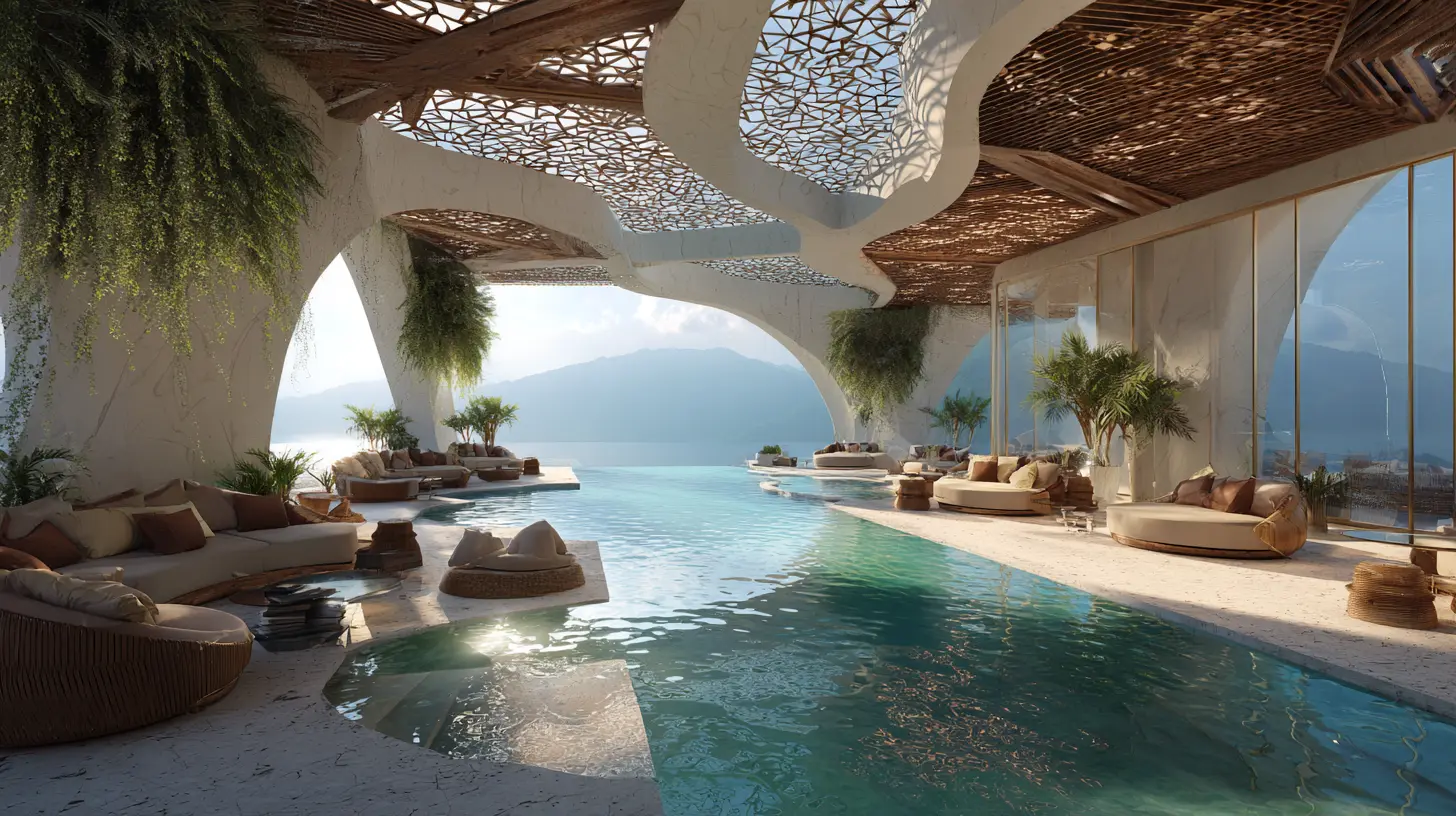
The Seamless Symphony: When Tech Becomes Ambience
Remember the clunky hotel room TV you could never figure out? Or the dozen light switches for a single lamp? The luxury resort of 2026 laughs in the face of such friction. The biggest tech innovation will be its invisibility.Ambient Intelligence & The Anticipatory Suite
Imagine walking into your suite. The environment has already tuned itself to you. The temperature is set to your preferred 21.5°C, learned from your previous stays within the resort group’s global network. The lighting subtly shifts to a warm, golden hue, mirroring the actual sunset outside, because the room knows you find it calming after travel. Your preferred acoustic playlist—a blend of low-fi and ocean waves—breathes softly from concealed speakers. This isn’t a smart room; it’s an intuitive partner. It uses a combination of secure, privacy-first sensors and your own voluntary preferences to create a living space that feels psychically attuned to your needs. No screens, no remotes, just a space that feels right.Hyper-Personalization Through Spatial Computing
Augmented Reality (AR) and spatial computing will move beyond gimmicky apps. Your sunglasses or lightweight resort-provided lenses could become your personal guide. Look at a piece of art in the hallway, and see the artist’s story unfold. Glance at the restaurant menu, and see personalized recommendations based on your dietary preferences and what you ate for lunch. Fancy a walk? A gentle, glowing path only you can see could guide you on a secret trail to a hidden cliffside perch for meditation. The physical resort becomes a canvas, and your experience is the unique artwork painted upon it.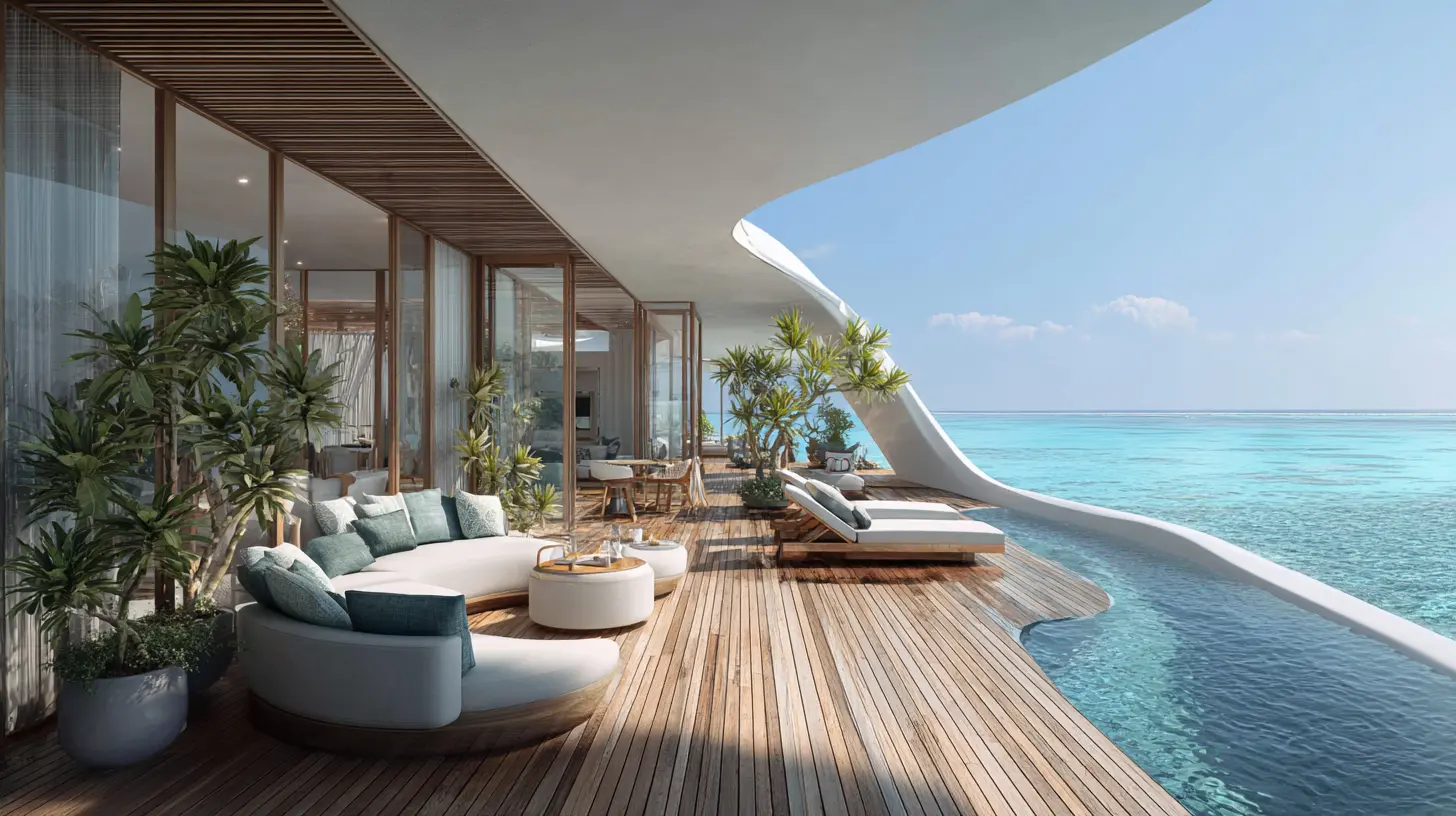
Biophilic Design 2.0: Not Just Plants, But Living Architecture
We’ve all seen the “plant wall” in a hotel lobby. Biophilic Design 2.0 goes so much further. It’s the philosophy that we aren’t just looking at nature; we are immersed in a symbiotic relationship with it. The building itself breathes, grows, and responds.Structures That Breathe and Adapt
Facades will become dynamic. Imagine a wall made of living algae panels that not only provide a mesmerizing, ever-moving green display but also actively clean the air and generate bio-energy for the resort. Roofs and terraces will be productive landscapes—not just gardens, but thriving ecosystems that supply the resort’s kitchens with herbs, vegetables, and even honey from on-site apiaries. The line between the built environment and the natural one will dissolve with retractable geodesic domes that allow a rainforest lounge to be open-air by day and a cozy, enclosed star-gazing observatory by night.Sensory Sanctuaries & Elemental Integration
Design will cater to all senses in a deeply natural way. Water features won’t just be decorative fountains; they’ll be integrated into the architecture for natural cooling, their sound engineered for acoustic comfort. Air quality will be a premium feature, with ventilation systems that pull in scented, forest-filtered air. Materials will be tactile and authentic: cool, polished river stones in the shower, warm, reclaimed timber underfoot, textiles dyed with local botanicals. Your room won’t just have a balcony; it might have a “sky garden” terrarium or an outdoor bath naturally screened by fragrant, flowering vines. It’s luxury that feels fundamentally alive.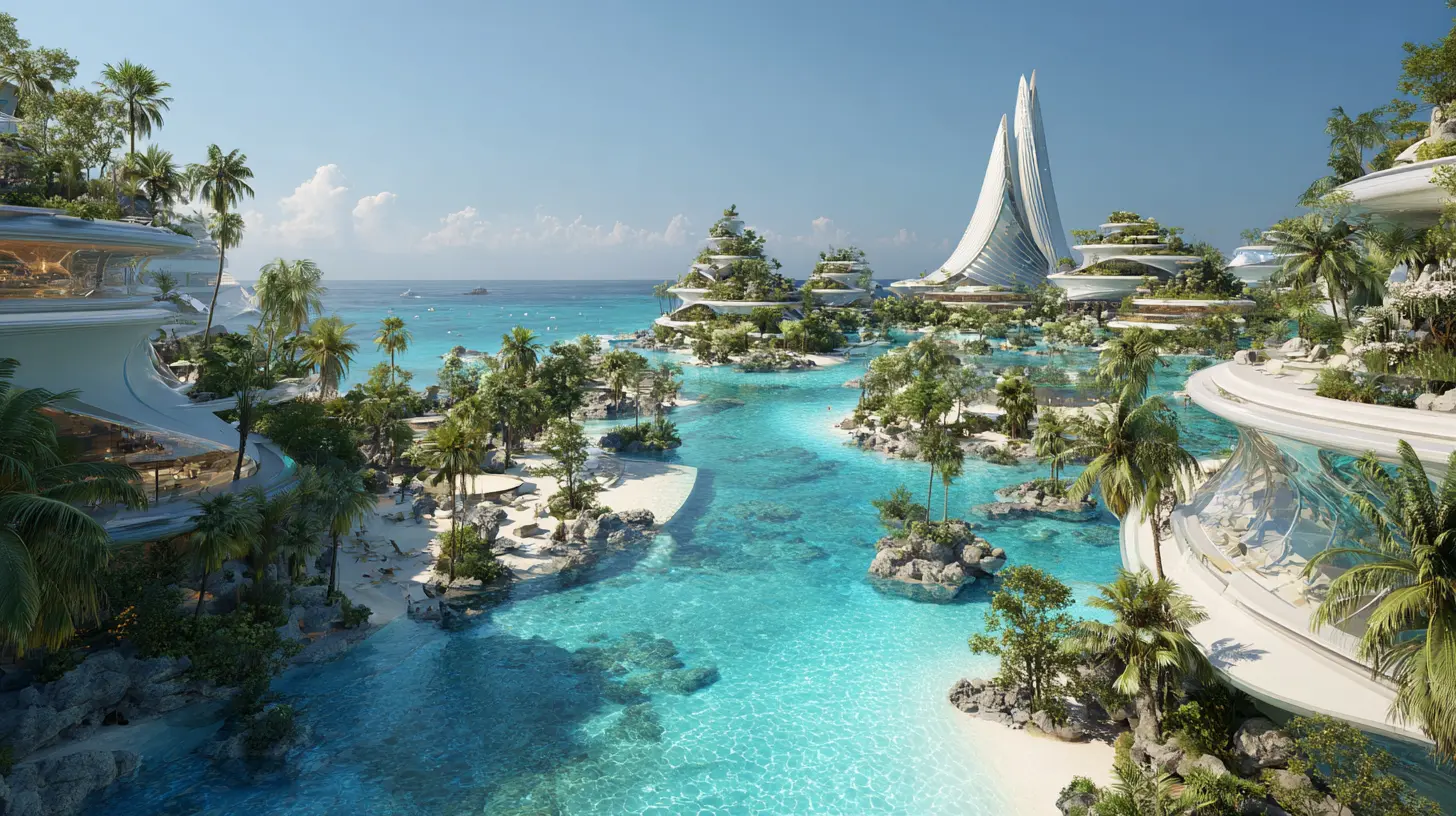
The Regenerative Resort: Luxury That Leaves a Positive Footprint
This is perhaps the most profound shift. The future luxury resort isn’t just “sustainable” (which often means doing less harm). It is regenerative—it actively improves its local environment and community. Your stay contributes to a net positive.Closed-Loop Systems & Zero-Waste Operations
By 2026, leading resorts will aim for true circularity. Food waste will be composted to fuel the gardens that grow more food. Greywater will be treated and reused for irrigation. Building materials will be locally sourced, recycled, or even grown—think mycelium (mushroom) insulation or rapidly renewable bamboo structural elements. The resort’s energy will likely come from a hyper-local microgrid of solar, wind, and maybe even kinetic energy from footfall in busy areas. You’ll be able to track your stay’s positive impact through a simple dashboard in your room, turning abstract eco-concepts into a personal point of pride.Community-Centric & Cultural Catalysis
Luxury will be defined by access and authenticity, not exclusion. Resorts will be designed as cultural hubs that connect guests with local artisans, chefs, and storytellers in meaningful, non-extractive ways. Architecture might incorporate traditional building techniques revived by local craftspeople. The resort’s design will facilitate genuine exchange, perhaps through open workshops, community markets on the grounds, or guest participation in local conservation projects. The luxury is the depth of the connection, the feeling that you’ve not just visited a place, but touched its soul and contributed to its heartbeat.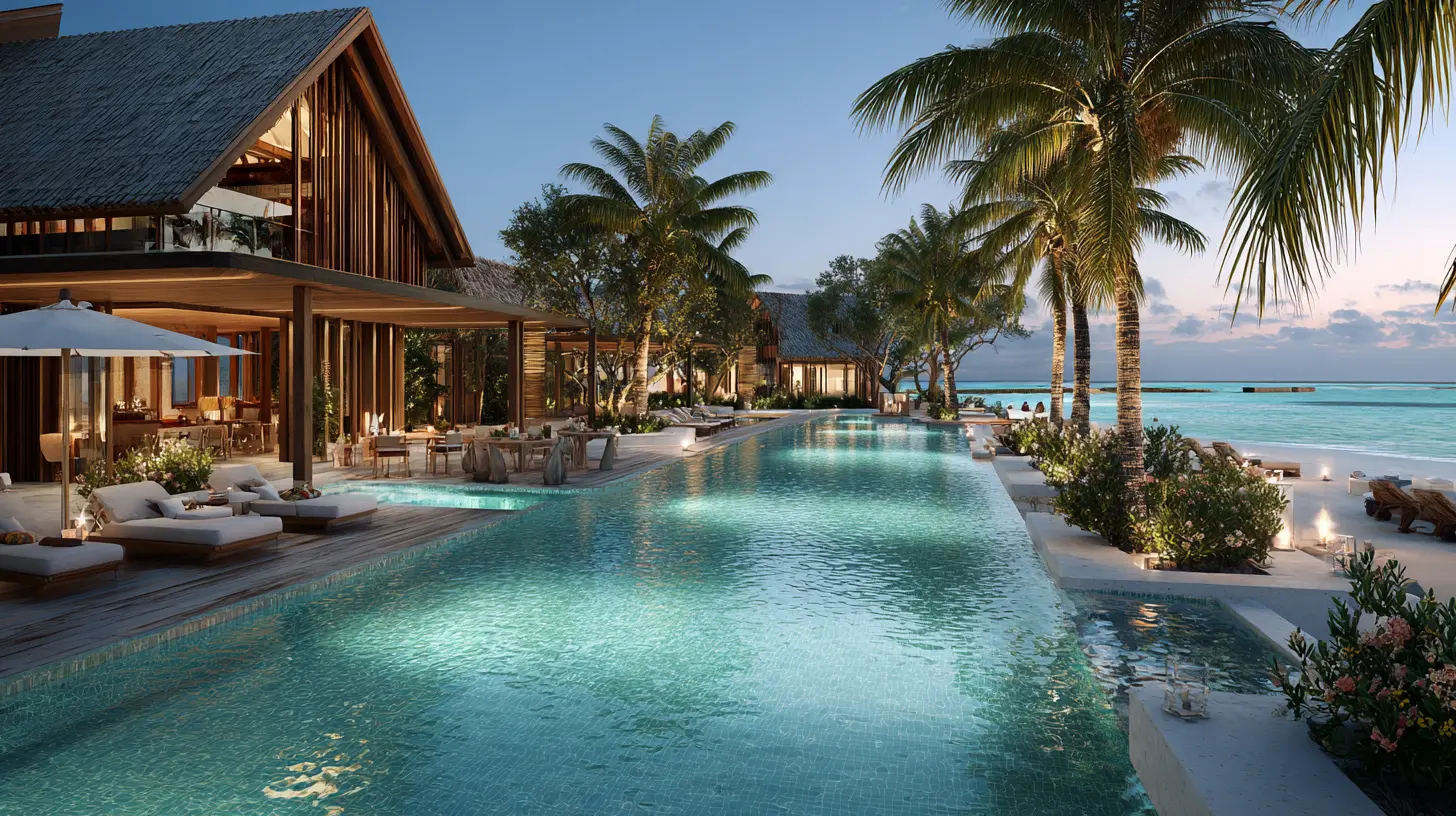
The New Social Blueprint: From Grand Lobbies to Micro-Communities
The sprawling, noisy lobby bar is evolving. Social spaces in 2026 will be more nuanced, designed for both connection and cherished solitude.Curated Social Pods & Transformative Spaces
Instead of one vast lobby, think of a series of “social pods”—intimate, differently themed spaces that cater to specific moods. A quiet library nook with a curated collection of local authors. A vibrant mixology lab where you can craft cocktails with a master bartender. A tech-detox fireplace circle for evening storytelling. These spaces will be adaptable by time of day, easily reconfigured for a morning yoga class, an afternoon co-working pop-up, or an evening acoustic set. The design will facilitate serendipitous connection for those who seek it, while offering clear, respectful pathways to privacy for those who don’t.The Ultra-Private Sanctuary Within the Resort
On the flip side, the demand for absolute privacy will birth the “resort-within-a-resort” concept. Think of ultra-exclusive, self-contained villas or wings with their own private access, pools, and dedicated service teams. They might feature advanced acoustic cloaking—using soundwave cancellation technology to ensure absolute auditory privacy. The design will create a powerful psychological sense of seclusion, even within a larger, vibrant property. It’s the ultimate luxury: the choice to be gloriously, utterly alone.Conclusion: The Destination is You
So, what does all this mean for you, the traveler? It means that by 2026, booking a luxury resort will be less about choosing a location and more about choosing a version of yourself for a few days. Do you want to be the curious explorer, interacting with a responsive, augmented environment? The mindful rejuvenator, symbiotically wrapped in a living, breathing sanctuary? The conscious contributor, whose rest directly fuels regeneration?The innovations transforming luxury resorts are ultimately in service of a single goal: hyper-contextual, deeply personal well-being. The bricks, mortar, data, and greenery are all just tools to craft an experience that feels uniquely, perfectly tailored to you. The future of luxury isn’t just in the specs of the tech or the rarity of the materials; it’s in the feeling of effortless belonging, the joy of discovery, and the profound peace that comes from a space that understands you—sometimes even better than you understand yourself. The next chapter of travel isn’t just on the horizon; it’s being designed right now. And trust me, you’re going to want to check in.
all images in this post were generated using AI tools
Category:
Luxury ResortsAuthor:

Reed McFadden
Discussion
rate this article
2 comments
Joy Jacobs
Exciting to see how design will enhance luxury resorts and guest experiences in the coming years.
May 3, 2026 at 2:52 PM
Reed McFadden
Absolutely! Design will play a crucial role in redefining luxury and creating unforgettable experiences for guests. Exciting times ahead!
Finley McTier
What an exciting glimpse into the future of luxury resorts! The innovative designs highlighted in this article showcase a perfect blend of sustainability and opulence. I can’t wait to experience these transformations firsthand by 2026. Keep up the great work sharing these insights!
April 23, 2026 at 3:38 PM
Reed McFadden
Thanks for your enthusiasm! I'm glad you found the designs inspiring. Exciting times ahead for luxury resorts!