Cultural Sensitivity During Home Stays: Respecting Local Families
16 March 2026
So, you’re planning a home stay during your next trip? That’s awesome! Home stays aren’t just a place to rest your head at night—they’re a window into another culture, a chance to live like a local, and often, the most memorable part of your journey. But with this incredible opportunity comes a certain responsibility, especially when it comes to cultural sensitivity.
Let’s face it—you're not just booking a room. You’re stepping into someone’s actual home, their daily life, and their deeply rooted traditions. That’s sacred. So let’s talk about how to show up with respect, humility, and awareness. This isn't about being perfect—it's about being kind, open-minded, and genuinely curious.
What Is Cultural Sensitivity Anyway?
Cultural sensitivity is all about being aware that cultural differences exist, understanding that they matter, and adjusting your behavior so you don’t unintentionally offend someone. It means realizing that the way things are done in your country might not fly in someone else’s home.Imagine walking into someone’s house and unknowingly committing a big faux pas—like putting your feet on the furniture or walking inside with muddy shoes. It might seem harmless to you, but it could be deeply disrespectful to your host.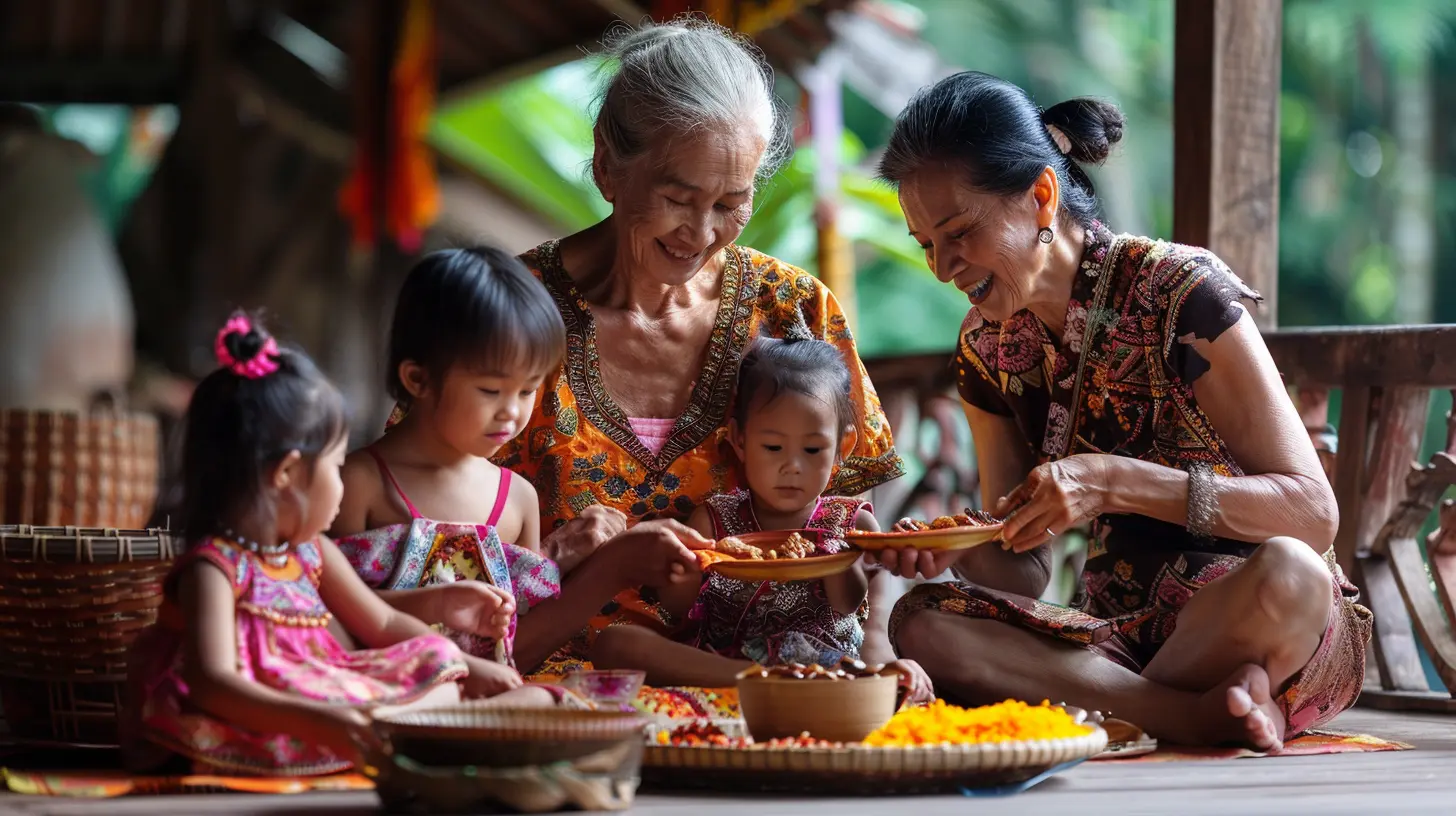
Why Cultural Sensitivity Matters in Home Stays
When you stay in a hotel, you’re a guest of a business. But during a home stay, you’re a guest of a family. Their home isn’t a commercial space—it’s where they live, relax, and share meaningful moments. That’s a big difference.Respecting local norms makes your travel experience richer, deeper, and more authentic. It helps build meaningful connections instead of creating awkward barriers. Plus, it shows gratitude for the hospitality they’re offering—you’re not just renting a room, you’re sharing space, meals, and often stories.
Before You Arrive: Do Your Homework
The best way to avoid awkward moments? Learn about the culture before you get there. A quick Google search can save you from major embarrassment.Know the Basics
- Is it customary to remove shoes indoors?- Are there gender norms you should be aware of?
- How do people greet each other?
- What’s considered polite—or rude—at the dinner table?
You don’t need to have a PhD in anthropology, just a little awareness. If you're heading to Thailand, for example, knowing that touching someone’s head is a no-no can really help. In Japan, slurping noodles is perfectly acceptable. In India, eating with your left hand might raise eyebrows. These little things matter.
Communication: The Bridge Between Cultures
You don’t have to speak the local language fluently, but trying to say a few words—like “hello,” “thank you,” and “goodbye”—can go a long way. It shows respect for the culture and a willingness to connect.Watch Your Tone and Body Language
Even if you’re saying the right words, your tone and gestures can send a different message. Avoid raising your voice (even if you’re excited), pointing fingers, or acting overly animated until you get a sense of how expressive the local culture is. What might seem friendly at home might come across as intrusive somewhere else.Dress Respectfully
When packing for a trip that includes a home stay, think about modesty—not fashion trends. What’s considered appropriate in your country might be too revealing or flashy in another.In conservative cultures, covering your shoulders, wearing longer skirts or pants, and avoiding overly tight clothes is often a good rule of thumb. If you’re not sure, ask your host. Better yet, err on the side of caution until you know what’s acceptable.
Mealtime Manners Matter More Than You Think
Meals are often a central part of a home stay. They’re not just about food—they’re about family, tradition, and hospitality.Dos and Don’ts at the Table
- Do wait for your host to start eating.- Don’t refuse food too quickly—it might seem rude.
- Do compliment the cooking. Even a simple “This is delicious!” can mean the world.
- Don’t take more than you’ll eat. Wasting food is disrespectful in many cultures.
If you have dietary restrictions or allergies, let your host know kindly and clearly in advance. Don’t just push food aside on your plate—that can send the wrong message.
Respect Personal Space and Privacy
Remember, you’re staying in someone’s home. That means there will be areas off-limits, family routines to respect, and dynamics that have developed over years.Be Observant
Watch how family members interact. Is the common space used for quiet time? Di they remove their shoes at the door? Where do they eat, relax, or pray? Every household has its own rhythm and unwritten rules—so pay attention.If you’re unsure about something, just ask. Most hosts will appreciate your honesty and your effort to be respectful.
Show Genuine Interest (But Mind Your Curiosity)
Asking questions about local customs, holidays, or daily life is a great way to bond with your host family. People usually love sharing their culture with someone who’s genuinely interested.But steer clear of overly personal or politically sensitive questions—especially early on. Think of it like any new friendship: you don’t go straight into heavy topics until you’ve built trust.
Be an Active Participant
Home stays aren’t passive experiences—you get out what you put in. Offer to help clear the table, join in local traditions or chores, or share a bit about your own culture in return.Did they invite you to a local celebration? Go! Even if you’re not sure what’s going on, showing up with an open heart creates meaningful exchanges. These are the moments you’ll remember most.
Gifts and Gestures of Thanks
Want to really show your appreciation? A small gift from your home country can be a thoughtful gesture. It doesn’t have to be expensive—a locally made item, a postcard, or something meaningful from your hometown is perfect.Even a handwritten thank-you note at the end of your stay can leave a lasting impression and show just how grateful you are.
Handle Cultural Missteps with Grace
Let’s be real—we all mess up. Maybe you forget to take off your shoes or accidentally say something inappropriate. It happens.The key is humility. Apologize sincerely, laugh it off if it’s light-hearted, and show that you’re learning. Most hosts are kind and understanding—they know you’re new to their culture. It’s your attitude that counts most.
Leaving with Gratitude
When it’s time to say goodbye, express your thanks openly and warmly. Maybe take a few photos together (if they’re comfortable with it), leave a note, or even keep in touch.These connections often turn into lifelong friendships, and that’s one of the most beautiful things about travel.
Final Thoughts: It's Not About You. It's About Respect.
At the heart of cultural sensitivity is the understanding that you’re a guest—not just in someone’s house, but in their world. Respect begins when we let go of assumptions, stay curious, and do our best to adapt instead of expecting others to cater to us.Treat the experience like you would treating someone else's sacred space—with care, kindness, and quiet appreciation. It’s not about doing everything right, but about showing up with open eyes and an open heart.
Travel is about connection—and cultural sensitivity is the bridge that makes those connections real.
all images in this post were generated using AI tools
Category:
Cultural EtiquetteAuthor:

Reed McFadden
Discussion
rate this article
2 comments
Bianca Stewart
Cultural sensitivity is paramount during home stays. Travelers should prioritize understanding local customs, traditions, and etiquette to foster respectful interactions with host families. Simple gestures, like learning basic phrases in the local language and being mindful of cultural practices, can enhance the experience for everyone involved.
April 10, 2026 at 4:55 AM
Reed McFadden
Absolutely agree. A little effort in understanding local customs goes a long way in building meaningful connections and enriching the home stay experience.
Soryn Wells
Embrace local customs to enrich your experience.
March 29, 2026 at 3:37 AM
Reed McFadden
Absolutely! Embracing local customs enhances understanding and fosters respectful connections with host families.