Cultural Collisions: Discovering UNESCO’s Multicultural Landmarks
27 May 2026
When we think of travel, most of us dream about ticking off world wonders or sipping cocktails at exotic beaches. But let’s be real—there's something way deeper and more transformative about seeing cultures collide, fuse, and evolve in unexpected ways. And guess what? UNESCO’s list of multicultural landmarks is the ultimate passport to experiencing that firsthand.
These are places where different civilizations have met—sometimes peacefully, sometimes not so much—but each time leaving behind layers of culture that speak louder than any history book ever could. Think East meets West, ancient meets modern, Islamic arches rubbing shoulders with Renaissance domes. Intrigued? You should be.
So buckle up! We're about to dive into the vibrant, messy, beautiful world of multicultural UNESCO landmarks. Get ready to fall in love with humanity’s greatest mashups.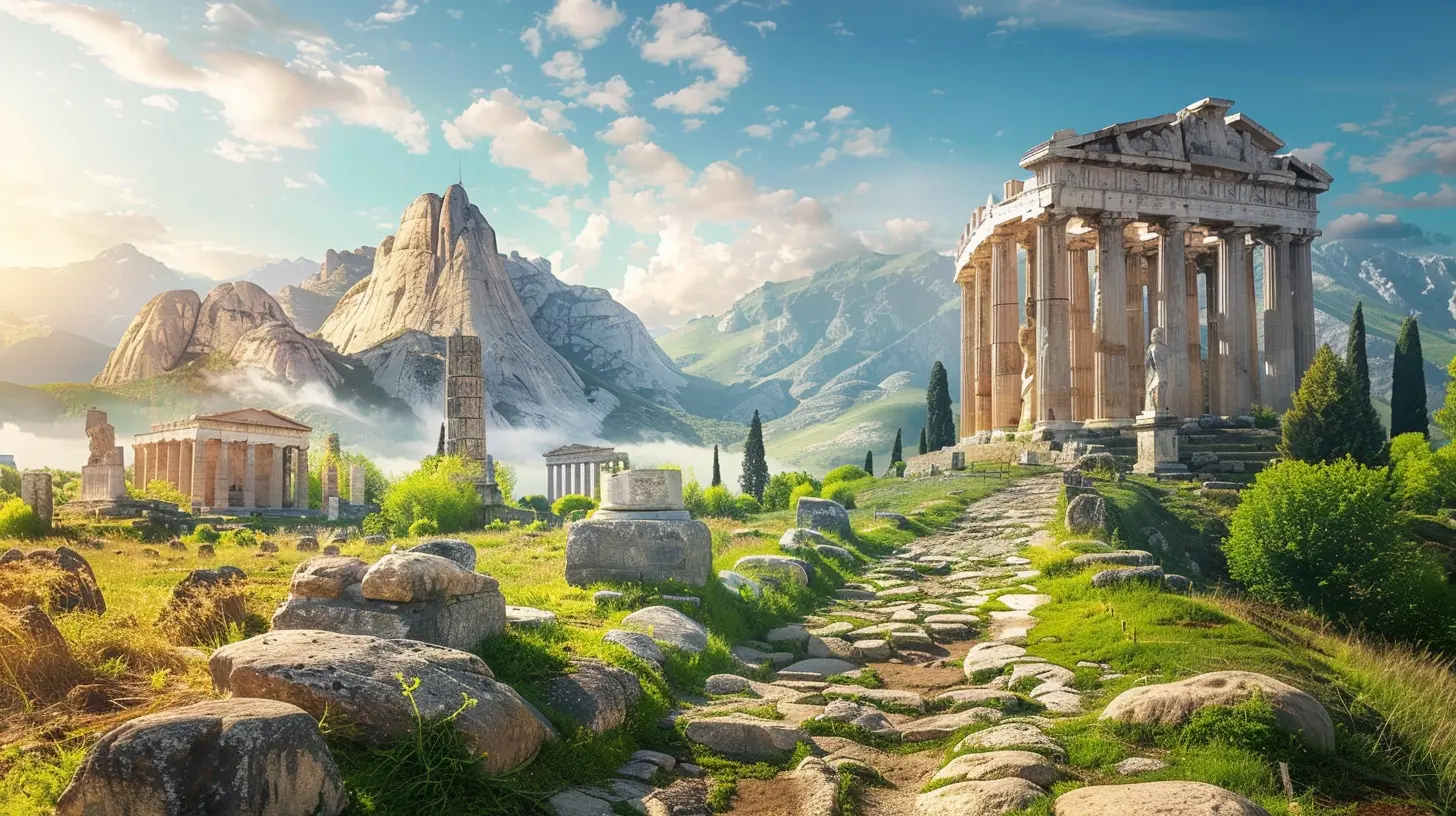
What Does It Mean to Be a UNESCO Multicultural Landmark?
Before we hit the road (figuratively), let’s get one thing straight: what exactly puts a place on the UNESCO World Heritage List?UNESCO recognizes sites that have "outstanding universal value." That can be cultural, natural, or a mix of both. But when it comes to multicultural landmarks—these are the places where diverse cultures have merged together over centuries. They’re time capsules of coexistence, cooperation, and sometimes conflict. In other words, they tell multi-dimensional stories.
Let’s unpack that with actual examples.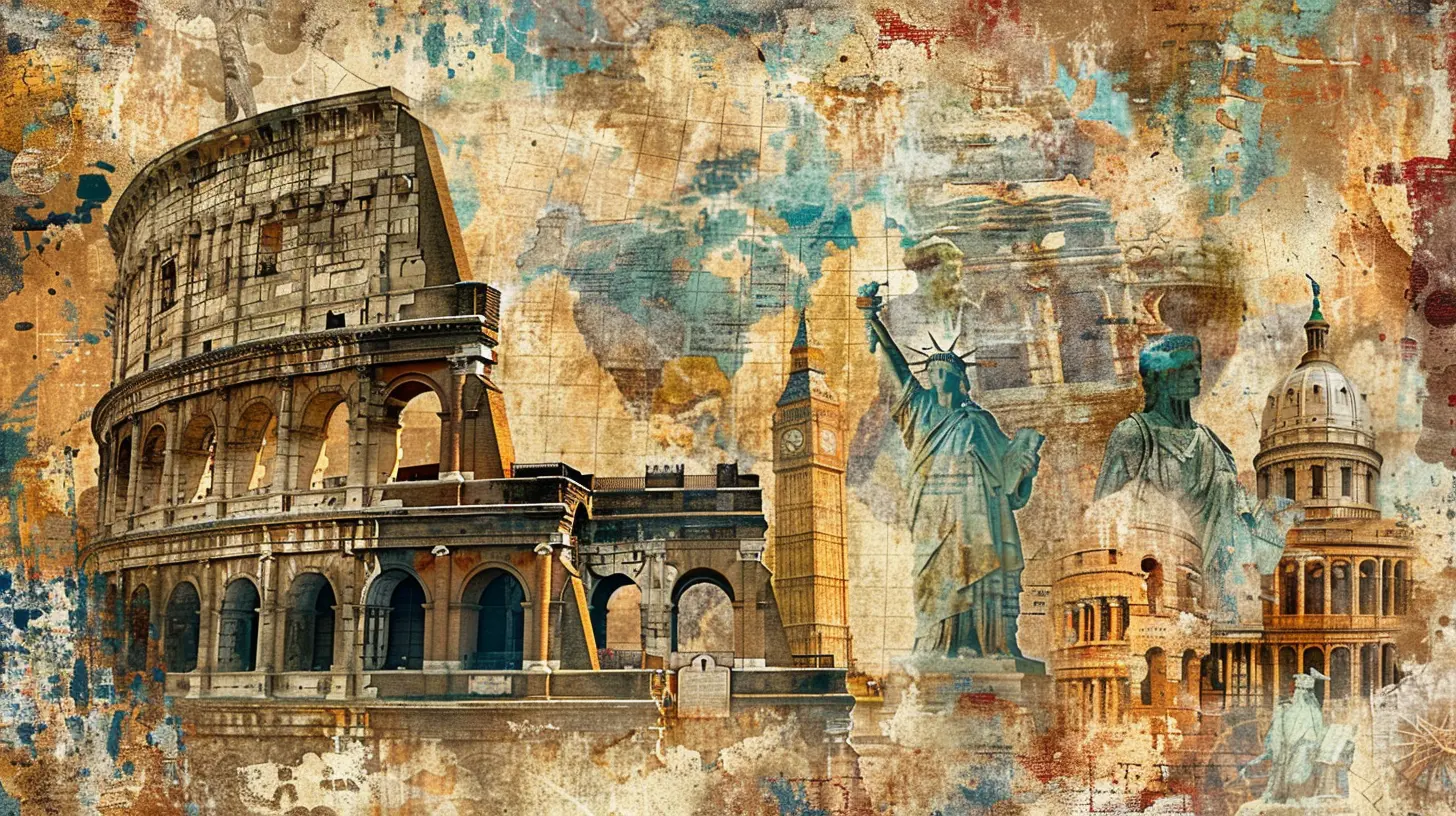
The Historic Centre of Córdoba, Spain: Where Moorish Meets Christian
Ever walked into a building and felt like it couldn’t decide whether to be a mosque or a cathedral? That’s Córdoba’s Mezquita for you.Why It’s Amazing:
Originally a mosque built during the Islamic rule in Spain, the Mezquita was later converted into a cathedral after the Christian reconquest. But here's the kicker: instead of tearing it all down, the new rulers preserved the Islamic architecture and built a Gothic nave right in the middle of the mosque.
The Vibes:
You’re walking on patterned Islamic tiles, craning your neck under horseshoe arches, and then—boom!—you’re staring at a golden altar surrounded by Christian saints. Talk about a spiritual 180!
What It Teaches Us:
Córdoba is a live-action reminder that culture doesn’t need to cancel itself out. It can layer up and become even more powerful.
The City of Jerusalem: A Sacred Mosaic
Jerusalem is probably the most controversial and spiritually significant city on Earth. And for good reason.Holy to Three Religions:
It’s sacred to Jews, Christians, and Muslims. Walk a mile, and you’ll pass the Western Wall, the Church of the Holy Sepulchre, and the Al-Aqsa Mosque. All shoulder to shoulder, all drenched in history.
A City of Contrasts:
You’ll see Orthodox Jewish kids playing near Muslim families and Christian pilgrims lighting candles inside ancient churches. It’s complicated, yes—but also fascinating.
The Cultural Collision?:
Jerusalem doesn’t just blend cultures—it holds them in tight tension. And that’s what makes visiting feel so surreal. It’s like being in three worlds at once.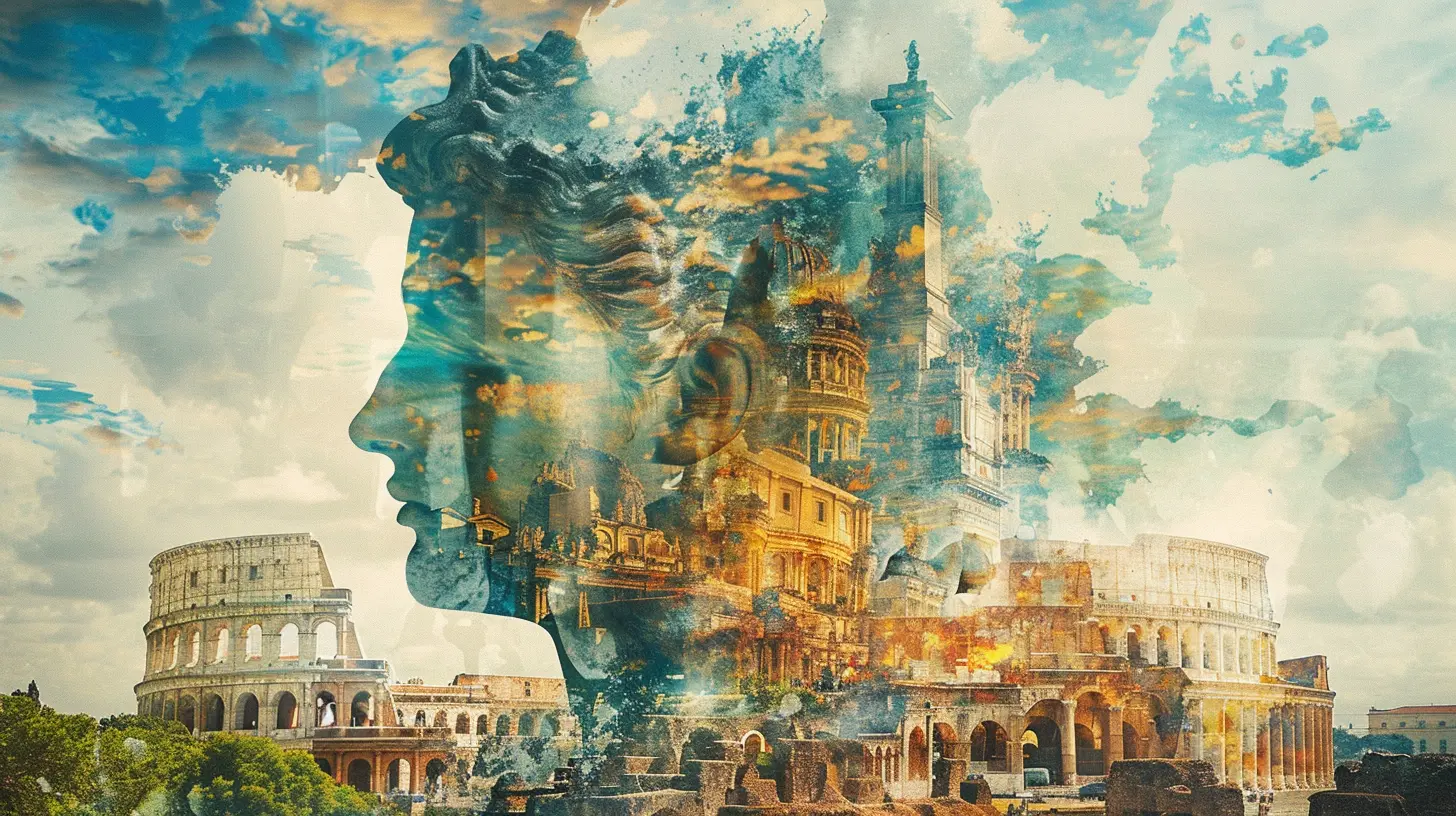
The Historic Centre of Istanbul, Turkey: Byzantium, Constantinople, and Beyond
If cities could talk, Istanbul would never shut up. It’s been the capital of the Roman, Byzantine, and Ottoman Empires—and every empire left a juicy chapter behind.One City, Two Continents:
Literally split between Europe and Asia, Istanbul is a metaphor for bridge-building. The Bosphorus Strait cuts it in two, but the culture seamlessly spans both sides.
A Walk Through History:
Visit Hagia Sophia and you’ll see Christian mosaics peeking out from beneath Islamic calligraphy. The building shifted from church to mosque to museum, then back to a mosque again. Layers on layers.
Food for Thought:
Even Turkish cuisine is a blend—from Greek-style dolmas to Arab-influenced kebabs, it’s like a buffet of cultures in every bite.
Melaka and George Town, Malaysia: Colonial Mash-Up with Spice
Tucked in tropical Malaysia, these two cities are underrated gems dripping with multicultural vibes.Who Passed Through?
The Portuguese, Dutch, British, Chinese, Indian, and Malay people all left their fingerprints here over the centuries.
Architecture Speaks Volumes:
Imagine European colonial buildings painted in pastel shades, lined with Chinese lanterns, and sitting beside Hindu temples and Islamic mosques. It’s wild in the best way.
Bonus:
The street food is next level. Try Nyonya cuisine—a spicy mix of Chinese, Malay, and Indonesian flavors—and you’ll taste history in every bite.
The Medina of Fez, Morocco: An Ancient Crossroads
Welcome to the world’s largest car-free urban area. The Fez medina is a labyrinth of narrow alleys, bustling souks, and ancient schools called madrasas.Cultural Layer Cake:
Founded in the 9th century, Fez drew scholars, artisans, and traders from across North Africa, the Middle East, and Europe.
What Makes It Multicultural?
There’s a Jewish quarter (called the Mellah), Arab-Andalusian architecture, Berber traditions, and French colonial shadows overlaying it all. It’s a time machine.
What You'll Feel:
Fez doesn’t just show you history—it overwhelms you with it. It’s chaotic, sensory, and utterly unforgettable.
The Bamiyan Valley, Afghanistan: Beauty and Tragedy
Once home to towering Buddha statues carved into cliffs, the Bamiyan Valley was a unique Buddhist site in a mostly Islamic region.Why It Was Unique:
The region was a melting pot of Indo-Greek, Persian, and Central Asian cultures. The art and architecture reflected this wild mix.
The Tragic Twist:
In 2001, the Taliban blew up the Buddhas. But even in ruins, the site speaks volumes. It’s a haunting symbol of both cultural fusion and the devastating cost of intolerance.
Takeaway:
Sometimes cultural landmarks aren’t just about celebration—they’re also about remembering what was lost.
The Island of Gorée, Senegal: Painful Pasts, Shared Futures
Not all multicultural sites are beautiful in the traditional sense—some carry the weight of suffering.Historical Context:
Gorée was a major hub in the trans-Atlantic slave trade. The infamous "Door of No Return" is where countless Africans were taken, never to return.
The Collision Concept:
Here, African, European, and American histories collided with brutal force. The architecture is colonial, the museums are African, and the pain is universal.
Why Visit?:
Not to snap selfies, but to understand. Gorée forces you to confront a shared human heritage—one that's uncomfortable but necessary.
Petra, Jordan: Arabian, Nabataean, and Roman Beauty
This rose-red city cut into cliffs isn’t just photogenic—it’s deeply multicultural.Who Built It?:
The Nabataeans, an ancient Arab people, who were influenced by Hellenistic, Roman, and Egyptian cultures.
Architecture Tells All:
Petra’s Treasury has classical Greek elements but also local Arabian designs. The city has tombs, temples, and water systems that show cultural borrowing in action.
Modern Day Relevance:
Petra reminds us that cultural exchange can spark innovation—and leave behind jaw-dropping legacies.
Why These Cultural Collisions Matter
You might be wondering, “Why should I care about all this?”Well, let’s just say in a world increasingly divided by borders, ideologies, and misunderstandings, these multicultural landmarks are physical proof that blending cultures isn't just possible—it’s often beautiful. They show us that human creativity thrives at intersections.
We’re talking about real places where diversity wasn’t just accepted—it was celebrated, even when things got messy. And isn’t that the kind of world most of us want?
Tips for Visiting UNESCO’s Multicultural Landmarks
Alright globe-trotter, now that your wanderlust is officially triggered, here are a few tips to make your journey more meaningful:- Do Your Homework: Learn the backstory. A place hits different when you understand its cultural mash-ups.
- Respect Local Customs: You’re walking into someone else’s cultural home. Be cool about it.
- Talk to Locals: Ask questions. Their stories add life to the ruins and relics.
- Go Beyond the Surface: Don’t just take pics. Soak in the complexity. Feel the tension and harmony.
- Eat the Food: Seriously, the kitchen is where cultures collide most deliciously.
Final Thoughts: Let’s Keep Telling These Stories
Multicultural landmarks are more than just Insta-worthy backdrops. They’re emotional museums, architectural love letters, and sometimes painful reminders of our shared human journey.By visiting, learning about, and honoring these places, we become better citizens of the world. Because at the end of the day, cultural collisions aren’t explosions—they’re the sparks that light up our collective humanity.
So, next time you're planning a trip, think beyond the bucket list. Go where the cultures meet—and let them change you.
all images in this post were generated using AI tools
Category:
World Heritage SitesAuthor:

Reed McFadden
Discussion
rate this article
1 comments
Vito McClendon
What an intriguing perspective on UNESCO's sites! I wonder how these cultural collisions shape local identities and traditions over time.
June 15, 2026 at 4:49 PM
Reed McFadden
Thanks for your comment! These collisions definitely create dynamic interactions that can reshape identities and enrich traditions in unexpected ways. It's fascinating to see how cultures influence each other through these landmarks.