Cruising the Blue Ridge Parkway in Fall 2026
15 April 2026
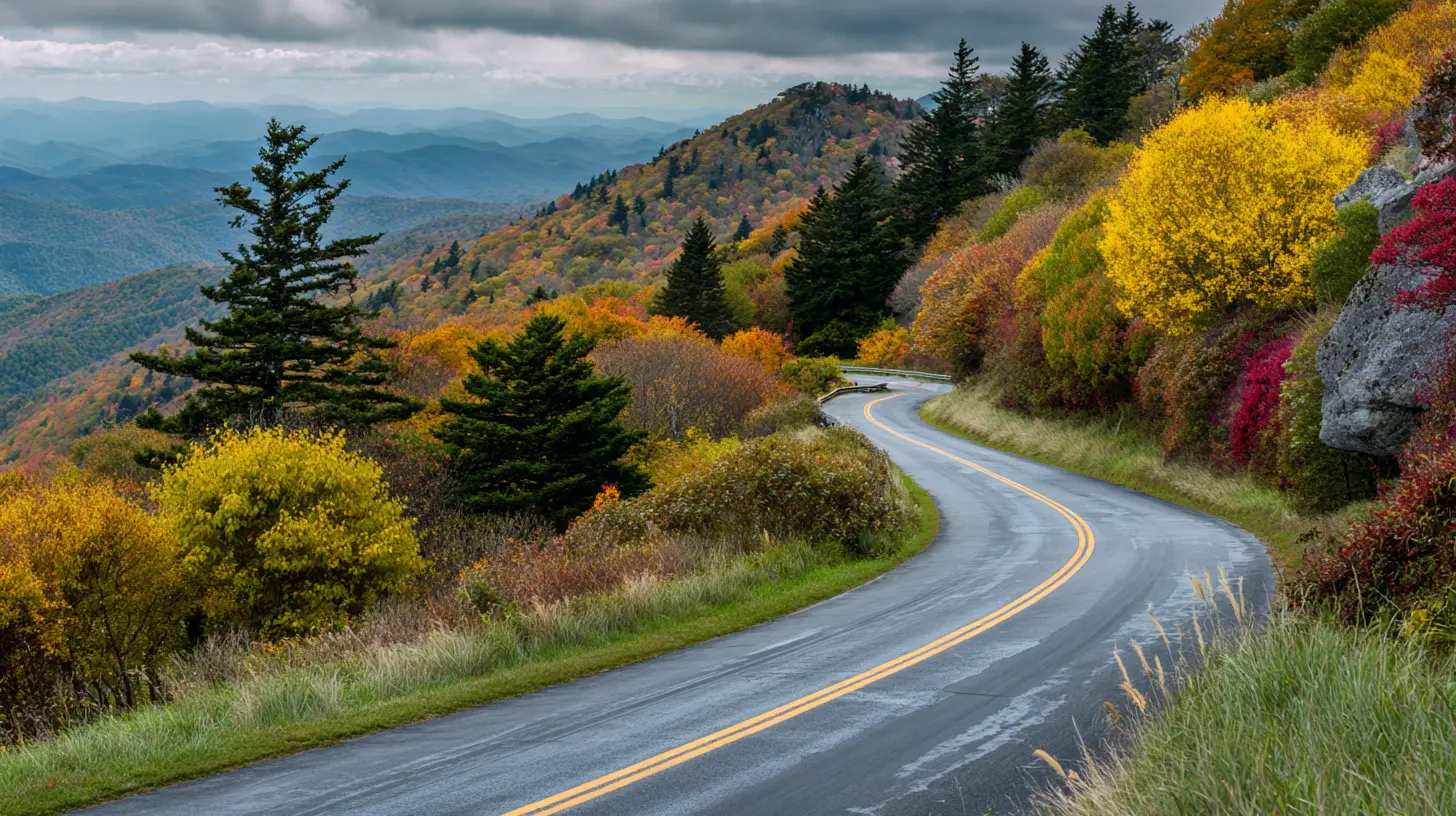
Let’s be honest: you’ve seen the pictures. A ribbon of asphalt curling through a firestorm of autumn color, mist clinging to ancient mountains, and the quiet promise of a scenic overlook just around the next bend. The Blue Ridge Parkway isn’t just a road; it’s a 469-mile-long moving meditation. And while it’s stunning any time of year, there’s something almost sacred about experiencing it in the fall. But 2026 isn’t just another autumn. It’s a specific moment in time, a unique convergence of planning, conditions, and opportunity. So, what does it take to craft the perfect Blue Ridge Parkway fall journey for 2026? Buckle up. We’re going beyond the postcard to build your definitive guide.
Why Fall 2026 is Your Year for the Parkway
You might be thinking, “Doesn’t the fall happen every year?” It does. But consider this: travel is evolving, and the lessons from recent years have made us more intentional. By 2026, the desire for immersive, self-paced, and profoundly beautiful domestic travel will have solidified. The Blue Ridge Parkway is the antidote to hurried, checklist tourism. It’s a slow-travel icon.Furthermore, planning now for 2026 gives you an almost unfair advantage. This isn’t a last-minute weekend jaunt. This is a pilgrimage you design with precision. You’ll secure the perfect lodgings at historic lodges or cozy cabins before they’re snapped up. You’ll understand the nuanced timing of the color change, which is more complex than a simple calendar date. Think of it like securing tickets to a legendary, months-long performance where the mountains themselves are the stage and the changing leaves are the cast. 2026 is your reserved front-row seat.
The Science and Art of Fall Color Timing
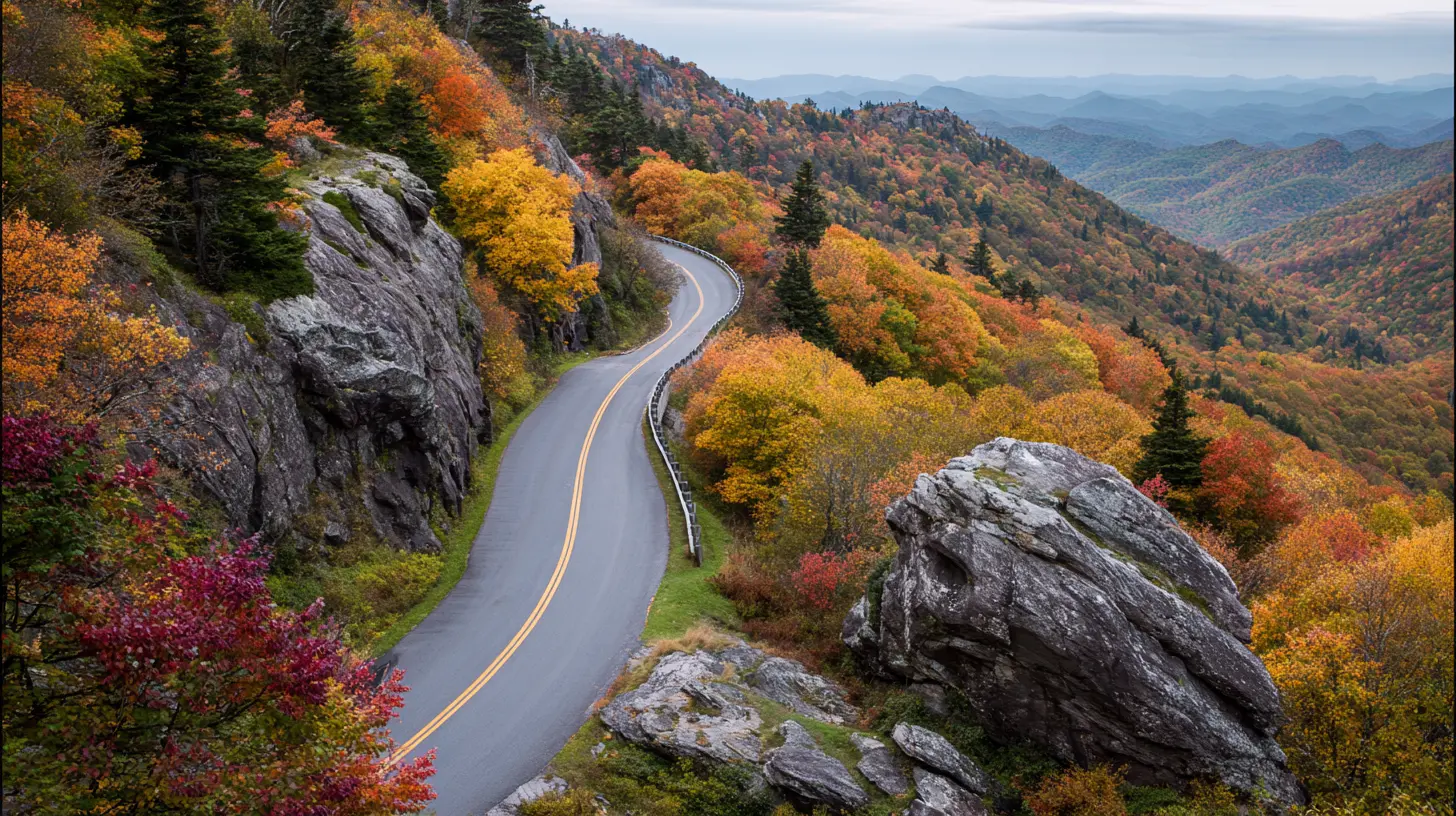
Here’s where we get specific. The famed “peak color” isn’t a single day or even a single week. It’s a wave. It’s a slow-motion blush that travels down the mountainsides and southward along the parkway. Predicting it for 2026 requires understanding the factors at play.Elevation is your primary dictator. The highest elevations near the parkway’s start in Virginia (around 6,000 feet near Waynesboro) can see color begin as early as late September. This color then cascades down to the lower valleys, typically reaching its most vibrant point at any given location over a 2-3 week period from early October through early November. Weather in the preceding months is the artist’s hand. A wet growing season followed by a dry, sunny autumn with cool, crisp (but not freezing) nights creates the most brilliant pigments—the scarlets, golds, and oranges that take your breath away.
For a Blue Ridge Parkway fall 2026 trip, your strategy should be fluid. Plan a longer trip, say 5-7 days, and be prepared to chase the peak. In late September to early October, focus on the high country of North Carolina and Virginia. By mid-to-late October, the show will be spectacular around Asheville and the central sections. Early November often brings a final, glorious curtain call to the lower elevations around the southern terminus.
Crafting Your 2026 Parkway Itinerary: North to South
Trying to drive the entire parkway in a fall weekend is like trying to drink from a firehose. It’s overwhelming and you’ll miss everything. The key is to choose a section. Let’s break down a classic, southbound journey optimized for mid-October 2026.Section 1: The Virginia Highlands (Milepost 0 - 169)
Starting near Waynesboro, VA, you’re immediately in the thick of it. The Blue Ridge Parkway here feels rugged and open.* Must-Stop: Humpback Rocks (Milepost 5.8). A short, steep hike rewards you with a 360-degree panorama that, in peak color, looks like a patchwork quilt woven by giants.
* Pro Tip: Near Milepost 85, detour to the iconic Mabry Mill. The historic water-powered mill framed by golden birch and red maple is arguably the most photographed spot on the entire parkway. Arrive at sunrise to have the scene mostly to yourself, with the mist rising off the pond.
* 2026 Consideration: Check for any potential restoration projects at historic sites. The National Park Service often schedules major work in the off-seasons, so a quick check in early 2026 will ensure your must-see spots are accessible.
Section 2: The Heart of the Color (Milepost 170 - 355)
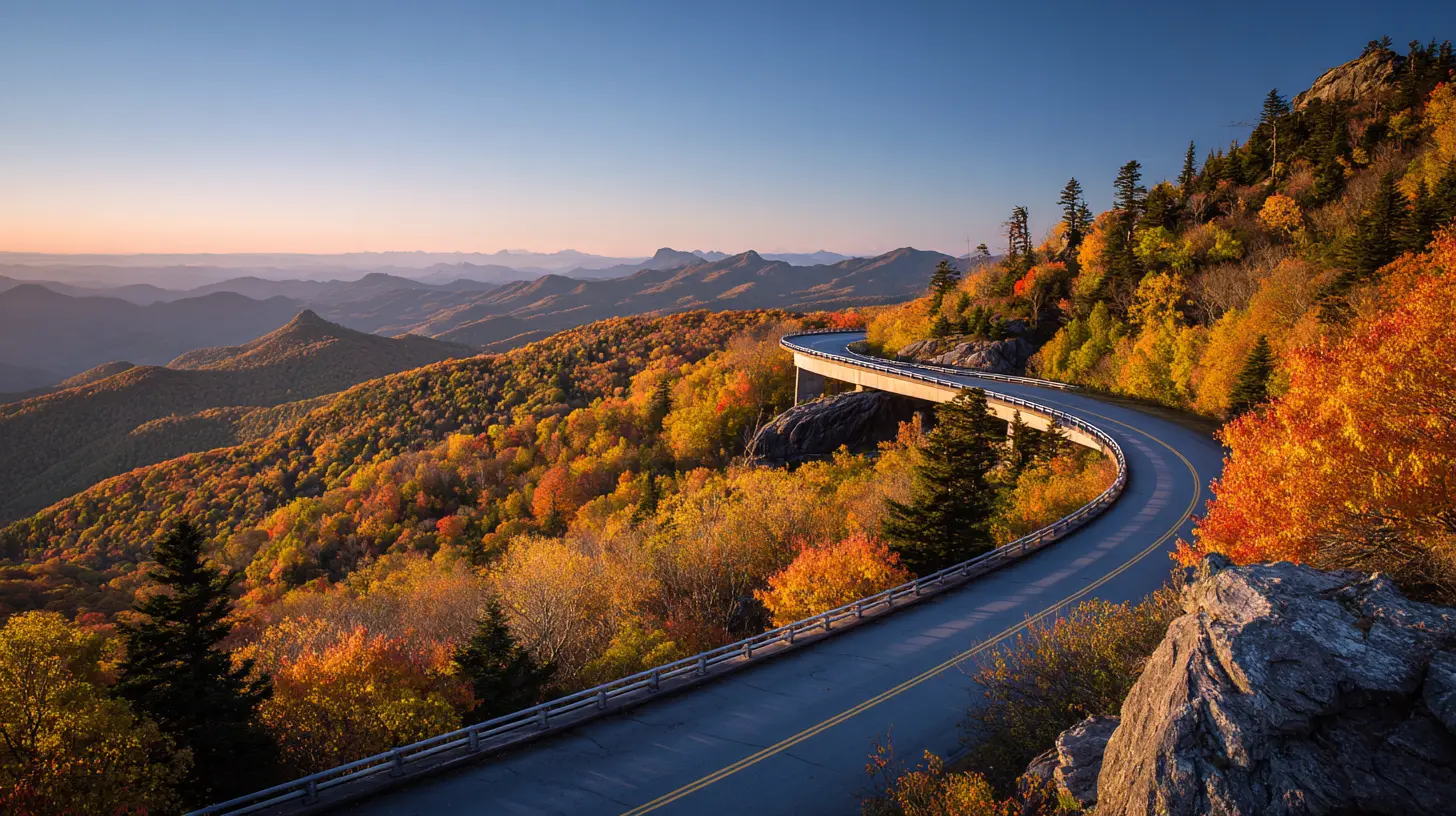
This is where the trip shifts into high gear. You’ll cross into North Carolina and the mountains feel grander, the tunnels more frequent, and the views more dramatic.* Must-Stop: Linn Cove Viaduct (Milepost 304). This engineering marvel curls around Grandfather Mountain. Driving across it feels like floating through the canopy. The visitor center below offers the iconic view of the snaking bridge set against a mountainside of color.
* Pro Tip: Linville Falls (Milepost 316). Park and take the hike to several overlooks. Watching the powerful falls churn through a gorge lined with flaming foliage is a humbling experience. It’s nature’s raw power and delicate beauty in one frame.
* Conversational Break: Ever wonder why the colors seem to glow? On a sunny day, the light passes through the translucent leaves, like stained glass in a cathedral built by time and geology. It’s a different quality of light than you’ll find anywhere else.
Section 3: The Asheville Approach & Southern Finale (Milepost 356 - 469)
The parkway begins to weave around the cultural hub of Asheville, offering access and breathtaking vistas before its quiet end.* Must-Stop: Mount Pisgah (Milepost 408.6). The hike to the summit is a rite of passage. On a clear fall day, you can see a seemingly endless sea of blue-hazed ridges painted with autumn’s palette. It’s the panoramic payoff.
Pro Tip: Use Asheville as a resupply and culture base, but stay in a smaller community like Little Switzerland or near the Blue Ridge Parkway itself to remain immersed. Book these 2026 lodgings now*.
* The Finale: The parkway ends by joining the Great Smoky Mountains National Park. Waterrock Knob (Milepost 451.2) offers a final, stunning overlook. Standing there, watching the sunset paint the sprawling colors, you’ll understand the journey’s quiet purpose.
Essential Planning for a 2026 Autumn Drive
This isn’t your average road trip. The parkway is a linear national park with limited services.* Fuel & Supplies: The parkway is not a highway. Gas stations are rare. Top off your tank in any major town you pass. Pack a cooler with water, snacks, and a picnic lunch. Those overlooks are your dining room.
* Lodging: This is your 2026 mission. Options range from the historic Peaks of Otter Lodge (VA) to the Pisgah Inn (NC), which clings to the mountainside. Cabins and B&Bs in gateway towns fill up over a year in advance for fall. Seriously, start looking.
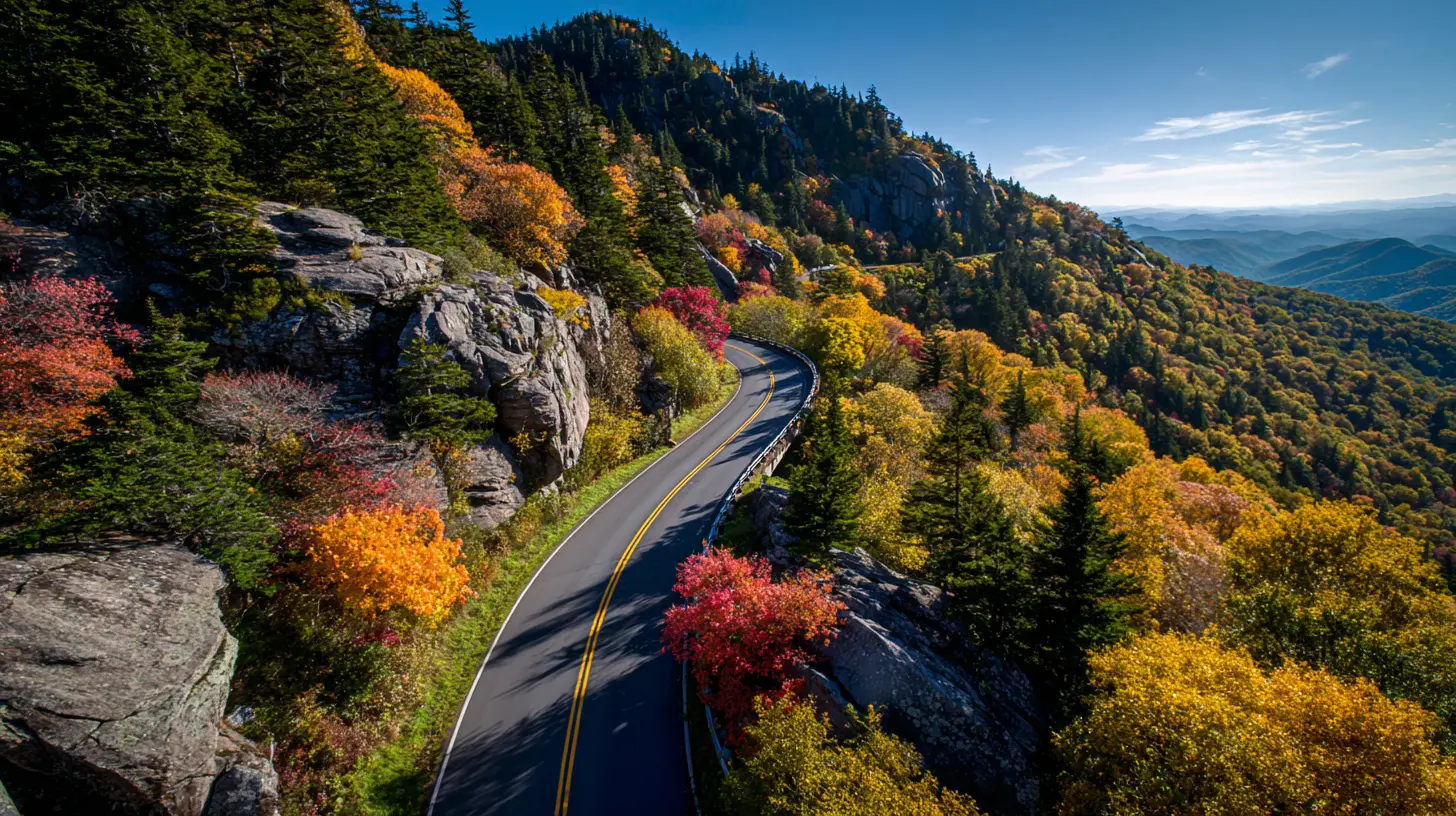
* Driving Mindset: Throw your schedule out the window. The speed limit is 45 mph, often less. This is a forcing function for relaxation. Stop often. Get out. Breathe the cool, spruce-scented air. Let a line of cars pass if you want to go slower. The road itself is the destination.
Beyond the Drive: Immersive Fall Experiences
To truly know the Blue Ridge Parkway in fall, you must step out of the car.* Hiking: Even a half-mile walk on a trail like Crabtree Falls (Milepost 339) immerses you in the color. You’re no longer an observer; you’re inside the painting.
* Cultural Stops: Visit the Folk Art Center (Milepost 382) near Asheville. Seeing traditional crafts against the backdrop of their inspirational landscape adds deep context.
* Photography: The "golden hours" after sunrise and before sunset are magical. The low angle of the sun sets the entire landscape ablaze. And don’t just point at the big vistas. Look for the details: a single red leaf on moss, fog in a valley, the texture of bark.
The Responsible 2026 Traveler
With great beauty comes great responsibility. By 2026, sustainable travel isn’t a trend; it’s a necessity.* Leave No Trace: Everything you bring in, leaves with you.
* Support Local: Eat at the family-owned restaurant in the small town. Buy a souvenir from a local craftsperson. Your trip directly supports these mountain communities.
* Park Safely: Never stop in the travel lane. Use designated pull-offs. If an overlook is full, drive to the next one. Congestion is a growing issue; patience is part of the pact you make.
Your Journey Awaits
Cruising the Blue Ridge Parkway in fall 2026 is more than a vacation. It’s a commitment to slowness in a fast world. It’s a chance to witness one of North America’s most spectacular natural events from the front seat of your car, your boots on a quiet trail, or the porch of a century-old lodge. The mountains have been putting on this show for millennia. In 2026, it’s your turn to watch, to listen, and to be transformed by the quiet, relentless beauty of it all. Start planning. The road is waiting.
all images in this post were generated using AI tools
Category:
Iconic RoutesAuthor:

Reed McFadden
Discussion
rate this article
2 comments
Renee Gutierrez
Exploring the Blue Ridge Parkway in fall 2026 promises breathtaking views and vibrant foliage—an unforgettable journey through nature's masterpiece!
April 21, 2026 at 2:43 PM
Reed McFadden
Absolutely! The Blue Ridge Parkway in fall is truly a stunning experience—I can’t wait for readers to embark on this journey!
Ulysses Price
While the beauty of the Blue Ridge Parkway in fall is undeniable, consider its environmental impact and strive for sustainable tourism practices.
April 21, 2026 at 4:37 AM
Reed McFadden
You're right. It's vital to appreciate the beauty while also protecting it. Sustainable tourism should always be a priority.