City Skylines that Shine Brightest at Sunset in 2027
3 November 2026
Sunset is the great equalizer of city views. It flatters glass towers and stone facades alike, softens the edges of concrete, and turns ordinary windows into mirrors of fire. But not every skyline handles that transition well. Some cities look best at noon, when light is flat and honest. Others come alive only after dark, when electric light takes over. The skylines that truly shine at sunset sit in a narrow sweet spot: they have the right geometry, the right materials, the right atmosphere, and the right viewing angles to catch the last hour of daylight and hold it.
This article is about the cities most likely to deliver that experience in 2027, why their skylines work the way they do, and how to plan a trip around the sunset hour rather than treating it as an afterthought. It is written for travelers who care about light as much as location, and for anyone who has stood on a rooftop at the wrong moment and watched a famous view go dull.
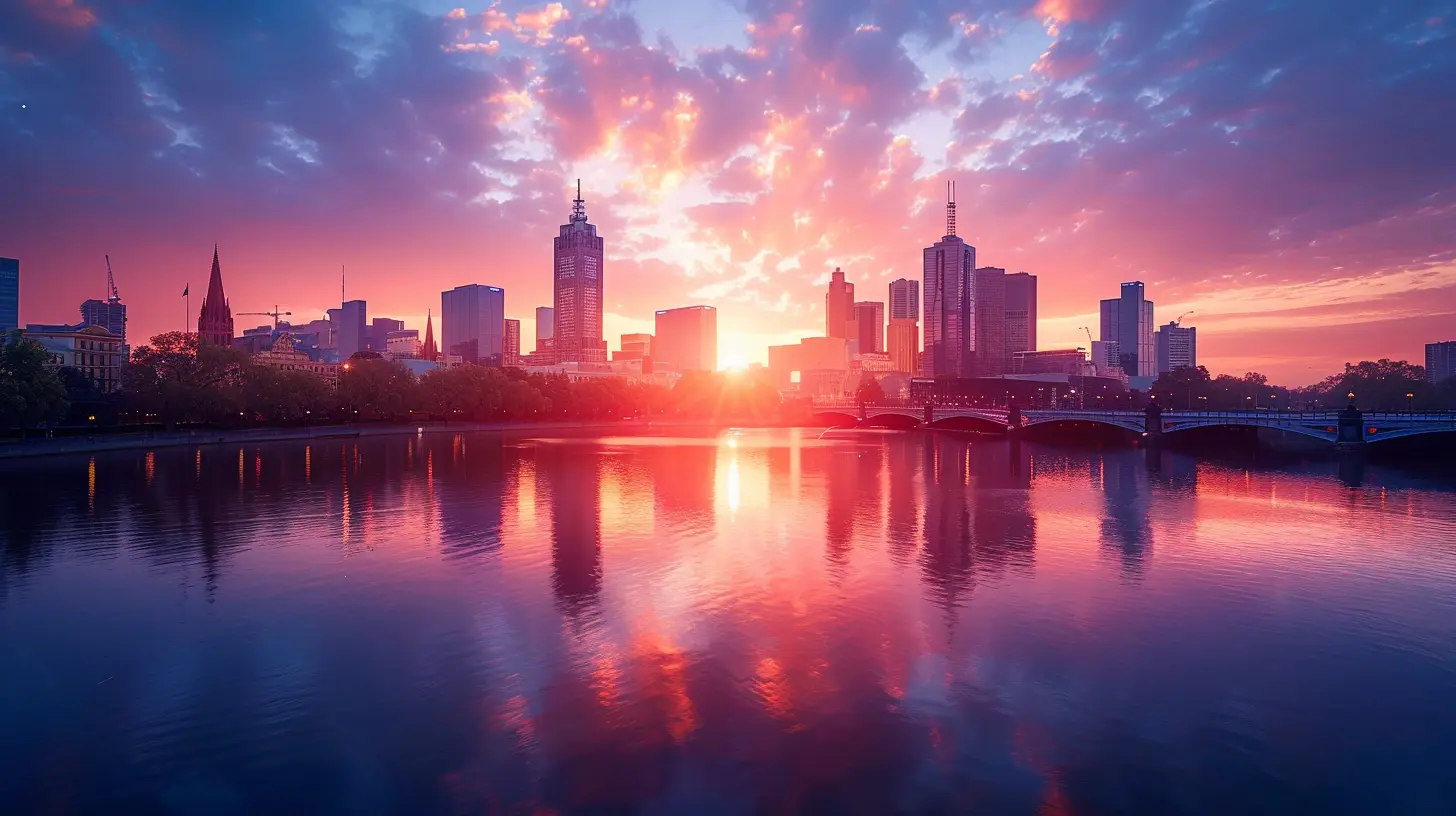
Why Sunset Light Changes a Skyline
Before naming cities, it helps to understand what actually happens in the hour before the sun goes down. Three things matter more than anything else: the angle of the light, the color of the atmosphere, and the surfaces the light hits.Low-angle sunlight travels through more atmosphere than midday light. That longer path scatters away most of the blue wavelengths and leaves warmer tones, which is why sunset light reads as gold, amber, or rose depending on conditions. When that light strikes a building, it does two things at once. It lights one face of the structure while leaving the adjacent face in shadow. That contrast is what gives a skyline depth. A skyline of identical boxes under flat noon light looks like a bar chart. The same skyline at sunset looks like a composition.
Materials decide how a city receives that light. Glass curtain walls reflect the sky, so a glass-heavy skyline can turn into a wall of molten color, but it can also look cold and mirror-like if the glass is tinted too dark or angled away from the sun. Stone, brick, and concrete absorb warm light and glow softly, which is why older waterfront districts often outperform newer financial districts at sunset. Metal cladding sits somewhere in between, catching sharp highlights that can be spectacular or distracting depending on the finish.
Atmosphere is the wild card. Humidity, dust, and pollution scatter light and intensify color, but they also reduce clarity. A city with clean air gets crisp sunset light with a narrow color band. A coastal city with marine haze gets a broader, softer wash of color that lasts longer. Neither is better in absolute terms. They produce different moods, and travelers should know which one they are flying toward.
Finally, orientation matters. A skyline only shines at sunset if the sun sets behind, beside, or across from it in a way that creates the contrast you want. A city whose towers face east will be in shadow during the golden hour, no matter how beautiful it is. This is the single most common mistake travelers make: they choose a city for its skyline and a viewpoint for its fame, without checking where the sun will actually be.
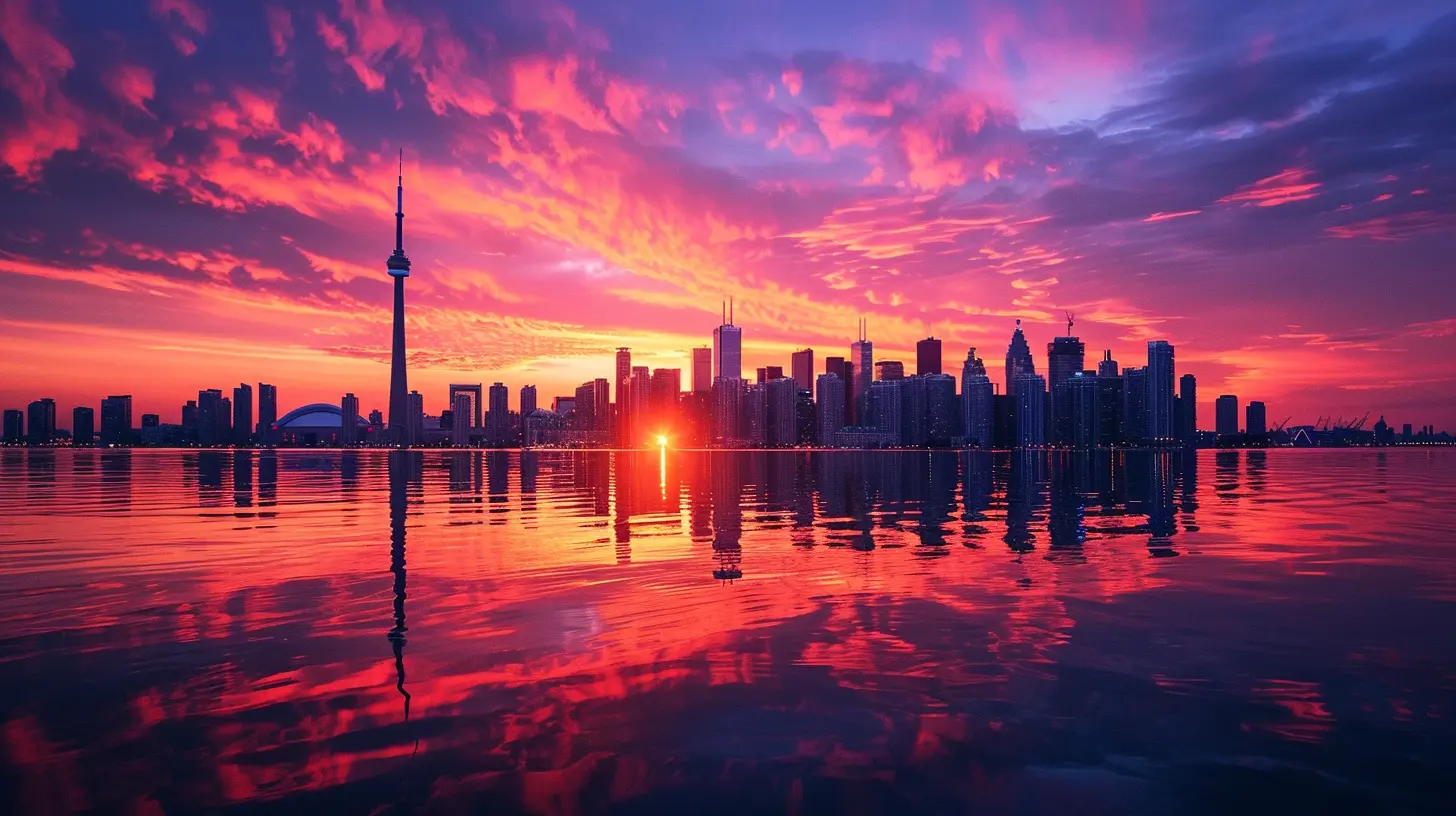
The Cities to Watch in 2027
The following cities are not ranked. Each one offers a distinct sunset experience, and the right choice depends on what you want from the hour: color, contrast, silhouette, or reflection.New York City, United States
Manhattan's grid produces one of the most reliable sunset spectacles in the world, and 2027 is a particularly good year to plan around it. The reason is geometry. Manhattanhenge, the twice-yearly event when the setting sun aligns with the east-west street grid, falls in late May and mid-July. In 2027 those alignments will again draw crowds to the major cross streets, and the effect is genuinely worth seeing: the sun sits at the end of a canyon of buildings and floods the avenue with light.But Manhattanhenge is only the headline. The deeper reason New York works at sunset is the density of vantage points. You can watch from a rooftop bar in Midtown, a park along the East River, a ferry crossing the harbor, or a high floor of a building with west-facing windows. Each angle gives a different skyline because the city is not one skyline but dozens layered together.
The trade-off is crowds and cost. Sunset viewing in New York is a competitive sport. Rooftop venues fill up, and the best free spots are well known. If you want a calm experience, choose a west-facing park in Brooklyn or Queens rather than the famous observation decks, and arrive early rather than at the last minute.
Dubai, United Arab Emirates
Dubai has become a case study in how glass and height interact with low sun. The skyline is dominated by reflective towers, and at sunset the city can look like it is lit from within. The Burj Khalifa anchors the view, but the more interesting experience is watching the light move across the cluster of towers around Downtown and Business Bay.What makes Dubai especially strong for 2027 is the maturity of its viewing infrastructure. Observation decks, waterfront promenades, and desert-edge viewpoints all offer different relationships to the sun. From the desert side, the skyline becomes a silhouette against a wide sky, which is a completely different image from the reflective wall you see from within the city.
The caution here is heat and haze. Sunset in Dubai is often beautiful but can be muted by dust. Travelers who want maximum color should check air quality and visibility forecasts, and consider the cooler months when the air is clearer.
Lisbon, Portugal
Lisbon may be the most underrated sunset city in Europe, and it deserves a place on any 2027 list. The city is built on hills that face the Tagus River and the Atlantic beyond, which means there are dozens of natural west-facing viewpoints, called miradouros, scattered across the city. The light hits the pastel facades and the river at the same time, and the result is warm without being harsh.The key advantage Lisbon has over glass-heavy cities is material. Tiled facades, painted walls, and terracotta roofs absorb and re-emit sunset light in a way that glass cannot. The skyline glows rather than reflects. The trade-off is that Lisbon's skyline is low-rise and irregular, so it does not offer the dramatic vertical drama of Manhattan or Dubai. What it offers instead is intimacy and color.
Singapore
Singapore's skyline is a study in controlled reflection. The Marina Bay area is arranged so that towers, water, and sky interact deliberately, and sunset turns the bay into a mirror. The city-state also benefits from tropical atmospheric conditions that produce long, saturated twilights.The practical advantage for 2027 travelers is that Singapore has invested heavily in public viewing spaces. Waterfront promenades, rooftop gardens, and bridge walkways give access without requiring a reservation at an expensive venue. The disadvantage is weather. Afternoon thunderstorms are common, and a sunset can be swallowed by cloud with little warning. Build flexibility into your plans rather than pinning a single evening on one view.
Cape Town, South Africa
Cape Town offers something most cities cannot: a skyline framed by natural features that catch sunset light independently of the buildings. Table Mountain and the surrounding peaks turn gold and then rose while the city below moves into shadow, creating a layered image that changes minute by minute.The city's waterfront and hillside neighborhoods give multiple angles, and the summer months in the Southern Hemisphere align with long, clear evenings. The trade-off is wind. Cape Town's summer wind can be fierce, which affects both comfort and photography. Travelers should plan for a backup indoor or sheltered viewpoint.
Tokyo, Japan
Tokyo is the largest skyline in the world by some measures, and at sunset it becomes a study in scale. The city is so vast that the sun does not set behind the skyline so much as dissolve into it. From high vantage points, the effect is a slow fade from gold to blue across an almost endless field of buildings.Tokyo's strength is variety. Observation decks, riverside paths, and rooftop restaurants all offer different relationships to the sunset. The weakness is that the skyline lacks a single iconic silhouette, so the experience is more about atmosphere than a specific image. Travelers who want a postcard view should choose their vantage point carefully.
Rio de Janeiro, Brazil
Rio combines dramatic topography with a waterfront skyline, which is a rare combination. The sun sets behind the mountains in some seasons and over the ocean in others, and the city's beaches and hills give viewers a wide range of angles. The famous views from Sugarloaf and Corcovado are well known, but the more rewarding sunset experience may be from a beach or a neighborhood hillside where the city and the landscape are visible together.The trade-off is safety and logistics. Travelers should choose viewpoints with established reputations and plan transport in advance, especially for the return trip after dark.
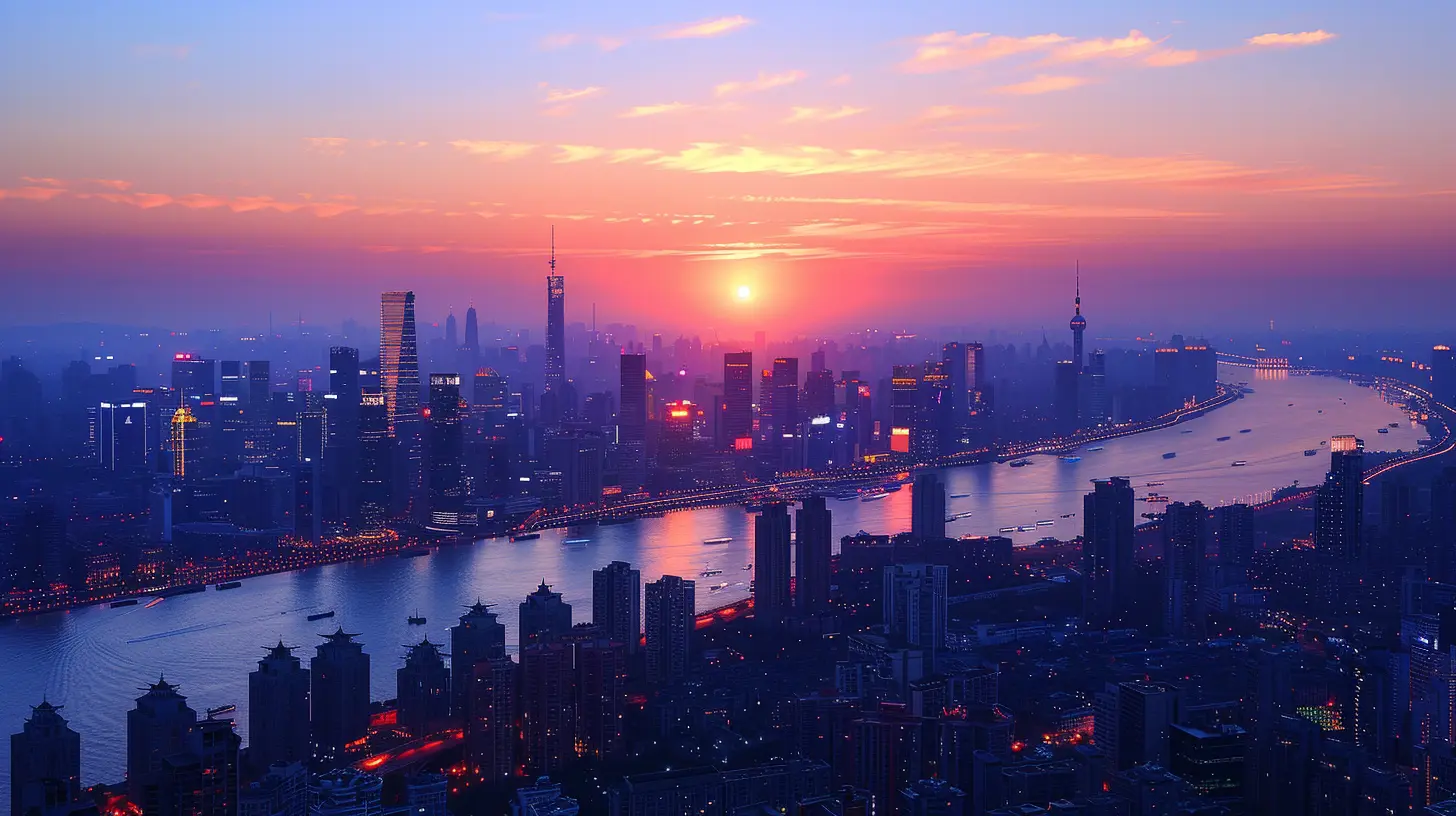
How to Choose a City for a Sunset Trip
Choosing a city for sunset is not the same as choosing a city for sightseeing. The criteria overlap but are not identical. Here is a practical framework.Check the Sun's Position, Not Just the Season
The single most useful pre-trip step is to check where the sun will set relative to your intended viewpoint on your intended date. Sunset direction shifts through the year, and a viewpoint that faces the sunset in June may face away from it in December. Free sun-position tools and photo-planning apps make this easy. Do this before booking anything.Match Materials to Mood
If you want dramatic, saturated color and reflections, choose a glass-heavy city. If you want warm, glowing facades, choose a city with stone, brick, or painted architecture. If you want silhouettes, choose a city with a strong skyline profile against open sky, such as a waterfront or desert edge.Consider the Twilight, Not Just the Sunset
The best part of the evening often comes after the sun disappears. Civil twilight, the roughly twenty to thirty minutes after sunset, is when the sky turns deep blue and city lights begin to appear. A skyline that is boring at the moment of sunset can be spectacular during twilight, and vice versa. Look for cities with strong light-up policies and well-lit landmarks.Weigh Access Against Crowds
The most famous sunset viewpoints are famous for a reason, but they are also crowded. Decide in advance whether you want the iconic image or a quieter experience. In many cities, a lesser-known west-facing spot delivers a better evening than the famous deck, simply because you are not competing for space.Plan for Weather Realistically
No city guarantees a clear sunset. The best strategy is to build multiple evenings into a trip and to have indoor or sheltered alternatives ready. Coastal cities with marine haze often produce softer, longer sunsets that are more forgiving of partial cloud. Inland cities with clear air produce sharper but shorter color windows.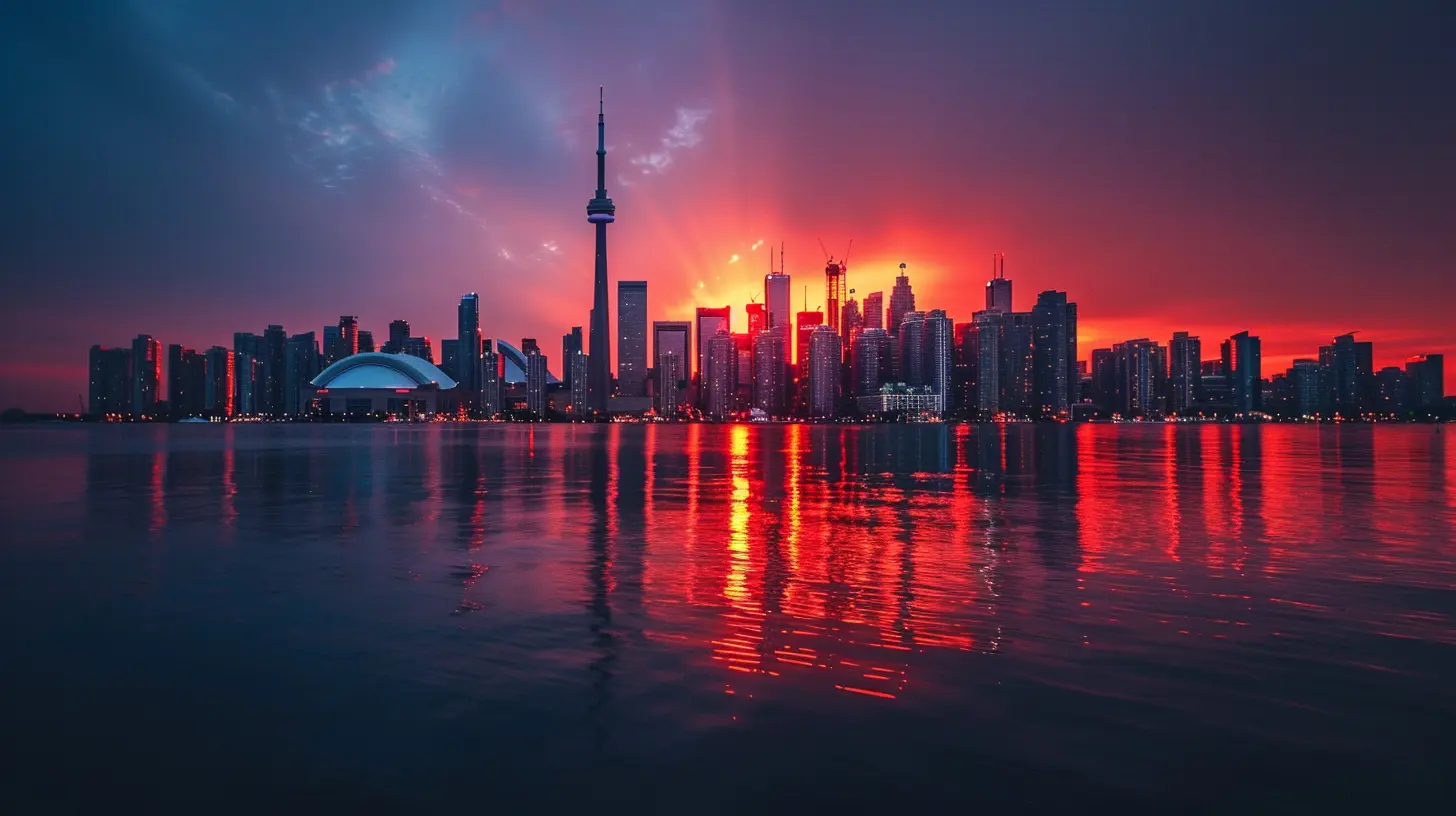
Common Mistakes and Misconceptions
A few persistent myths cause travelers to waste the best hour of the day.The first is that any high place will do. Height helps, but direction matters more. A high viewpoint facing east will miss the sunset entirely. Always confirm orientation.
The second is that summer is always better. Long days mean late sunsets, which can conflict with dinner plans, transport schedules, and attraction closing times. In some cities, spring and autumn offer better light and fewer crowds.
The third is that sunset is a single moment. It is a process that runs for an hour or more, and the best light often comes before the sun touches the horizon. Arriving thirty minutes early is not excessive. It is the minimum.
The fourth is that photographs capture the experience. They do not. Cameras compress dynamic range and often exaggerate color. Use the camera, but put it down for a few minutes. The memory of the light is worth more than the file.
Practical Advice for the Sunset Hour
Arrive early. Thirty to forty-five minutes before sunset gives you time to find your spot, settle in, and watch the light build.Bring layers. Temperature drops quickly once the sun is down, especially near water and at altitude.
Check transport in advance. Many viewpoints become congested after sunset, and taxis and transit can be hard to find. Know your return plan before you need it.
Eat before or after, not during. Sunset is a short window. A meal in the middle of it is a wasted opportunity.
Respect local rules. Drones, tripods, and restricted areas are regulated in many cities, and enforcement varies. Check before you go.
Keep expectations flexible. The best sunset of a trip is often the one you did not plan.
Final Thoughts
The skylines that shine brightest at sunset in 2027 will not be identical to the ones that shone in 2019 or will shine in 2035. Cities change, towers rise, and viewing infrastructure improves. What stays constant is the underlying logic: light angle, material, atmosphere, and orientation. Understand those four factors and you can evaluate any city for yourself, rather than relying on someone else's list.The cities above each offer something distinct. New York gives geometry and density. Dubai gives reflection and scale. Lisbon gives warmth and intimacy. Singapore gives controlled spectacle. Cape Town gives landscape. Tokyo gives vastness. Rio gives drama. The right choice depends on what you want from the hour, and the best trip is the one built around that answer rather than around a checklist.
all images in this post were generated using AI tools
Category:
Sunset SpotsAuthor:

Reed McFadden

