Best Places to Say Goodbye to the Day in 2026
8 September 2026
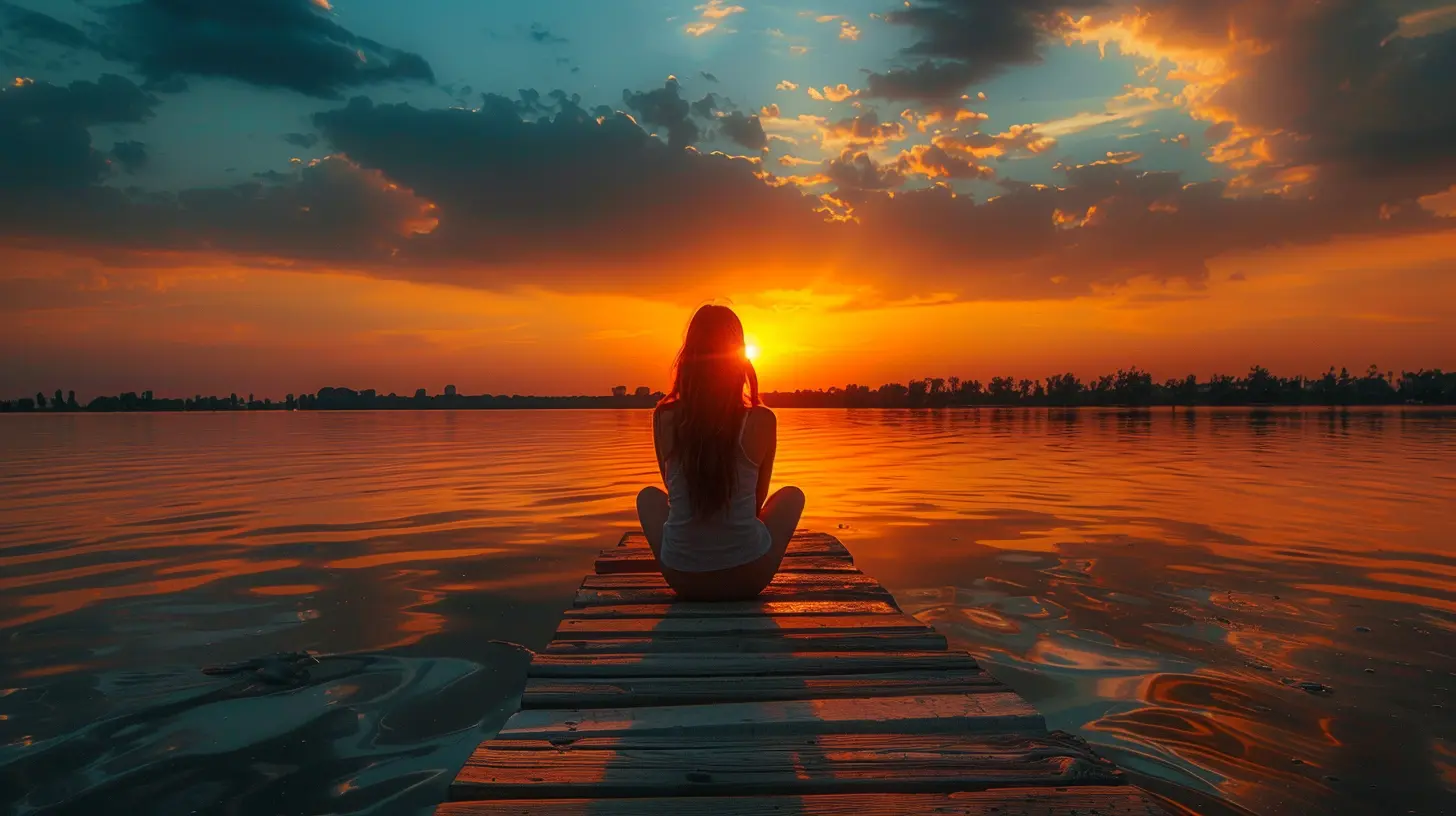
There is a quiet ritual that every traveler eventually learns: finding the right place to watch the day end. It is not about the sunset itself, though that helps. It is about the way a place makes you feel when the light changes, when the crowds thin, and when the sky starts its slow performance. A good sunset spot is part geography, part timing, and part mood. By 2026, the world will have shifted in subtle ways. Overtourism will continue to reshape popular destinations, climate patterns will alter the best seasons for certain views, and new infrastructure will open up previously difficult places. This guide is not a list of pretty pictures. It is a practical, analytical look at where to end your day in a way that actually means something.
Why the Right Sunset Spot Matters More Than You Think
Most people treat sunset as a background event. They happen to be on a beach or a balcony, they take a photo, and they move on. But a deliberate sunset experience does something different. It forces you to slow down. It gives structure to a travel day that might otherwise be a blur of museums and meals. Psychologically, watching a day end in an unfamiliar place creates a stronger memory anchor than almost any other activity. The combination of fading light, changing colors, and the natural pause in activity makes the brain pay attention.The mistake most travelers make is choosing a sunset spot based on a single photograph. A cliff overlooking the ocean might look stunning at noon, but if the sun sets behind the cliff, you will see nothing. A famous temple might face east, meaning the sunset illuminates the back of the structure. You need to think about orientation, season, and atmosphere. In 2026, with weather patterns becoming less predictable, you also need a backup plan. The best sunset spots are not just beautiful. They are adaptable.
The Classic Mediterranean: Still Good, But Not Where You Think
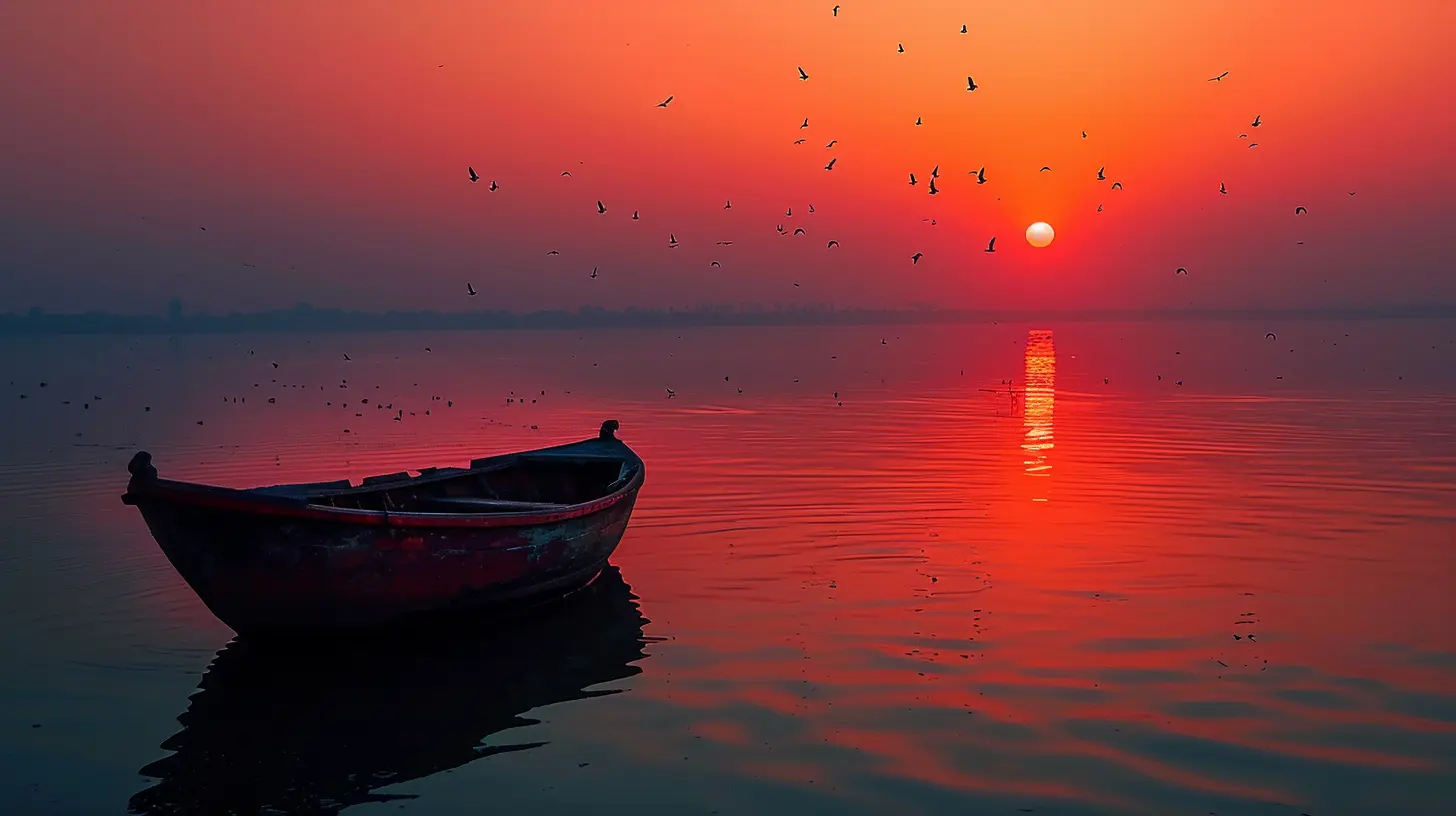
The Greek islands and the Amalfi Coast have long been the default answer for European sunsets. Santorini's Oia village draws thousands of people every evening, all crammed onto the same castle ruins to watch the sun drop into the Aegean. It is genuinely beautiful. It is also genuinely exhausting. You need to claim a spot two hours early, you will be surrounded by hundreds of other people, and the experience feels more like a stadium event than a peaceful ritual. By 2026, the crowds will only be denser.The smarter play is to look for less obvious alternatives in the same region. On Santorini itself, the village of Imerovigli offers a similar view without the shoulder-to-shoulder chaos. The cliffside walk between Imerovigli and Oia takes about two hours, and the sunset views along the way are arguably better because you see the caldera from multiple angles. In Crete, the old Venetian harbor in Chania has a west-facing position that catches the light beautifully, but most visitors are busy eating dinner and miss the best moment. The key is timing: arrive about 45 minutes before sunset, order a drink at a harbor-side cafe, and watch the light hit the lighthouse.
For a genuinely different Mediterranean experience in 2026, consider the Albanian Riviera. The coastal town of Himare has been slowly developing for years, but it still lacks the infrastructure and crowds of its Greek neighbors. The sunset from the hills above the old town looks over the Ionian Sea with almost no other tourists in sight. The trade-off is that facilities are basic. There are few fancy bars, and the roads can be rough. But if you want a sunset that feels personal and unscripted, this is the direction to go.
The Pacific Coast of Mexico: Timing Is Everything
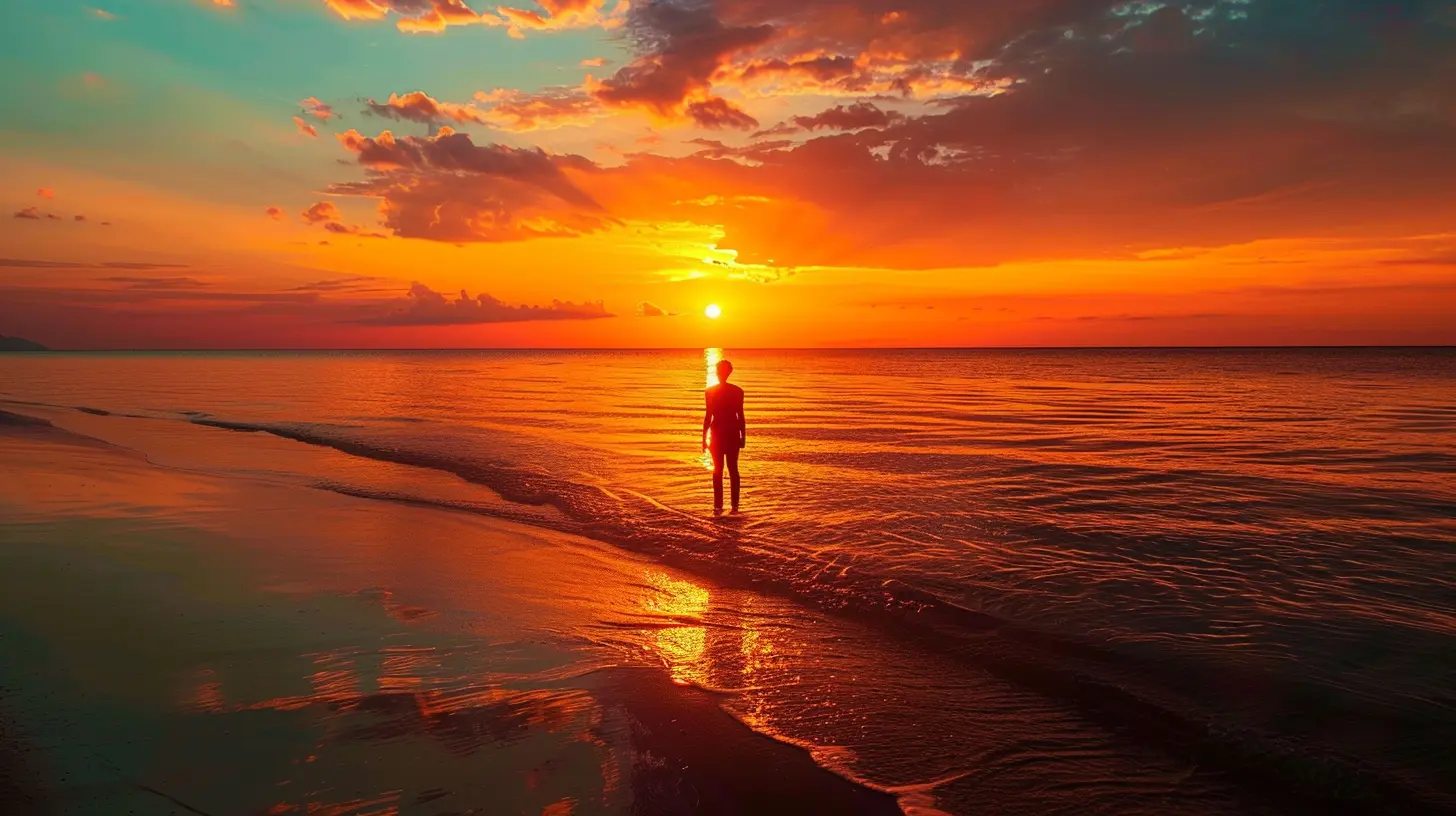
Mexico's Pacific coast has a well-deserved reputation for spectacular sunsets, but the best spots have changed. Cabo San Lucas, for example, is famous for the Arch at Land's End, but the sun actually sets behind the arch only during certain months. In summer, the sun sets further north, and the view is less dramatic. Many visitors go in July and wonder what all the fuss was about. The better approach is to understand the seasonal angle of the sun before you book.Puerto Vallarta offers a more reliable option. The bay faces west, so the sunset is visible from almost anywhere along the malecon. But the real expert move is to take a water taxi to the small town of Yelapa, about 45 minutes south. The beach there faces the open ocean, and the sunset is unobstructed. The town has no major resorts, only small guesthouses and local restaurants. You can watch the sun go down with your feet in the sand, and then have dinner at one of the family-run spots that serve fresh fish caught that morning. The trade-off is that you need to plan your return before dark, as the water taxis stop running. Staying overnight is the better option.
Further south, in Oaxaca, the town of Puerto Escondido has become a magnet for surfers and digital nomads. The sunset at Playa Zicatela is dramatic because the waves are big and the light catches the spray. But the beach is not for swimming, and the current is dangerous. For a calmer experience, head to Playa Carrizalillo, a small cove accessible by a long staircase. The view is intimate, and the water is safe for a final swim before the sun disappears. The downside is that the cove gets crowded with locals who know the spot, so arrive early.
Southeast Asia: The Shift from Famous to Functional
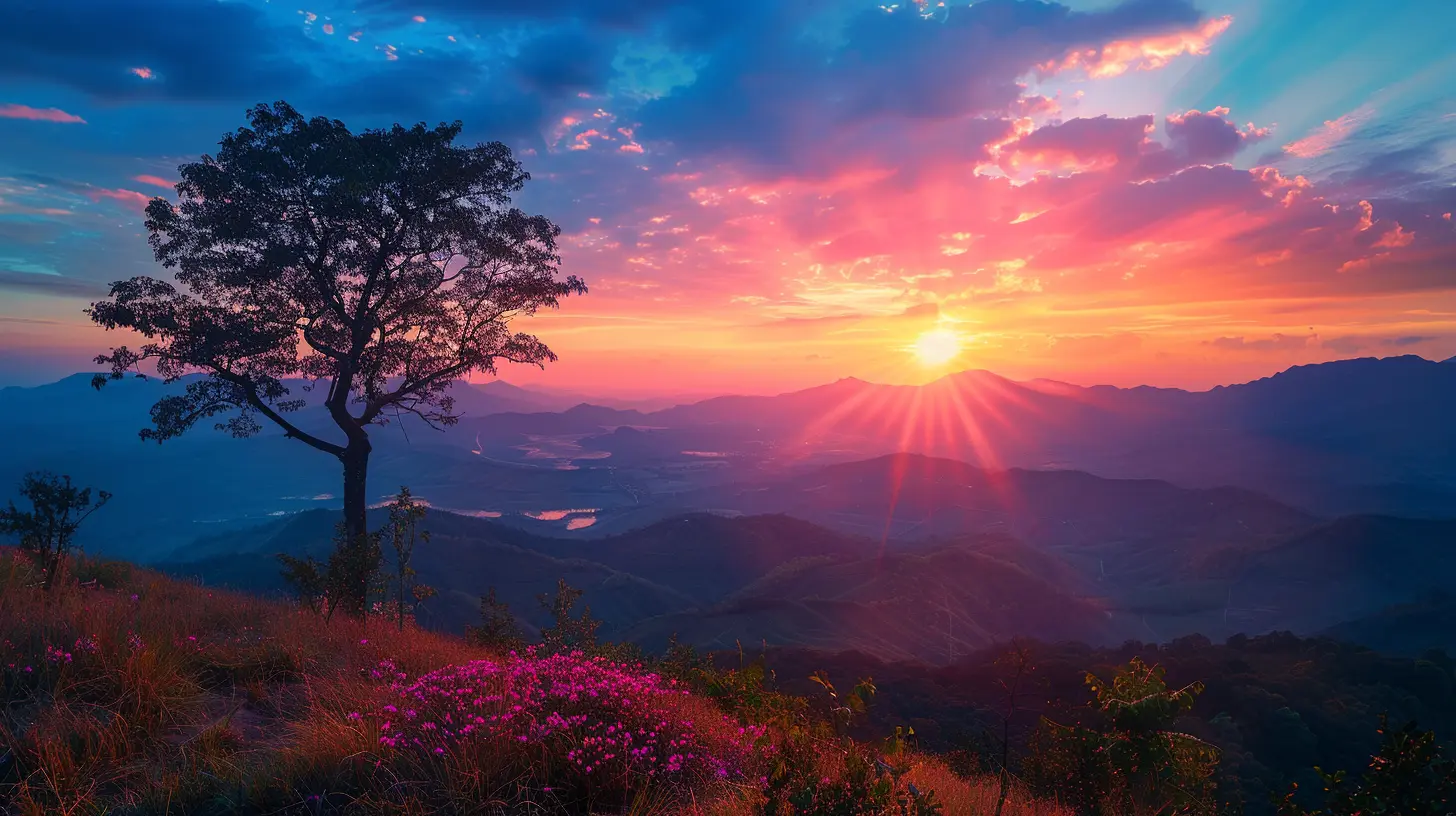
Southeast Asia has some of the most photographed sunsets on earth, but the reality is changing. The temples of Bagan in Myanmar used to offer a surreal experience of hot air balloons drifting over ancient pagodas at dusk. Political instability has made travel there complicated, and 2026 is still uncertain. If you do go, the sunset from the upper terrace of a temple like Shwesandaw is breathtaking, but the climb is steep and the crowds are thick. The alternative is to hire a horse cart and head to less visited temples on the outskirts, where you can sit alone and watch the same sky.In Thailand, the island of Koh Samui has a famous sunset at the Big Buddha temple, but the area is now heavily developed. The better choice is the quieter west coast, particularly around Taling Ngam beach. The view faces the islands of the Ang Thong Marine Park, and the sun sets directly over the water. The beach is not as pristine as the east coast, but that is precisely why it is less crowded. You will find a few small resorts and local restaurants, but no party scene. For a sunset that feels like a private screening, this is the spot.
Vietnam offers a different kind of sunset experience. In Hanoi, the best place to end the day is not a viewpoint but a beer corner. The intersection of Ta Hien and Luong Ngoc Quyen streets is chaotic, loud, and full of plastic stools where locals and travelers sit with glasses of bia hoi, the fresh draft beer that costs less than a dollar. The sunset is not visible from here, but the energy of the city changing from day to night is the real show. This is a reminder that a good sunset spot does not always involve a horizon. Sometimes it involves a street corner where the day ends in laughter and clinking glasses.
The Nordic and Arctic Regions: The Midnight Sun Problem
Travelers heading to places like Iceland, Norway, or Finland in the summer face a unique challenge. The sun does not set in the traditional sense. It dips toward the horizon, hovers for a few hours, and then rises again. This means the concept of a sunset spot becomes about the long golden hour that lasts for most of the night. In 2026, more travelers will be seeking these experiences as climate concerns push them toward longer stays in cooler regions.In Iceland, the best approach is to avoid the famous spots like the Kirkjufell mountain in Snæfellsnes, which is overcrowded and often requires waiting in line for a tripod spot. Instead, consider the Westfjords. The remote region of Strandir, on the eastern coast of the Westfjords, has almost no tourists. The mountains rise directly from the sea, and during the summer months, the sun rolls along the horizon for hours, casting ever-changing colors on the water. The trade-off is that the roads are gravel, the weather is unpredictable, and there are few services. You need to be self-sufficient. But if you are willing to drive slowly and pack supplies, you will have a sunset experience that feels like a secret.
Norway offers a different solution. The Lofoten Islands are famous for their dramatic peaks and fishing villages, but the summer crowds have grown significantly. Instead of the main village of Reine, head to the southern tip of the islands at Å. This tiny fishing village has a few guesthouses and a museum, but the real attraction is the view west over the Norwegian Sea. During the summer, the sun never fully sets, so you can watch the light shift from gold to pink to deep blue over the course of several hours. The challenge is sleep. Blackout curtains are essential, and you need to adjust your schedule to the endless daylight.
The American Southwest: Desert Light as a Performance
The American Southwest has a reputation for dramatic sunsets, but the best spots are not always the national parks. The Grand Canyon is spectacular, but sunset at Mather Point involves hundreds of people and a lot of jostling for position. The better option is to hike a short distance along the Rim Trail away from the main viewpoints. Even a quarter mile from the crowds makes a difference. The light on the canyon walls changes every minute, and the silence is what makes it memorable.In Sedona, Arizona, the red rocks catch the sunset light in a way that seems almost artificial. The popular spot is Airport Mesa, which has a viewing area that faces west. But it is crowded, and the parking is terrible. The alternative is the Chapel of the Holy Cross, a church built into the red rocks. The view from the parking lot faces west, and the setting is more contemplative than the tourist-packed overlooks. The trade-off is that the chapel closes at 5 PM, so you need to be there before that and wait outside.
For a truly unique experience, consider the White Sands National Park in New Mexico. The gypsum dunes reflect the sunset light in a way that makes the entire landscape glow pink and orange. The park stays open until sunset, and the main dune area is a short walk from the parking lot. The challenge is the lack of shade and the heat, even in the evening. But the payoff is a sunset that feels like standing inside a painting. The best time is during a full moon, when the dunes continue to glow after the sun goes down.
The South Pacific and Oceania: Remote but Rewarding
The South Pacific offers some of the most remote sunset spots on earth, but they come with logistical challenges. In Fiji, the Yasawa Islands have white sand beaches that face west, but getting there requires a ferry or a seaplane. The resort islands are beautiful, but they can be expensive. The alternative is to stay on the main island of Viti Levu and take a day trip to the Natadola Beach, which is one of the few west-facing beaches on the island. It is not as pristine as the outer islands, but it is accessible and the sunset is still excellent.New Zealand's South Island is a different kind of experience. The west coast, particularly around the Fox Glacier area, has sunsets that light up the Southern Alps. But the weather is notoriously fickle, and you can go days without a clear view. The better bet is the east coast, around the Otago Peninsula near Dunedin. The peninsula has several viewpoints that face east, which is not ideal for sunsets. The trick is to find a spot that faces west over the harbor, such as the high lookout at Sandymount. From there, you can watch the sun set over the city and the harbor while the wildlife, including seals and penguins, goes about its evening routine.
The Indian Ocean: Island Time and Monsoon Awareness
The Maldives are the classic Indian Ocean sunset destination, but the geography is tricky. Many resorts are on islands with east-facing beaches, meaning the sunset is only visible from the west side, which is often where the jetty or the water villas are. Before booking, check the orientation of the island. A sunset view is not guaranteed. In 2026, with sea levels rising and some islands experiencing more erosion, the choice of resort matters even more. The best approach is to choose an island that has a west-facing beach with a sandbar or a shallow reef, where you can wade out and watch the sun drop into the water.Sri Lanka offers a more grounded alternative. The southern coast, around Galle and Mirissa, has a string of beaches that face southwest. The sunset from the ramparts of the Galle Fort is a favorite, but it gets busy. The smarter play is to walk to the far end of the fort, near the lighthouse, where the crowds thin out. The view over the Indian Ocean is unobstructed, and the sound of the waves against the ancient walls adds to the atmosphere. The trade-off is that the fort can be hot and humid in the evening, so bring water.
The Middle East and North Africa: Desert and Sea
The Middle East has some surprising sunset spots that are often overlooked. In Oman, the town of Sur on the eastern coast is known for its dhow-building yards, but the sunset is best seen from the beaches to the south, near Ras al Hadd. This is where the green sea turtles come ashore to nest, and if you time your visit right, you can watch the sunset and then see turtles laying eggs under the stars. The experience is managed by the Ministry of Environment, and there are strict rules about noise and light. But it is a profound way to end a day.In Morocco, the Sahara Desert is the obvious choice, but the Erg Chigaga dunes are less visited than the more famous Erg Chebbi near Merzouga. The journey to Chigaga takes longer and requires a 4x4, but the dunes are larger and the silence is deeper. The sunset from the top of a high dune is a meditative experience. You can hear nothing but the wind, and the colors range from gold to deep purple. The trade-off is that you need to camp overnight, as there is no way to get back to civilization after dark. But that is part of the point.
The Practical Side: Gear, Timing, and Mistakes
No matter where you go, a few practical rules apply. First, check the exact sunset time for your location and date. The difference between 6 PM and 7 PM can change your entire plan. Apps like SunCalc or even a simple weather app will give you the precise time. Second, arrive at least 30 minutes early. The best light often happens before the sun actually touches the horizon, and you want to be settled before it starts. Third, stay for at least 15 minutes after the sun disappears. The afterglow, the period when the sky turns pink and purple, is often more beautiful than the actual sunset.A common mistake is to assume that a higher viewpoint is always better. Sometimes, being at sea level, with the water reflecting the sky, creates a more immersive experience. Another mistake is to forget about the wind. Coastal spots can be breezy, and without a jacket, you will spend the sunset shivering instead of enjoying it. Always bring a layer, even in warm climates.
Finally, do not overplan. Some of the best sunsets happen by accident. You turn a corner, and the sky opens up. The places listed here are starting points, not checkboxes. The goal is not to see the best sunset in the world. The goal is to have a moment where you feel the day end, and you are present for it. In 2026, with the world moving faster and attention spans shrinking, that presence is the real luxury.
all images in this post were generated using AI tools
Category:
Sunset SpotsAuthor:

Reed McFadden
Discussion
rate this article
2 comments
Emma McInnes
As the sun sets in these breathtaking destinations, take a moment to reflect on the beauty around you. Embrace the tranquility and let the day's end inspire your dreams for tomorrow. Every sunset is a new beginning waiting to unfold.
October 6, 2026 at 2:28 PM
Reed McFadden
Absolutely! Sunsets truly have a way of inspiring reflection and hope for what lies ahead. Thank you for sharing such beautiful sentiments.
Henry Underwood
Sounds like a dream!
September 8, 2026 at 5:04 AM
Reed McFadden
I'm glad you think so! Hope you get to experience it.