Arches and Canyons: Exploring the Geological Wonders of Utah's Parks
15 March 2026
Utah’s landscape looks like something straight out of a wild science-fiction movie—massive red rock formations, deep canyons carved over millions of years, and surreal stone arches towering over the desert floor. If you're a nature lover, an adventure junkie, or just someone looking to stand in awe of Earth's raw beauty, Utah’s national parks need to be at the top of your bucket list.
Let’s take a deep dive into these mesmerizing geological wonders—how they were formed, what makes them special, and why you absolutely need to experience them in person.
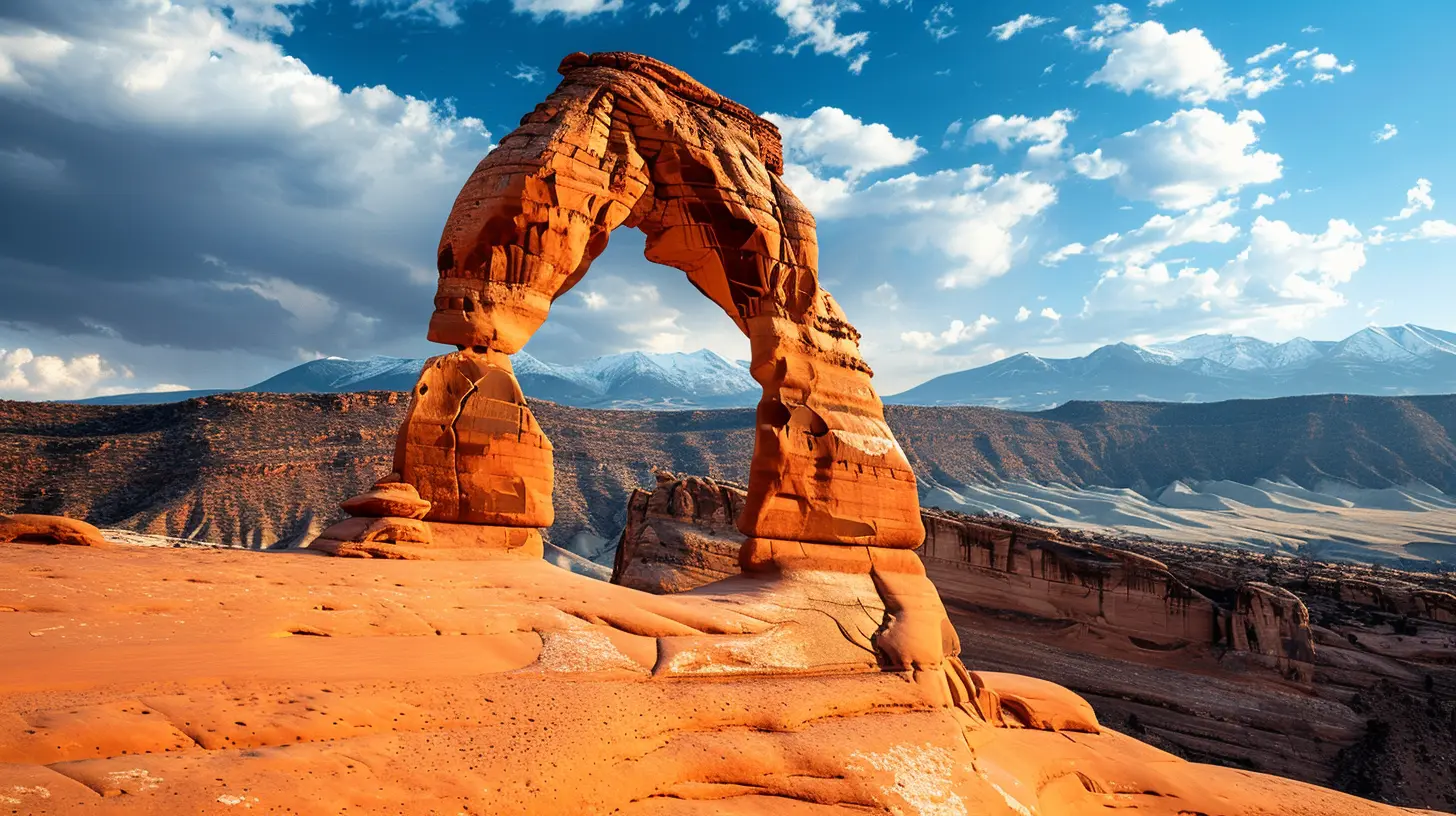
The Land of Stone Giants: How Utah’s Arches and Canyons Took Shape
Before we start wandering through Utah’s most jaw-dropping landscapes, let’s talk about how these mind-boggling formations even exist in the first place.The Power of Erosion and Time
Imagine pouring a glass of water onto a pile of sand. Over time, the water starts carving little grooves and channels, changing the shape of the sand structure. Now, stretch that process over billions of years and supersize it—that's how Utah’s canyons were created.The region was once covered by an ancient sea. Layers of sandstone, mudstone, and other minerals piled up over eons. Eventually, the land rose, the sea disappeared, and wind and water started chipping away at the soft rock. The result? Towering cliffs, deep gorges, and gravity-defying arches.
The Role of Natural Forces
Wind, rain, snow, and even extreme temperature changes all worked together in a slow but relentless process. When water seeps into cracks in the rock and freezes, it expands—forcing the rock apart. Over time, this creates openings, sometimes forming entire arches! Nature is basically an artist with a really, really patient touch.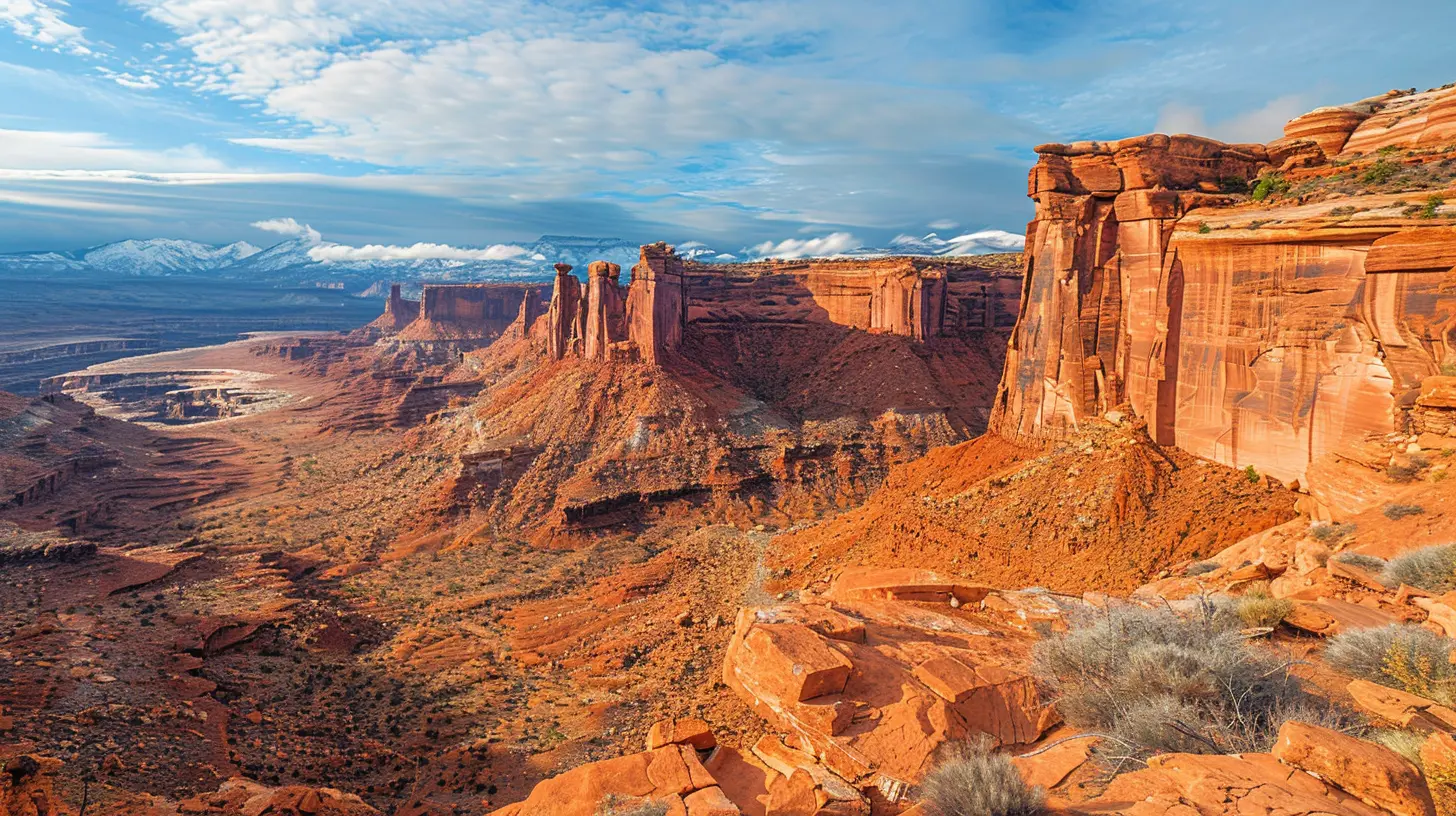
Must-Visit Parks Featuring Utah’s Famous Arches and Canyons
Utah is home to some of the most stunning national parks in the U.S., each packed with unique rock formations, dramatic scenery, and plenty of hiking opportunities. So, grab your camera (and sturdy hiking boots) because we’re going on a visual feast!1. Arches National Park – The Land of Natural Stone Sculptures
Arches National Park might just be the most famous of Utah’s geological playgrounds. With over 2,000 natural stone arches, it's like nature went on a sculpting spree and decided to show off.What Makes It Special?
- Delicate Arch – The most iconic arch in the park (and probably the state). You’ve seen it on postcards, but nothing beats seeing it in person.- Landscape Arch – One of the longest stone arches in the world, looking as if it's defying gravity.
- The Windows Section – A collection of jaw-dropping rock holes with epic sunrise and sunset views.
Best Hikes and Activities
- Delicate Arch Trail (3 miles round trip) – A moderate hike that leads to one of the most photographed spots in America.- Devils Garden Loop (7.2 miles) – A longer but rewarding trek featuring several arches in one go.
- Fiery Furnace Tour – A ranger-guided hike through a maze of narrow canyons and towering rock walls.
2. Canyonlands National Park – A Mini Grand Canyon
If the Grand Canyon had a wild little cousin, it would be Canyonlands. This place is all about deep gorges, giant mesas, and winding rivers carving their way through the desert.What Makes It Special?
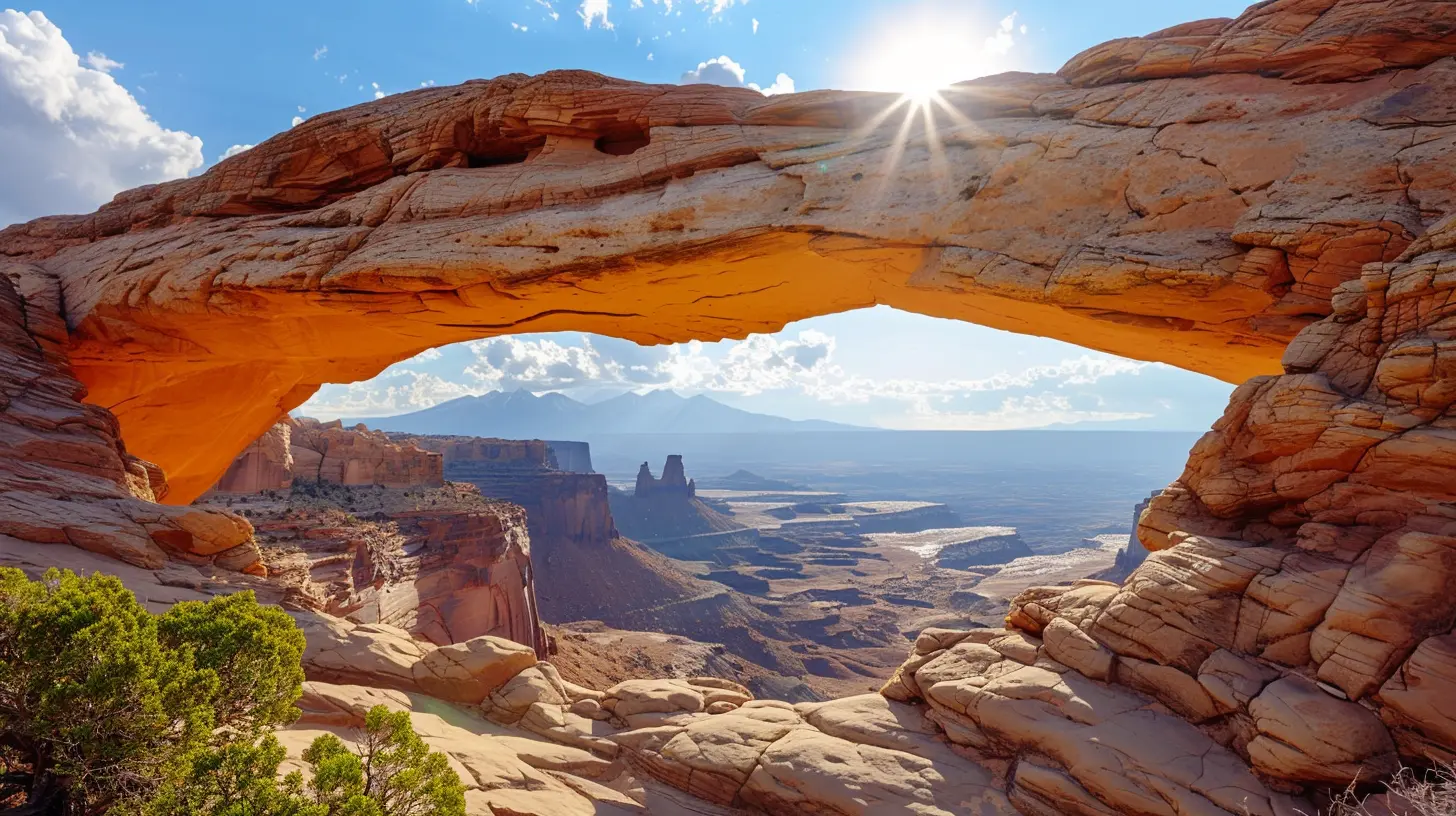
- Mesa Arch – A stunning rock window perfectly framing the dramatic landscape below.- The Needles District – Cool pinnacles of rock rising from the earth like giant stone fingers.
- Island in the Sky – A towering plateau offering panoramic views of the canyons below.
Best Hikes and Activities
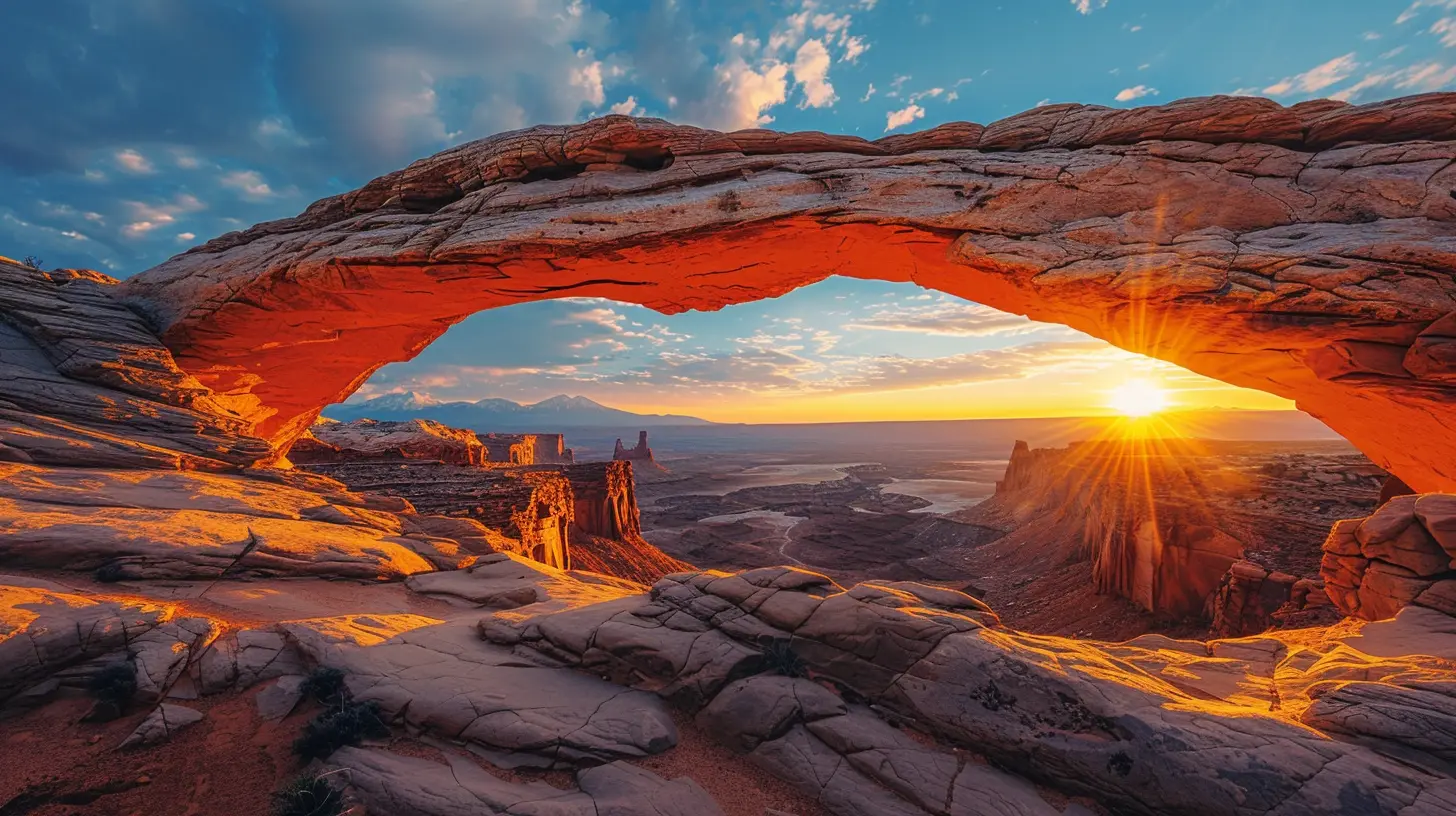
- Mesa Arch Trail (0.5 miles) – A short but must-do hike, especially at sunrise when the arch glows in the golden light.- Grand View Point Trail (2 miles) – A breathtaking walk along the edge of towering cliffs.
- White Rim Road – A multi-day adventure for those wanting to explore the park by 4x4 or mountain bike.
3. Bryce Canyon National Park – Where Earth Grows Spires
Bryce Canyon is famous for something called "hoodoos"—tall, thin rock spires that look like nature started playing with clay and forgot to clean up. The entire park feels otherworldly, like some ancient kingdom turned to stone.What Makes It Special?
- Amphitheater Overlook – The most famous viewpoint, overlooking thousands of hoodoos.- Thor’s Hammer – A rock formation that literally looks like something a Norse god would wield.
- Fairyland Loop – A magical trail that makes you feel like you’ve wandered into a fantasy novel.
Best Hikes and Activities
- Navajo Loop & Queens Garden Trail (2.9 miles) – One of the best hikes through the hoodoos.- Peekaboo Loop (5.5 miles) – A bit more challenging, but wildly rewarding.
- Stargazing – Bryce Canyon is a certified Dark Sky Park, meaning the stars here burn brighter than almost anywhere else.
4. Zion National Park – The Land of Epic Canyons
Zion National Park is like stepping into a dream. Towering sandstone cliffs, lush green valleys, and a river snaking through the heart of the park make this a paradise for hikers and sightseers alike.What Makes It Special?
- Angels Landing – A thrilling hike with sheer drop-offs and breathtaking views.- The Narrows – A hike through a river inside a massive red rock canyon.
- The Subway – A hidden, almost tunnel-like canyon that looks like it belongs in an Indiana Jones movie.
Best Hikes and Activities
- Angels Landing (5.4 miles) – Not for the faint of heart! A steep, nerve-wracking trail with chains to help you grip your way to the top.- The Narrows (Varies) – Walk directly through the Virgin River with towering canyon walls on both sides.
- Emerald Pools Trail (3 miles) – A peaceful hike leading to waterfalls and sparkling pools.
What’s the Best Time to Visit Utah's Arches and Canyons?
While these stunning parks are open year-round, the best time to visit is spring (March to May) and fall (September to November). Summers can be scorching, with temperatures soaring past 100°F, while winters can bring snow, making some trails tricky.Sunrise and sunset are the golden hours for photography, as the rocks glow in rich hues of orange and red—trust me, it’s like watching a masterpiece come to life.
Tips for Exploring Utah’s Geological Wonders
- Stay Hydrated – The dry desert air can suck the moisture right out of you. Bring plenty of water.- Wear Good Shoes – Flip-flops won’t cut it—hiking shoes with good grip are a must!
- Respect the Land – Stay on marked trails and don’t climb on the arches. These formations took millions of years to form; let’s not break them in a day.
- Start Early – Beat the crowds and the heat by hitting the trails in the early morning.
Final Thoughts
Utah’s national parks aren’t just places to visit; they're experiences that stick with you for a lifetime. Whether you're standing beneath the gravity-defying arches of Arches National Park, gazing out over the endless canyons of Canyonlands, or weaving through the stone spires of Bryce Canyon, one thing’s for sure—Mother Nature outdid herself here.So, what are you waiting for? Pack your bag, lace up your hiking boots, and get ready for an adventure through some of the most mind-blowing landscapes on Earth!
all images in this post were generated using AI tools
Category:
National ParksAuthor:

Reed McFadden
Discussion
rate this article
2 comments
Catherine McElveen
Utah's parks seem like a geological treasure chest! I’m fascinated by how the arches and canyons were formed over millions of years. What unique rock formations should I not miss? Any tips for the best viewpoints to capture these wonders? Can't wait to explore!
April 8, 2026 at 3:28 PM
Reed McFadden
Absolutely! Don't miss Delicate Arch and Landscape Arch for iconic formations. For stunning viewpoints, try the viewpoint at Canyonlands' Island in the Sky and the Sunset Point in Bryce Canyon. Happy exploring!
Alexia McRae
Utah's stunning arches and canyons are nature's masterpieces! Each turn reveals breathtaking landscapes that inspire awe and adventure. Whether hiking, photographing, or simply soaking in the views, these parks are a must-visit for every nature lover. Get ready for unforgettable memories in this geological wonderland! 🌄✨
March 29, 2026 at 3:01 PM
Reed McFadden
Absolutely! Utah's parks truly showcase nature's beauty, making every moment spent there a cherished experience. Can't wait for more adventures ahead!