All Aboard the Glacier Express Route in Switzerland by 2027
10 September 2026
There is a train that snakes through the Swiss Alps at a pace that would make a bicycle jealous. It takes nearly eight hours to cover about 180 miles. That is not a mistake. That is the entire point. The Glacier Express is not about getting from A to B. It is about the space between those letters, where the real magic happens.
By 2027, the Glacier Express route will have changed in ways that matter to travelers who care about comfort, scenery, and the strange joy of sitting still while the world tilts past your window. Let me walk you through what is coming, what is staying, and what you should actually know before you book that panoramic seat.
The Route: What It Is and What It Is Becoming
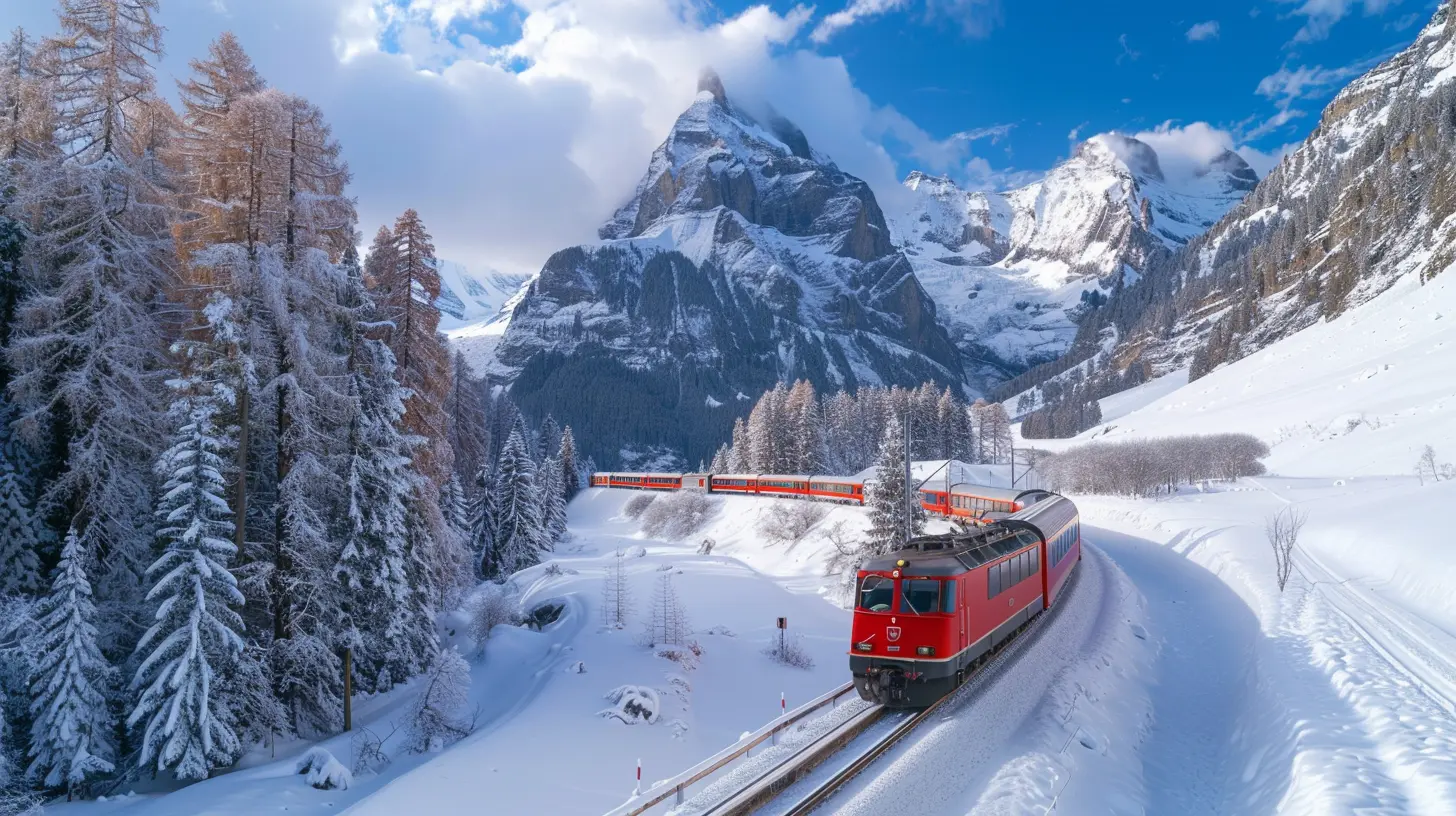
The Glacier Express runs between Zermatt and St. Moritz (or Davos, depending on the direction and the season). It crosses 291 bridges, passes through 91 tunnels, and climbs over the Oberalp Pass at 6,706 feet above sea level. That makes it the slowest express train in the world, a title it wears with pride.Here is the thing most first-timers get wrong. They think the Glacier Express is a single train on a single track. It is not. It is a route that uses tracks owned by several railway companies, including the Matterhorn Gotthard Bahn and the Rhaetian Railway. The latter is a UNESCO World Heritage site for good reason. The Albula and Bernina lines are engineering marvels, with spiral tunnels and viaducts that look like they were drawn by a child with a ruler and too much imagination.
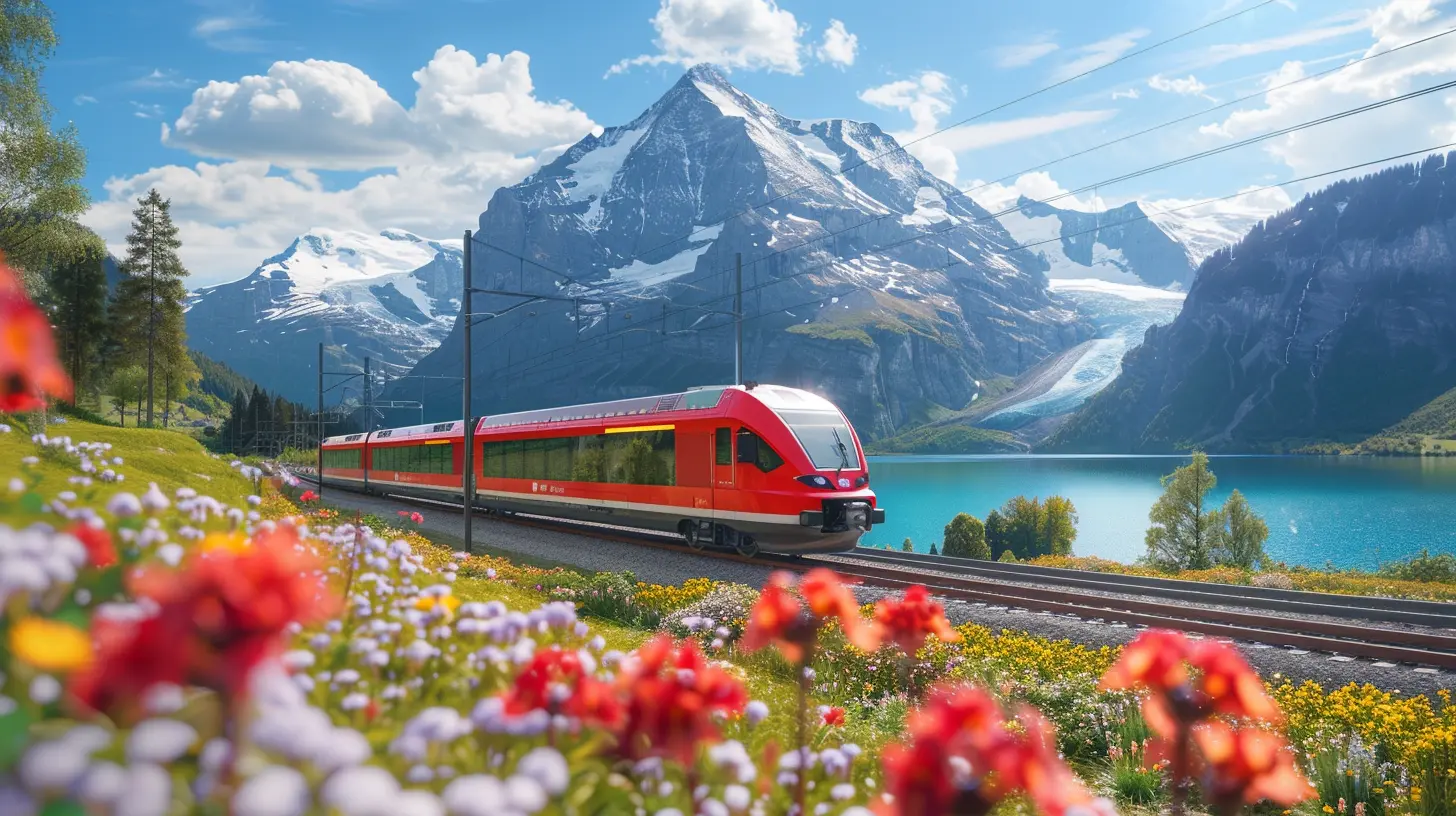
By 2027, the route will see the full rollout of the new generation of carriages. These are not just cosmetic upgrades. The new cars feature larger windows that curve into the roof, giving you a view that feels less like looking through a frame and more like being suspended in the landscape. The seats are wider, the suspension is smoother, and the air conditioning is actually capable of handling a hot summer day at altitude.
But the bigger change is the timetable philosophy. The railway companies have been working on a concept called "taktfahrplan" which means regular interval scheduling. By 2027, you will see more frequent departures during peak season, with direct connections that reduce the need to change trains in Brig or Chur. That matters more than you might think when you are hauling a suitcase and a jet-lagged brain.
The New Carriages: What to Expect
Let me be honest with you. The current Glacier Express carriages are fine. They are comfortable, the windows are big, and the service is friendly. But they are also showing their age. The new "panoramic" carriages being phased in through 2026 and fully operational by 2027 are a different beast entirely.The windows are the headline. They are about 30 percent larger than the previous generation, and they extend into the roofline. When you are crossing the Landwasser Viaduct, that curved glass means you can see the bridge curving away beneath you and the gorge dropping below without craning your neck. It is a small change that transforms the experience.
The seats deserve a mention too. They are designed with a higher back and adjustable headrests, which sounds boring until you have spent four hours staring at limestone peaks and realize your neck does not hurt. The tables are bigger, which matters if you are trying to balance a plate of Swiss cheese and a glass of wine while the train leans into a curve.
There is also a new "Excellence Class" carriage that is worth understanding before you dismiss it as a gimmick. It is not first class with a different name. It is a separate car at the front of the train with only 20 seats. You get a dedicated host, a multi-course meal prepared on board, and a seating arrangement that puts every passenger next to a window. The trade-off is price. It costs roughly double the standard first-class fare. But if you are celebrating something, or if you simply value space and quiet over budget, it is the best way to experience the route. The food is not just airplane food warmed up. It is actual cooking, with local ingredients and a menu that changes with the season.
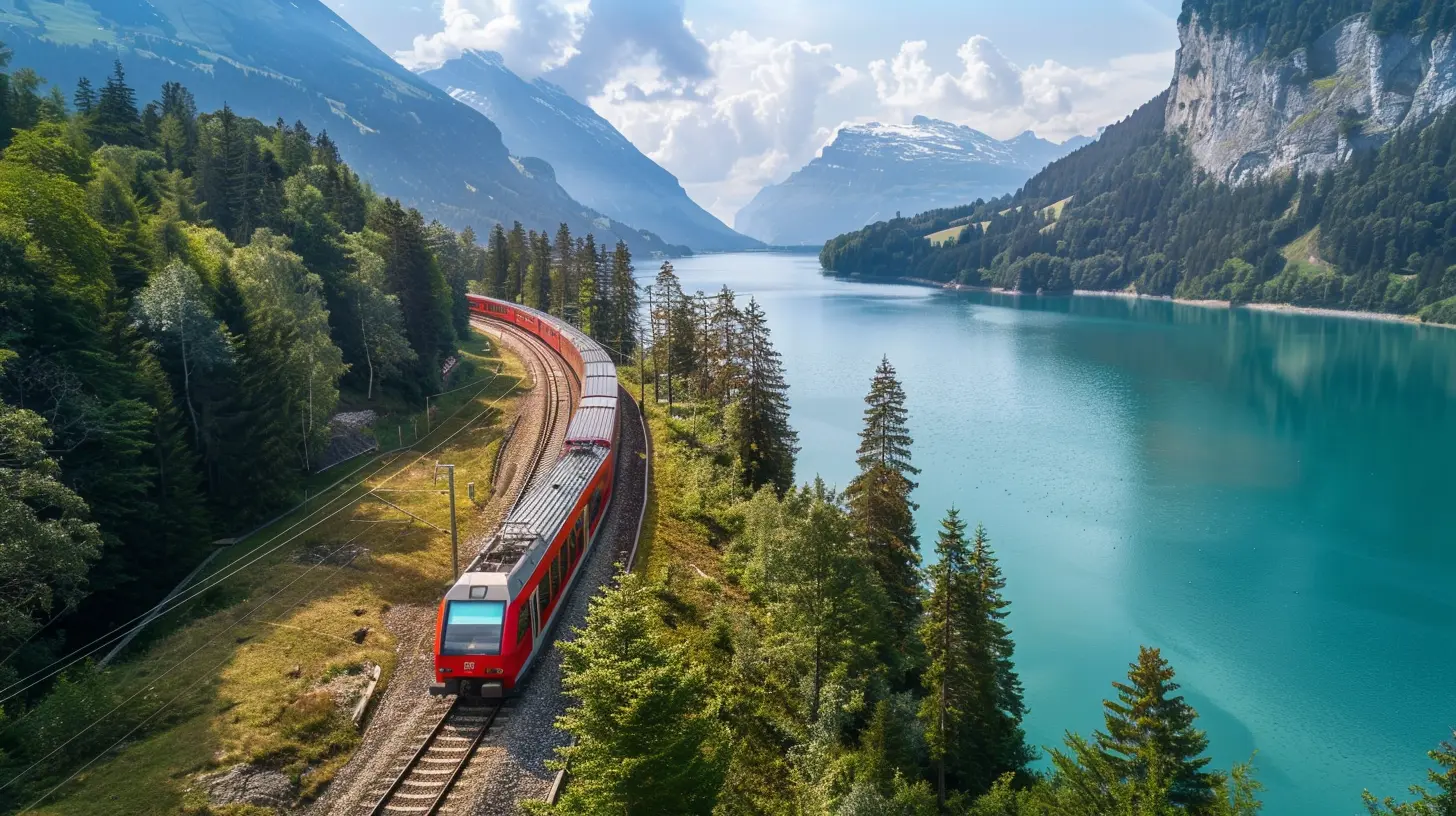
Practical Realities: Booking, Timing, and Money
Let me save you from the most common mistake. Do not book the Glacier Express for the summer months and expect empty trains. July and August are packed. By 2027, with the new carriages and increased frequency, it will be slightly better, but not by much. The route is popular for a reason, and everyone wants to see the same viaducts.Here is what I recommend instead. Book for late September or early October. The larches turn gold, the snow has not yet closed the high passes, and the crowds thin out dramatically. The light is softer, the air is clearer, and you can actually hear the train wheels clicking over the joints in the track instead of the murmur of a hundred conversations.
You should book at least two to three months ahead for a guaranteed seat in the panoramic car. The reservation fee is separate from the ticket price, and it is non-refundable. That catches people off guard. You can buy a Swiss Travel Pass that covers the base fare, but you still need to reserve a seat, and the reservation fee applies even with the pass.
The full journey from Zermatt to St. Moritz takes about eight hours in one direction. That sounds like a long time, and it is. But consider breaking it up. Many experienced travelers ride the Glacier Express in stages. They get off in Andermatt, spend a night in a traditional mountain inn, and continue the next day. The railway companies fully support this because it spreads demand and gives you a chance to actually walk around instead of just looking at the world from behind glass.
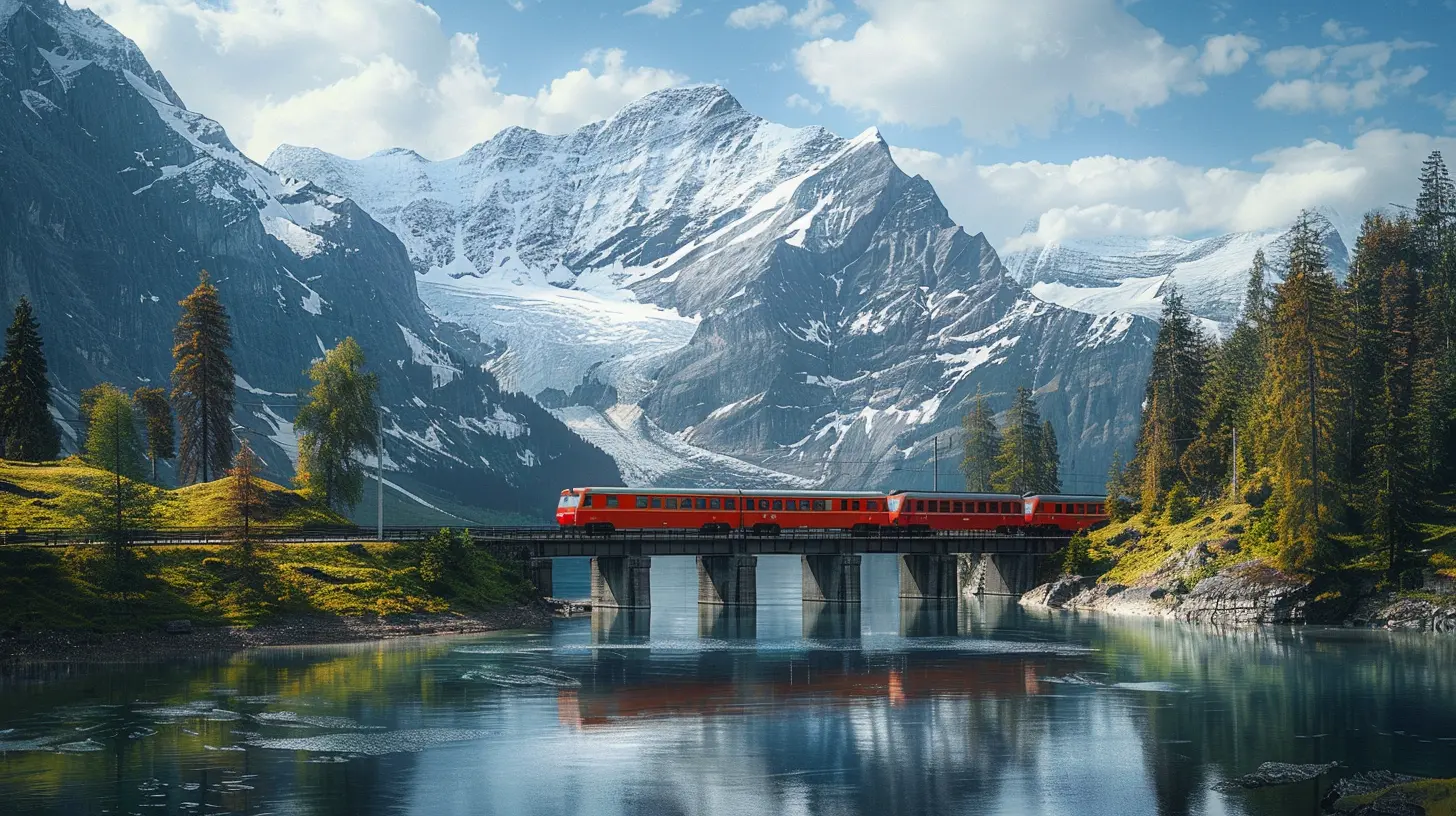
The Scenery: What You Are Actually Looking At
The route passes through three cantons and two language regions. You start in the French-speaking Valais, cross into the German-speaking Uri, and end in the Romansh-speaking Graubunden. The landscape changes just as dramatically.Leaving Zermatt, you are surrounded by the highest peaks in Switzerland. The Matterhorn looms in the background, but do not spend all your time staring at it. The valley floor is dotted with larch forests and small hamlets that look like they have not changed in two hundred years. The Visp River runs alongside the track, milky green from glacial silt.
The section between Brig and Andermatt is where the engineering gets serious. The train climbs through the Furka Base Tunnel, which was built to replace the old high-altitude line that was only open in summer. You will not see the famous Furka Pass from inside the train, but you will feel the gradient. The new carriages have better pressure equalization, so your ears will not pop as much as they used to.
The Oberalp Pass is the high point of the journey. In winter, the snow is piled so high that the train seems to be running through a white canyon. In summer, the alpine meadows are carpeted with wildflowers. Either way, this is the moment to have your camera ready. The station at Oberalp is a bare platform with a small restaurant, and the train does not stop for long, just enough to let photographers off and on.
The descent into Disentis and the Rhine Gorge is the part that surprises most people. The gorge is often called the "Grand Canyon of Switzerland," which oversells it a bit. It is not vast or dramatic in the American sense. It is narrower, greener, and somehow more intimate. The train clings to the side of the cliff, and you look down at the turquoise Rhine River rushing below. This is where the new curved windows really earn their keep.
The final stretch through the Albula Valley and down to St. Moritz is the UNESCO World Heritage section. The Landwasser Viaduct is the famous one, with its six arches carrying the track across a deep gorge and directly into a tunnel. You will see it from the train just before you cross it, and again from a distance as the train curves away. Do not blink.
The Food and Service: What Is Worth Your Money
The Glacier Express has a reputation for its dining experience. The standard class includes a meal served at your seat, which is a logistical miracle when you consider the train is constantly climbing and descending. The food is decent, but it is not Michelin-starred. It is hearty Swiss fare. Think rosti, air-dried beef, alpine cheese, and chocolate desserts.The Excellence Class meal is a step above. The chef prepares dishes like venison with spatzle or trout from a local alpine lake. The wine list is regional, which means you will be drinking a lot of Valais whites and Graubunden reds. That is a good thing. These wines rarely leave Switzerland, and they pair beautifully with the food.
Here is a tip that most guidebooks do not mention. The minibar service in standard class is overpriced and the selection is limited. Bring your own water bottle and fill it at the station before you board. The tap water in Switzerland is excellent, and you will save a small fortune. If you want a coffee, wait until the train reaches Andermatt and grab one from the station kiosk during the brief stop. It is half the price and twice the quality.
Common Misconceptions and Mistakes
Let me clear up a few things that people get wrong.First, the Glacier Express is not a scenic railway in the way that the Bernina Express is. The Bernina Express crosses the Bernina Pass and offers views of glaciers and alpine lakes. The Glacier Express is more about valleys, gorges, and engineered curves. Both are worth doing, but they are different experiences. If you only have time for one, choose based on your preference. The Bernina Express is shorter, about four hours, and it does not require a reservation in the same way. The Glacier Express is the full-day commitment.
Second, the train does not stop for photo opportunities. It makes scheduled stops at stations, but you do not get to hop off and snap pictures of the viaducts. The windows are the show. If you want to photograph the train itself, you need to be outside it, which means hiking or driving to one of the viewpoints along the route. The most famous is the viewpoint above the Landwasser Viaduct, reachable by a short walk from the Filisur station.
Third, the direction matters. Traveling from Zermatt to St. Moritz, the best scenery is in the afternoon. Traveling the other way, you get the best light in the morning. If you are a photographer, plan accordingly. If you just want to relax, the direction does not matter much. But if you want to avoid sitting on the left side of the train for hours with the sun in your eyes, think about which side you book. In summer, the sun is on the south side of the train for most of the journey. Choose your seat based on the time of day you will be passing the most scenic sections.
The 2027 Upgrades: What Is Actually Changing
Let me be specific about what will be different by 2027, because there is a lot of vague marketing talk floating around.The new rolling stock will be fully deployed on the Glacier Express route. That means every train will have the larger windows, the improved suspension, and the new seating. The old carriages will be retired or reassigned to other regional routes. This is a genuine improvement, not just a paint job.
The dining concept is being overhauled too. Instead of a fixed menu, there will be more seasonal variety and a greater emphasis on regional ingredients. The railway companies have partnered with local farmers and producers to shorten the supply chain. That means the cheese on your plate will likely come from a dairy you passed two hours earlier. This is a nice touch that adds authenticity to the experience.
There are also plans to improve the stations at both ends of the route. Zermatt is already car-free, which adds to its charm, but the station area is getting a facelift with better luggage storage and a more efficient boarding process. St. Moritz is getting a new visitor center and improved connections to the local bus network.
One thing that is not changing is the speed. The Glacier Express will remain a slow train. That is deliberate. The railway companies have studied passenger satisfaction, and they know that the unhurried pace is part of the appeal. You are not riding this train to save time. You are riding it to spend time.
Who Should Ride and Who Should Skip
The Glacier Express is not for everyone. Let me be honest about that.If you are traveling with young children who cannot sit still for more than an hour, this is going to be a struggle. There is no play area, no kids menu, and no room to run around. The train is quiet, and other passengers will not appreciate a screaming toddler. Wait until your kids are old enough to enjoy the scenery or at least to sleep through it.
If you are prone to motion sickness, think carefully. The train does not rock much, but the constant curving and the visual stimulation of the landscape rushing past can trigger nausea in sensitive people. Sit in the middle of the car, face forward, and avoid reading. Look out the window and let your eyes adjust to the motion.
If you are on a tight budget, the Glacier Express is not the best value. The reservation fee, the premium ticket price, and the cost of the meal add up quickly. You can see similar scenery on the regional trains that run along the same tracks for a fraction of the price. The difference is that the regional trains do not have panoramic windows, and they make frequent stops, which slows the journey even more. But if you are flexible and willing to change trains a few times, you can piece together a similar route for less money.
The ideal passenger is someone who enjoys the journey as much as the destination. Someone who is comfortable with their own thoughts and does not need constant entertainment. Someone who can look at a mountain for twenty minutes and find something new in it each time. If that sounds like you, then the Glacier Express is worth every franc.
Practical Tips for the Perfect Ride
Let me give you a checklist that will make your trip smoother.Book your seat on the right side of the train when traveling from Zermatt to St. Moritz. The best views of the Matterhorn are on the left, but the most dramatic valley and viaduct views are on the right. If you are traveling the opposite direction, reverse that advice.
Bring layers. The train is climate controlled, but you will want to step out at the stations for fresh air, and the temperature difference between the train and the outside can be extreme. In summer, the high passes can be cold. In winter, the valleys can be surprisingly mild.
Charge your devices before boarding. There are power outlets at every seat in the new carriages, but the train does not have Wi-Fi that is reliable enough for streaming. Download your music, podcasts, and maps before you board. The scenery will do the rest.
Do not overpack your day bag. You will not have much space at your feet, and the luggage racks fill up quickly. A small backpack with a camera, a water bottle, and a light jacket is enough. Leave the rolling suitcase in the baggage car or at your hotel.
Eat a light breakfast before boarding. The meal on the train is substantial, and you will not want to be too full to enjoy the afternoon snack. The dining service is timed to the scenery, so you will be eating during the flatter, less interesting sections and looking out the window during the dramatic passes. That is not an accident. The crew knows the route perfectly.
The Future Beyond 2027
The Glacier Express is not resting on its laurels. Beyond the new carriages, the railway companies are exploring ways to make the route more sustainable. There are pilot projects using hydrogen fuel cells for the regional trains, and the long-term goal is to run the entire network on renewable energy. By 2030, the Glacier Express could be completely carbon neutral.There are also discussions about adding a night service, which would allow passengers to board in Zurich and wake up in St. Moritz without spending a day on the train. That is still in the concept phase, and it faces significant engineering and logistical challenges. But the fact that it is being considered shows that the Glacier Express is thinking about the future, not just preserving the past.
The route itself is unlikely to change dramatically. The tracks are carved into mountainsides that have been there for millions of years, and the engineering that made the route possible is a marvel of its own. The Glacier Express does not need to be reinvented. It needs to be refined. That is exactly what is happening.
Final Thoughts
The Glacier Express is a rite of passage for anyone who loves trains, mountains, or the simple pleasure of watching the world go by. By 2027, it will be better than ever, with more comfortable carriages, larger windows, and a service that honors the tradition of Swiss hospitality.But do not wait for perfection. The current train is already wonderful. The new carriages will make it more comfortable, but they will not change the fundamental experience. The mountains will still be there. The viaducts will still curve. The light will still catch the peaks in the late afternoon and turn them pink and gold.
Book your seat, pack your camera, and get ready to sit still for eight hours. It will be the most productive thing you do all year.
all images in this post were generated using AI tools
Category:
Iconic RoutesAuthor:

Reed McFadden
Discussion
rate this article
2 comments
Petra Morris
What an exciting journey ahead! Can't wait to experience Switzerland's stunning beauty.
October 18, 2026 at 4:18 AM
Troy Bowers
The Glacier Express is a must-try for any traveler. With stunning views of the Swiss Alps and charming villages, it's the perfect way to experience Switzerland's beauty. I can't wait to see the improvements by 2027!
October 15, 2026 at 4:58 PM