A Traveler's Guide to Verbal and Non-Verbal Communication in Different Cultures
20 January 2026
So, you’ve booked your flight, packed your bags (and then unpacked and re-packed them because, you know, indecision), and now you're ready to travel the world. You’ve got your travel apps, your itinerary, maybe even a funky little neck pillow you’ll pretend isn’t useless. But wait—are you actually ready to talk to people?
Oh, I’m not just talking about giving directions or ordering food (though let’s admit, ordering food while pointing violently at a menu is half the fun). I’m talking about communication—the verbal and the sneaky, silent type: non-verbal communication. You know, the hand gestures, the facial expressions, the nods and winks that can get you smiles...or deported.
Welcome to your crash course in not accidentally offending an entire nation. This is your slightly sarcastic, mildly snarky, but totally useful guide to verbal and non-verbal communication across cultures. Buckle up, globe-trotter!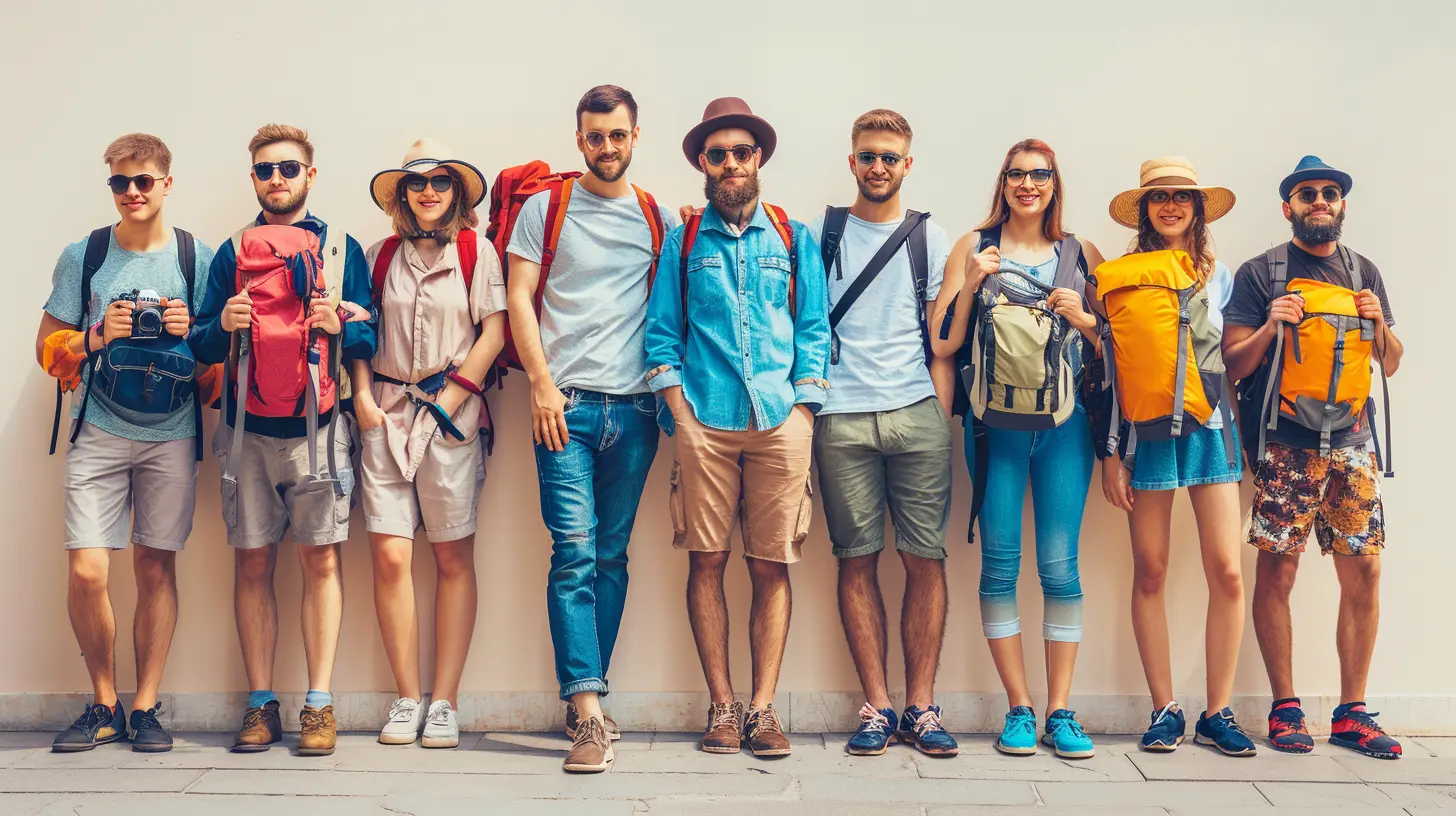
Why Communication Is Your Passport’s BFF
Before we deep-dive into waving, nodding, and not saying things that sound like insults, let’s talk about why communication matters. Because no, shouting louder in English doesn’t make you fluent in another language—it only makes you "that tourist."Mastering communication (both verbal and the subtle non-verbal stuff) means:
- Making genuine connections (hello new friends and free local recommendations!)
- Avoiding awkward misunderstandings (like asking for directions and getting a marriage proposal instead)
- Showing respect for the culture you’re visiting (seriously, a little effort goes a long way)
And trust me, no one wants to be the subject of a local’s funny story that starts with: “So this tourist tried to compliment my cooking and accidentally insulted my grandmother…”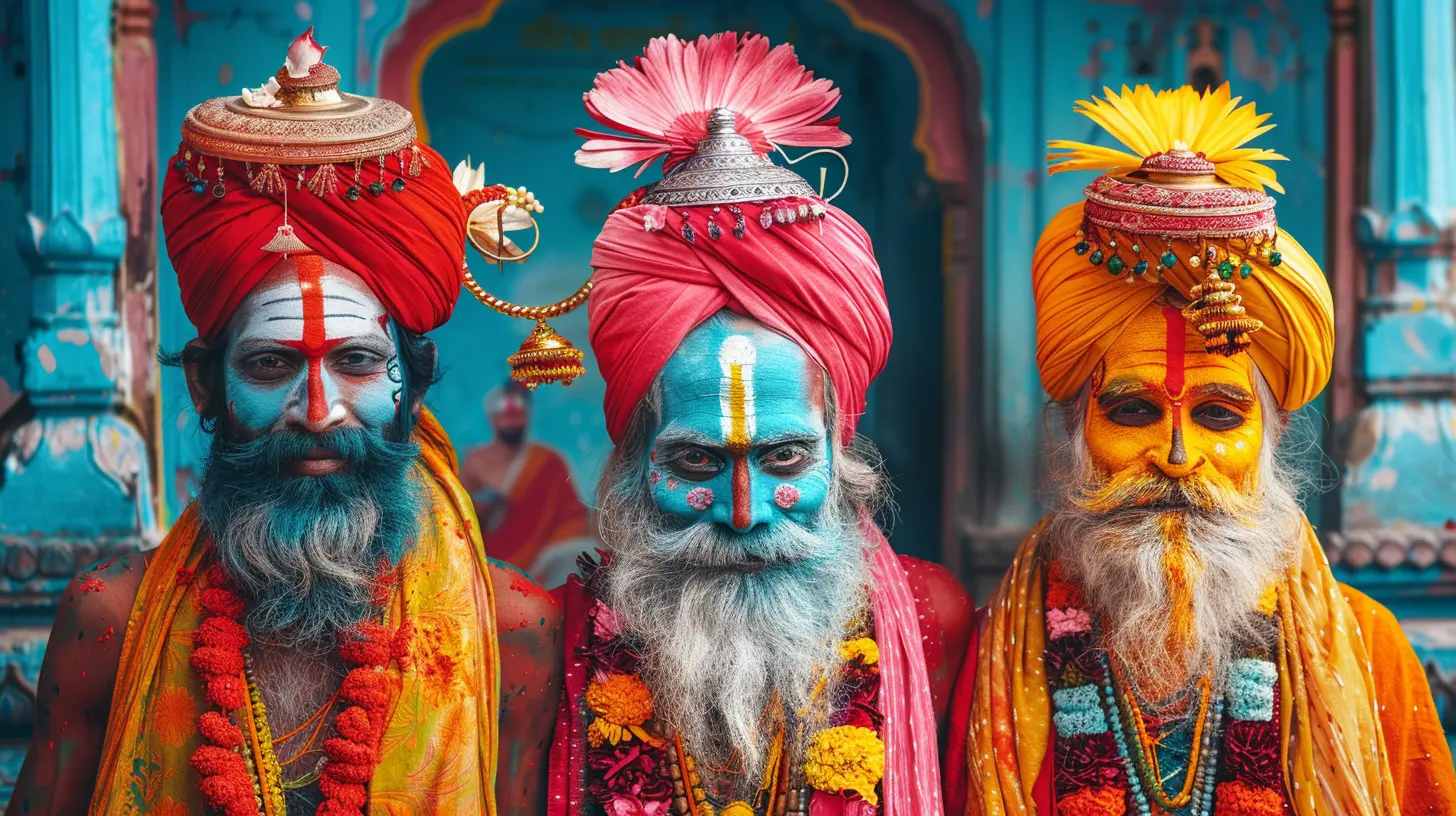
The Power of Words: Verbal Communication Across Cultures
Let’s start with verbal communication. It’s not just what you say, it’s how you say it. Dialects, tone, pace, and even silence carry meaning depending on where you are.1. High-Context vs. Low-Context Cultures: Wait, There’s a Context?
In high-context cultures (like Japan, China, or most of the Middle East), people say less, but mean more. The message isn’t only in the words—it’s in the vibe, the silence, the 3-second eye twitch. You’re expected to read the room, Sherlock style.In low-context cultures (like Germany, the U.S., or Scandinavia), words are pretty straightforward. What they say is what they mean. No decoding required—just listen and go.
So if you’re in Tokyo and someone says “maybe,” don’t take it as an enthusiastic yes. It’s probably a very polite “nope.”
2. Greetings: The Verbal Minefield
Ah, greetings—the part where everyone gets it wrong at least once. A few examples:- France: “Bonjour” before anything. Always. Say it or risk social annihilation.
- Thailand: Say “Sawasdee” and smile. Bonus points if you add a slight bow.
- U.S.: “Hey, how are you?” is often rhetorical. No one’s asking for your life story.
- Australia: “G’day mate” is legit, but don’t go full Crocodile Dundee on day one.
Pro tip: Learn just a few local phrases wherever you go. Locals appreciate the effort more than your French teacher ever did in high school.
3. Speaking Styles: Direct vs. Indirect
In some countries, people will tell you exactly what they think. In others? You’ve got to decipher the subtext like you're reading between the lines of a Jane Austen novel.- Direct cultures: The Netherlands, Germany, Russia. They'll tell it like it is and won’t sugarcoat it.
- Indirect cultures: Japan, Indonesia, U.K. (Yes, even the Brits love passive-aggressive politeness.)
So if someone in England says, “Interesting choice,” about your shirt, they’re probably not admiring it. Sorry.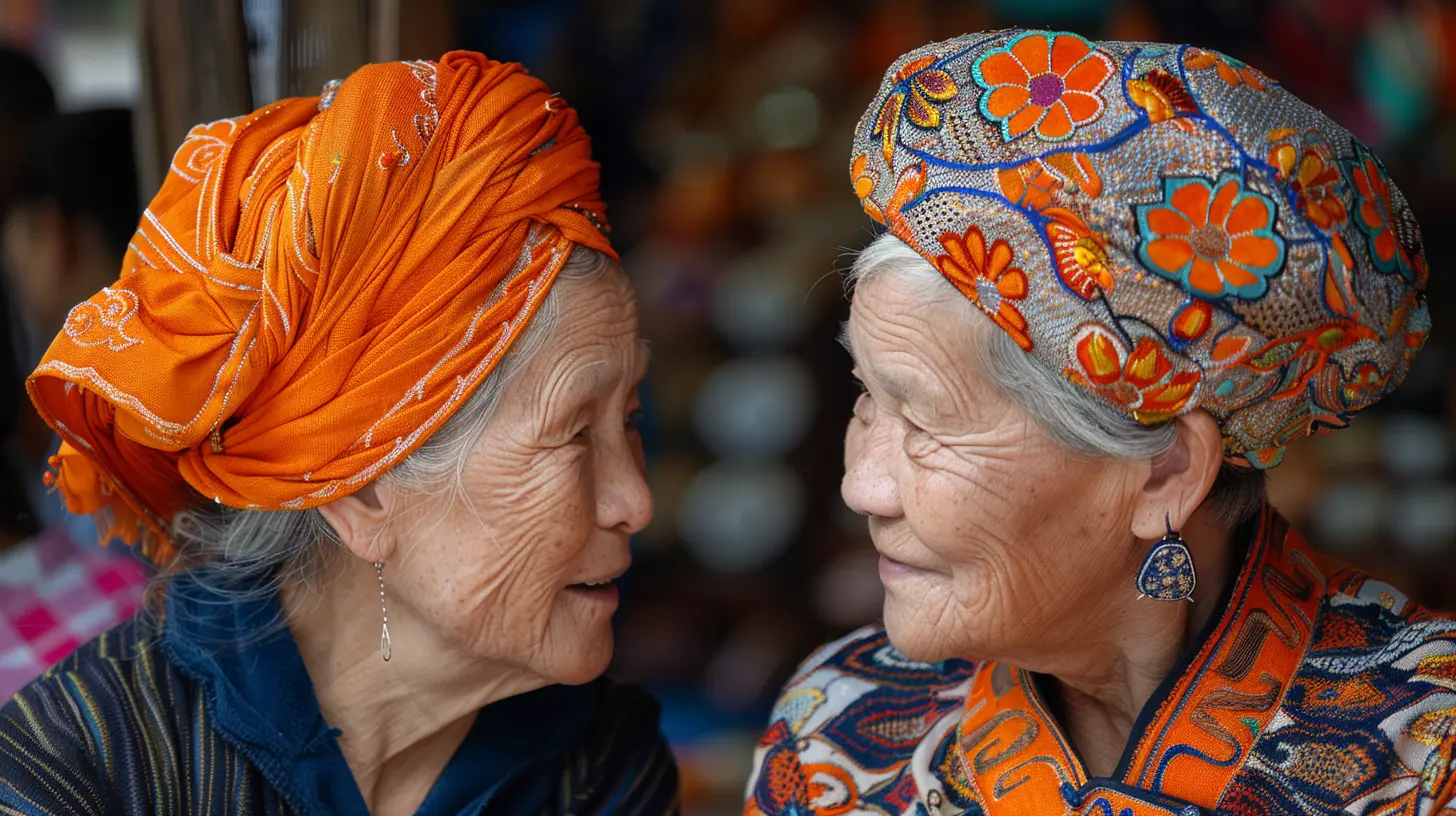
The Silent Language: Non-Verbal Communication
Now for the fun part: all the ways you can get weird looks just by moving your hands.1. Touch: To Hug or Not to Hug?
There’s affectionate, and then there’s arrested. Here’s what to know:- Touchy cultures (e.g., Latin America, Southern Europe): Hugs, cheek kisses, and close proximity are common. Get comfortable—or prepare for face contact.
- Non-touchy cultures (e.g., Japan, Finland, South Korea): Keep your limbs to yourself unless invited. A handshake is already intimate.
So maybe don’t go full bear-hug in South Korea unless you wanna be remembered... for the wrong reasons.
2. Eye Contact: Show Respect or Start a Duel?
Eye contact rules are weird. In the U.S., strong eye contact = confidence. In some Asian cultures, prolonged eye contact = aggressive or disrespectful. In Middle Eastern cultures, it’s complex and depends on gender and social status.Here’s a rule of thumb: if people start looking uncomfortable, maybe stop staring like you're trying to read their soul.
3. Gestures: The International Game of Charades
This one’s spicy. A hand gesture that means “OK” to you might mean “insult of the decade” elsewhere. A few gems:- The thumbs up: Cool in the U.S., offensive in parts of the Middle East.
- The peace sign: Fine unless you’re in the U.K. and do it backwards (oops, basically flipping someone off).
- The ‘come here’ gesture with a curled finger: Friendly in the U.S., but really rude in the Philippines.
Basically, when in doubt, keep your hands in your pockets. Or sit on them.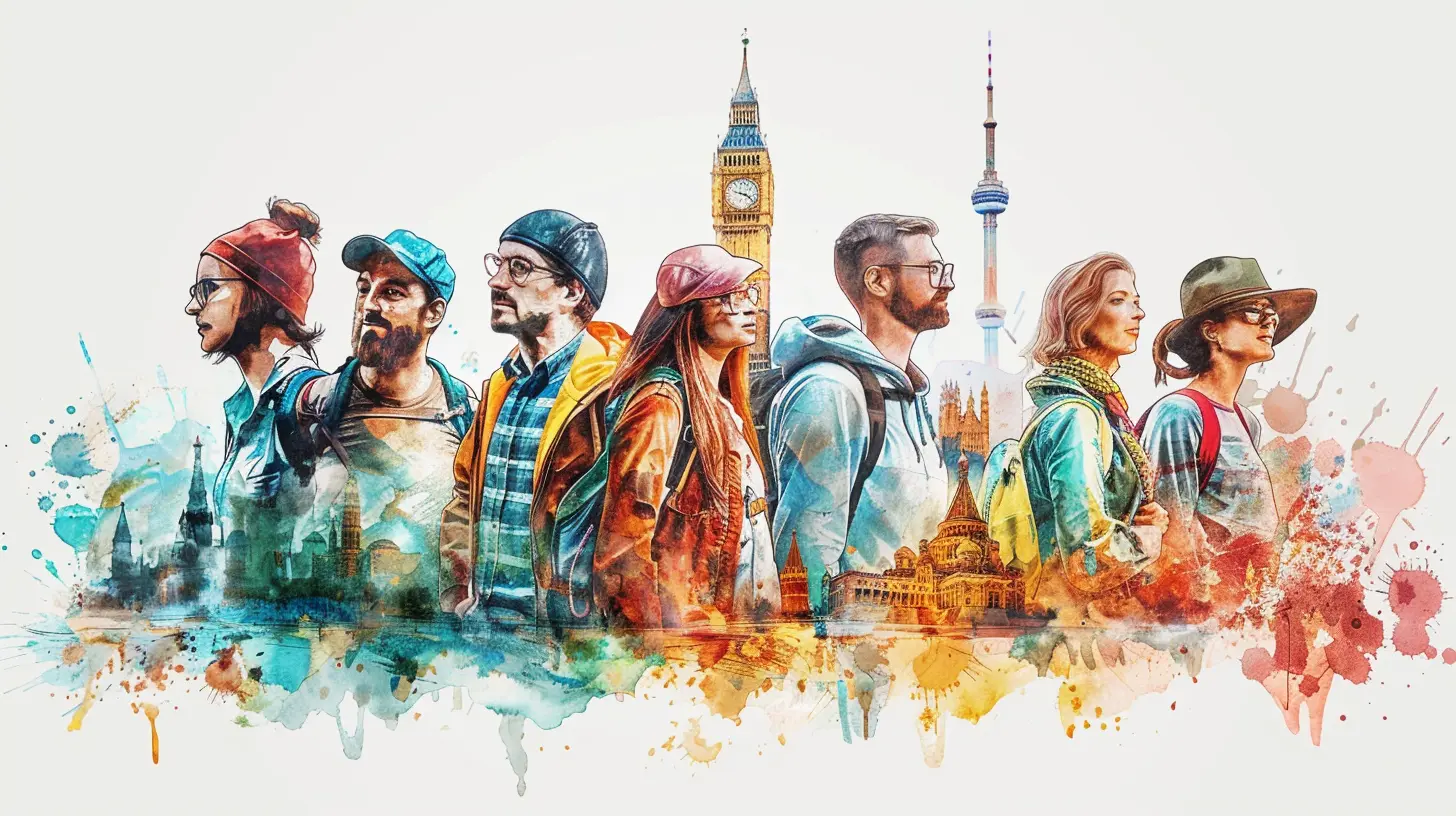
Body Language: Your Face Has No Chill
Your face says things your mouth doesn’t dare to. And in some places, your resting face might scream “I hate everything” even if you’re just jet lagged.- Smiling: In some cultures (like Russia), walking around grinning for no reason might make people suspicious. In the U.S., it’s standard. In Japan, people smile even when upset—to be polite. (Yes, you’ll be confused. No, you're not alone.)
- Nodding and Shaking Your Head: In Bulgaria, nodding means “no,” and shaking your head means “yes.” Yep. You will mess this up. Embrace it.
Bonus Tip: Practice your “I’m not judging, just a confused tourist” face. It helps.
Personal Space: The Invisible Bubble
Remember COVID social distancing? That was a dream for people in cultures that like space.- Large personal space bubbles: U.S., Canada, Northern Europe. People will back up if you get too close.
- Small bubble/no bubble at all: Middle East, South America, Southern Europe. Expect people to talk close enough to share breath. Maybe invest in mints.
Again, observe and adjust. If locals are backing away from you like you're holding a snake, take the hint.
Silence: Meaningful Pause or Awkward Filler?
In some cultures, silence = wisdom. In others, silence = “Did I say something wrong?!”- Japan/Finnish culture: Silence is golden. It shows respect, reflection, or comfort.
- U.S./Italy: Silence often = uncomfortable. People rush to fill it with small talk.
If you’re a chatterbox, maybe practice your inner monk before heading to East Asia.
Top Communication Faux Pas That Will Make You Legendary (And Not In A Good Way)
Let’s cover the “Don't You Dare” list:1. Pointing with your feet in Thailand. Feet are sacred. Don’t misuse yours.
2. Touching someone’s head in Buddhist cultures. Also sacred. Zero head-pats.
3. Using your left hand to eat or shake hands in India and the Middle East. Just...don't.
4. Whistling inside in Russia. Brings bad luck. (No Snow White impressions, please.)
5. Showing the soles of your shoes in Arab countries. Extremely disrespectful.
The takeaway? What’s casual for you might be a cultural disaster somewhere else. Treat local customs like someone's grandma—handle with respect.
Pro Tips for Becoming a Communication Ninja (No Martial Arts Required)
Alright, here’s how to level up your communication skills before you get on that plane:- Do a lil’ research: Just a 10-minute scroll through cultural etiquette can save you loads of awkwardness.
- Watch the locals: Observe how they interact, copy their vibe (within reason, don’t be a mimic).
- Use universal gestures: Smiles, open hands, respectful bows—these rarely go wrong.
- Learn the magic words: “Hello,” “Thank you,” “Please,” and “Sorry” in the local language. They’re like cheat codes for kindness.
- Be humble: You’ll mess up. Laugh, apologize, and learn. The world forgives a well-meaning goofball.
Final Thoughts: Your Mouth Isn't The Only Thing Talking
So there you have it, future globe whisperer. Communication is the secret sauce that turns basic travel into unforgettable experiences. It’s not just about “talking”—it’s about tuning in to the rhythms of different places, knowing when to speak up, when to zip it, and when to just nod mysteriously like you've understood everything.Yes, you’ll fumble a bit. Yes, you’ll have some hilarious miscommunications. But that’s half the charm of travel. The world doesn’t expect you to be perfect—just respectful, curious, and occasionally not a total disaster.
Now go, speak (or don’t speak) wisely.
all images in this post were generated using AI tools
Category:
Cultural EtiquetteAuthor:

Reed McFadden
Discussion
rate this article
2 comments
Zayden McKibben
Thank you for this insightful article! Understanding verbal and non-verbal communication across cultures is essential for travelers seeking to connect meaningfully with locals. Your tips and examples are invaluable for fostering respectful interactions while exploring diverse destinations.
February 21, 2026 at 5:18 PM
Reed McFadden
Thank you for your kind words! I'm glad you found the article helpful for enhancing cross-cultural connections while traveling. Safe travels!
Russell McCray
This article is a must-read for anyone traveling abroad. Understanding verbal and non-verbal communication in different cultures can make or break your experience. The insights provided simplify complex cultural nuances and offer practical tips that enhance interactions, making travel not just easier, but genuinely enriching. Great job!
January 20, 2026 at 5:26 AM
Reed McFadden
Thank you for your kind words! I'm glad you found the insights helpful for enhancing travel experiences. Safe travels!